Hepper is reader-supported. When you buy via links on our site, we may earn an affiliate commission at no cost to you. Learn more.
Can Bearded Dragons Eat Spinach? Vet Reviewed Facts & FAQ


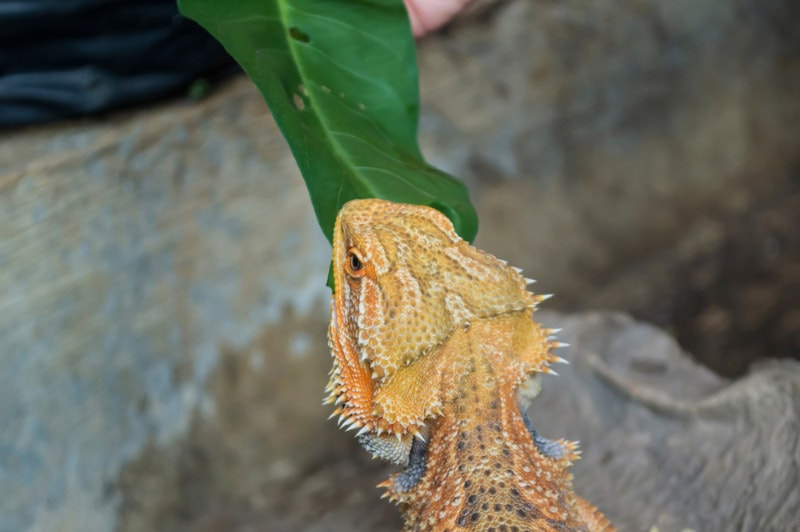
Since Bearded Dragons are omnivores, they require animal-based and plant-based foods. While this variety is essential, retaining a strict diet for your pet is equally important. Fresh veggies are a vital part of your Bearded Dragon’s diet, so it makes sense that spinach would be a great food to feed your pet. Right? Well, not exactly.
While spinach is not toxic for your Bearded Dragon and can technically be fed to him, it is only recommended in minimal amounts. Eating too much spinach can contribute to health complications in your pet. Keep reading below to learn more about how spinach may affect your Bearded Dragon.

What Should Bearded Dragons Eat?
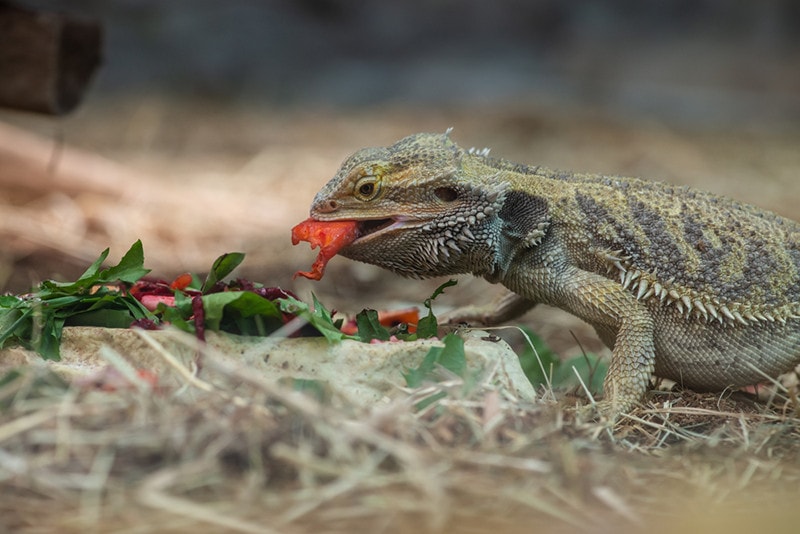
Bearded Dragons typically accept a wide range of foods. However, to keep your pet healthy, you should ensure that he receives adequate proportions of plant-based and animal-based meals. That includes appropriate servings of insects, vegetables, and fruits. Your pet’s feeding schedule may vary depending on his specific needs, which you can determine in collaboration with your vet. Usually, the average adult Bearded Dragon will eat every 1 or 2 days.
While juvenile Bearded Dragons eat insects primarily, adults eventually grow into eating more vegetables. When your Bearded Dragon is an adult, you should feed him insects, veggies, and fruits in roughly these percentages:
- Insects: 25% of the diet
- Leafy Green Vegetables: 55% of the diet
- Other Vegetables: 20% of the diet
- Fruits: 5% of the diet
Insects should be fed live insects when possible, as freeze-dried insects lack nutritional value. Vary the insects that you feed your Bearded Dragon, including dubia roaches, crickets, phoenix worms, hornworms, silkworms, super worms, waxworms, mealworms, grasshoppers, and butter worms.
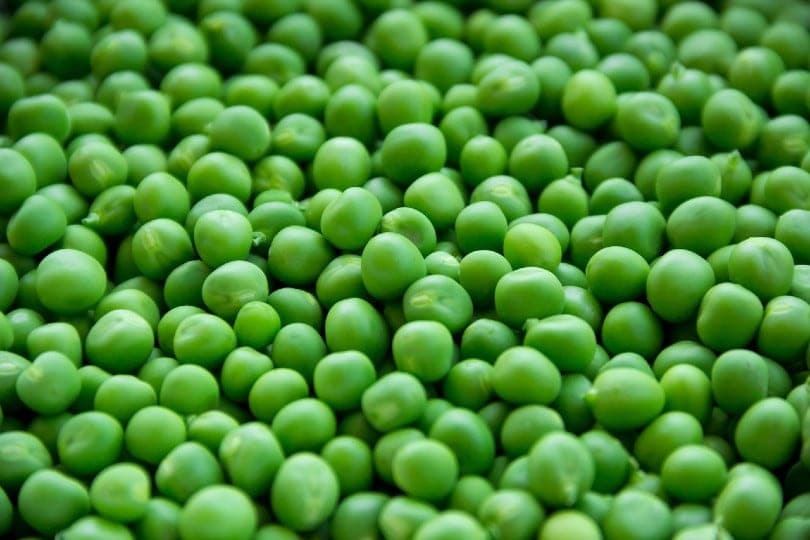
Some dark leafy greens that you can feed your Bearded Dragon are dandelion greens, escarole, romaine, turnip greens, Bok choy, beet greens, Boston lettuces, mustard greens, collard greens, Swiss chard, green leaf, and red leaf lettuce. Other veggies to consider are carrots, zucchini, peas, broccoli, squash, and butternut squash.
Can a Bearded Dragon’s Diet Consist Mainly of Spinach?
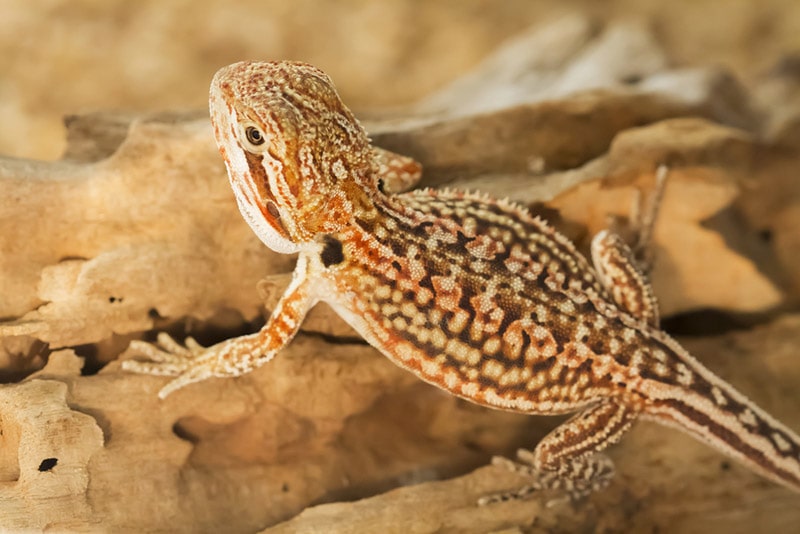
You’ve likely noticed that spinach was not on the list of acceptable leafy greens that you can feed your bearded dragon. Spinach is high in oxalates, which can disrupt your pet’s absorption of calcium, an essential mineral for his health. If your Bearded Dragon eats too much spinach, he may experience nutritional deficiencies.
What Is So Bad About Oxalates?
Oxalates can prevent your Bearded Dragon from properly processing calcium, which can lead to nutritional deficiencies. If these deficiencies become severe enough, your Bearded Dragon may develop a condition known as metabolic bone disease. This occurs most often in reptiles lacking sufficient amounts of calcium and vitamin D in their diets. It can also occur when your pet’s phosphorus levels are too high.
In mild cases of this condition, reptiles can fully recover with necessary dietary changes and supplements. In more severe instances, reptiles may require more extensive forms of treatment, such as supplemental injections and fluid therapy.
This serious condition can significantly impact the quality of your reptile’s life. To prevent it, it is vital that you feed your Bearded Dragon an appropriate diet. You must also know the signs of metabolic bone disease so that you can reach out to your vet the moment you notice something is amiss.
Signs of Metabolic Bone Disease
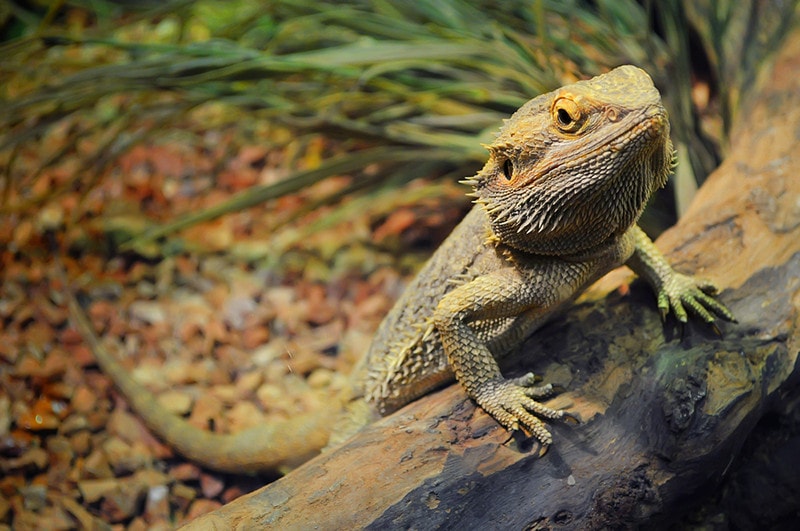
Typical signs of this condition include:
- Limping
- Strange, bow-legged stance
- Lack of appetite
- Hardened bumps along the jaw, legs, or spinal column
- Abnormal flexibility or softness of the lower jaw
- Struggling to raise the body from the ground
When calcium levels become worryingly low, you may notice signs such as:
- Lethargy or weakness
- Twitching
- Depression
- Tremors
- Weakness of the hind end
- Seizures
Extremely serious cases can be fatal. For this reason, it is important always to monitor your pet, know what he is eating, and keep in regular contact with your vet.
Final Thoughts
While spinach can be fed to your Bearded Dragon in small amounts, it should not be part of his regular diet. Other leafy greens, such as dandelion greens or turnip greens, are much more appropriate for your pet’s health. If you choose to feed spinach to your Bearded Dragon, be aware of the risk of metabolic bone disease and monitor your pet closely for any signs of adverse reactions. As always, consult your vet before making significant dietary changes to your pet’s meals.
See Also:
Sources
Featured Image Credit: Ponce_photography, Pixabay
Get Hepper In Your Inbox


Pet care tips from our vets and experts, straight to your inbox.
You may opt-out at any time. View our Privacy Policy for more information.
Pets are Jordyn’s passion, cats especially. Whenever she has the opportunity, she loves to learn about them and share her knowledge with everyone. She is devoted to her tabby cat named Jack and works hard to buy him his favorite treats and toys. Discovering new ways to better care for her pet is always on her to-do list, and she is eager to help pet parents everywhere who have similar pursuits. In her spare time, she loves to read, write, and take long walks. She has a creative spirit, which often helps her to come up with funny cat names.
Join the conversation
Ask a question, share your story, or send private feedback.