Hepper is reader-supported. When you buy via links on our site, we may earn an affiliate commission at no cost to you. Learn more.
Can Bearded Dragons Eat Cilantro? Vet-Reviewed Nutrition Facts & FAQ


In this article
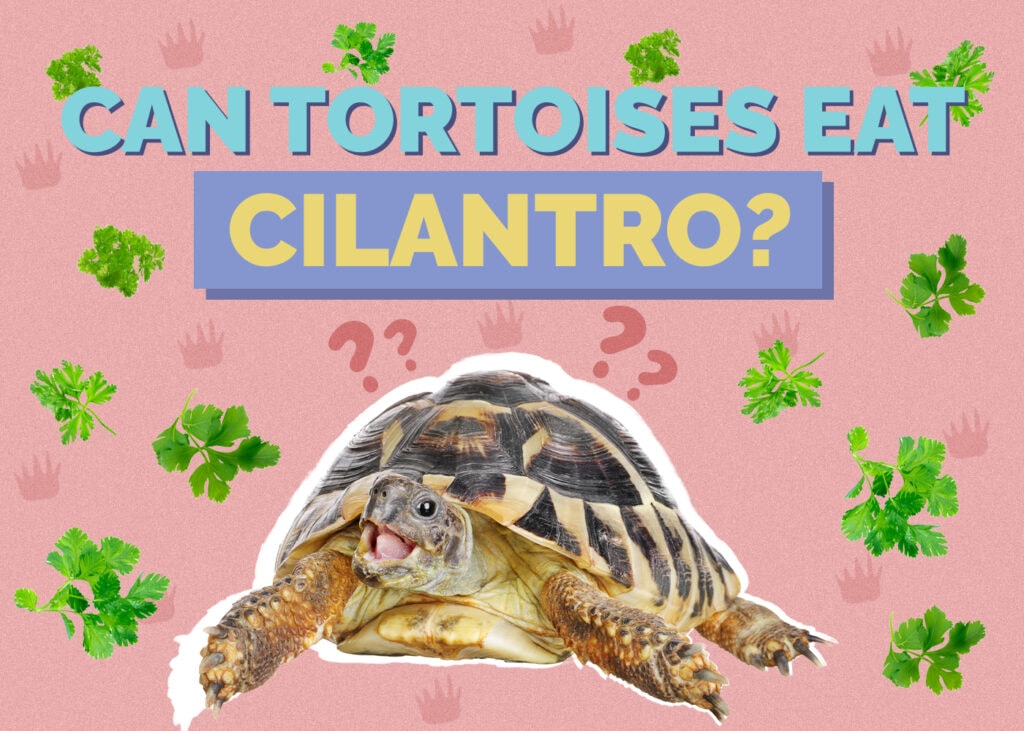
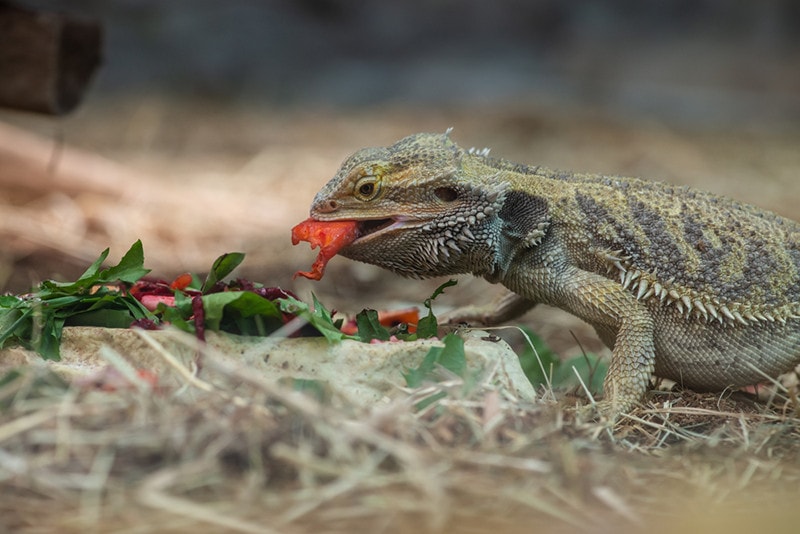
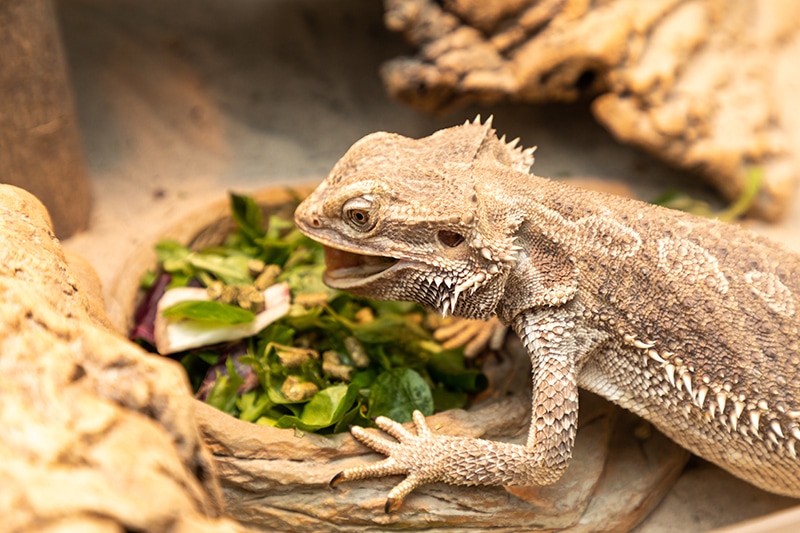
Bearded Dragons are omnivorous and should be fed a variety of insects, greens and occasionally fruit. Staple greens include vegetables like alfalfa, butternut squash, dandelion greens, and prickly pear leaves, and constitute most of your pet’s veggie intake. But adding other veggies and herbs keeps things interesting and ensures your beardie never gets bored of its daily salad. Cilantro is one of the best herb options you can offer your beardie, and it provides a host of health benefits to boot.
However, you can’t treat cilantro as a staple green or add handfuls to your pet’s salad. Read on to learn how to offer cilantro safely to your beardie.

What Is Cilantro?
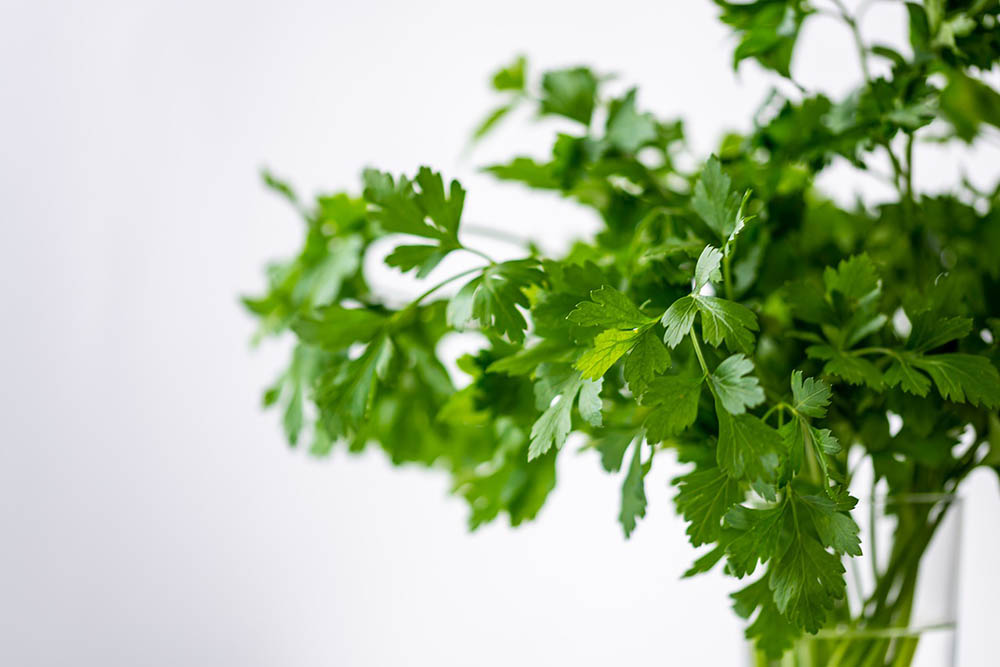
Cilantro is an annual herb in the family Apiaceae, which contains vegetables like carrots and celery. In some regions of the world, cilantro is actually known as coriander. In the U.S., cilantro refers to the leaves, while coriander refers to the plant’s seeds. All parts of the plant are edible, but most people use fresh leaves or dried seeds in their dishes.
What Are the Benefits of Offering Cilantro to a Bearded Dragon?
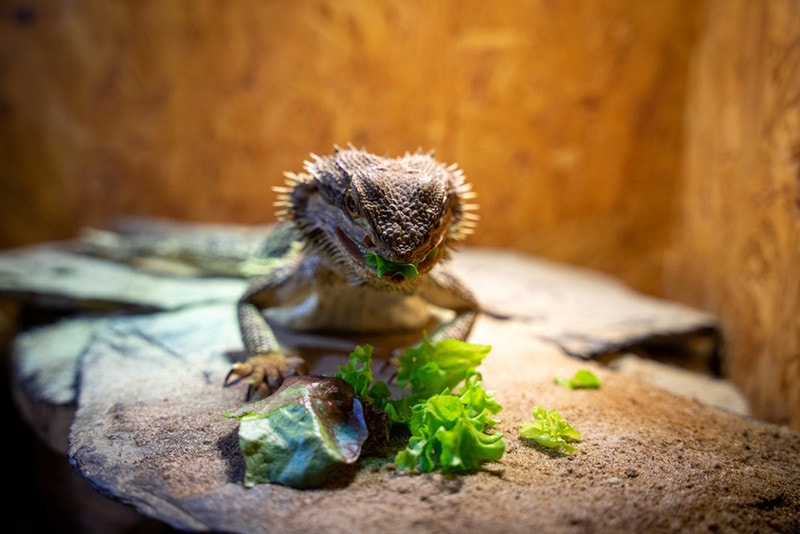
While cilantro boasts a host of health benefits for humans, you may wonder if the advantages of this herb translate to your beardie.
Let’s examine what vitamins and minerals are present in cilantro.
The herb is a great source of vitamins A, C, and K. It also contains a small amount of calcium.
Vitamin A is necessary for normal skin development, and most bearded dragons have no problems getting their vitamin A needs met through their diet. However, beardies deficient in this vitamin often exhibit vague signs of illness such as lethargy, anorexia and weight loss. In the same breath, over-supplementation of this vitamin can cause hypervitaminosis A as the body cannot excrete excess amounts of the vitamin. Signs of this condition include dry skin, skin ulceration, depression, lethargy, and anorexia.
Vitamin C is an antioxidant and usually produced in sufficient quantities by your bearded dragon but extra may be useful to help tissue levels and body stores remain stable.
Vitamin K is another essential nutrient for your bearded dragon’s health, but it’s also one that their bodies produce independently. Vitamin K is known for its blood clotting properties and role in cell growth. In addition, it may have some function in the metabolizing of calcium and phosphorus in bone.
Beardies have a high need for dietary calcium, especially when young. Calcium is necessary for building and maintaining a strong skeletal structure and for proper nervous system function. Most vets recommend lightly sprinkling a phosphorus-free calcium powder on their beardie’s food daily. Calcium and phosphorus must be present in the proper ratio to avoid metabolic bone disease.
How to Serve Cilantro to Your Bearded Dragon
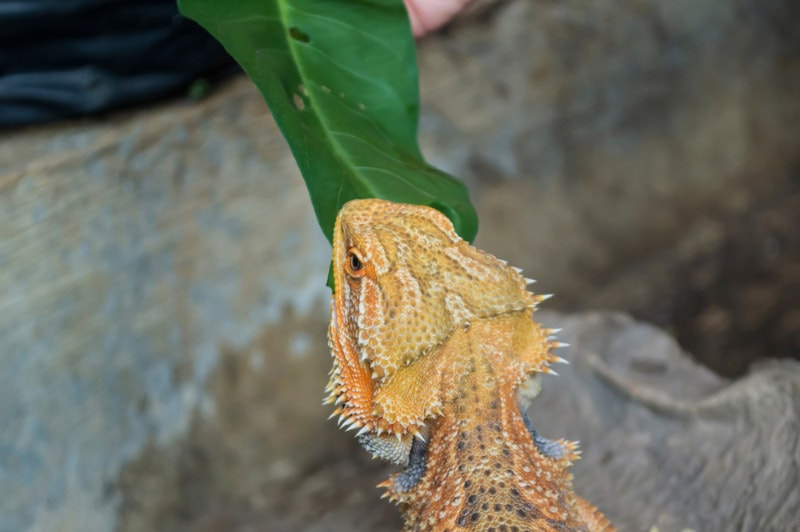
Cilantro can be offered once or twice a week, but it shouldn’t be something that is given every day. As with all new foods, it’s best to offer a small amount first and gradually increase how much you provide. This will let you gauge how well your beardie tolerates new foods.
You can serve cilantro to your beardie by chopping the leaves and mixing them with the rest of your beardie’s daily salad.
Can Cilantro Be a Staple Green?
The term “staple green” refers to the greens your bearded dragon can safely eat daily. These greens are full of nutrients and flavors, so your beardie will get a wide range of health benefits and never get bored of its food.
Unfortunately, cilantro is not a suitable staple green. Though it has plenty of vitamins and minerals to offer your beardie, it’s low in nutritional value compared to other staple greens.
The best staple greens include:
What Other Herbs Are Safe for Bearded Dragons?
Cilantro isn’t the only herb you can offer your beardie.
Some other favorites include:
As with cilantro, however, these herbs should not be a staple in your beardie’s diet. Instead, it’s best to offer them sparingly as a way to mix up your pet’s diet.
What Herbs Are Toxic for Bearded Dragons?
Not every herb is safe to give your beardie.
Do not feed your pet any of the following herbs:
Conclusion
Cilantro is a tasty and safe herb you can offer your bearded dragon occasionally. It doesn’t have what it takes to be a staple green in your pet’s diet, but you can chop it up and put it in a salad once or twice a week if your beardie likes it. Up the ante further by sprinkling in other healthy herbs like basil or fennel.
See Also:
Sources
Featured Image Credit: AhaaRuchi, Pixabay
Get Hepper In Your Inbox


Pet care tips from our vets and experts, straight to your inbox.
You may opt-out at any time. View our Privacy Policy for more information.
Chantelle's life revolves around two passions: writing and animals. Raised on the prairies of Canada amidst a menagerie of pets, she now lives with five cats, two guinea pigs, and a bearded dragon. Together with her husband and child, Chantelle delights in being an exemplary animal parent, going as far as installing wall-mounted cat shelves to give their cats an indoor playground. When she's not cozying up with her cats or snapping their amusing antics, she enjoys venturing into the Rocky Mountains, binge-watching her favorite Netflix shows, and indulging in spontaneous reading adventures.
Join the conversation
Ask a question, share your story, or send private feedback.