Hepper is reader-supported. When you buy via links on our site, we may earn an affiliate commission at no cost to you. Learn more.
Can Bearded Dragons Eat Cherries? Vet-Approved Benefits, Risks, & FAQ


In this article
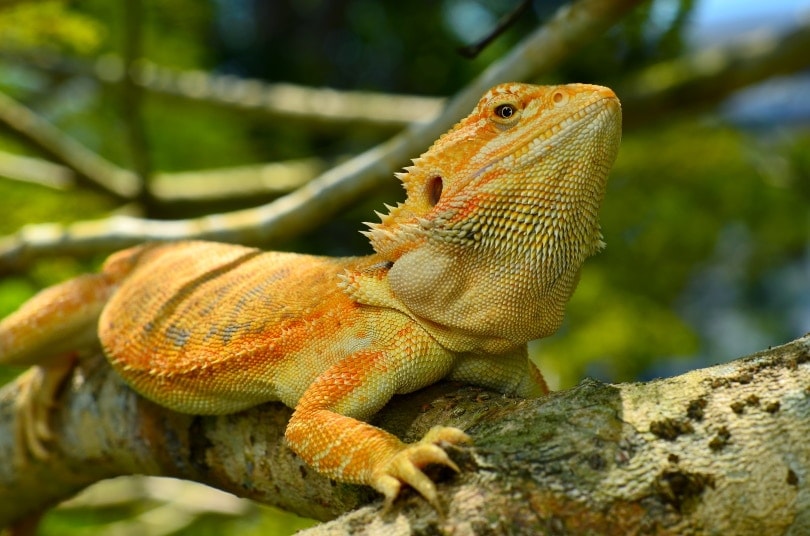
Bearded dragons should eat plenty of different foods to ensure that they receive the nutrients that they need. While they mostly eat insects and vegetables, fruits like cherries can be healthy treats too. You can give cherries to your bearded dragon, though they should never become the main part of their diet.
Cherries can give your bearded dragon an extra boost of nutrients, but you should always use caution when introducing a new food to your pet. This guide will tell you how to feed cherries to your bearded dragons and how to mitigate the risks.

Can Bearded Dragons Eat Cherries?
The important thing to remember about bearded dragons and cherries is moderation. Bearded dragons can eat cherries, provided that the fruit doesn’t become a major part of their diet and is only given as a rare treat now and then. As carefully controlled one-off treats, cherries can provide your bearded dragon with several essential vitamins and minerals, including:
- Antioxidants
- Copper
- Manganese
- Potassium
- Vitamin C
How to Serve Cherries to Your Bearded Dragon
You’ll need to consider how the cherries are prepared before you give them to your bearded dragon. Whether they’re dried, canned, fresh, or frozen can impact how healthy they are for your pet.
Canned
Canned cherries are convenient to store and save you from having to take out the pits yourself. However, they can be hit or miss when it comes to your bearded dragon. Many canned cherries include additional ingredients and sugar, including the syrup that they’re canned in and the preservatives. These additions can be dangerous for your bearded dragon and should be avoided.
Plain, canned cherries are available, though, and these are what you should give your bearded dragon. Pay close attention to the label to make sure that there are no additional ingredients or dangerous preservatives and that the cherries are canned in water rather than syrup.
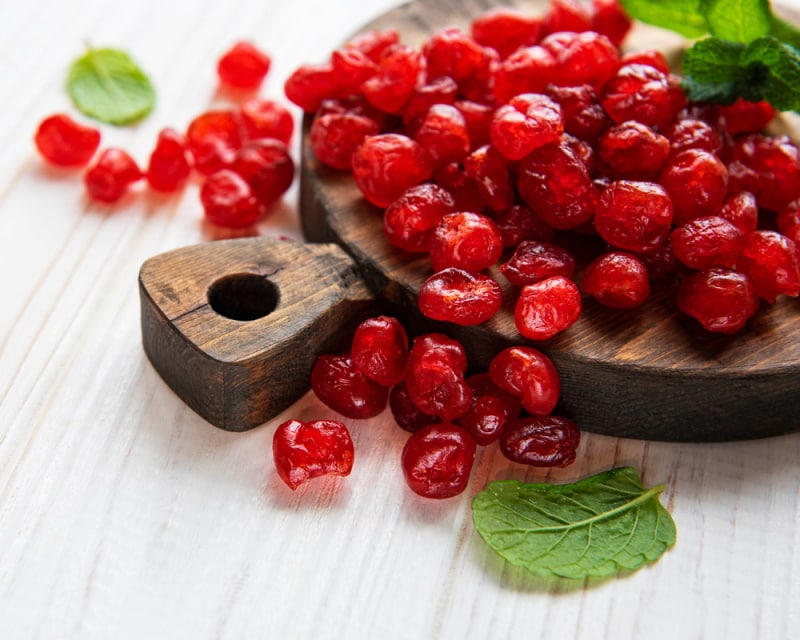
Dried
You should completely avoid giving dried cherries to your bearded dragon. They are difficult to chew, and the sugar content is much higher than normal. Dried cherries are perfect treats for you, but keep them away from your pet.
Fresh
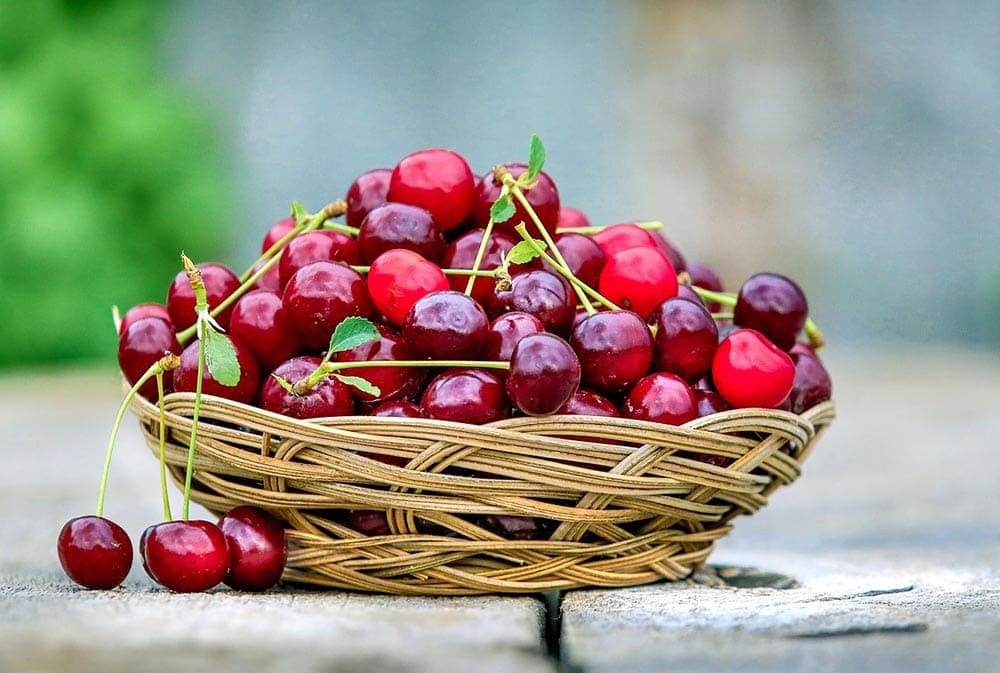
When in doubt, the safest option is always fresh cherries. These will contain all their natural nutrients and won’t have any artificial flavors, preservatives, or other additives. Always make sure you wash them and remove the pits and the stems.
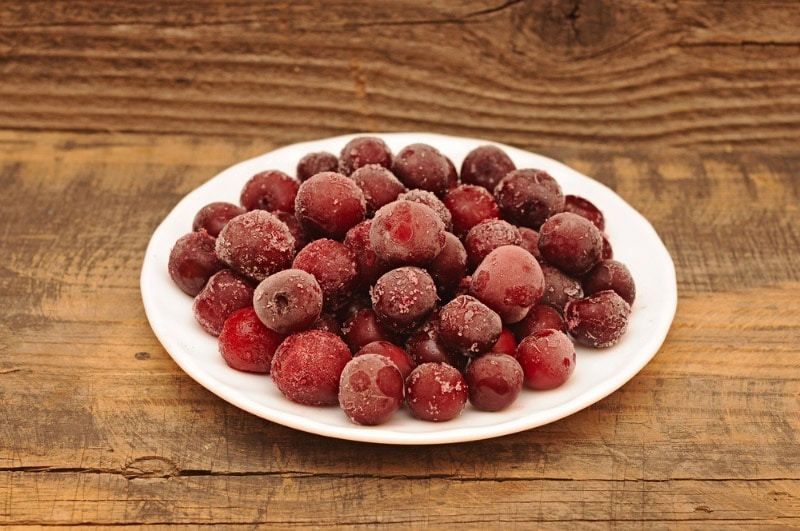
Frozen
Whether you can feed frozen cherries to your bearded dragon depends on how the cherries have been frozen. If they are fresh cherries without the pits and stems, they’ll be perfectly fine for your lizard. You will need to defrost the cherries first and then serve them at room temperature.
However, if you’ve frozen the cherries as part of a special summer treat like homemade ice lollipops or ice cream, you should avoid them because the additional ingredients will cause problems.
Can Bearded Dragons Eat Cherry Pits and Stems?
You should only ever give your bearded dragon the flesh of a cherry. The pit and the stem can be a choking hazard or obstruct your bearded dragon’s digestive system.
Cherry pits also contain cyanide, which is poisonous to humans and animals. Intact pits might not cause cyanide poisoning, but your bearded dragon can still suffer from serious health issues if they cause a blockage. Play it safe, and remove the pits and the stems before serving cherries as treats.
How Often Can Bearded Dragons Eat Cherries?
Although bearded dragons can eat cherries, the fruit should never be offered in excess. Cherries are only safe in small quantities. For the best results, bearded dragons should only be given a cherry or two once every 2 weeks or even once a month. The idea is to add an extra nutritional boost to an already balanced diet without causing problems. Moderation and carefully monitoring your bearded dragon’s diet is essential.
How often you give them cherries can also vary depending on their existing diet. If they eat many other foods that provide the same nutrients, they might not need to eat cherries at all. If you’re looking for an everyday treat, cherries aren’t ideal.
The age of your bearded dragon plays a part too. Younger bearded dragons will need a diet high in protein to support their growth rate and should eat more insects. For this reason, cherries should be an even rarer treat for hatchlings or juveniles.
What Are the Dangers of Cherries?
Cherries might be great for adding variety to your bearded dragon’s diet, but most of the foods that they eat should be vegetables and insects. Fruit is a healthy treat, but there are a few important reasons that it should only be an occasional snack rather than a big part of their meal plan.
Oxalic Acid
Due to the bearded dragon’s need for calcium in their diet, the oxalic acid in cherries can be a problem. Oxalic acid binds with calcium, preventing it from being absorbed into the bloodstream.
In small quantities, oxalic acid won’t cause a problem, but you do have to be careful about which foods you give your bearded dragon. If you’re planning on giving them cherries, make sure you don’t give them other oxalate-rich foods at the same time.
Phosphorus-to-Calcium Ratio
Getting your bearded dragon’s diet right is a challenge, as you need to provide variety while maintaining a healthy balance of nutrients. The calcium-to-phosphorus ratio of the food that they eat needs to be considered carefully.
Bearded dragons need a diet that’s higher in calcium than phosphorus. Although they do need phosphorus, cherries aren't ideal for this because they have more phosphorus than calcium. While you can supplement your pet's diet with calcium powder, you should always try to balance the nutrients in the foods that they eat.
Sugar
Like many other fruits, cherries are naturally high in sugar. One or two cherries are tasty treats, but too many will result in your bearded dragon eating too much sugar. Sugar is difficult for bearded dragons to digest. If they eat too many cherries, they can suffer from stomachaches and diarrhea.
Conclusion
Bearded dragons can eat cherries, but fruit in general should only be a minor part of your pet’s diet, and cherries can be dangerous if you offer too many at once. Only give your bearded dragon fresh, pitted, and stemless cherries once or twice a month. This will ensure that your pet stays healthy and benefits from a varied diet. Their main meals should consist of vegetables and insects, with cherries and other fruits serving as rare treats.
Related Read: Can Bearded Dragons Eat Pears? Vet-Reviewed Facts & FAQ
Sources
Featured Image Credit: nadie_if, Shutterstock
Get Hepper In Your Inbox


Pet care tips from our vets and experts, straight to your inbox.
You may opt-out at any time. View our Privacy Policy for more information.
Nicole is a lover of animals of all sizes but is especially fascinated with the feline variety. She’s the proud mom of Baby, a Burmese, and works every day so he can relax in the sunshine or by the fire. She’s always had a cat in her home and has spent countless days with others, observing behaviors and softening up even the grouchiest of the lot. Nicole wants to share her kitty expertise with you so you and your cat can live happy, healthy, and care-free.
Join the conversation
Ask a question, share your story, or send private feedback.