Hepper is reader-supported. When you buy via links on our site, we may earn an affiliate commission at no cost to you. Learn more.
Can Bird Mites Live on Cats? Vet Approved Facts & Ways To Get Rid of Them


In this article
Cats and birds have quite a relationship. This predator-prey dynamic results in an interesting relationship. Occasionally, transmission of diseases and parasites can happen when the two species meet. So, if your cat has come in contact with a bird with bird mites, can the mites live on your cat? Is this a parasitic problem that requires veterinary attention? Bird mites can't really live on your cat as a flea would but they will feed off their blood when they lose the original host and will typically die after a couple of days if they don't find the original bird host. Let's find out.

What Are Bird Mites?
Bird mites are parasites that feed on poultry and wild birds. There are two common bird mites: northern fowl mites and chicken mites. They can live on a vast variety of both domestic and wild birds. Some of these include farm poultry and native birds.
Where Do Bird Mites Live?
Typically these mites are only found on birds or in birds' nests, where they feed, reproduce, and mate. When mites start to reproduce, they lay their eggs in birds’ nests or on birds' feathers of any stage of development.
Once bird mites lay their eggs, the larva hatch in 2 to 3 days. They quickly grow into adults approximately 5 days after they hatch. They will remain where they are to feed, reproduce, and die as long as they have a host.
However, if their host dies, they will leave the bird to try to find a sustainable food supply. Typically, they will try to get on another bird, but if they cannot locate them, they feed on other warm-blooded animals.
Bird mites are most active in the summertime. In these cases, often the nests have been abandoned, or the birds therein have passed away. If a nest is in a home, it might infiltrate the residence to find another food supply.
Identifying Bird Mites
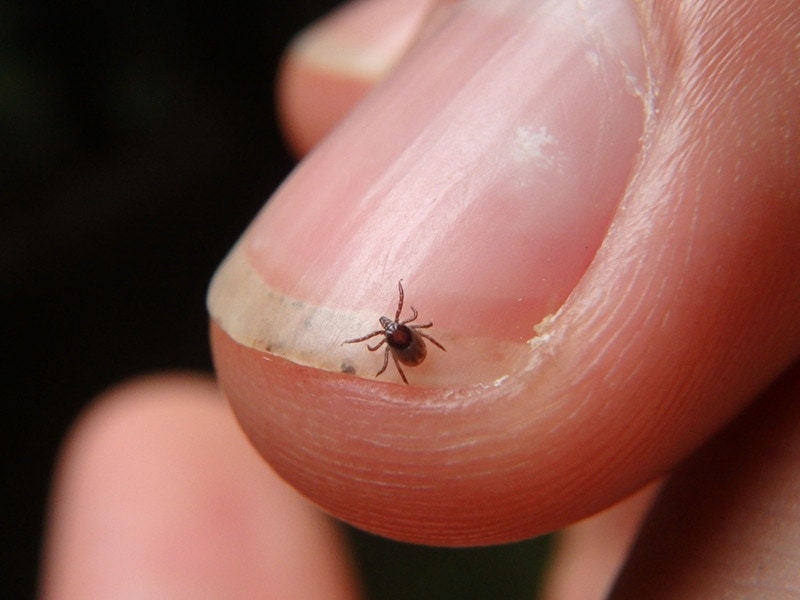
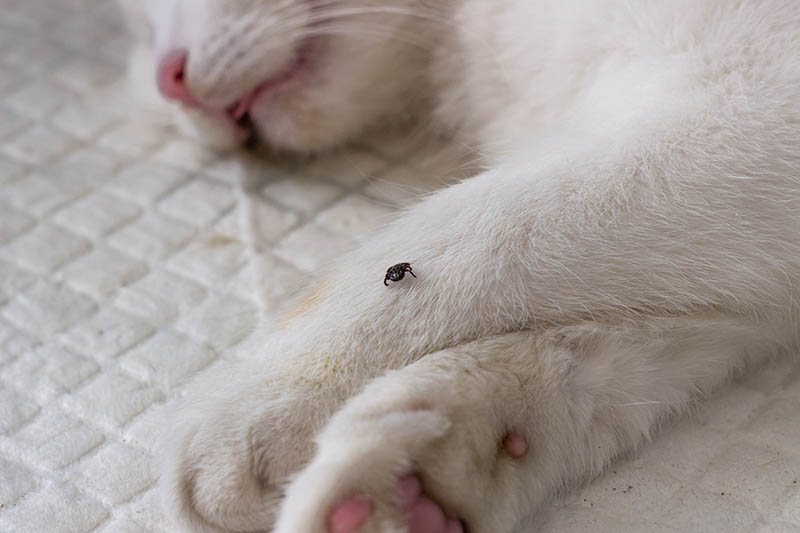
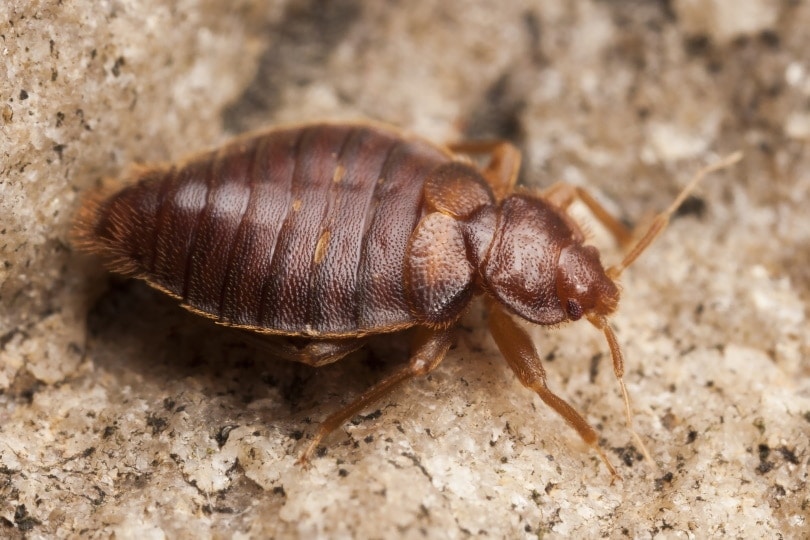
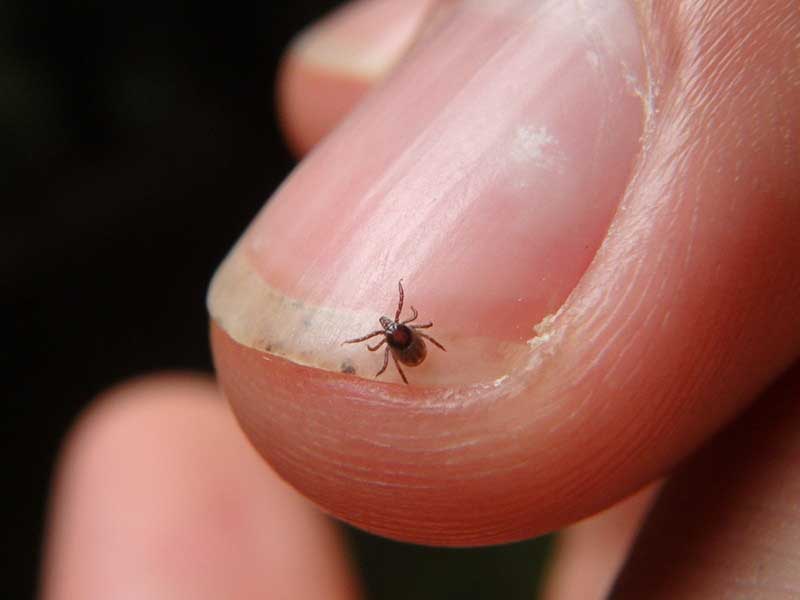
Bird mites are tiny, and they can be tough to detect. If bird mites have infiltrated your house, you might be bitten but can't see why. However, if you look closely enough, bird mites are usually completely visible to the naked eye.
They are incredibly small, measuring 1/32 of an inch. They are generally brown or gray but appear slightly darker after they have had something to eat. If you have had a nest of birds on your roof, in your gutters, or anywhere else in your home, they can infiltrate the premises if their food source has disappeared.
One of the most common features of bird mites is the presence of nesting or roosting birds near the home. At first glance, it can be extremely hard to tell them apart from any other mites. If you know that a nest has been abandoned, and then you start finding these small mites or being bitten, it might be a telltale sign that this type is the culprit.

Can Bird Mites Live on Cats?
As we have previously mentioned, bird mites will stay on the feathers and in the nests of birds as long as they can. However, if their hosts move on or die, the bird mites will leave to track down another food source.
Bird mites prefer moist, warm conditions near birds and nesting areas. They can travel very long distances to find a host.
It is easy for birds to end up on a host like a cat. But that doesn't mean it will be self-sustaining. Since they are, they generally only feed on avian blood. However, without a host and in desperation to reproduce, the bird might feast on another temporary host until it can establish another.
That means dogs and cats can carry them, as well as some other animals like mice and rats. However, these mites will typically die within 3 weeks without a bird host.

The 4 Ways to Get Rid of Bird Mites on Cats
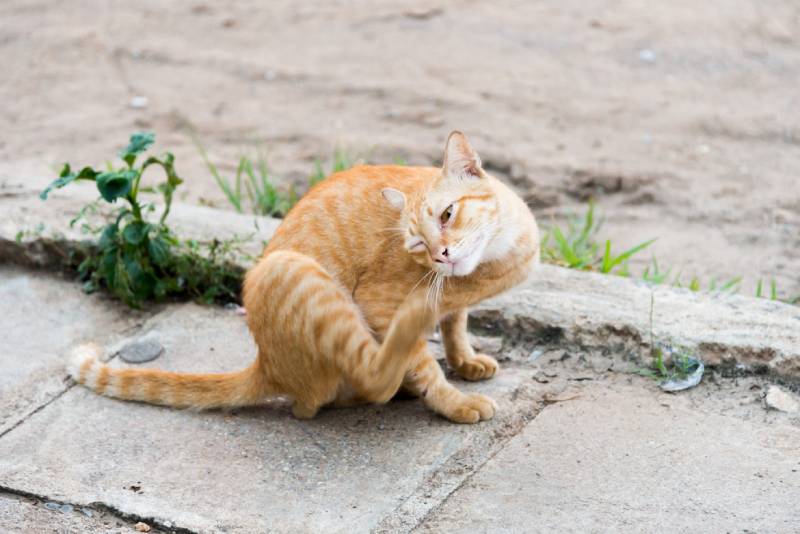
If your cat has carried in bird mites, it's probably because they were nosing around in bird territory. The little bit of mites that have come in with your cat might be problematic in your home for a few weeks. However, if you get ahead of the problem, you should be just fine.
Here are ways you can get rid of bird mites on your cat and in your home.
1. Visit Your Vet
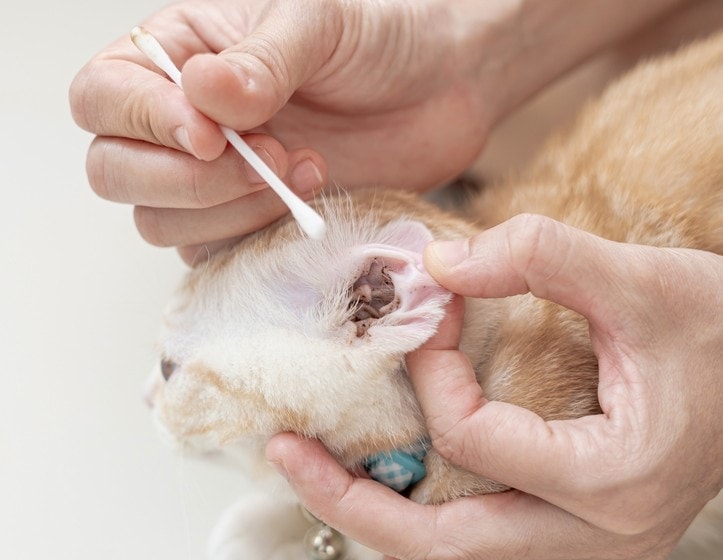
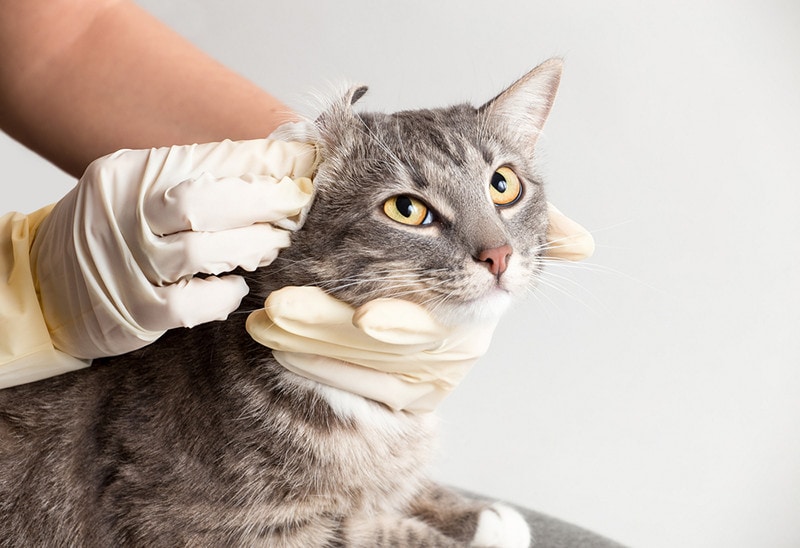
If you suspect that your cat has bird mites, the first thing you should do is visit your vet. Your vet can determine if they are indeed bird mites and can give you advice on how to eliminate them. They may recommend oral medication or medicated shampoos to treat your cat.
2. Get Rid of Any Birds Nests Nearby
Eliminating a bird mite problem also means eliminating the source. If you have any bird nests on your roof or around your home, make sure to discard them if they are not inhabited. This will reduce the risk of your pet being reinfected once you have pinpointed the problem.
3. Vacuum and Clean Areas Your Cat Has Been
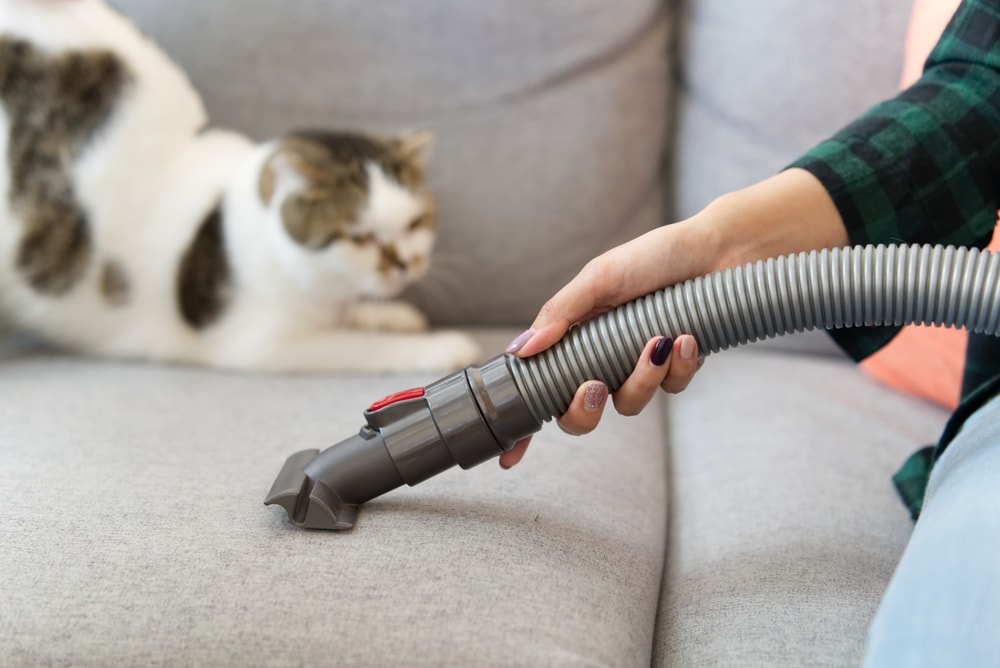
If your cat drug in bird mites, you must treat your carpets and clean all surfaces. This will lessen the chance of anyone else getting bitten and prevent any further transmission.
4. Don’t Let Your Cat Outdoors Until the Problem Resolves
Until you can figure out exactly where your cat picked up bird mites, keeping them indoors is best. Scour your yard and home to determine if there's a bird's nest around that you need to learn about.
Chances are, they ran into it by happenstance, and it will resolve independently. However, if there is a bird problem around your property, you'll want to know where it is and prevent your cat from making any further contact.
Bird Mites on Humans
Bird mites can bite humans if they don't have a bird host. Luckily, they generally don't carry any serious diseases. So, if you have a bird mite infestation in your home, they will certainly use you for a blood meal if need be.
However, bird mites can bite, and they will. These bites can be very itchy, depending on how your body reacts. You might notice bites on your body that are hard to explain. Very rarely, these mites can carry Lyme disease or salmonella. But this is incredibly unlikely.
Bird Mites in Homes
Bird mites can infiltrate your home, burrowing themselves into the fabric, carpet, and other nooks and crannies. Typically, these bugs will die off on their own without a bird host. The bird mite problem should be gone within 3 weeks with avid cleaning.
However, since the bites and the symptoms are so similar to bed bugs, you might want to have a professional come into the home to ensure you don't have a bigger problem on your hands.
Bird Mites Are Adapting
One particular poultry mite species is starting to develop a tolerance for non-avian hosts. This type of mite is the D. gallinae—which can survive on human and animal blood long enough to replenish its colony and find other bird hosts.

Conclusion
So now you know bird mites can't really live on your cat like a flea would. They simply feed off their blood out of desperation when they lose their original host. Your cat can come into contact with bird mites while they hunt or if they get into old nests or near chickens and other poultry.
Visit your vet, bathe your kitty, and clean your house accordingly. The problem should resolve itself within 3 weeks. If you are still experiencing the effects of bird mites after that, you should consult a professional for assistance.
Featured Image Credit: Suptar, Shutterstock
Get Hepper In Your Inbox


Pet care tips from our vets and experts, straight to your inbox.
You may opt-out at any time. View our Privacy Policy for more information.
Ashley Bates, a freelance writer with a passion for pets, is currently studying animal therapy. She is a mother to four children and 23 pets, both furry and feathery. Ashley actively volunteers at local shelters, advocates for animal welfare, and rescues animals in distress. Her mission is to promote awareness, education, and entertainment about pets to help prevent animal homelessness. She specializes in the care and well-being of dogs and cats.
Join the conversation
Ask a question, share your story, or send private feedback.