Hepper is reader-supported. When you buy via links on our site, we may earn an affiliate commission at no cost to you. Learn more.
Will Rubbing Alcohol Kill My Cat's Ear Mites? Vet-Approved Facts & FAQ


In this article
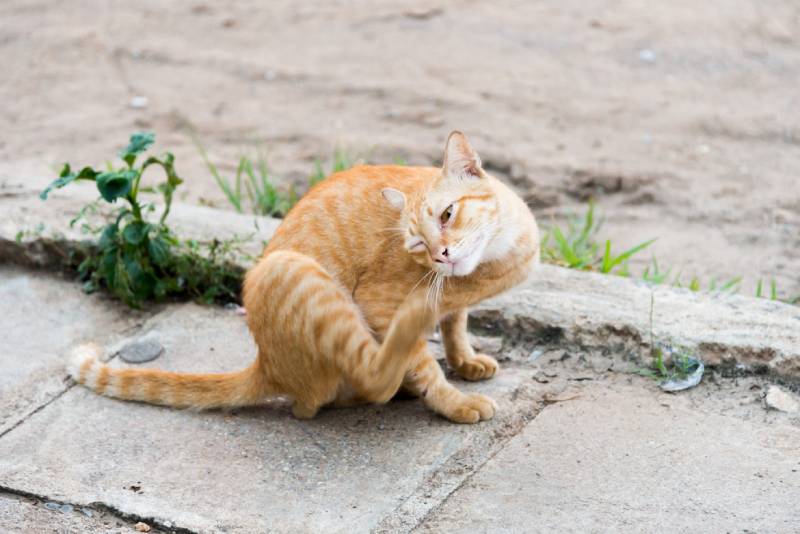
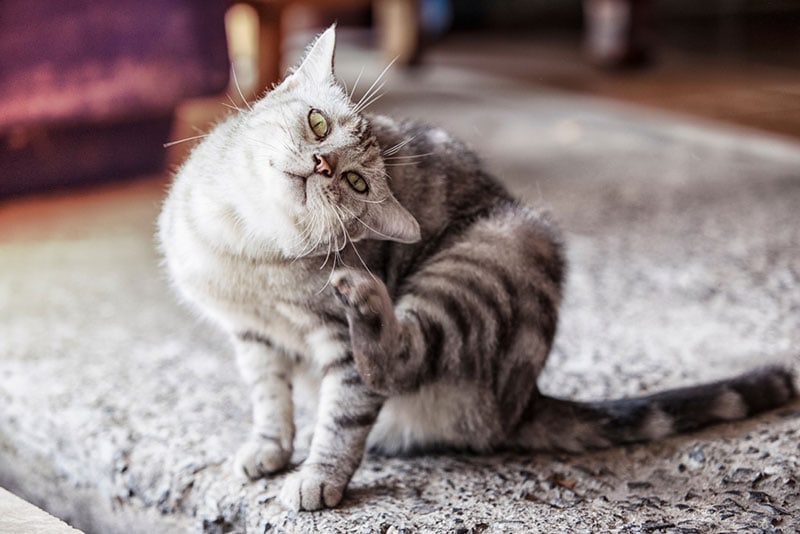
Ear mites are a common cause of feline ear problems. They're technically called Otodectes cynotis and are frequently found deep in cats' external ear canals. Ear mites are incredibly itchy, and cats often scratch their ears with their paws and shake their heads to try and get relief.
If you suspect your cat has ear mites, you may wonder if rubbing alcohol will take care of the problem. Unfortunately, rubbing alcohol won't help with your cat's ear mites and more importantly, it may harm their ears. Harsh products such as alcohol can be too much for the sensitive tissue inside cats' ears, particularly if they’re already inflamed, sore, and raw from scratching.

How Do Cats Catch Ear Mites?
Typically, pets catch ear mites by getting close to an animal with the parasites, transmission is possible between cats, dogs and ferrets. They spread easily in places where many cats end up together in close quarters, such as shelters and animal rescues.
Queens can give mites to kittens, and outdoor cats can pick them up from the environment, although ear mites can only live in the environment for a limited amount of time. Indoor cats can get mites if they spend lots of time around pets with access to the outdoors.
About 10% of cats will have a subclinical infestation meaning they don’t show any signs of having ear mites, but can then pass them on to other animals.1 Ear mites don't usually pose much of a problem to humans, but some people may develop a skin rash if they have close contact with an infested animal.
What Are the Signs of Ear Mite Infestations?
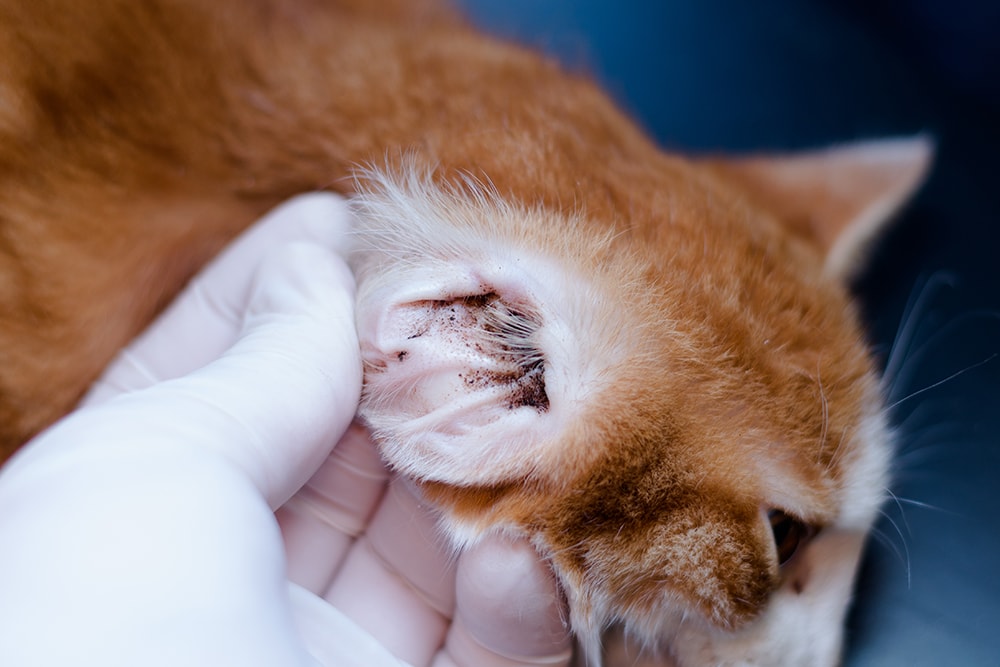
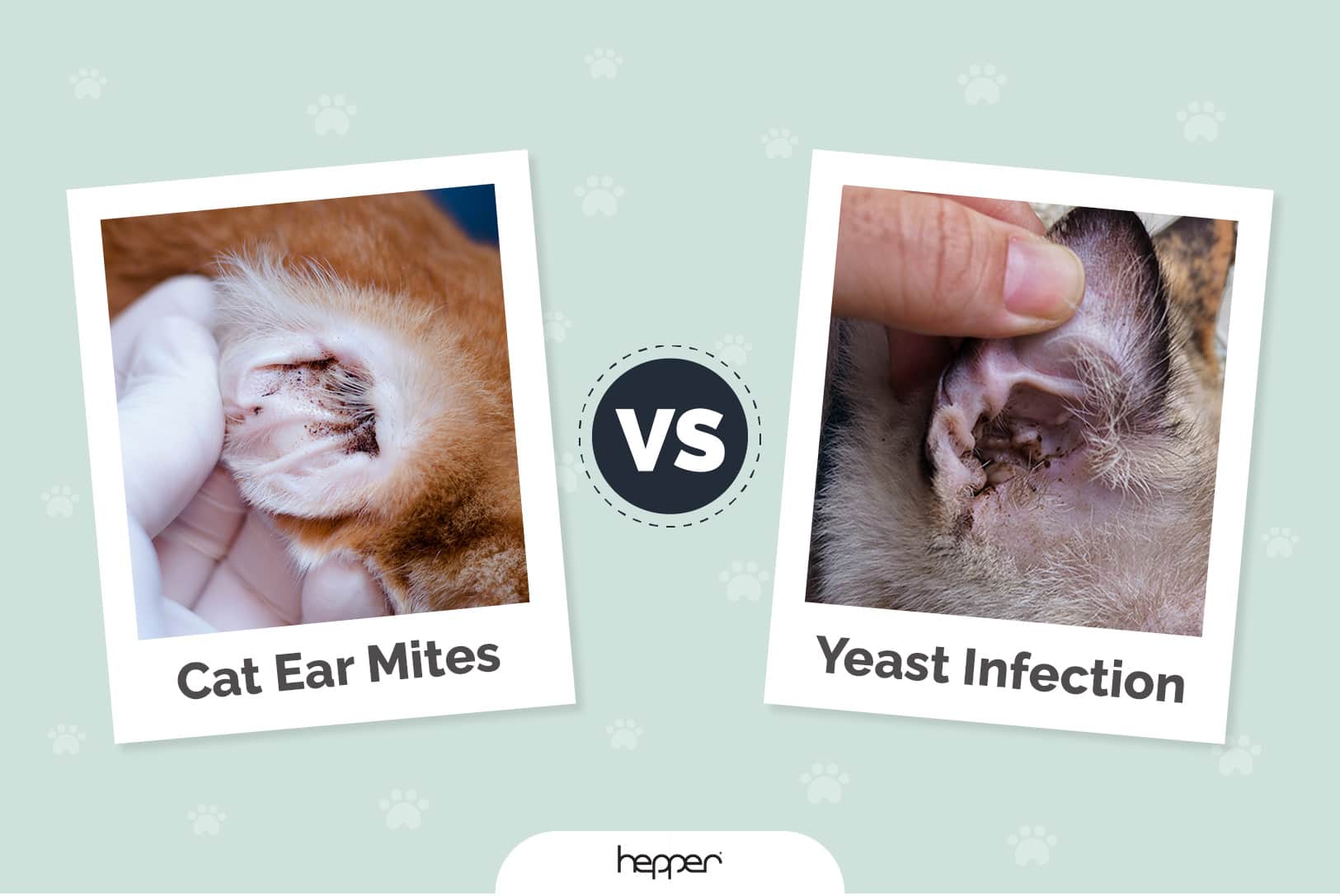
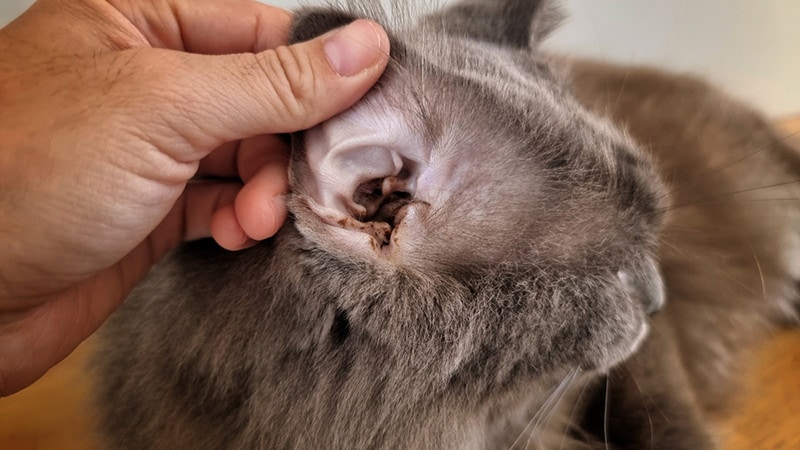
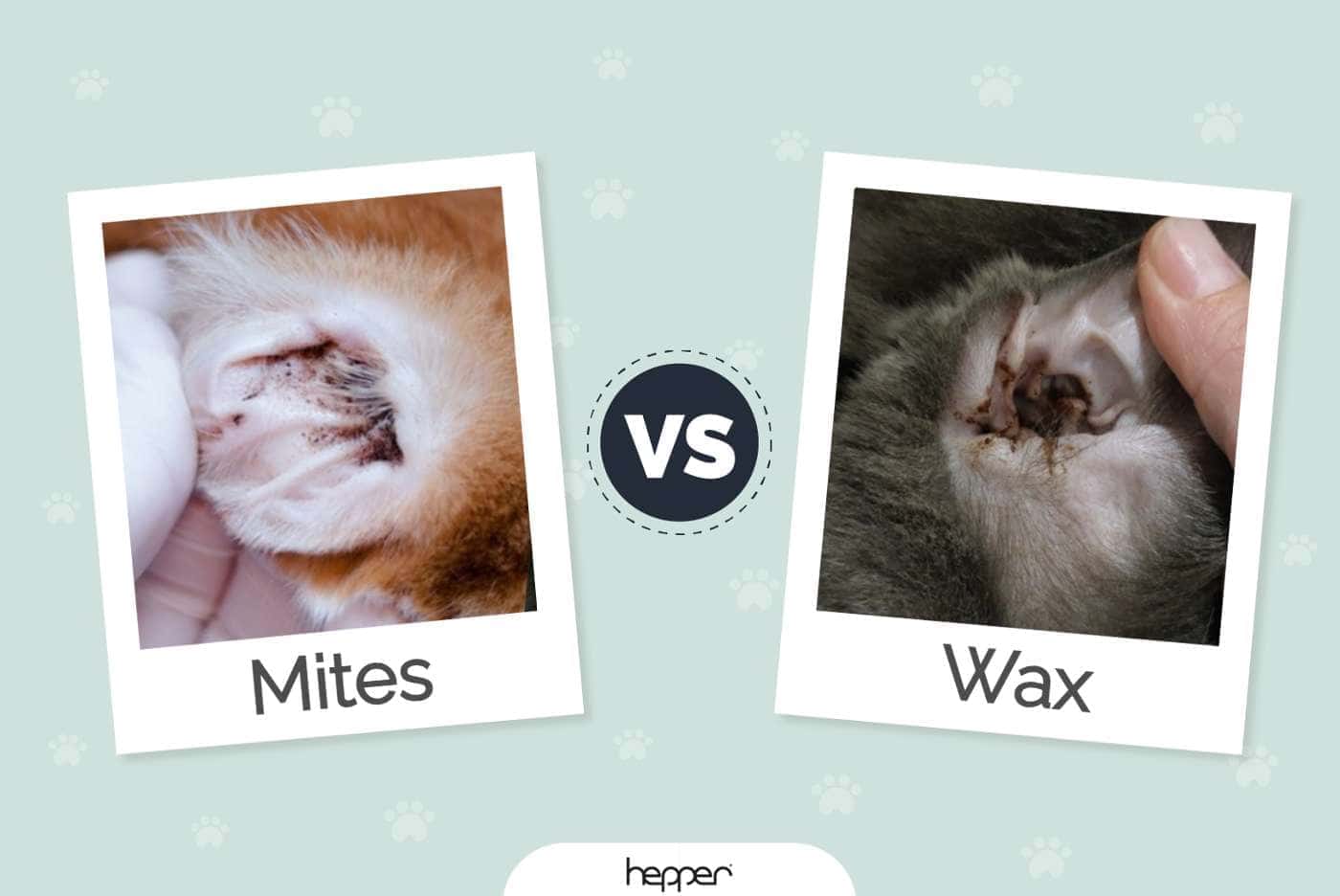
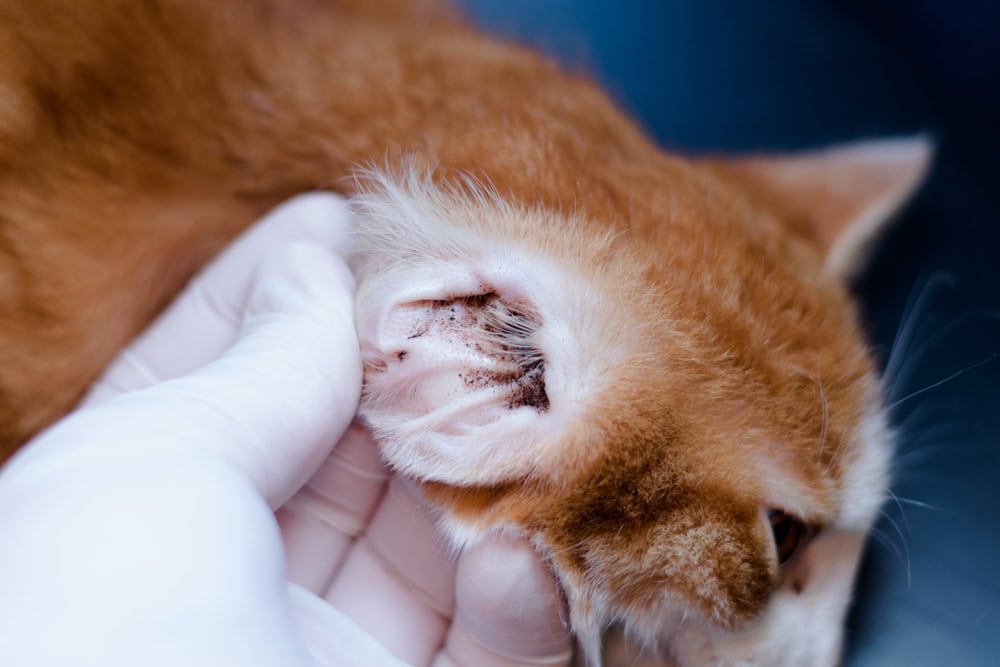
Ear scratching and head shaking are almost always the biggest tip-offs a cat may have trouble with their ears. A dark, dry discharge is sometimes present in their ear canals, which is often described as looking like coffee grounds. Occasionally mites move to other parts of the body and cause irritation.
How Are Ear Mites Treated?
Several safe and effective ear mite treatments are available and your vet will prescribe the correct treatment option for your pet. Ear mites are relatively easy to treat if the problem is caught early enough and there aren't many complications.
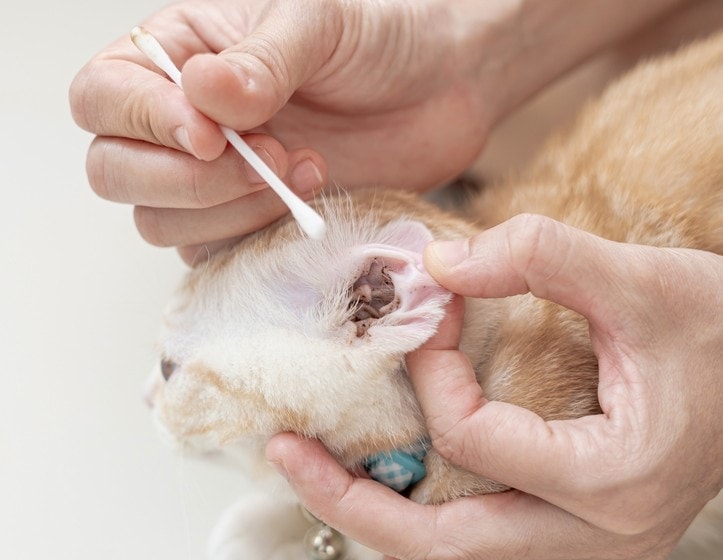
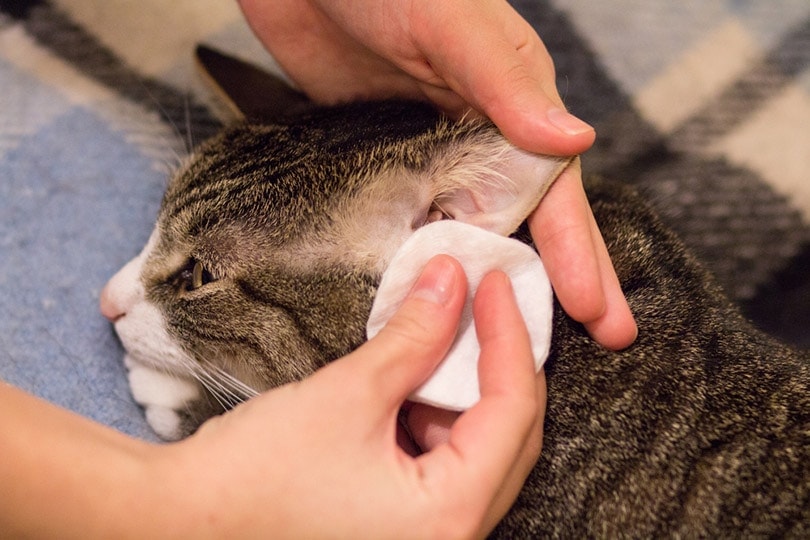
Prescription ear drops are often used to deal with the situation, and ear cleaning may be necessary. Treatment may also include topical or oral anti-parasite products which are effective against mites.
What About Other Home Remedies?
The problem with home remedies, such as hydrogen peroxide and vinegar, is that they're much too harsh, can make the condition worse, and are not effective. Cats can be very sensitive to topical treatments in their ears and are at increased risk of ototoxicity (inner ear damage). This can result in pain, hearing loss and even neurologic signs. It's also essential to use the proper technique when cleaning cats' ears to ensure they stay comfortable and their ear structures are protected.
FDA-approved products used under veterinary direction have the benefit of being scientifically proven to be safe and effective, which is critical given the consequences that can develop if ear mite infestations are allowed to progress unchecked.
What Kinds of Problems Can Untreated Ear Mite Infestations Cause?
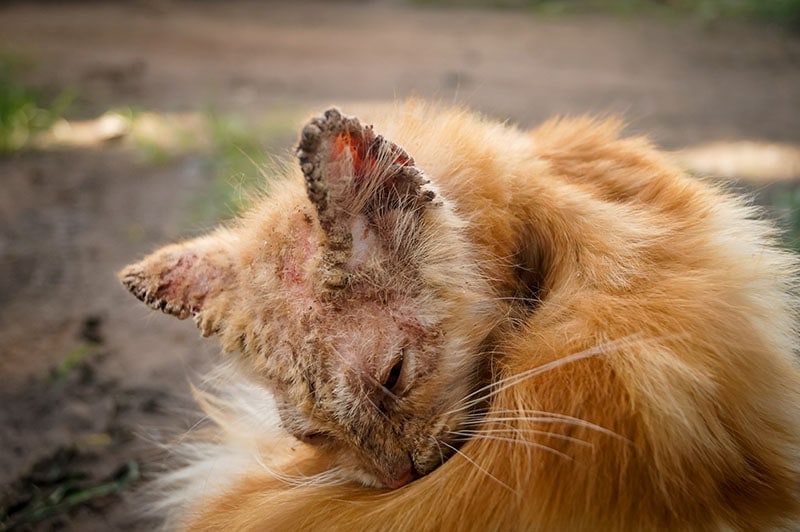
Untreated ear mite infestations will cause irritation and pain. Persistent scratching of the ears and shaking of the head causes damage to the skin of the pinnae (ear flaps) and sometimes face and neck. Swelling of the ear flap can also occur sometimes, called an aural hematoma. Ear infections may develop secondary to an untreated ear mite infestation.
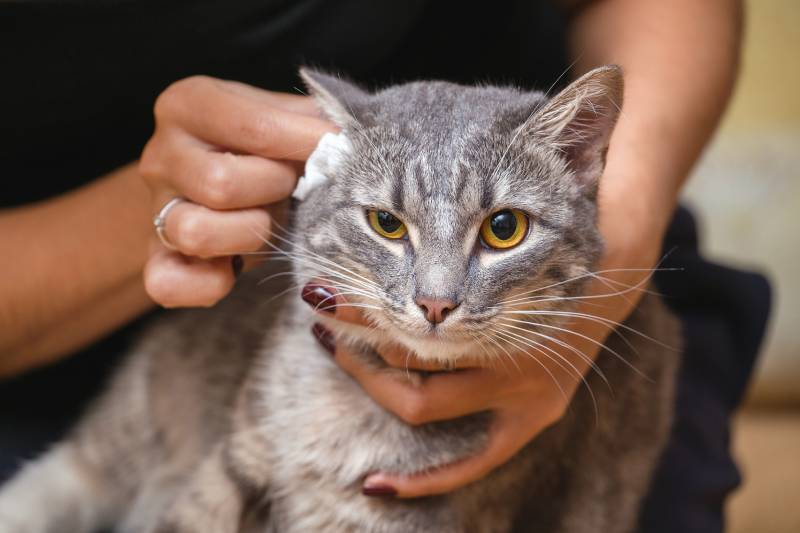
Secondary Infections
Secondary bacterial and yeast ear infections can occur when the normal balance inside the ear is disrupted by the ear mites. Bacteria and yeast take advantage of the damaged ear canal and replicate.
Other causes of secondary ear infections include allergies, polyps, foreign bodies (things stuck in the ear canal) and pemphigus foliaceus (an autoimmune skin condition). The take home message is that cats with recurrent ear infections usually have an underlying problem.
What Are the Signs of Bacterial and Yeast Ear Infections in Cats?
Cats have inner, middle, and outer ears. The eardrum separates the outer ear from the internal structures. Ear infections with bacteria or yeast most commonly affect the outer ear and signs include scratching, head shaking, and discharge sometimes accompanied by an unpleasant odor and pain Open sores and inflammation are sometimes seen as well.
If the infection and inflammation progresses to the middle and inner ear other signs may be seen. Cats with middle ear infections often tilt their heads to one side. If the cat's facial nerve becomes involved, the pupil on the impacted side may be smaller, or their third eyelid may protrude out a bit. Cats with inner ear infections often have trouble with balance and coordination. Some find it difficult to eat and chew. Very sick pets may become lethargic and lose interest in moving or interacting.
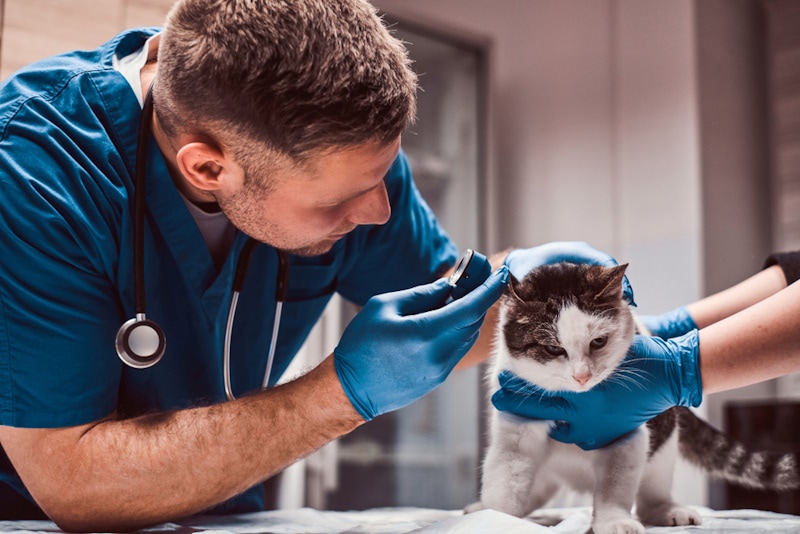
How Are Bacterial and Yeast Ear Infections in Cats Treated?
A bacterial or yeast ear infection will be suspected based on the signs your cat is showing and clinical examination. Samples are often taken to examine under the microscope, and sometimes swabs are sent to the lab for culture.
Infections of the outer ear are commonly treated with prescription ear drops which contain antibiotics and antifungals to target the infection, and anti-inflammatory ingredients ro reduce soreness and swelling. It is important to only use ear drops prescribed by your vet. Sometimes an ear cleaner will be needed and anti-inflammatory pain relief medication.
If the infection involves the middle or inner ear then antibiotic tablets may be needed.
The underlying cause of the infection will need to be investigated so it can be addressed.
Frequently Asked Questions (FAQ)
Do you need to treat all the animals in multi-pet homes if one has ear mites?
Yes. Because ear mites are so contagious, all animals should be treated for mites if one has the parasites. Some medications can reduce the chances of these infestations reoccurring, and your veterinarian can help you select a safe and effective product.
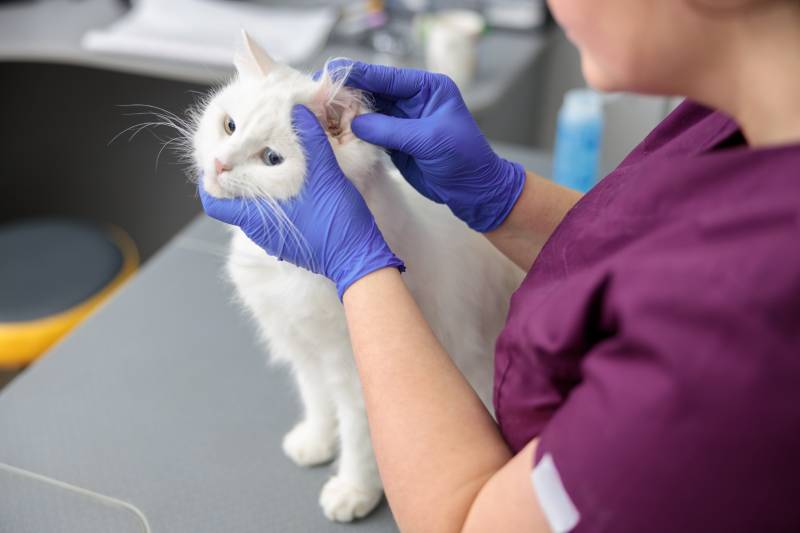
Do commercial anti-parasite products work to kill ear mites?
Some commercial anti-parasite products kill mites, but they should never be used without first consulting with a veterinarian to ensure you're using something that will address the issue and be safe for your cat.
Keep in mind that many parasite prevention products for dogs contain permethrin, a chemical that is toxic to cats in small amounts. Parasite prevention products for dogs should never be used on cats. Many commercial anti-parasite products aren’t approved for use in tiny kittens either.
What are the signs of permethrin poisoning?
Signs of permethrin poisoning include withdrawal or hyperactivity, stomach issues such as vomiting and diarrhea, tremors, twitching and seizures. Cats usually start showing signs relatively quickly after exposure. When left untreated, severe cases of permethrin poisoning can be fatal.
Contact your veterinarian immediately if you realize your cat has somehow been exposed to a canine parasite prevention product.
Final Thoughts
Ear mites are a relatively common problem in cats, especially kittens. The tiny parasites live deep in their ear canals and cause lots of itching, which can lead to inflammation and bacterial and yeast infections that can progress and cause middle and inner ear problems if left untreated.
Ear mites spread quickly between animals and are prevalent in cats housed in shelters, and kittens who snuggle close to each other. Ear mite infestations are usually relatively easy to diagnose with a physical exam, and treatment often involves anti-parasitic medication. Most cats do just fine after treatment, but they’ll benefit from regular parasite-prevention routines.
Sources
https://www.petmd.com/cat/conditions/infectious-parasitic/c_ct_ear_mites
https://vcahospitals.com/know-your-pet/ear-mites-otodectes-in-cats-and-dogs
https://www.petmd.com/cat/conditions/ears/cat-ear-infections
https://vcahospitals.com/know-your-pet/inner-ear-infection-otitis-interna-in-cats
https://todaysveterinarypractice.com/wp-content/uploads/sites/4/2021/06/TVP-2021-0708_EarMites.pdf
https://www.petmd.com/cat/conditions/poisoning/neurological/flea-and-tick-medicine-poisoning-cats
https://www.petmd.com/cat/conditions/poisoning/neurological/flea-and-tick-medicine-poisoning-cats
Featured Image Credit: Todorean-Gabriel, Shutterstock
Get Hepper In Your Inbox


Pet care tips from our vets and experts, straight to your inbox.
You may opt-out at any time. View our Privacy Policy for more information.
Lorre Luther a reformed lawyer from the United States, she moved to the Netherlands to follow her dream and become a writer. Currently living in Rotterdam, Lorre enjoys traveling and reveling in the astonishing beauty of our planet. As an animal lover, Lorre is convinced that cats are smarter than humans.
Join the conversation
Ask a question, share your story, or send private feedback.