Hepper is reader-supported. When you buy via links on our site, we may earn an affiliate commission at no cost to you. Learn more.
Can Humans Catch Ear Mites From Cats? Vet-Reviewed Facts


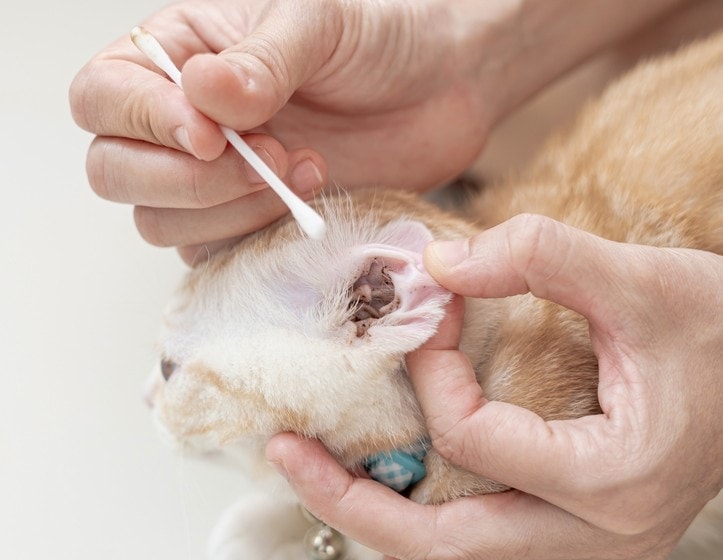
Ear mites (Otodectic mange) are a relatively common parasitic infection that can affect cats. They are caused by Otodectes cynotis mites. Despite what the name might suggest, these parasites can affect other areas of your pet’s body aside from their ears.
Generally speaking, ear mites aren’t considered a risk to humans who are healthy and practice good hygiene. In rare cases though, the mites may affect humans.
Read on to learn more about ear mites, including how to tell if your cat has them and what happens if a human does contract them.

How Do Cats Get Ear Mites?
Ear mites are very contagious, especially among kittens and outdoor cats. They aren’t species-specific, meaning your kitty can pick them up from dogs or other critters they encounter. The mites can be spread through direct contact or if your pet comes into contact with the parasites on a surface in their environment.
Signs Your Cat Has Ear Mites
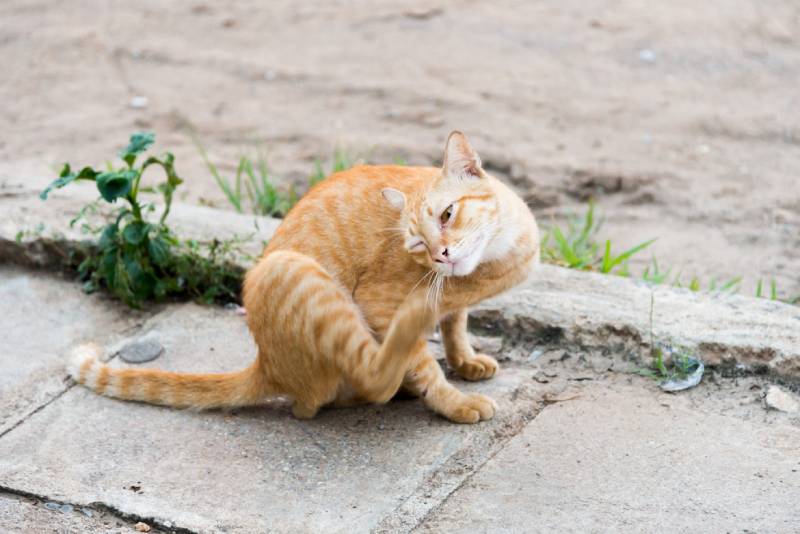
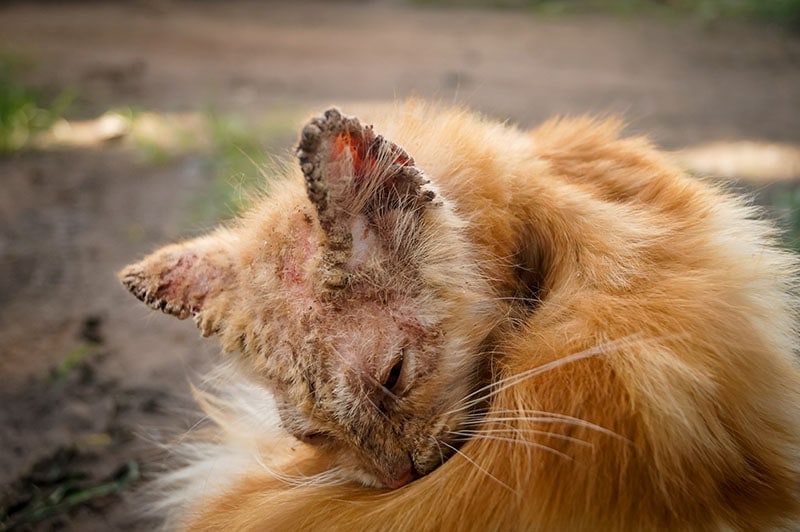
When your cat has an ear mite issue, you may notice the following signs.
Signs of Ear Mites in Cats:
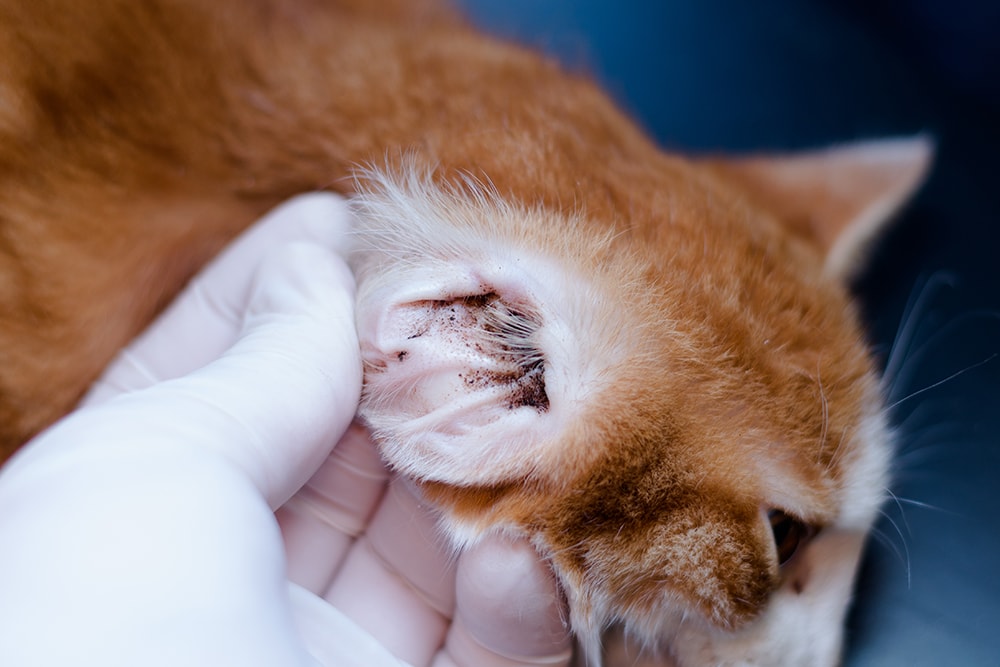
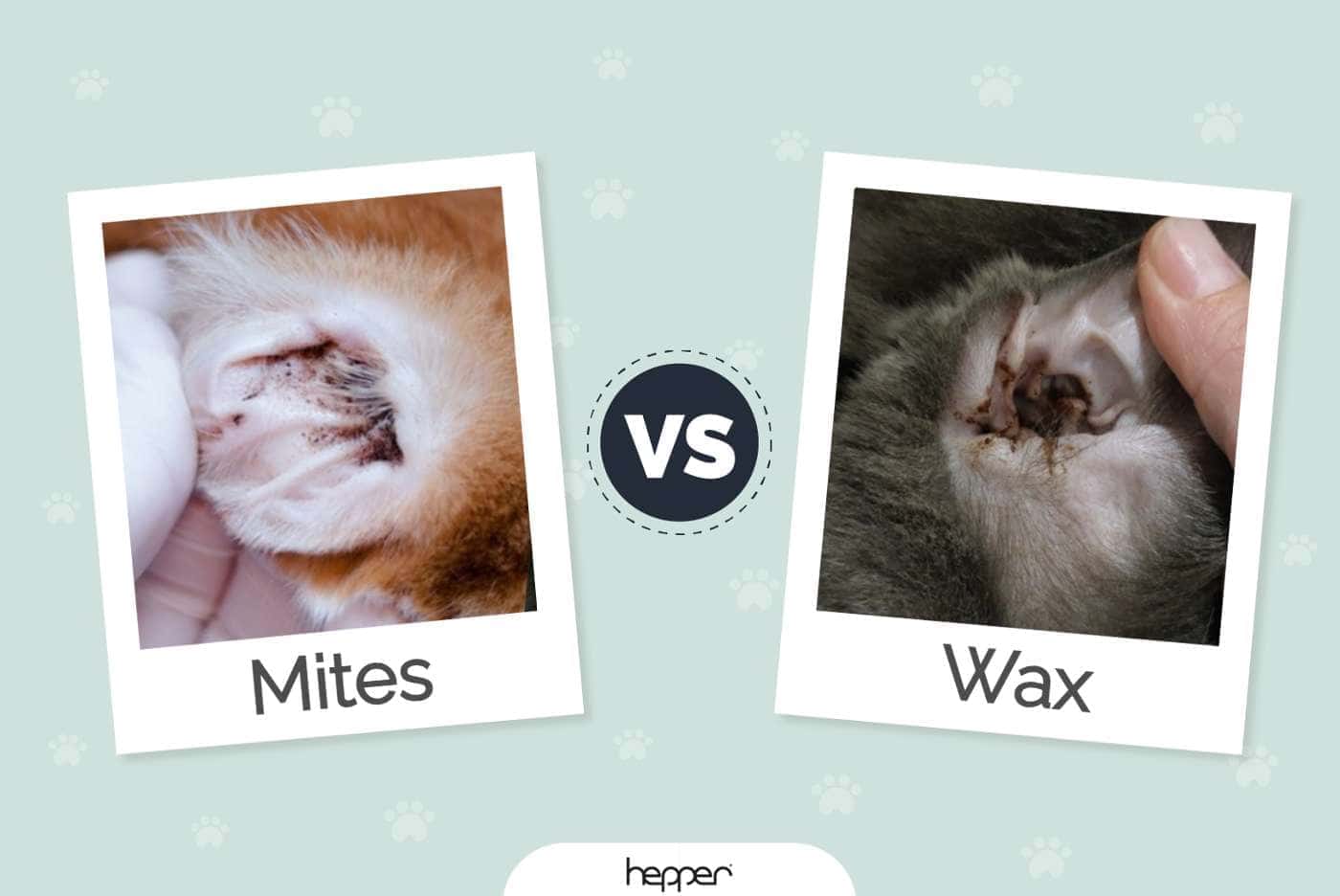
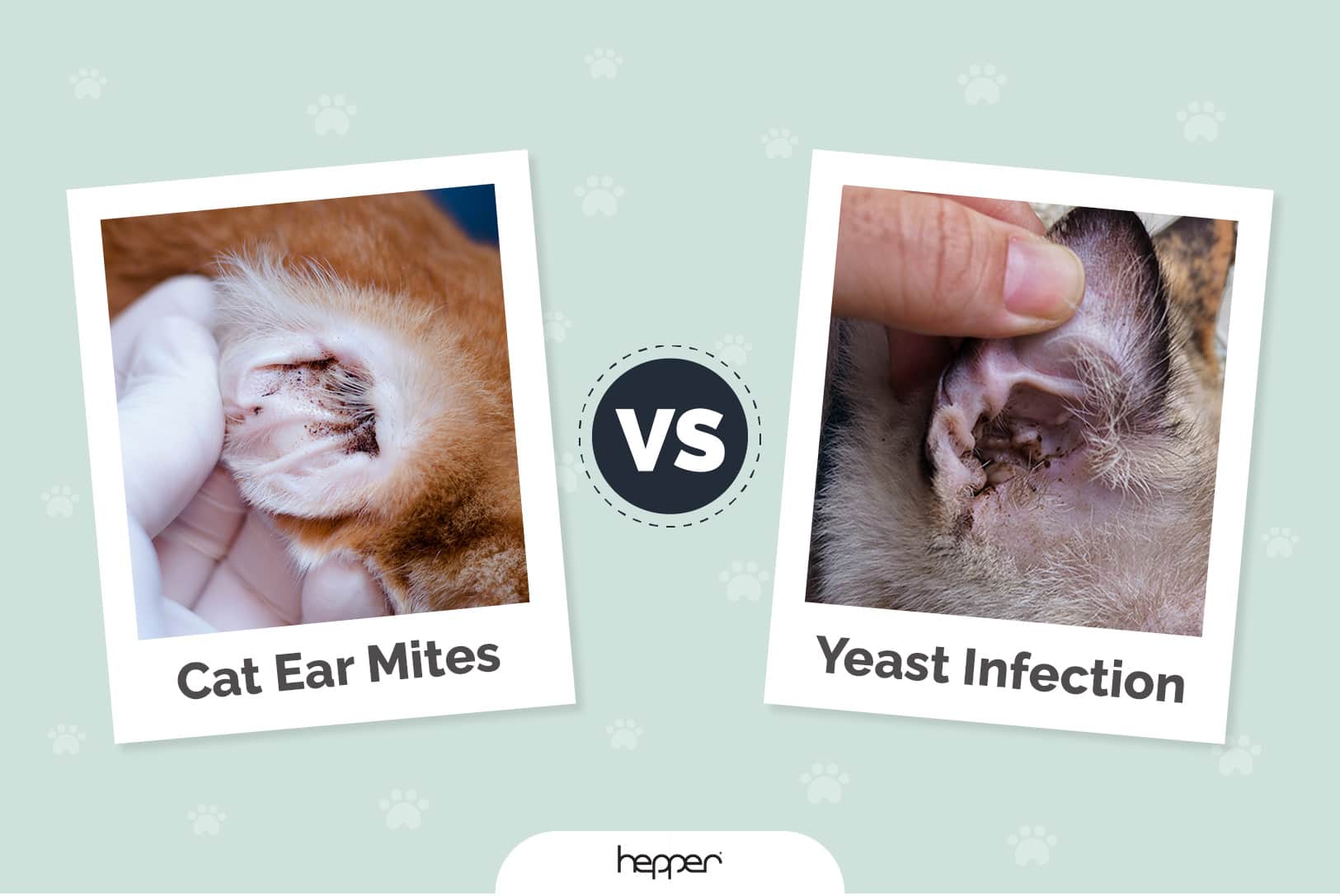
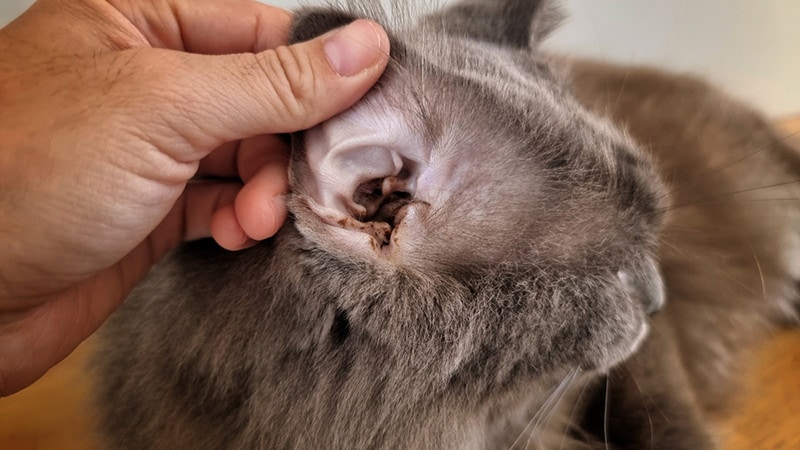
Ear mites present as black debris that’s similar to coffee grounds in appearance. This debris consists of the mites themselves, as well as their excrement, eggs, and blood. Although they can be seen with the naked eye, this is extremely difficult for an untrained individual to do because of their small size; adult ear mites are about as big as a grain of salt.
How Are Ear Mites Treated?

If you believe your kitty has ear mites, a visit to the vet is in order. Your vet will perform a thorough physical exam and check your cat’s ears as part of the diagnostic workup to determine if your kitty is suffering from ear mites. In most cases, cat ear mite issues are typically treated with cat-safe ear drops that your vet prescribes.
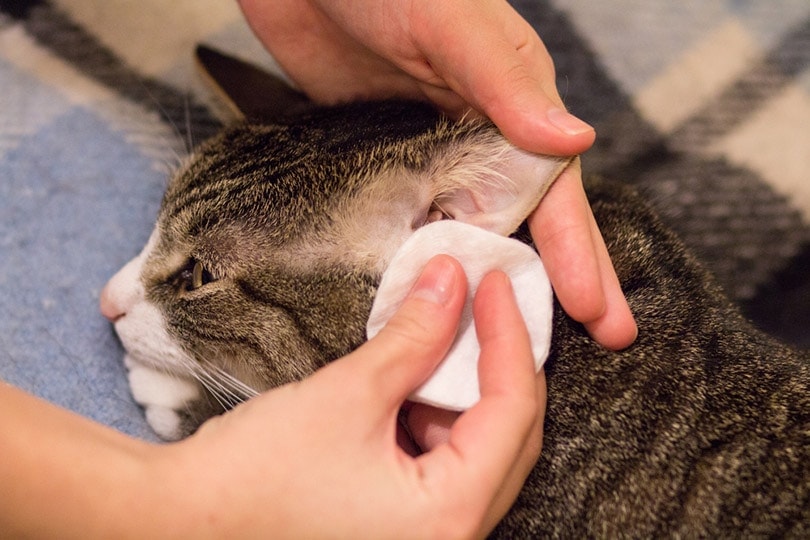
In addition, your vet may also do a thorough ear cleaning before the drops are administered. As part of the treatment process, you may be instructed to administer the ear drops at home. If you're not confident on how to do this, it is a great idea to ask your vet for a demonstration.
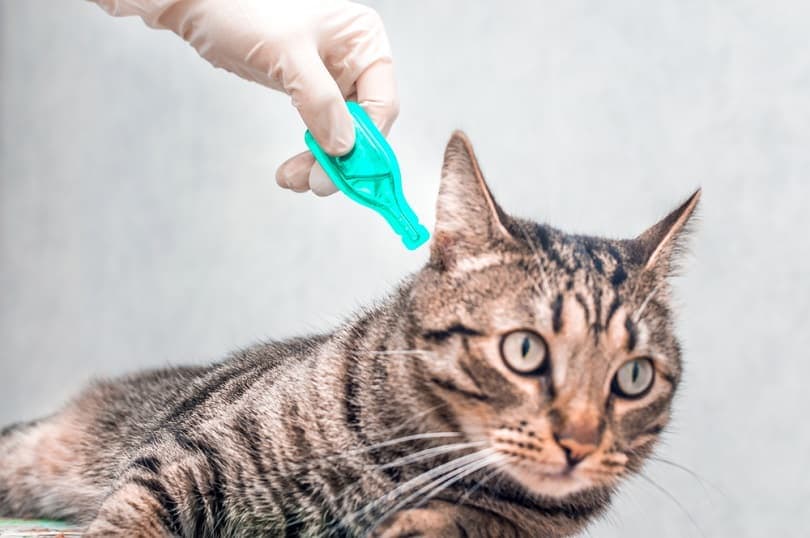
If your vet determines that the mites have moved to other areas of your kitty’s body, additional medication that’s useful against mites might also be prescribed or administered onto your cat. This might be in the form of a multi-purpose flea drop which is also effective against other parasites. Recovery usually takes anywhere between 10 to 21 days. It’s a good idea to have a follow up visit with your vet after the medication has run its course to ensure that the infestation has cleared up.
A very challenging aspect about mites is that they readily spread to other pets you may have, including other cats, dogs, rabbits, and even ferrets. Therefore, it is important to have all your pets inspected by your vet if you feel that any one of them has an ear mite problem.
Although it may seem tempting to administer mite coverage flea drops on all your pets, doing so without a vet's authorization is sometimes illegal (in certain jurisdictions). In addition, certain drops might be safe for one pet, such as a dog but extremely toxic for others, like your cat. Therefore, it is VERY important to NEVER self diagnose and medicate your pets without a veterinary consultation.
Furthermore, you should never use human OTC medicine or ears drops in an attempt to relieve your cat (or any other pets) from an ear mite issue, as this too can be very dangerous for your furry friends.
Can I Get Ear Mites from My Cats?
Ear mites can pass from your cat to other pets in your home, but humans aren’t the preferred host of these parasites. Therefore, the odds of this happening are very low. Generally, healthy people who practice good hygiene don’t have much to fear from cat ear mites. But, of course, that’s not to say there haven’t been cases of ear mite infestations in humans.
Close contact with your ear mite-harboring kitty can increase the likelihood of the parasites coming over to you. Individuals who are immune compromised have a higher chance of such infections. For such an individual, sharing a bed with their kitty is not the best idea if they have an ear mite problem. The mites can also live briefly on surfaces around the house, such as your bedding or furniture, and lie in wait for other pets to walk by.

What Are the Signs of Ear Mites in Humans?
The signs of ear mites in humans are somewhat similar to the signs that are seen in our feline friends. They are as follows:
Signs That You've Got Ear Mites:
If you’re experiencing any discomfort in your ears, you should obviously visit your doctor to have them check your ears thoroughly. Follow any referrals, medication prescriptions, instructions, and advice that your doctor gives you.
How to Prevent Ear Mite Infestations from Spreading
If your kitty has been diagnosed with ear mites, you’ll want to do everything you can to ensure you’re not contracting the mites and keep other pets in your home safe, too.
The most important thing to do is to follow directions for the treatment plan that your vet prescribes to your cat. As mentioned before, if you have multiple cats or other pets, such as dogs, they should all be examined by a vet anytime you suspect that one of them may have ear mites.
Keeping your cat’s environment clean and disinfected is key in controlling infestations and helping your cats recover faster. A bleach solution diluted at 1:32 (3%) concentration is effective at killing mites and their eggs that are present in the environment. Ensure you let the bleach stay in contact with your floors or the surfaces you are cleaning for at least 10 minutes. It is also very important to keep your pets and children away from the bleach solution until it has completely dried.
Deep cleaning and steaming carpets, upholstery, couches, and other furniture is also recommended.
Cats that roam have a much higher chance of catching mites as they roam outdoors and come in contact with other cats or animals. Generally, it is always better to keep your cats indoors as it not only lowers the risks of ear mites but other ailments and mishaps as well.
Conclusion
While it is rare for humans to contract ear mites from their pets, it’s not entirely unheard of. If your kitty has been diagnosed with these parasites, keeping your distance is best until they’re in the clear. Remember, mites can easily transfer from pet to pet. Keep an eye on the other animals in your home and have all of them examined by your vet, even if the others aren’t showing signs of ear mites.
Sources
Featured Image Credit: NONGASIMO, Shutterstock
Get Hepper In Your Inbox


Pet care tips from our vets and experts, straight to your inbox.
You may opt-out at any time. View our Privacy Policy for more information.
Nicole is a lover of animals of all sizes but is especially fascinated with the feline variety. She’s the proud mom of Baby, a Burmese, and works every day so he can relax in the sunshine or by the fire. She’s always had a cat in her home and has spent countless days with others, observing behaviors and softening up even the grouchiest of the lot. Nicole wants to share her kitty expertise with you so you and your cat can live happy, healthy, and care-free.
Join the conversation
Ask a question, share your story, or send private feedback.