Hepper is reader-supported. When you buy via links on our site, we may earn an affiliate commission at no cost to you. Learn more.
Can Cats Eat Birds? Vet-Approved Facts & Safety Guide


In this article
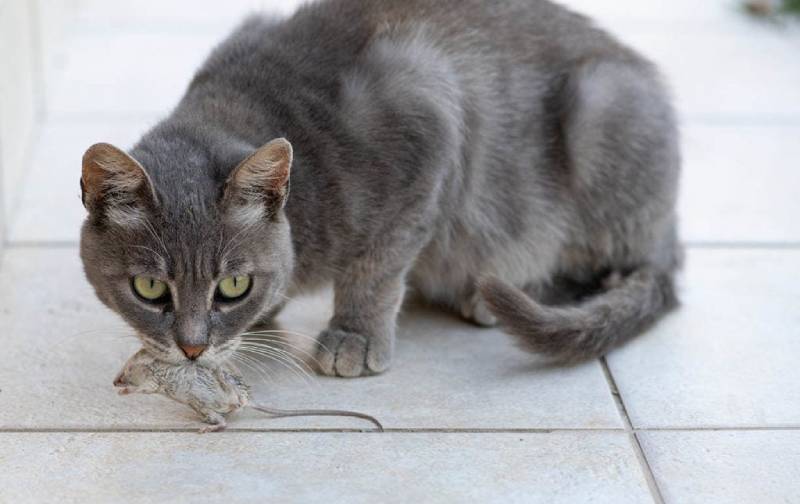
Many cat owners are fully aware of their cat's hunting abilities, which is evident in many of their daily behaviors. Cats are obligate carnivores with highly developed senses and agile bodies that make them expert hunters.
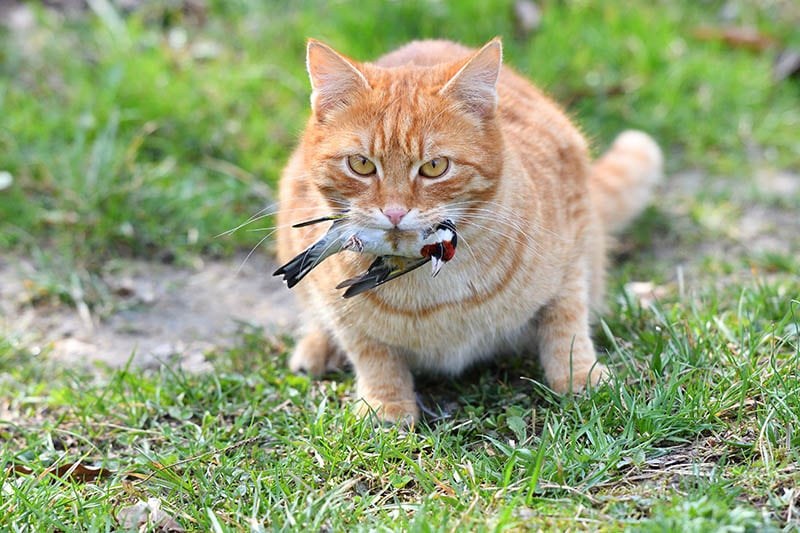
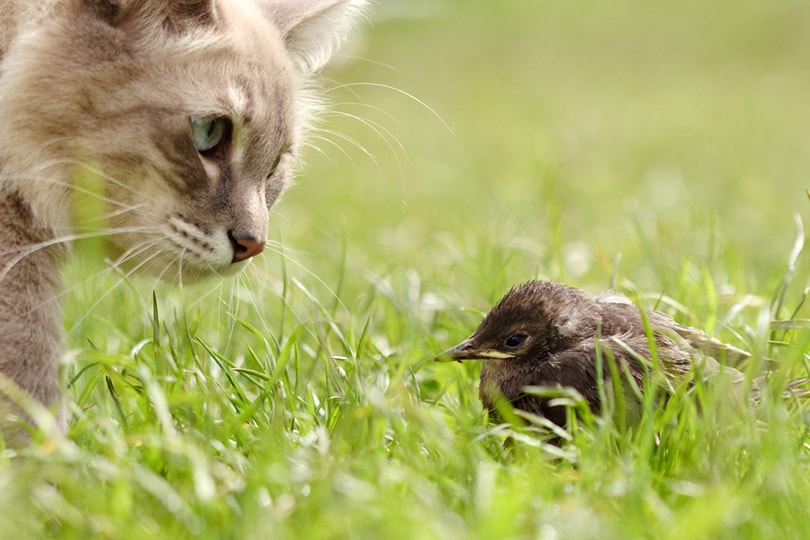
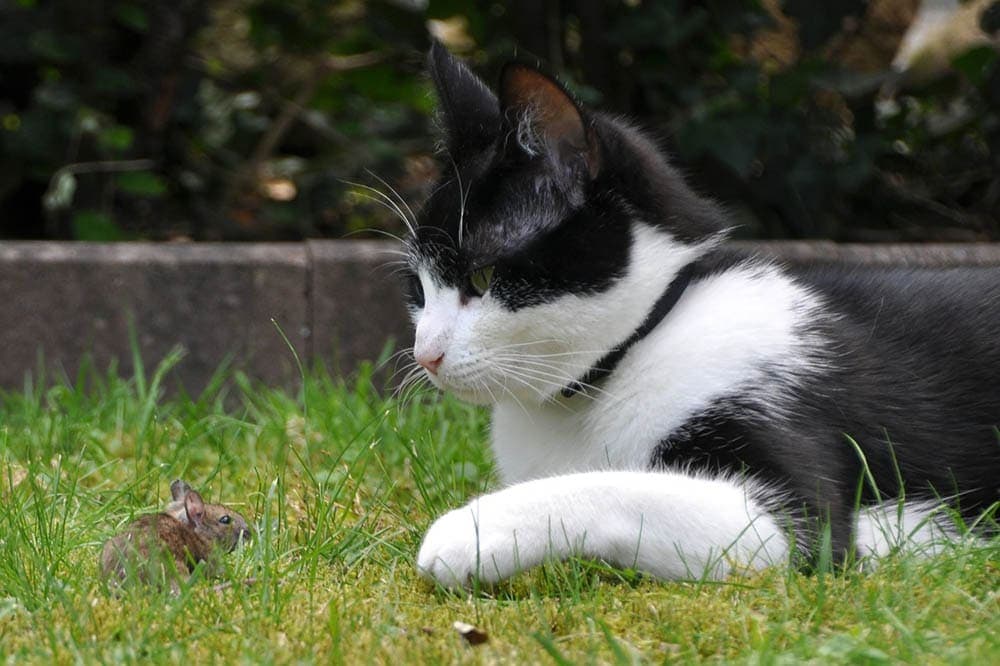
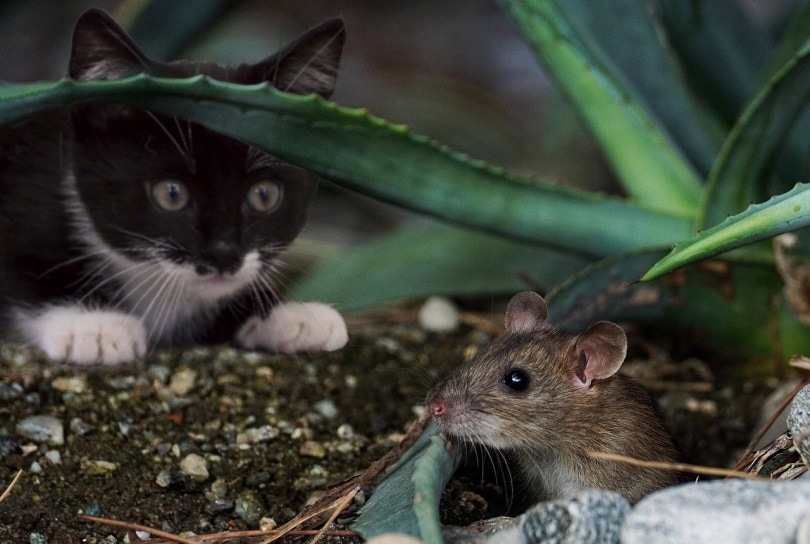
Even the most well-fed domesticated feline is bound to display their instincts and hunt for small prey animals. Aside from rodents, birds are one of the most popular prey for domesticated cats to hunt and eat. They usually stand no chance of survival once they have been spotted by a cat.
Most cats will attempt to eat the bird once they have caught it, but just because they can, doesn’t mean that they should. This article will explain why.

Is It Safe for Cats to Hunt and Eat Birds?
Cats are obligate carnivores and predators, so it is normal for cats to hunt and eat birds. However, bird-eating comes with a set of risks that make it an unsafe behavior for cats that should be discouraged. Therefore, cats should not be eating birds and owners should take the appropriate measures to prevent this behavior.
Born to Hunt
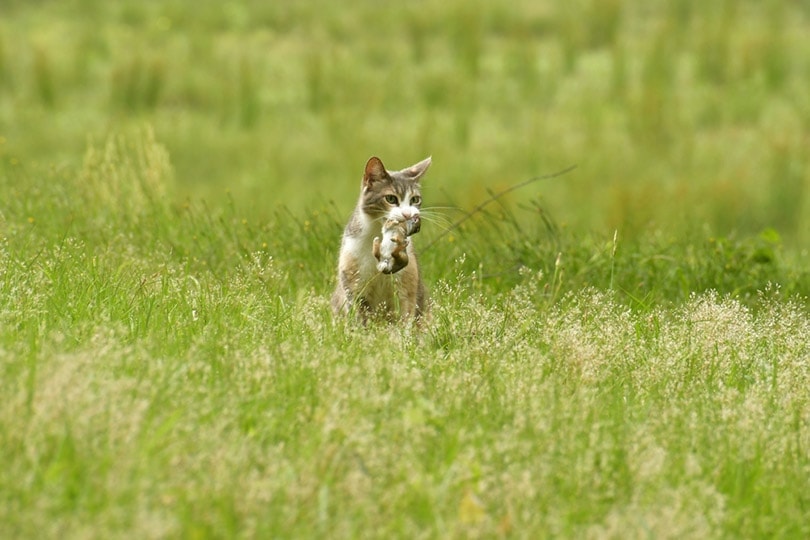
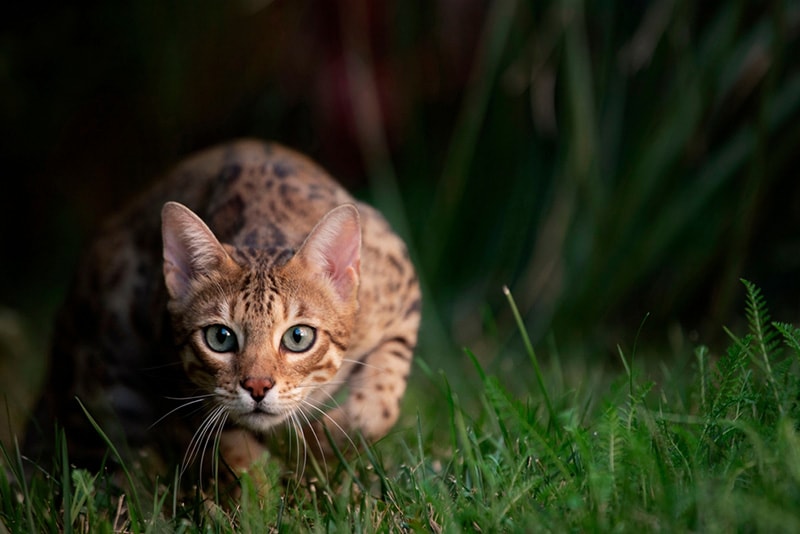
As natural predators, cats prey on small animals such as poultry, rodents, and certain reptiles. Cats are well-equipped for hunting with their heightened sense of smell, sight, and hearing. Their agile bodies are incredibly flexible giving them the ability to leap, stalk, and run to attack prey. Their instinct to hunt birds has been passed through generations.
Potential Risks and Effects on Wildlife
That hunting instinct doesn't diminish in domestic cat populations, which are recognized as a threat to wild birds and other local biodiversity. According to this study, cats kill around 1.4 to 3.7 billion birds per year in the United States alone1. Those numbers exclude the billion other birds killed by domestic cats around the world every year.
With such high mortality rates, wild bird populations and conservation efforts might be threatened by cats. Cats may also disrupt a bird's nesting or foraging sites, and reproduction, and affect their fledgling’s success.
Although hunting and eating birds is a normal behavior in cats, it is not a safe one. Birds may carry diseases and pathogens that can be dangerous for cats to ingest or contract. Avian tuberculosis, Toxoplasmosis gondii, Salmonella, and tapeworms are some of the many diseases and parasites cats are at risk of when eating birds. Most of those zoonotic diseases and parasites are not only transferable to your cat but to humans too. This means that you and your family's health may be at risk by letting your cat eat birds. Furthermore, the bones and feathers of birds are a choking hazard for cats.
How Can You Prevent Your Cat from Eating Birds?
Cat predation on bird wildlife is recognized as a problematic behavior because it puts a cat's health at risk while affecting wildlife populations. It can be quite difficult to control and prevent your cat from hunting and eating birds, especially if they are allowed to roam outdoors. However, free-roaming cats are associated with other risks such as injuries, deaths, or infectious diseases.
While most of us have limited control over feral cat populations and their behaviors, we do have some responsibility in controlling our own cats.
Try some of the following tips:
Frequently Asked Questions
Which Types of Birds Do Cats Eat?
Cats hunt and eat various birds, including swallows, finches, pigeons, bluejays, cardinals, and wrens.
Why Do Cats Eat Birds?
Not all cats who hunt eat birds. And not all cats that hunt birds will eat them. If they do, it is because cats are obligate carnivores that need to eat meat to survive. Cats require a protein-rich diet and specific amino acids such as taurine to keep healthy. Their desire to eat meat is what leads them to hunt birds, even if you feed them a proper diet.
Can Cats Get Sick from Eating Birds?
Yes, cats may contract several diseases and parasites by eating birds which puts you and your cat's health at risk. The bones and feathers from birds can be irritating to your cat’s digestive system, leading to vomiting, diarrhea, and reduced appetite.
Conclusion
Cats will often hunt and eat birds because it is in their genes to do so. They are predators, hunters, and obligate carnivores that need meat to survive. Birds are a popular food source for both feral and owned cats, but the risks associated with their consumption shouldn’t be ignored.
Cats should get most of their nutrients from a balanced, meat-based diet. Wild birds aren't a safe or beneficial food source for cats, despite being high in protein. Parasites such as toxoplasmosis or diseases like avian tuberculosis can be transferred to your cat when they eat birds. This bird-eating behavior should be discouraged by keeping your cat secure in your property and investing in bell collars to make hunting birds more challenging.
Sources
Featured Image Credit: Seregraff, Shutterstock
Get Hepper In Your Inbox


Pet care tips from our vets and experts, straight to your inbox.
You may opt-out at any time. View our Privacy Policy for more information.
Sarah is residing in South Africa with her partner and pets. She currently is interested in veterinary science and ichthyology, which she wants to study alongside her main passion: pet content writing. Sarah has over 60 fish including goldfish, tropicals, shrimp, and snails. She also keeps hamsters and a tarantula and wishes to provide quality content for readers and allow others to learn from her knowledge and experience. Sarah has much experience in all aspects of pet care, and providing the world with knowledge on ethical pet ownership is her lifelong dream.
Join the conversation
Ask a question, share your story, or send private feedback.