Hepper is reader-supported. When you buy via links on our site, we may earn an affiliate commission at no cost to you. Learn more.
Can Cats Eat Collard Greens? Vet-Verified Facts & Info


In this article
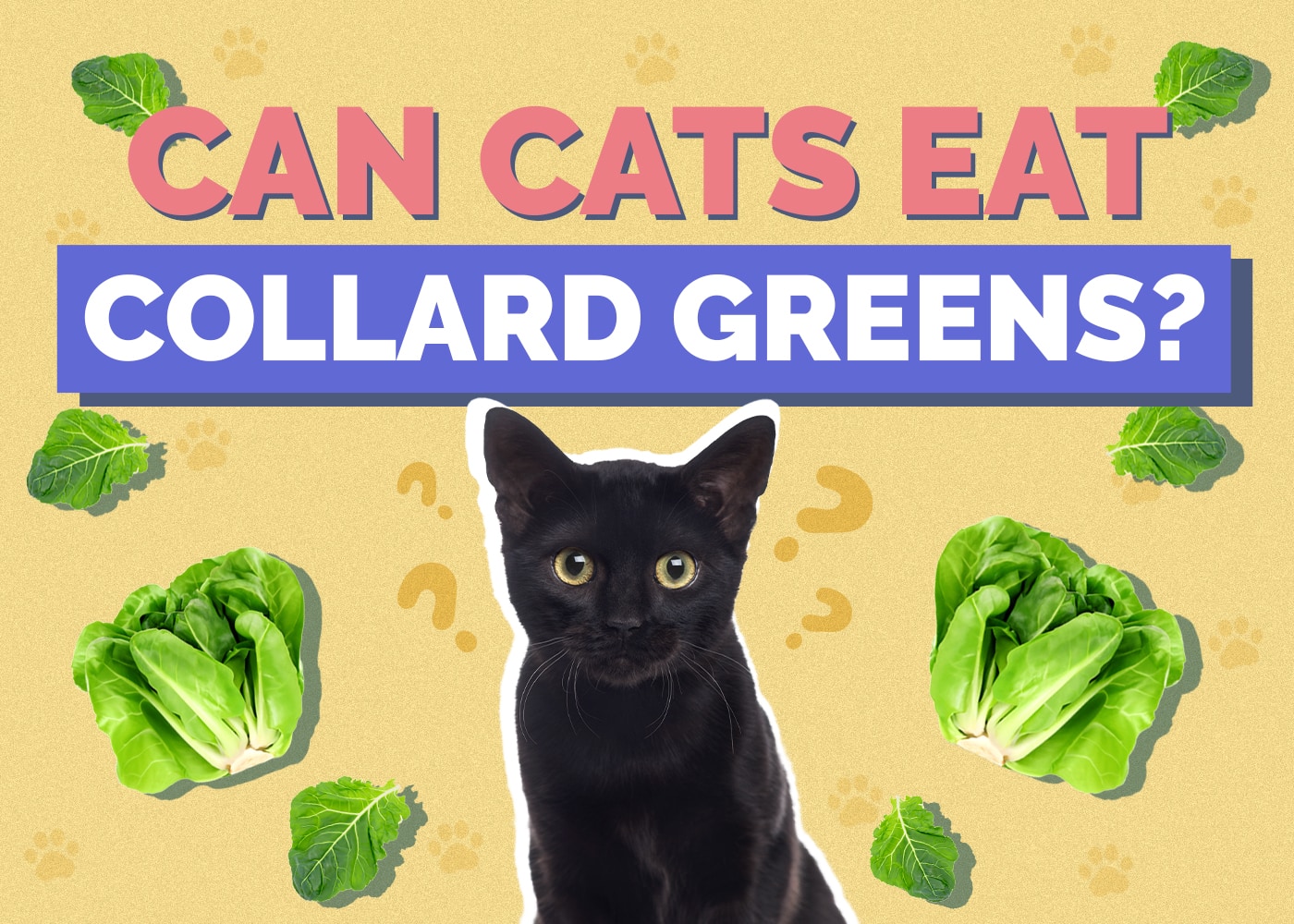
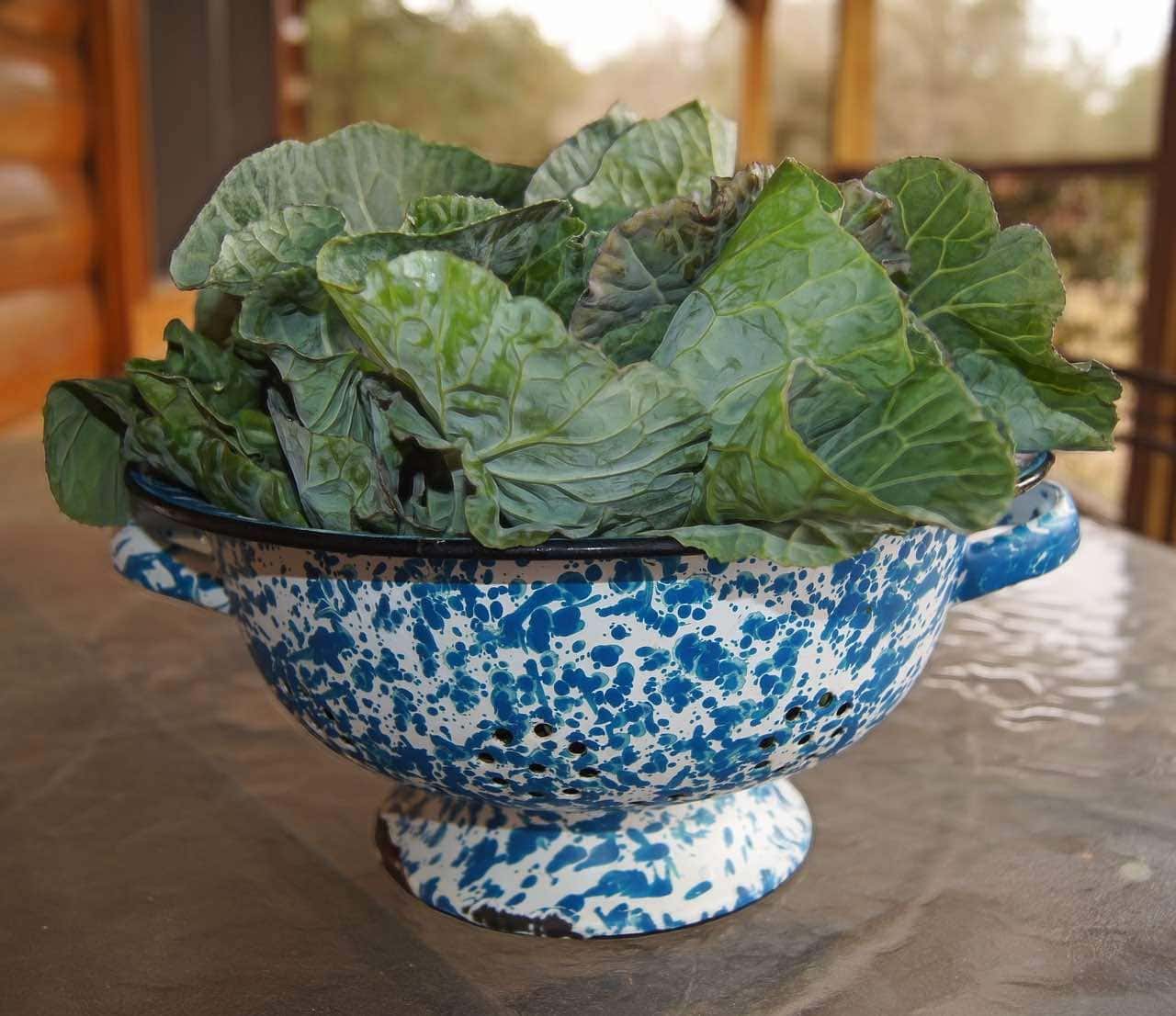
You may be interested in improving your cat’s diet and adding some healthy green vegetables to it or your cat may have just taken a bite of some off your plate. Collard greens are good for humans, but does the same apply to your cat?
Collard greens are usually not toxic or poisonous to cats, but an internet search will bring up articles suggesting there is a theory that they could cause a case of Heinz body anemia, especially if your cat is consuming them in large quantities. However, the benefits greatly outweigh the risks, and many cat owners have had no problems feeding collard greens to their cats as a supplemental food.

Can You Feed Collard Green to Cats?
Cats are primarily carnivores, which means that most of their nutrition should come from meat-based protein. So, even though collard greens do have a significant number of positive health benefits, they should not form a large portion of their diet.
Collard greens fall under the category of foods with large leafy parts, forming part of the cruciferous vegetable family. This includes kale, Bok choy, Brussels sprouts, cabbage, rutabaga, and turnips. These vegetables do not naturally form a staple part of a cat's diet and should therefore be fed in small quantities.
You can give your cat collard greens as a small treat in moderation. In terms of the health benefits collard greens have to offer your cat, they are high in vitamins A, C, and K, and rich in iron and magnesium which provides your cat with valuable nutrients. Furthermore, collard greens are also high in fiber which can help improve your cat’s digestive system.
What Is the Heinz Body Theory?
It has been theorized (but not proven) that feeding collard greens to a cat can bring about an illness known as Heinz body anemia. This is a condition that causes the red blood cells to stop working properly. The red blood cells are destroyed, and it is known that cats eating certain foods such as onions, garlic, and other allium species can suffer from this condition as a result. Cruciferous or Brassica plant species such as kale do cause Heinz body anemia in ruminants (e.g., cattle, sheep). However, we have not been able to source papers showing that collard greens are toxic to cats.
Signs of Heinz body anemia include:
If your cat has a history or is currently suffering from conditions such as hyperthyroidism or diabetes, then it is best to not feed your cat collard greens as these conditions can increase their chances of acquiring Heinz body anemia already.
How to Prepare Collard Greens for Cats
If you do decide to feed collard greens to your cat, it is better to feed the leaves rather than the actual stem. The stems are tough and fibrous, making it more difficult for your cat to eat and posing a choking hazard.
The leaves should be steamed for 30 seconds to help soften them, and you can also chop up the leaves in finer pieces so that it is easier for your cat to eat. If you plan to feed the stem part, then you should boil or steam it for up to 5 minutes and mush or cut them up to make it easier for your cat to chew.
If you are feeding other greens like Brussels sprouts, then they should be boiled or steamed and fed in pieces that have been chopped up. If you feed your cat broccoli, then the entire vegetable should be fully soft and mushed before feeding to help prevent your cat from choking.
Avoid feeding your cat raw collard greens, as they may cause your cat to suffer from an upset stomach. Raw collard greens are more difficult to digest and for cats to chew.
Some cats may refuse to eat some varieties of green collards, such as kale and cabbage, as the leafy texture does not appeal to them. If you want to introduce collard greens into your cat's diet, then it is best to mix them with your cat's main diet first.
Final Thoughts
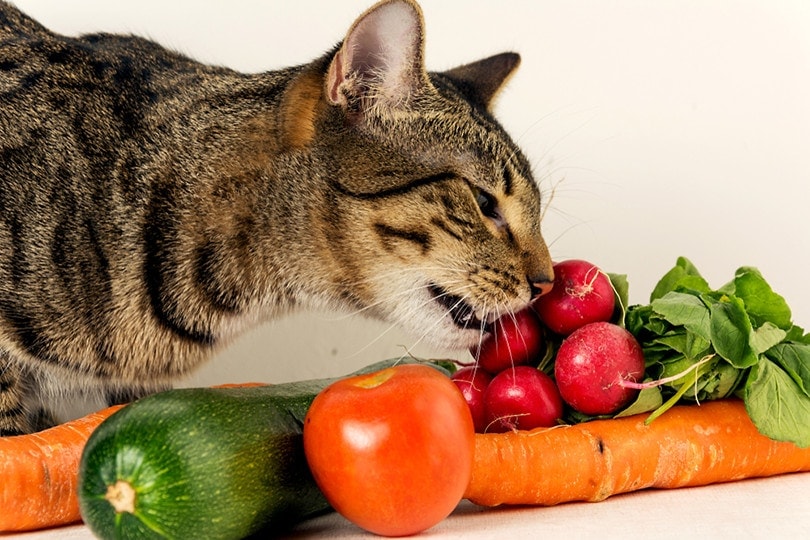
It is safe to feed your cat collard greens occasionally, but you should avoid offering your cat too much collard greens. Some cats will not enjoy the taste of collard greens, but other cats will gladly eat them if they are mixed with other types of meaty foods to entice them. If your cat does happen to like collard greens, then you can feed them without having to feed them alongside other types of foods. Your cat will then have a source of vitamins and minerals in the form of a healthy, occasional snack.
Related Reads:
Featured Image Credit: Brent Hofacker, Shutterstock
Get Hepper In Your Inbox


Pet care tips from our vets and experts, straight to your inbox.
You may opt-out at any time. View our Privacy Policy for more information.
Oliver (Ollie) Jones is a zoologist turned freelance animal writer living in South Australia with his partner Alex and their mini zoo consisting of many aquatic creatures, dog Pepper, and of course, cat Steve. Ollie is originally from the USA and holds a Master's degree in wildlife biology. He hopes to share his feline knowledge and expertise with people so they can share in his passion and help their cats live their best lives.
Join the conversation
Ask a question, share your story, or send private feedback.