Hepper is reader-supported. When you buy via links on our site, we may earn an affiliate commission at no cost to you. Learn more.
How to Tell If Your Cat Has Separation Anxiety: Vet-Verified Signs, Causes & Treatment


In this article
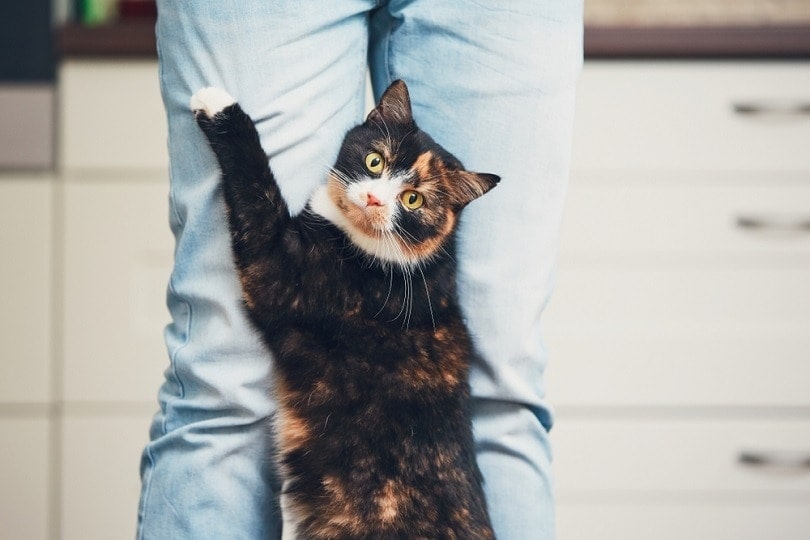
Cats are considered to be independent creatures, so it’s hard to believe that they might suffer from separation anxiety. Cats are actually quite social and form strong bonds with their owners. They are also creatures of habit that don’t like change that much. If you’ve had changes in your daily routine or work schedule that take you away from home more often, your cat might feel like they’ve been abandoned. While you’re away, kitty anxiety can kick into overdrive.

Do Cats Get Separation Anxiety?
Yes, cats get separation anxiety. It doesn’t get as much attention as it does in dogs because cats aren’t as destructive when they’re anxious. However, dogs don’t have exclusive rights to the condition. Cats can be every bit as attached to their owners and families as dogs. They can also become depressed and lonely.
Since cats aren’t as destructive as dogs are, feline separation anxiety often goes unnoticed until it’s severe. While many think that cats don’t require much attention, this simply isn’t true. Cats need playtime, attention, and regular stimulation from their environment to stay happy and healthy.
Common Signs of Anxiety in Cats
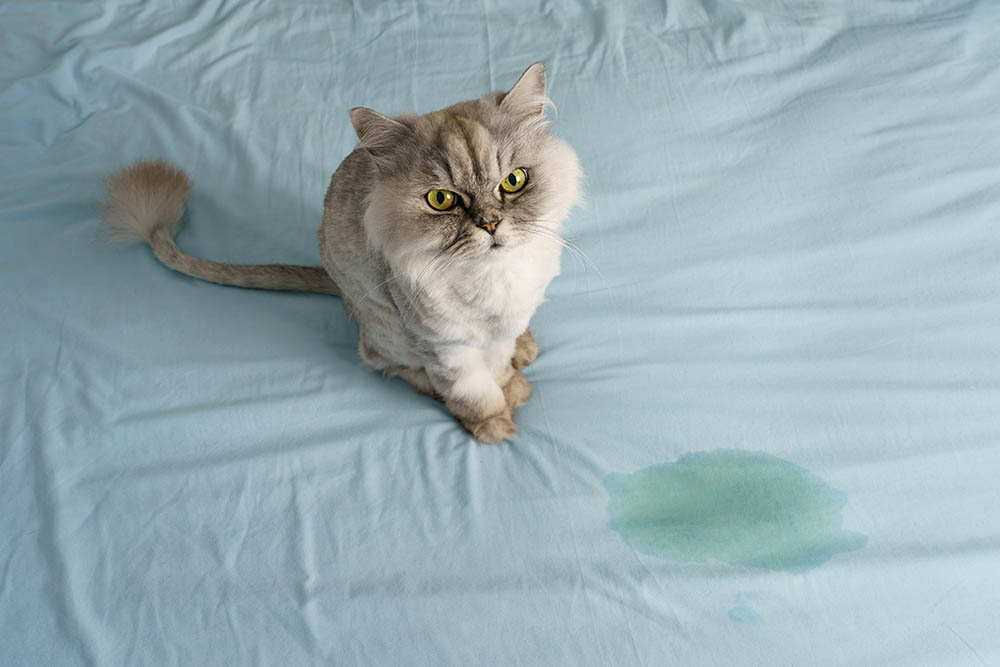
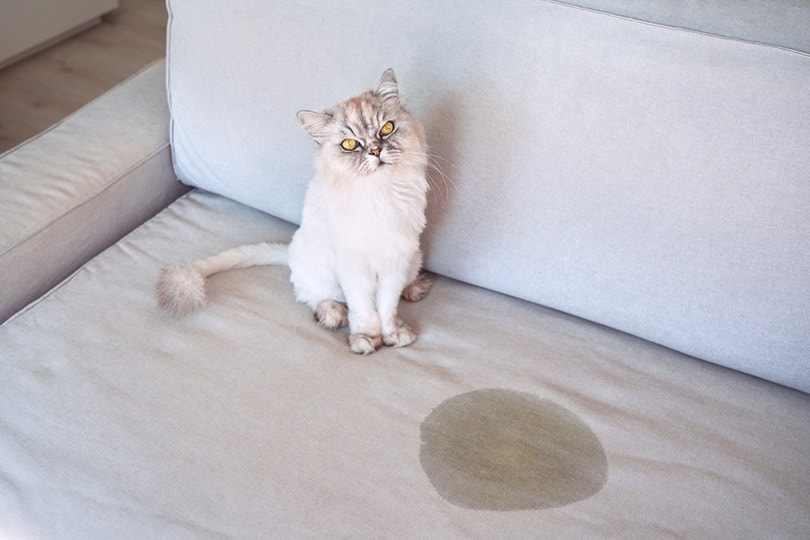
Cats can develop behavioral problems when they form dysfunctional bonds with their human family. If you find that your cat pees on your bed or on the floor while you’re away from home, for example, don’t assume that they’re doing it out of spite. It may be a method of self-soothing.
While cats don’t tend to trash the house while you’re gone, they may knock things over and scratch furniture or doors.
Signs of Feline Anxiety:
The 4 Causes of Feline Separation Anxiety
There are several different causes for feline separation anxiety. They can be genetic, due to health issues, or caused by the cat’s environment.
1. Early weaning
Being weaned prematurely from their mother and siblings can predispose cats to develop separation anxiety. Kittens generally shouldn’t be separated from their mothers until they are at least 8 weeks old. Sometimes, circumstances dictate this early weaning, whether because of human negligence or a kitten becoming orphaned. In these situations, socialization between 3 and 9 weeks of age can play a huge role in promoting healthy development.
2. Genetics
Genetics can play a role in feline anxiety and depression. High-strung cats, along with Burmese and Siamese breeds, seem to be more prone to developing separation anxiety than others. There’s nothing that you can do to change your cat’s genetic makeup, but you can offset their predisposition by ensuring that they receive enough mental stimulation and exercise.
3. Lack of stimuli or changes in routine
Cats that lack playtime and attention tend to get overly attached to their owners. Sudden changes in their daily routines, like a move, a death, the birth of a baby, the addition of another pet, or a change in your work schedule, can also cause anxiety. Even changing to Daylight Savings Time can impact their mood!
Cats are also good at reading our moods and emotions. If you are anxious about things, your cat might get anxious too.
4. Health issues
Consider whether your cat’s anxiety may be caused by a health condition. Your vet will know what to check for based on their symptoms. Common causes include hyperthyroidism, urinary tract infections, intestinal diseases, skin conditions, allergies, pain or parasites.
The 4 Treatment Options for Feline Anxiety
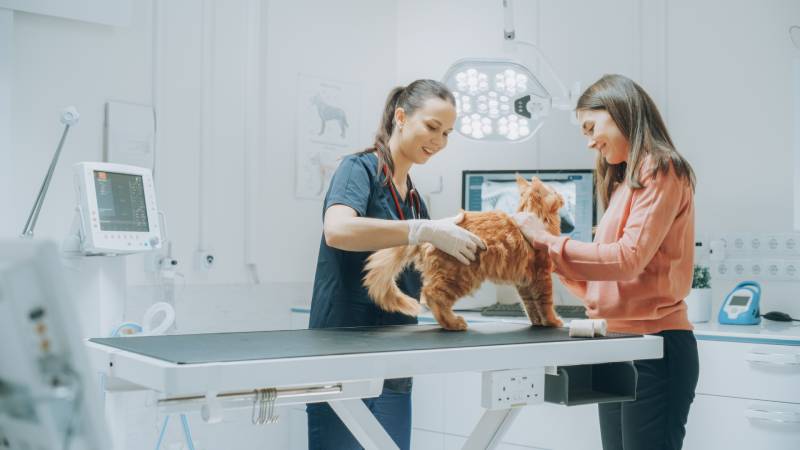
If your cat has been diagnosed with separation anxiety, your vet can recommend the best course of treatment. Treating anxiety in cats often involves behavior modification and environmental changes; severe cases may require medication. Usually, you will start with behavior modification first to see if it works.
1. Ensure adequate playtime
The first thing to do for an anxious cat is to ensure that they are getting two to three active play sessions every day. This will satisfy their instinctive play drive, give them attention from you, and ensure that they are getting daily exercise. Praise your cat for playing alone or with other pets. Use treats, attention, and praise to make it stick. It’s important not to encourage attention-seeking behavior like meowing or clinginess.
See also: Making Biscuits: Why Do Cats Knead?
2. Provide a stimulating and safe environment
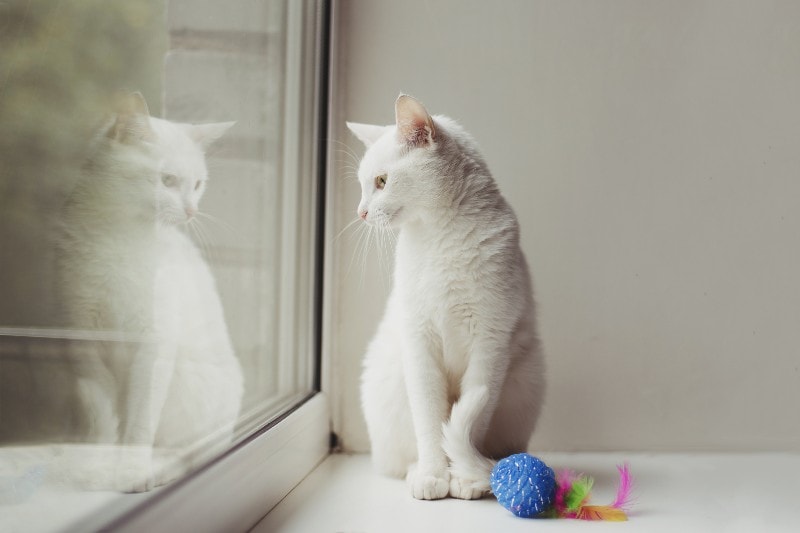
Cat trees and vertical scratching posts give your cat a safe place to hang out. If the cat tree can be placed so your cat can see out the window, that’s even better. Installing a bird feeder outside the window can give your cat something to watch for entertainment.
Scratching posts redirect scratching behavior to appropriate places, and keep your cat from scratching up the house. Placing the posts in different areas of the house where your cat likes to hide will allow them to self-soothe without wrecking things.
If you are away from home for long periods of time, consider getting a puzzle feeder or hiding treats around the house to activate your cat’s natural hunting skills. Cat pheromone diffusers like Feliway are also useful environmental additions to help reduce separation anxiety.
Pet parents with anxious kitties know the pain of watching their companions be uncomfortable—that’s where the Hepper Nest Bed comes in. Our product is designed with nervous pets in mind. The bowl shape with high rounded sides comforts your cat to make them feel safe and secure, while the self-warming, sherpa fleece insert and flexible molded foam ensure that they stay as cozy as possible. Learn more about how the Next can calm your anxious pet here.

- COMFY KITTY - Your cat or kitten will have an amazingly deep sleep in this self warming, nesting cat bed. The warm, fluffy cat bed lining provides calming stress relief for cats of all ages.
- PRETTY HOME - This round cat bed has a modern and unique design that’s perfect for a sleek indoor look. We don’t think of it as cat furniture but think of the Cat Nest as a “cat home”.
- SPACE SAVER - Reclaim your desk, window sill, or couch from kitten encroachment. This calming nest cat bed has an elevated, space-saving hideout so comfortable your kitty can't resist!
3. Counterconditioning
If your cat becomes anxious during certain events, you can try to change their response. For example, if your cat exhibits symptoms of anxiety when you get your keys, try picking up your keys and then tossing her a treat. Over time, your cat will associate your keys with a positive experience (a treat) instead of worrying about you leaving the house.
4. When Medication Is Necessary
Your vet will decide when your cat’s anxiety is serious enough to warrant the use of anti-anxiety medication. Each cat is different, and drugs don’t come without side effects, so this decision shouldn’t be taken lightly. Sometimes, however, medications are needed for your cat's overall well-being.
Several different drugs are used for anxiety in cats, including short and long-acting medications. Short-acting medication is given before the anxiety-inducing event, whereas long-acting medication is given daily.
Things to Avoid If Your Cat Has Anxiety
Some common anxiety management suggestions from well-meaning observers are actually counter-productive. Here’s why you shouldn’t do these things if your cat already has anxiety.
- Getting another cat. While it’s true that bonded cats are less likely to suffer from anxiety, this is only true if you have two kittens or littermates that are raised together. Adding another cat after the fact can lead to even more stress for your cat. There are zero guarantees that the two cats will get along, and adjusting your environment to accommodate two will cause additional stress.
- Punishment or Confinement. Punishment makes anxiety worse. Separation anxiety is an illness just like any other. They don’t act out of spite, and they’re not behaving badly to punish you. Confining your cat will only make your cat feel worse.
Final Thoughts
The human desire for companionship often leads to unhealthy attachments in our pets, leading to separation anxiety. As with any illness, early diagnosis and treatment give your cat the best chance to develop healthy coping mechanisms and become anxiety-free. If you notice that your cat is exhibiting signs of anxious behavior, speak with your veterinarian immediately. They can help you develop a treatment plan to keep your cat healthy.
Featured Image Credit: RJ22, Shutterstock
Get Hepper In Your Inbox


Pet care tips from our vets and experts, straight to your inbox.
You may opt-out at any time. View our Privacy Policy for more information.
Chelsie is a freelance writer who is passionate about helping pet owners and beloved animals live their best lives. She lives in rural Alberta, Canada with her husband and two sons. She is also currently a pet parent to four horses, four cats, and a border collie.
Join the conversation
Ask a question, share your story, or send private feedback.