Hepper is reader-supported. When you buy via links on our site, we may earn an affiliate commission at no cost to you. Learn more.
Can Dogs Eat Babybel Cheese? Vet-Verified Benefits & Risks



In this article
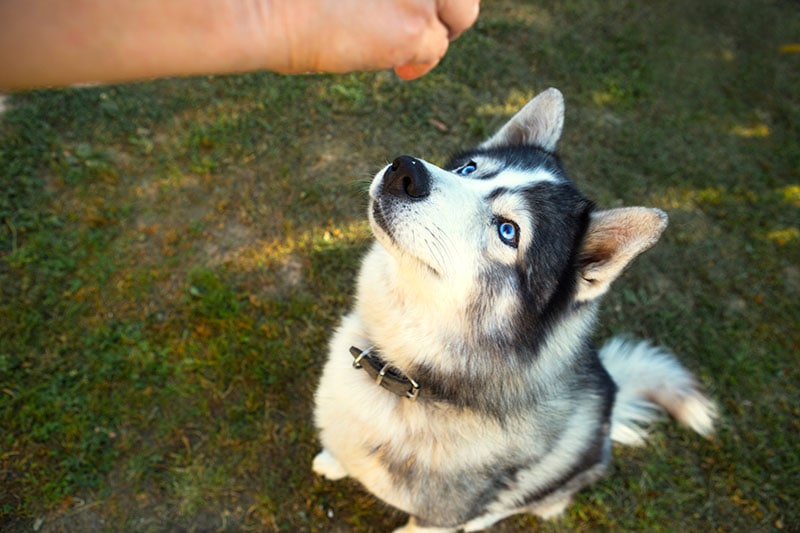
Sometimes, it can feel like dogs have mastered the art of emotional manipulation. With a simple tilt of their head and an eagerly wagging tail, your dog can make you feel guilty for not sharing your snacks. You may be compelled to offer your dog whatever food they want to get rid of those sad puppy-dog eyes, but as a responsible dog owner, you know some human snacks are unsafe for your pet. If you are wondering whether you can feed Babybel cheese to your dog, you will be happy to hear that it's a perfectly safe treat - in moderation!
Of course, even safe treats should only be given in moderation. In this article, we will discuss the benefits and health concerns of feeding Babybel cheese to your dog, so stick around to learn more.

Benefits of Babybel Cheese
Compared to other cheesy human snacks, Babybel cheese is a relatively healthy treat for your dog. Its limited ingredients make it a better option than many commercial cheese snacks.
- Pasteurized milk
- Bacterial culture
- Calcium chloride
- Microbial enzyme
Another benefit of Babybel cheese is that it is considered lactose-free. That is good news for your dog since many canines are lactose-intolerant.
The idea that dogs can be lactose-intolerant may seem strange, especially since they spend much of their puppyhood drinking their mother’s milk. However, once puppies are weaned from their mother’s milk, their bodies produce less lactase, which is the enzyme responsible for breaking down lactose.
As a result, your adult dog will almost certainly be lactose-intolerant. If your dog consumes something with lactose, they may experience signs of gastrointestinal distress such as vomiting and diarrhea. Thankfully, since the original Babybel cheese does not contain lactose, your dog’s lactose intolerance is not something to be concerned about.
There are a variety of Babybel cheese flavors, including Babybel Swiss cheese. Like the original flavor, Babybel Swiss cheese contains limited ingredients and is lactose-free. It’s an especially good option for your dog, as Swiss cheese is among the healthiest types of cheese you can give your dog.
Health Concerns of Feeding Babybel Cheese to Your Dog
While Babybel cheese can be a great treat for your dog, there are still some health concerns that you should be aware of. Cheese typically contains high amounts of saturated fats and salt, both of which are bad for your dog.
Saturated Fats
While Babybel cheese is relatively low in sodium (at least compared to other cheese snacks), it is high in saturated fats. Frequently feeding this treat to your dog, or in large amounts, can create health issues over a long period, such as obesity. In severe cases, your dog may suffer from pancreatitis, especially if they are particularly sensitive to fatty foods. Babybel cheese can occasionally be a treat, and they're a nifty way to hide your dog’s medicine, but it shouldn’t be a regular snack.
If your dog is still a puppy, it is recommended that you hold off on feeding them Babybel cheese. Puppies have sensitive stomachs, so even a tiny bit of cheese could induce gastrointestinal distress.

The Wax Seal
Another feature of Babybel cheese that you should consider is the wax seal. If your dog dives into a bag of Babybel cheese while the wax seal is still intact, it could cause an intestinal blockage, so make sure that you keep unopened Babybel cheese out of your dog’s reach.

How Much Babybel Cheese Can You Feed to Your Dog?
Feeding your dog treats such as Babybel cheese requires careful portioning. For general estimates, you can refer to the table below. In the chart, a piece of cheese is 1-inch wide and ¼-inch thick.
| Dog Breed Size | Amount of Cheese |
| Small | 2–3 pieces |
| Medium | 5 pieces |
| Large or Extra Large | 5–6 pieces |
Source: https://www.petmd.com/dog/nutrition/can-dogs-eat-cheese
While giving your dog a tasty snack can be fun, remember that all treats should be given in limited quantities. Most of your dog’s diet should be made up of well-balanced commercial dog food. No more than 10% of your pet’s meals should contain treats such as Babybel cheese.
If your dog is on a special or prescribed diet, it would be best to avoid treats like Babybel, and check with your veterinarian.

Types of Cheese That Are and Are Not Safe for Your Dog
Since many dogs are lactose-intolerant, you may wonder which cheeses may be safe for dogs to eat. While any cheese may cause some digestive issues for your dog, especially if given in excess, some are healthier than others.
The cheeses listed below should not be fed to your dog:
Cream Cheese
Cream cheese is low in lactose and sodium, but it is high in fat. It also may contain additives that are toxic for dogs, such as garlic, onion, xylitol, or chocolate. Therefore, it is best to avoid cream cheese.
Mac and Cheese
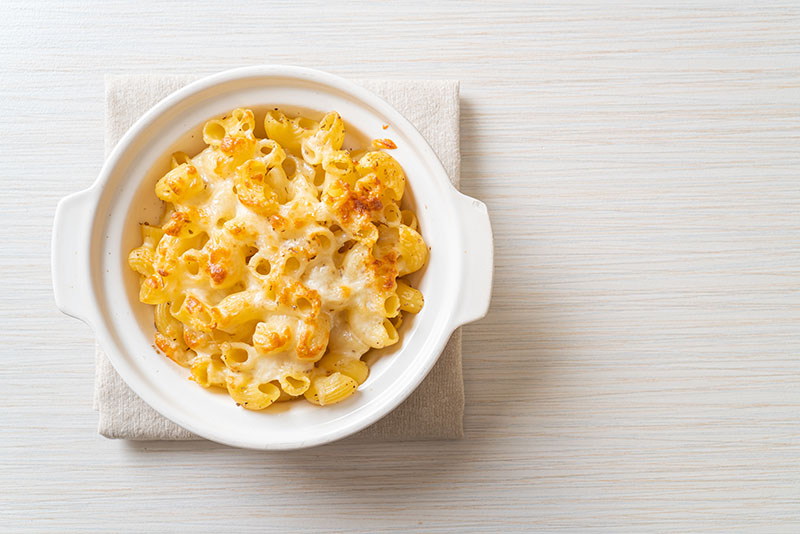
Mac and cheese contain lactose, sodium, unhealthy fats, and preservatives. It is not safe to feed it to your dog.
The cheeses below are safe to serve as treats:
Cottage Cheese
Cottage cheese is one of the healthier types of cheese for your dog. It is low in fat, calories, and lactose. In addition, it contains calcium and protein.
String Cheese
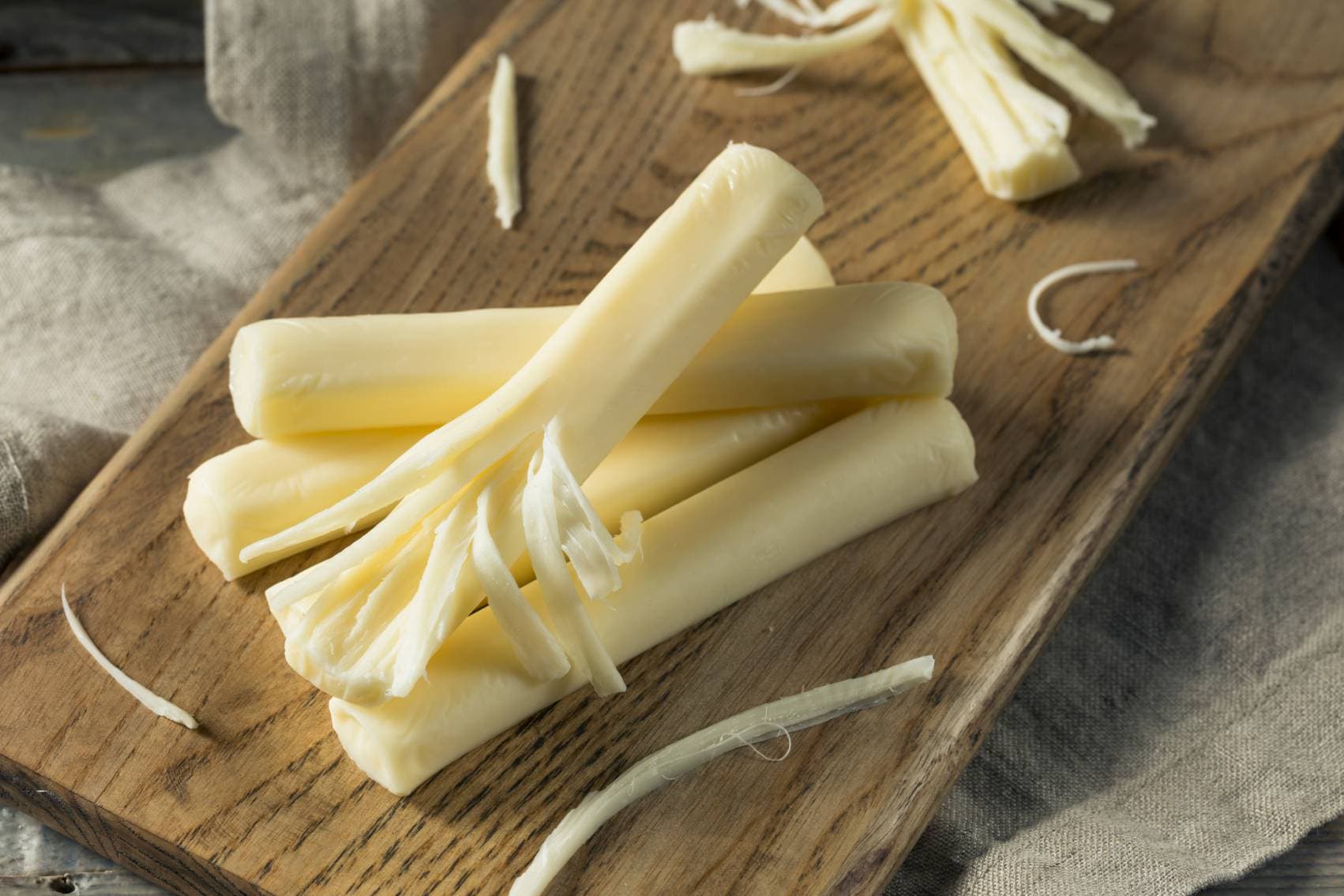
String cheese is usually lower in lactose and sodium than other cheeses, but it depends on the brand and type of cheese you choose. For instance, skim mozzarella string cheese has extremely low lactose levels, making it a great treat for dogs. However, the stringiness of the cheese can be a serious choking hazard, so it is best to chop it into bite-sized cubes if you feed it to your dog.
Final Thoughts
Many tasty cheese treats are on the market, but few are as safe for your dog as Babybel cheese. With low levels of lactose and sodium, Babybel can be an excellent treat for your dog as long as you feed it in moderation. However, if your dog experiences any adverse effects, avoid serving it in the future. To determine if Babybel cheese is suitable for your dog, consult your vet.
See also:
Sources
Featured Image Credit: Moving Moment, Shutterstock
Get Hepper In Your Inbox


Pet care tips from our vets and experts, straight to your inbox.
You may opt-out at any time. View our Privacy Policy for more information.
Pets are Jordyn’s passion, cats especially. Whenever she has the opportunity, she loves to learn about them and share her knowledge with everyone. She is devoted to her tabby cat named Jack and works hard to buy him his favorite treats and toys. Discovering new ways to better care for her pet is always on her to-do list, and she is eager to help pet parents everywhere who have similar pursuits. In her spare time, she loves to read, write, and take long walks. She has a creative spirit, which often helps her to come up with funny cat names.
Join the conversation
Ask a question, share your story, or send private feedback.