Hepper is reader-supported. When you buy via links on our site, we may earn an affiliate commission at no cost to you. Learn more.
Can Dogs Eat Carob? How Healthy Is It?


In this article
Are you looking for a chocolate substitute you can give your dog safely? If yes, read on to find out everything you need to know about carob (Ceratonia siliqua), the all-natural chocolate replacement that dogs can safely eat in moderation.

Dogs Can Eat Carob
If you’re the pet parent of a precocious pup, you know that, given the opportunity, they will eat all sorts of things that aren’t good for them. That includes “human foods” that are high in sugar, fat, salt, and other unhealthy ingredients. Some foods are toxic for your dog, and one of the worst is chocolate, which you should never give to your canine companion.
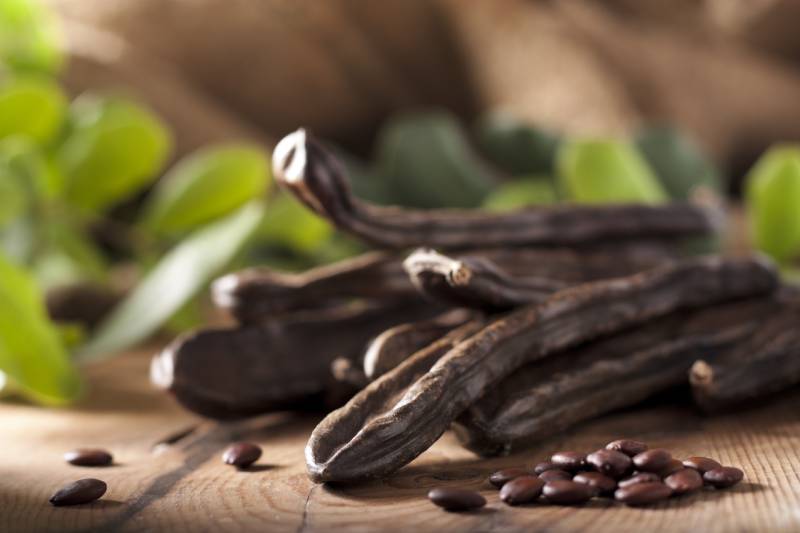
But what about carob? It’s made from the pods of the carob tree and grows in most Mediterranean countries. Many people use carob because it doesn't have caffeine, and some claim it’s healthier than chocolate.
Carob is safe for your dog and is 100% natural, like chocolate, but doesn’t contain caffeine or oxalic acid, which are toxic for dogs. Even better, carob contains several beneficial vitamins and minerals for your pup. In short, you can safely give your dog treats made with carob as long as you follow a few simple rules.
How to Feed Carob to Your Dog
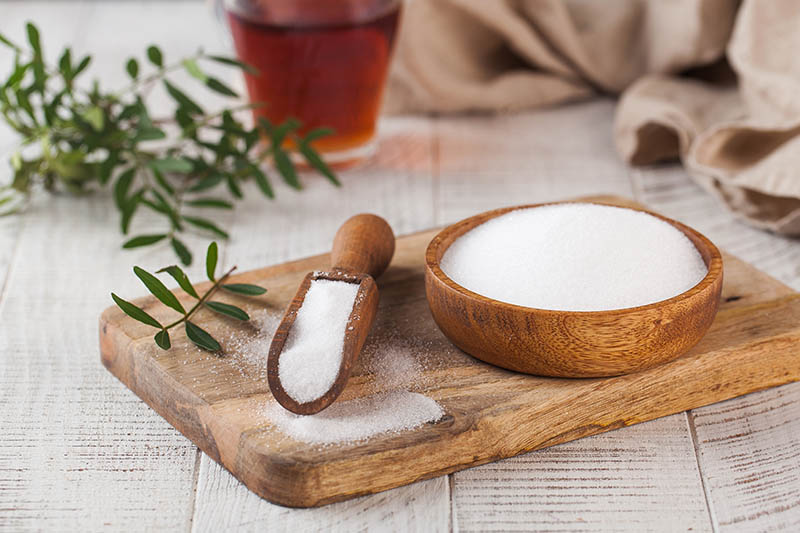
Many treats made with carob still contain copious amounts of sugar, and dogs do not need sugar in their diet. For that reason, it’s best to purchase carob treats that don’t contain added sweeteners, including regular sugar, honey, and especially xylitol, the sugar substitute that’s highly toxic for dogs. Carob is naturally sweet, and many treats made with carob aren't sweetened because of this fact.
The 90/10 Treat Rule for Dogs
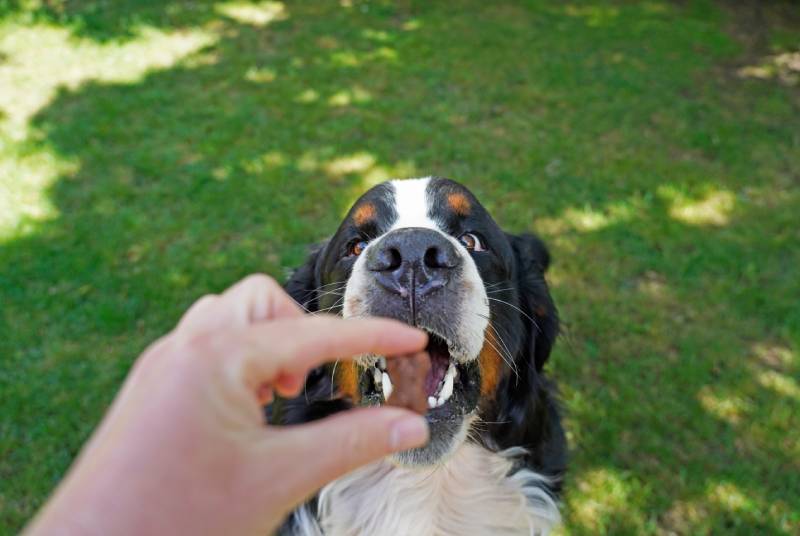
Something you should always remember when feeding your dog treats made with carob is the 90/10 rule of treats. This rule states that 90% of your dog’s daily food should consist of their normal kibble, leaving 10% for healthy treats of any kind. Carob treats are definitely included in this, so feeding your dog less than 10% of their daily food intake in carob treats is recommended.
Most vets recommend giving your dog even less than 10% of their daily food in carob and serving a mix of snacks to make up that 10% rather than just carob treats. You could offer the carob along with a carrot stick or a piece of banana, for example, rather than three carob treats. Remember, dogs like treats but don’t need them to be healthy.
What Health Benefits Does Carob Offer Your Dog?
The reason carob is OK for dogs and chocolate isn’t is because carob doesn’t contain caffeine and other ingredients that their bodies can’t digest well. However, one question you might have is whether carob contains anything that’s healthy for your dog rather than just being non-toxic. The good news is that carob has several vitamins, minerals, and other substances that can improve your dog’s health.
Carob contains vitamins A and D, calcium, iron, magnesium, potassium, and manganese. Carob also has most of the B vitamins and a high amount of protein which is great for your dog's bones, muscles, ligaments, and joints. Amazingly, carob has four times as much potassium as bananas and more calcium than cow milk.
You'll also find a high amount of fiber in carob and a substance called pectin, which improves your dog's digestion and helps its body get rid of toxins. Pectin also helps if they’re having tummy problems, and can be used to treat their diarrhea. (See more on this below.) Lastly, the pectin found in carob helps your dog's body absorb calcium better, improving their bones' health.
Why Is Chocolate Unhealthy and Toxic for Dogs?
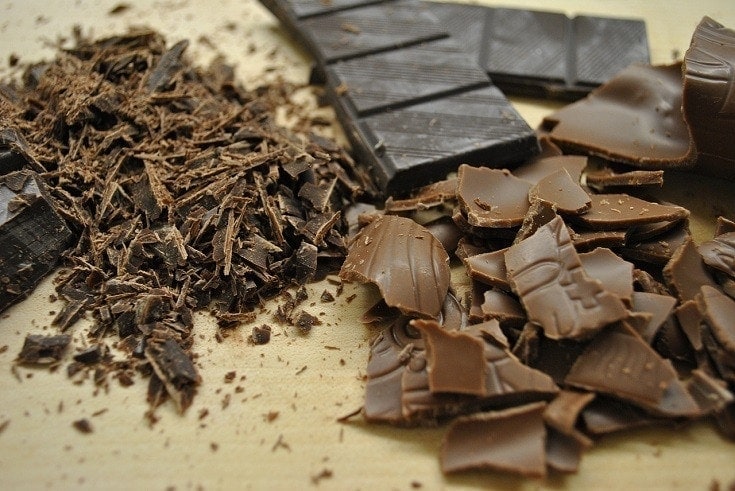
The main reason that chocolate is unhealthy for dogs is that it contains caffeine, oxalic acid, and theobromine, a chemical that is very similar to caffeine. Unfortunately, dogs cannot metabolize any of these substances. If given to your dog often, these chemicals will build up in its body and eventually cause a toxic reaction. Some dogs have such a high sensitivity to caffeine, oxalic acid, and theobromine that even a tiny amount of chocolate can make them gravely ill. Chocolate also contains phenylethylamine, which is another ingredient dogs can't metabolize well.
Caffeine, oxalic acid, and theobromine produce a rapid heart rate, restlessness, and other signs in dogs that can cause a condition known as “chocolate toxicity.” If your dog is suffering from chocolate toxicity, it will show the following signs:
- Vomiting
- Diarrhea
- Arrhythmia (an irregular heartbeat)
- Seizures
- Tremors (shaking uncontrollably)
Carob Is Good for Dogs with Digestive Issues
Although you don’t want to feed your dog too much carob, some vets recommend it if your pup has digestive issues. That’s because the pectin in carob is a gel-forming fiber and helps absorb water from the digestive tract, carob helps to bulk up your dog’s stool. If your dog is having problems with diarrhea, giving them a carob treat or two may help get their GI tract back on track. However, it should be noted that in 2003 the FDA found no reliable evidence that pectin helped with diarrhea.
Final Thoughts
As we’ve seen, dogs can eat carob, which is relatively healthy. Carob contains many nutrients, including vitamins, minerals, protein, and fiber. It can also keep your pup’s digestive tract healthy, and it is safe to feed them in moderation, following the 90/10 rule of treats. Unlike chocolate, carob doesn’t contain caffeine or oxalic acid and only has a tiny amount of theobromine.
We hope the information provided today answered all your questions about whether dogs can eat carob and how healthy it is for them. If your pup likes their treats (and they all do), giving them treats made with carob is a safe and healthy way to satisfy their desires.
Sources
Featured Image Credit: Tati Liberta, Shutterstock
Get Hepper In Your Inbox


Pet care tips from our vets and experts, straight to your inbox.
You may opt-out at any time. View our Privacy Policy for more information.
Greg Iacono is a self-taught writer and former chiropractor who, ironically, retired early due to back problems. He spends his time writing scintillating content on a wide variety of subjects. Greg is also an accomplished video script writer known for his ability to take a complex subject and make it accessible for the layperson.
Join the conversation
Ask a question, share your story, or send private feedback.