Hepper is reader-supported. When you buy via links on our site, we may earn an affiliate commission at no cost to you. Learn more.
Can Dogs Eat Cow Hooves? Vet Reviewed Facts & FAQ



In this article
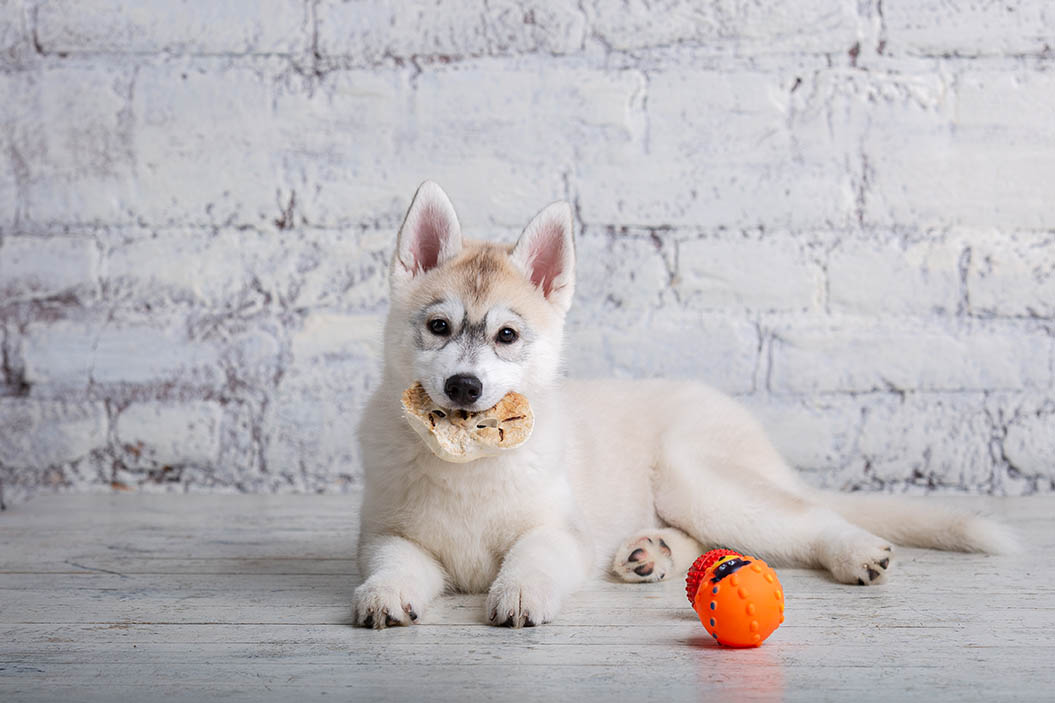
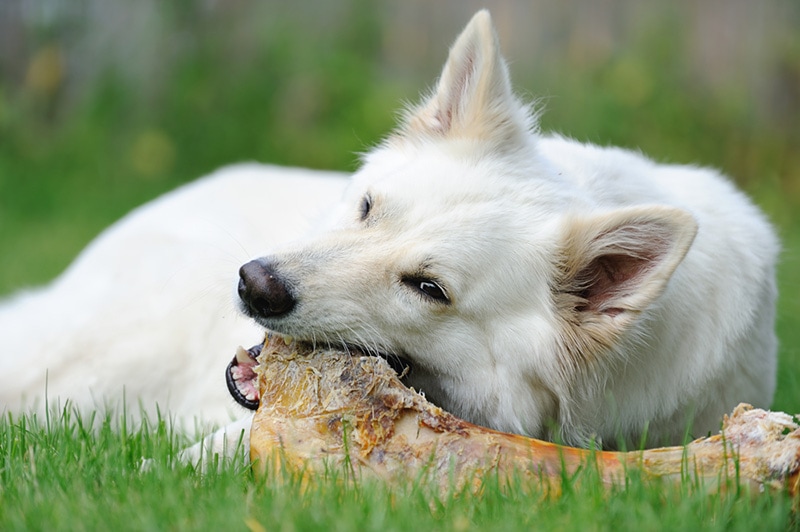
Cow hooves are a polarizing treat among dog owners, though if dogs had their say, they’d likely have one every day. Technically speaking, dogs can’t EAT cow hooves as they’re not digestible. A dog that actually tries to devour an entire hoof would wind up with an upset stomach or even a blockage. However, it's slightly different when discussing using a hoof as a chew. Dogs can CHEW on cow hooves, but just because they can doesn’t mean they should.
Read on to learn the few potential benefits of cow hooves and why we think there are far better chew options that you can offer your pup instead.

What Are the Benefits of Cow Hooves?
There are several benefits of offering cow hooves to your pup for chewing purposes.
1. Satisfies the Need to Chew
Some dogs enjoy cow hooves because it satisfies their innate desire to chew 1. Puppies like to chew because it helps relieve pain when teething, and older dogs need to chew to keep their jaws strong and teeth clean. In addition, some dogs chew on things for fun or to relieve boredom and anxiety.
2. Natural Product
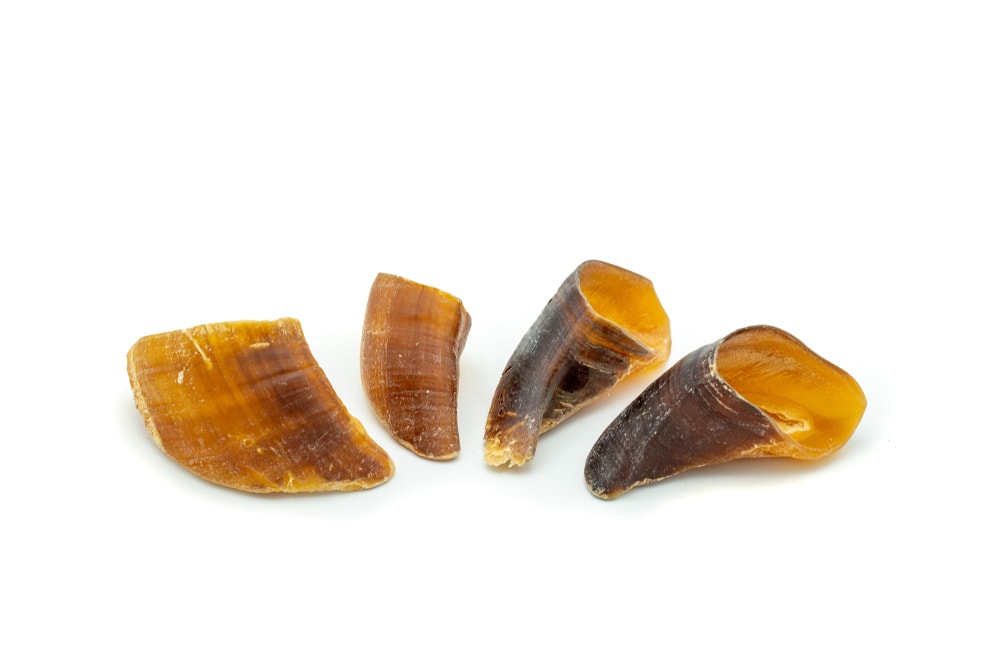
Cow hooves are technically a natural product as they’re made from the actual hooves of a cow that’s been slaughtered. The hooves are first cleaned and hollowed out, which makes it easy for dog owners to squeeze a treat like peanut butter inside.
3. Source of Minerals
One of the biggest selling points of cow hooves is that they’re minimally processed and contain a number of beneficial vitamins and minerals, such as calcium and zinc. Still, based on the required daily amounts that the dog needs and the amount per hoof 2, this is unlikely to be a significant source of these nutrients for dogs, and they will receive them from their complete formulated diet.
Cow hooves are a single protein source if the manufacturing process does not add extra ingredients. This can be important for dogs with allergies who can’t tolerate certain protein sources in their diet. However, cross-contamination is possible during manufacturing, so your pup may still run into issues while chewing cow hooves. Also, keep in mind that this protein is keratin 3, and it is poorly digested by the dog’s digestive tract.
4. Affordability
It’s no secret that dog food, treats, and chews can add up over time. Cow hooves are highly affordable as they’re a by-product of the agricultural industry. You can find them for just a dollar or two per hoof.

What Are the Dangers of Cow Hooves?
Of course, there are dangers and downfalls of offering cow hooves, too.
1. Can Cause Injuries
Cow hooves are hard, so they can break your dog’s teeth. Particularly strong chewers can also damage the hoof, causing it to splinter. In addition, these splinters can cause puncture injuries in your dog’s mouth or digestive tract. All of these circumstances require an urgent trip to the vet!
2. Choking Hazard
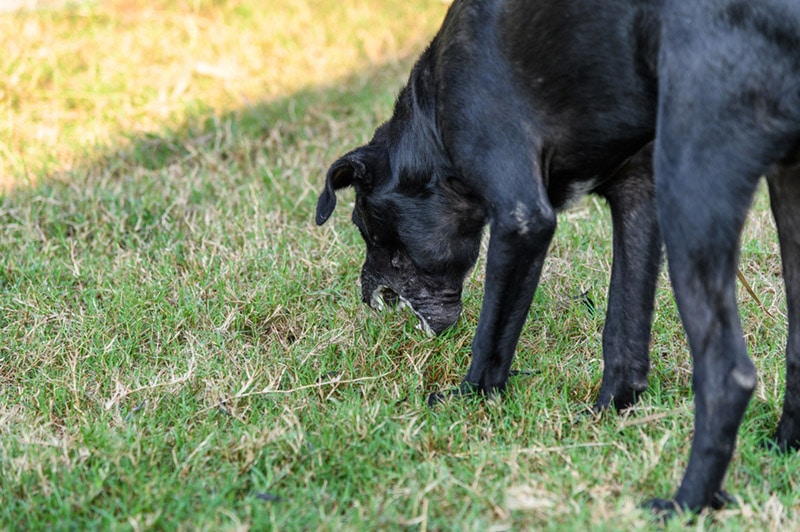
Cow hooves are very solid, and if your dog were to try to swallow a too-big piece, it could get lodged in their throat or esophagus. If this occurs, immediate veterinary attention is necessary as it can become fatal.
It’s important to always supervise your dog when it’s enjoying a chew such as cow hooves.
3. Can Get Stuck
The round shape of the hoof can loop around your dog’s lower jaw or even get stuck on the inside of the dog’s mouth, usually straight across on the roof of the mouth. As you can imagine, this would cause most dogs to panic. Unfortunately, this situation often requires the veterinarian to sedate your dog to cut the hoof out.
4. Can Cause A Blockage
Swallowing a large piece of a cow hoof can not only lead to choking but also to a blockage in the dog’s digestive tract. If the dog manages to somehow swallow the chew without choking on it, the next issue can arise when a piece of the hoof tries to leave the stomach during normal peristalsis and enter the small intestine. This is often made difficult by the small diameter of the intestine, so a blockage can occur, either straight away in the stomach, or sometimes further in the intestine, if the chew is smaller and manages to enter the intestine. This will require immediate veterinary attention and surgery in most cases.

5. Smell
Cow hooves are also extremely stinky. While this isn’t a danger per se, it’s good for dog owners to know before they buy hooves for their dogs. The smell worsens when your dog chews on the hoof, and it can linger on your carpet for days.
6. Not a Good Source of Protein
We know this contradicts what we just wrote about protein being a benefit of cow hooves, but it’s worth mentioning. Hooves are often touted as being high in protein, and while they have a high protein content on paper, most of it comes from keratin.
Keratin is a tough structure that’s hard for dogs to digest, making it an unreliable and useless source of protein.
Alternatives to Cow Hooves
If you’ve decided that the cons far outweigh the pros, you are probably wondering what alternative options you have.
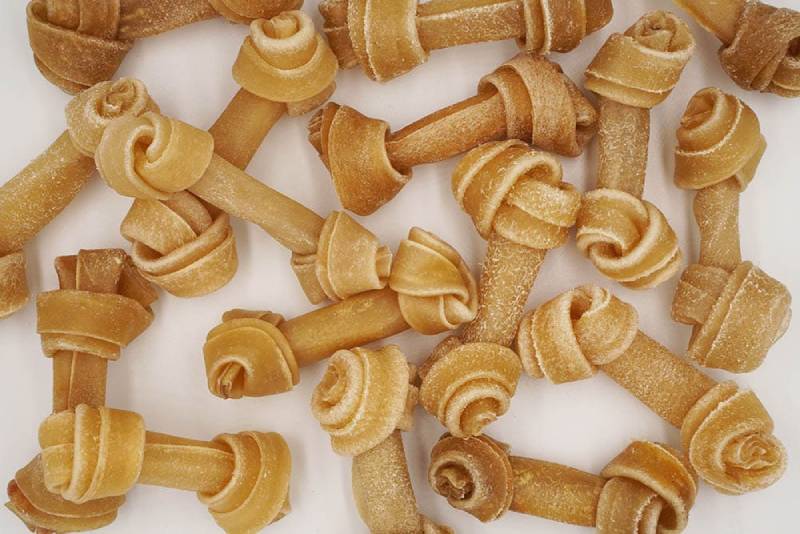
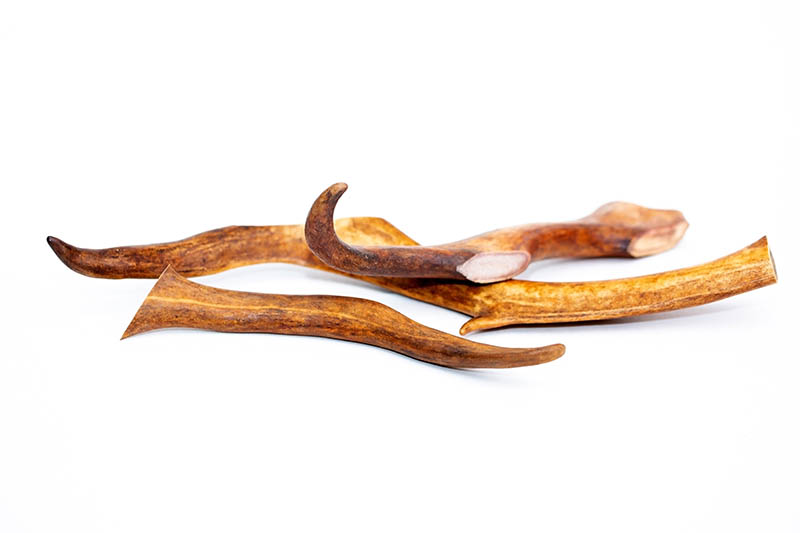
Here are some of our recommendations:
Still, whichever chews you decide to offer your dog, we recommend making sure they are always supervised while chewing. This applies especially to the hard chewers or dogs that are very food-oriented and attempt to quickly swallow larger chunks.
Some dogs will be good at destroying Nylabones, which is a serious issue if they swallow parts of the inedible toy that can then lead to a blockage. Prolonged chewing on this durable nylon material can also lead to teeth damage. Any parts of chews intended for dogs could be a potential hazard if they are swallowed too large or splintered into sharp fragments, potentially causing choking, teeth and mouth injuries, upset stomach, and blockage. Now that you are aware of these risks in some dogs, supervising your dog while chewing will make it safer for your dog to enjoy their chew.
If none of the above-mentioned chews suit your dog’s fancy, keep the following in mind as you search for a better, safe cow hoof alternative:
- Caloric intake: Look for leaner chews and include them in your dog’s daily calorie count
- Density: Avoid chews that are too hard or dense. Stick to options that indent slightly when pressing it with your nails.
- Digestibility: Some chews are easier for your dog’s body to break down than others.
- Size: Choose a chew that’s appropriate for your dog’s size. Offering one too small is a recipe for disaster, as your pup can choke on it or swallow it whole.
- Supervision required: Regardless of what chew you choose, always supervise your dog when they are chewing on it.
Final Thoughts
Though cow hooves are a highly polarizing topic in the dog world, we always like to err on the side of caution. For this reason, we wouldn’t recommend offering cow hooves to your pup as a chew. There are many other options out there that pose significantly fewer hazards and far more benefits.
You Might Also Be Interested In:
Sources
Featured Image Credit: EkoiswantoLens, Shutterstock
Get Hepper In Your Inbox


Pet care tips from our vets and experts, straight to your inbox.
You may opt-out at any time. View our Privacy Policy for more information.
Chantelle's life revolves around two passions: writing and animals. Raised on the prairies of Canada amidst a menagerie of pets, she now lives with five cats, two guinea pigs, and a bearded dragon. Together with her husband and child, Chantelle delights in being an exemplary animal parent, going as far as installing wall-mounted cat shelves to give their cats an indoor playground. When she's not cozying up with her cats or snapping their amusing antics, she enjoys venturing into the Rocky Mountains, binge-watching her favorite Netflix shows, and indulging in spontaneous reading adventures.
Join the conversation
Ask a question, share your story, or send private feedback.