Hepper is reader-supported. When you buy via links on our site, we may earn an affiliate commission at no cost to you. Learn more.
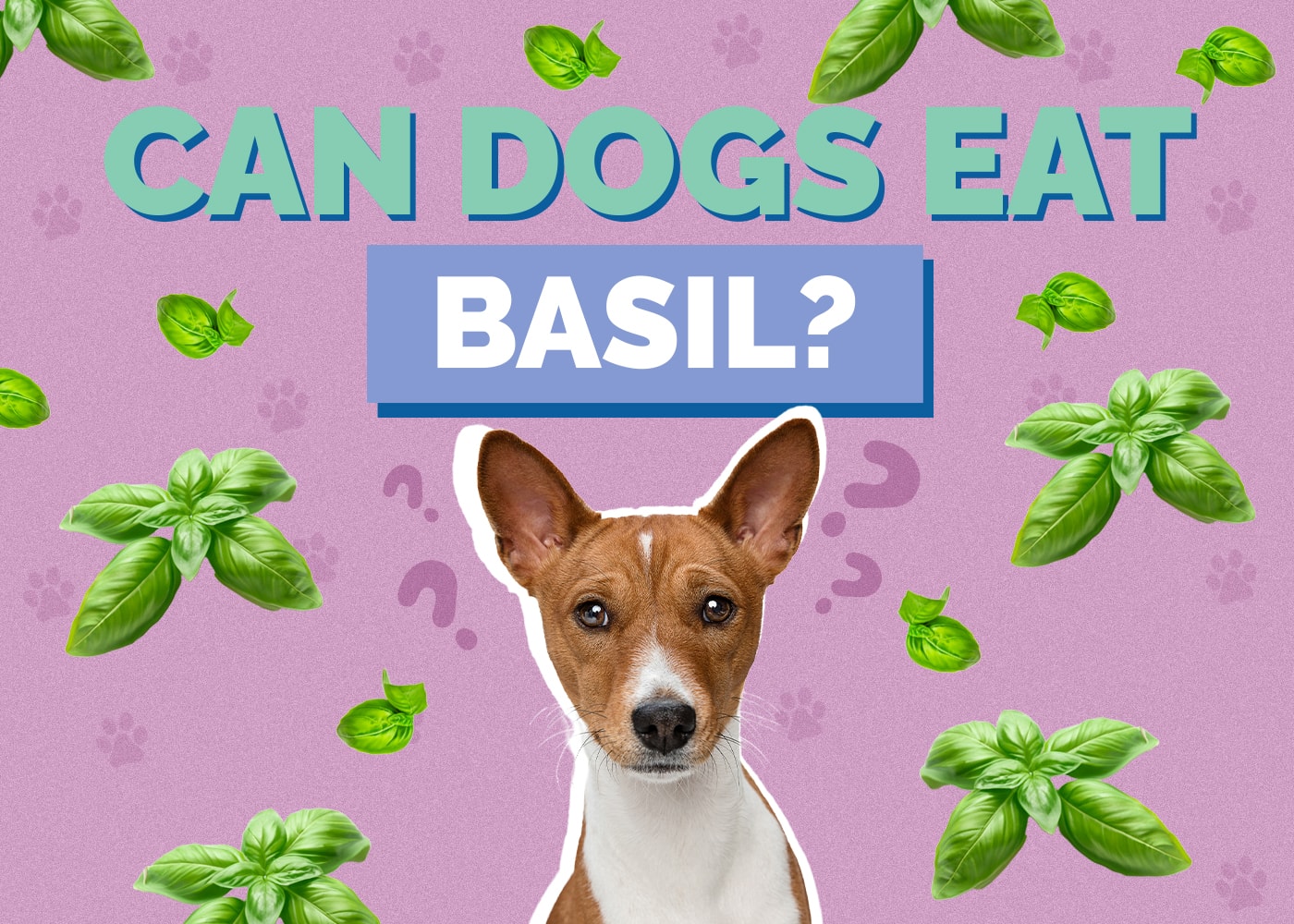
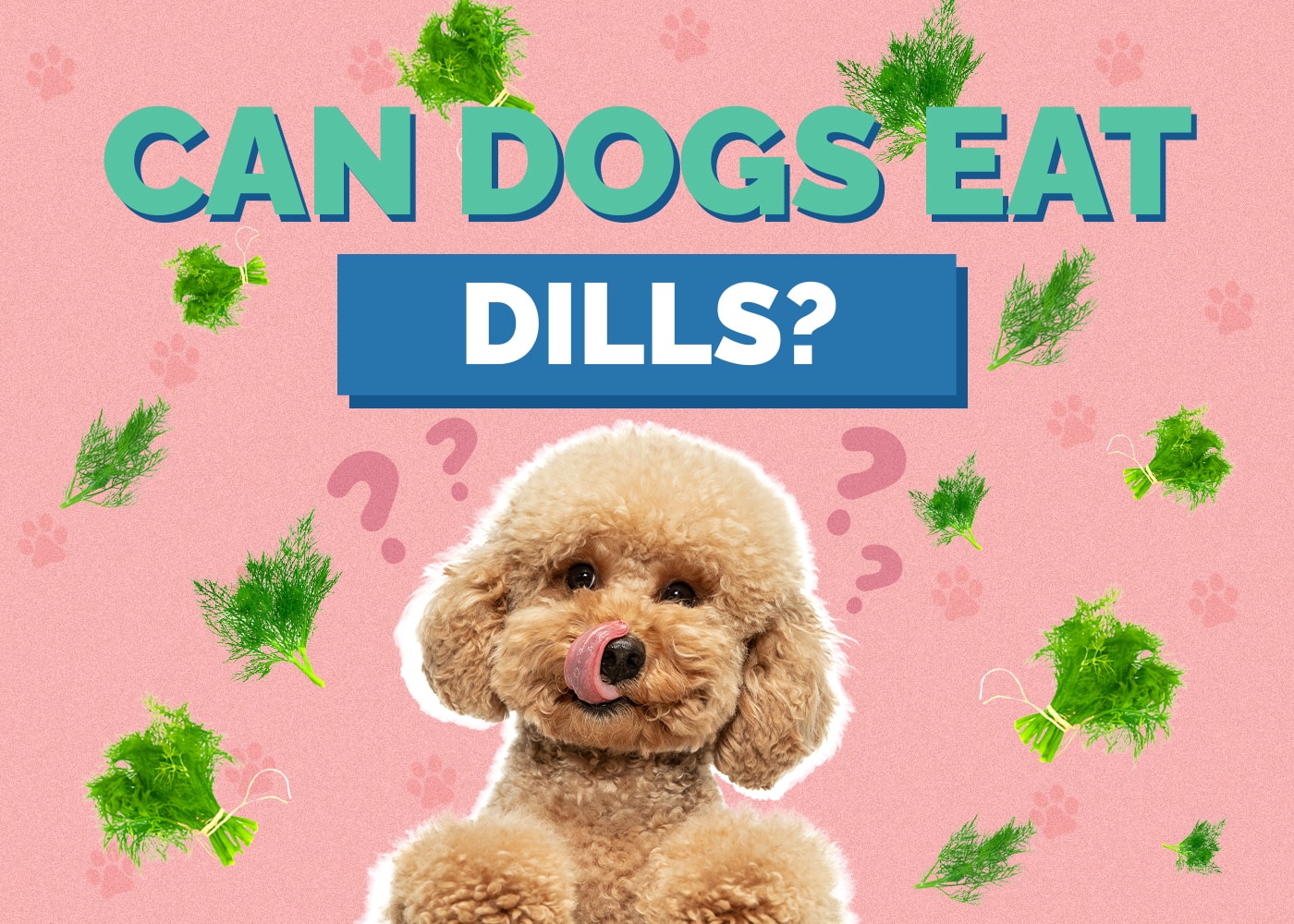
Can Dogs Eat Dill? Vet-Approved Facts & Safety Guide


In this article
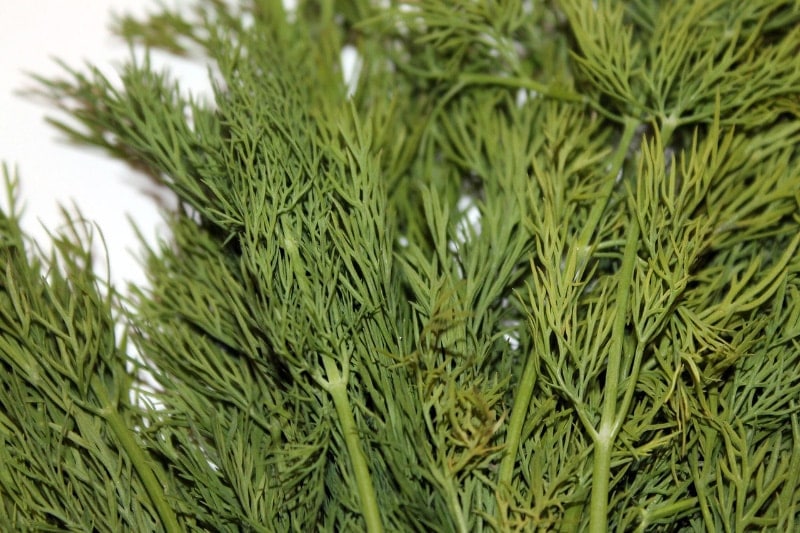
We know dill best as a spice and herb that flavors some of our favorite dishes. But have you ever wondered if giving dill to your dog is okay?
Dill is not toxic to dogs, and a small amount is safe to give them, but you shouldn’t go out of your way to do so. In this article, we discuss the good and the bad about feeding dill to your dog.

Is Dill Safe for Dogs?
Dill is considered safe for most dogs. The ASPCA has listed dill as non-toxic 1, though they state that a dog could experience dermatitis (skin irritation and inflammation) with prolonged contact. However, this would only occur if you used something like dill essential oil on their skin.
That said, when you introduce anything new to a dog’s diet, there’s always a risk that they might experience an upset stomach, which can include nausea, vomiting, and diarrhea. Also, if a dog has a sensitive stomach in general or is prone to food allergies, they are more likely to have a reaction to it.
This is why you should speak to your veterinarian before you give your dog anything new, particularly if it’s a food not generally meant for dogs. Still, most dogs should be able to eat dill without any issues, as long as it’s in moderation.
Does Dill Have Any Health Benefits for Dogs?
No studies have researched the effects of dill on dogs, but the herb is known to provide various health benefits to humans. It’s full of nutrients 2, including:
- Calcium
- Copper
- Iron
- Magnesium
- Manganese
- Phosphorus
- Potassium
- Vitamin A
- Vitamin C
It contains antioxidants known to prevent heart disease and act as anti-inflammatories, so it can reduce inflammation and free radicals. Dill also has agents like limonene and anethofuran, which may be helpful in preventing cancer, although research on its use in dogs is needed. There are no studies into the benefits of dill in dogs, so these are extrapolated from findings in human homeopathy.
Dill has been used in homeopathy since ancient times for aiding in digestion, which can help prevent bloat, gas, cramping, and nausea. It also has antibacterial properties and is thought to reduce bad breath, which can help in between brushings.
Regardless of how enticing these possible benefits sound, you must speak to your vet before you decide to add dill to your dog’s diet. A dog needs a balanced and nutritious diet that should be in the form of a complete food. Dill is absolutely fine, however, to be a little addition to that food.

How Much Dill Can You Feed Your Dog?
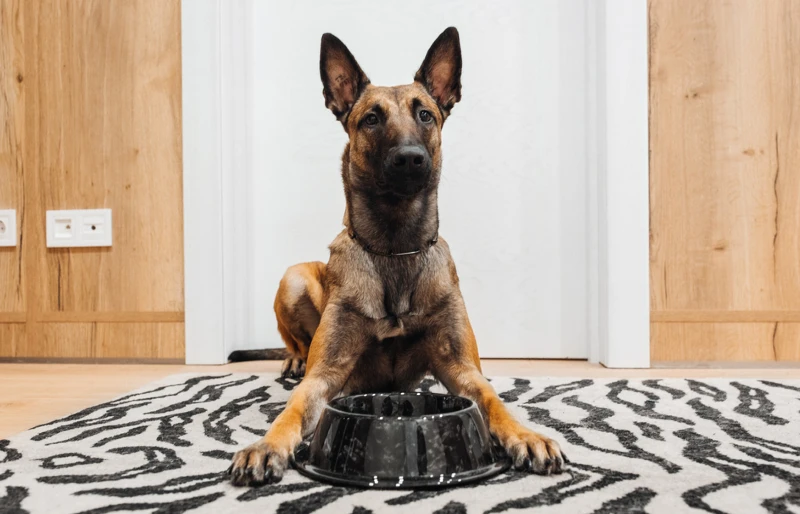
Once you have permission from your vet, you can start by giving your dog a piece of fresh dill leaf without the stem or a pinch of dried dill. Wait 24 hours, and if your dog doesn’t have an adverse reaction, you can include it in your dog’s diet. The easiest method is to just sprinkle a small amount of dill on your dog’s food, but you can try a few other options.
You can make dill tea by using 2 teaspoons of crushed dill seeds (which are richer in nutrients) in 8 ounces of boiling water and letting it steep for about 10 minutes. Filter out the seeds, and let the tea cool before serving it to your dog.
During the summer, you can try placing fresh dill in an ice cube tray with fresh water and freezing it. This can give your dog a nice cold treat on a hot day.
Can Dogs Eat Dill Pickles?
Giving dill pickles to your dog isn’t a good idea for various reasons. First, pickles are made by placing cucumbers in brine, which is highly salted water. If your dog eats many pickles, it can lead to salt toxicosis (rarely and only if water is not available), or high blood pressure.
Pickle brine also contains several ingredients that can be toxic or harmful to dogs, such as:
- Garlic (highly toxic)
- Onions (highly toxic)
- Nutmeg (only toxic if consumed in large amounts)
- Spicy peppers (can cause stomach upset)
Sweet pickles contain sugar, which is also bad for dogs, and some varieties might contain xylitol, which is highly toxic to dogs.
If your dog scarfs down one pickle, check the ingredients. If there is no garlic, onions or xylitol, they will likely be okay. However they might experience a bout of diarrhea and vomiting. But if they eat multiple pickles, or if the toxic ingredients above are listed on the jar, call your veterinarian right away!
Final Thoughts
Giving dill to your dog is quite safe as long as your vet has given you permission. Small amounts of dill incorporated into your dog’s diet can be beneficial as long as you aren’t using it solely to help a specific health condition, as your dog needs proper veterinary care. Stay clear of dill or sweet pickles, and never use dill essential oils on your dog’s coat.
Some dogs might not like dill anyway, but speak to your vet, and look to your dog for their reaction to any dill that they consume.
Featured Image Credit: bigacis, Shutterstock
Get Hepper In Your Inbox


Pet care tips from our vets and experts, straight to your inbox.
You may opt-out at any time. View our Privacy Policy for more information.
Kathryn was a librarian in a previous lifetime and is currently a writer about all things animals. When she was a child, she hoped to work in zoos or with wildlife in some way, thanks to her strong love for animals. Unfortunately, she's not strong in the sciences, so she fills her days with researching and writing about all kinds of animals and spends time playing with her adorable but terribly mischievous tabby cat, Bella. Kathryn is hoping to add to her family in the near future – maybe another cat and a dog.
Join the conversation
Ask a question, share your story, or send private feedback.