Hepper is reader-supported. When you buy via links on our site, we may earn an affiliate commission at no cost to you. Learn more.
Can Dogs Eat Ginger? Vet-Reviewed Potential Benefits & Contraindications



Ginger has been used in Indian and Chinese medicine for thousands of years and today is revered far and wide for its multitude of health benefits. So, we know that ginger is great for us, but can it benefit dogs, too? Some research has been done into whether or not ginger has health benefits for dogs, and we know that when fed in moderation, it’s perfectly safe for dogs to eat.
Nevertheless, some dogs may not benefit from being fed ginger due to certain health conditions, so read on for all the facts on feeding ginger to your dog.

Health Benefits of Ginger
The effects of ginger on dogs in terms of health aren’t fully known, but anecdotal evidence points to ginger being helpful for dogs experiencing nausea and vomiting, just like it is for humans. Some canine supplements, especially those designed to help dogs relax and reduce nausea on car rides, contain ginger for this reason.
Other health problems in dogs that ginger may help with include:
How Much Ginger Can Dogs Have?
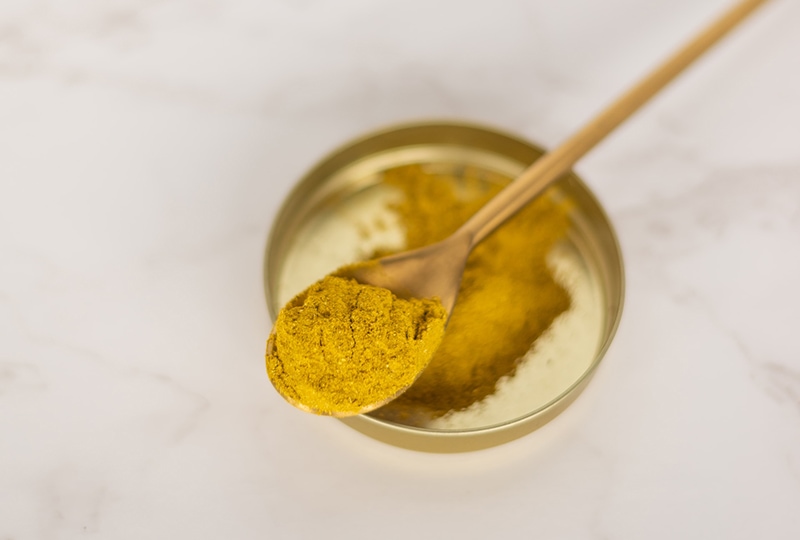
Fresh ginger should be peeled to remove the skin and finely minced (inside yellow part only) before being given to your dog, and you can either feed it directly or add it to your dog’s food. Fresh ginger, powdered ginger, and ginger juice are fine, but pickled ginger, sugary ginger biscuits, and drinks like ginger ale should be avoided.
Dogs should only be fed ginger in small amounts and in moderation, and the amount you feed will depend on your dog’s body weight. As a basic guideline, small dogs should have a maximum of one-quarter of a teaspoon three times a day, and large dogs should have no more than three-quarters of a teaspoon three times a day.
If you’re considering feeding ginger to your dog for health reasons, we recommend speaking to your vet as they will be able to advise you whether or not they think it will be beneficial. Moreover, it may not be suitable for dogs with certain health conditions (more on this below), which is why it’s always a good idea to run things by your vet first.

Risks of Feeding Ginger to Dogs
Since there isn’t much research into the effects of ginger on dogs, there isn’t a lot of information on the potential side effects, but here are the possibilities:
Blood-Thinning
It’s possible for ginger to have a mild thinning effect on the blood, so dogs with bleeding disorders and those that have had surgery within the last 10 days should not be fed ginger. It should also be avoided for dogs taking Non-Steroidal Anti-Inflammatory Drugs (NSAIDs).
Lowered Blood Pressure
Ginger may not be suitable for dogs with diabetes, heart disease, gallbladder disease, or who are pregnant or nursing because it can bring blood pressure and blood sugar down. If your dog has any of these conditions, we’d urge you to speak to your vet before giving them ginger.

Final Thoughts
On the whole, ginger is safe for dogs to consume in moderation and may offer some nutritional benefits, but you should always talk to your vet before feeding it if your dog has certain health conditions like bleeding disorders, gallbladder disease, diabetes, and heart disease, or has undergone surgery. Some vets may also advise against feeding it to pregnant or nursing dogs.
See also: Can Dogs Eat Ginger Snaps?
Get Hepper In Your Inbox


Pet care tips from our vets and experts, straight to your inbox.
You may opt-out at any time. View our Privacy Policy for more information.
Kit Copson is a freelance writer and lifelong animal lover with a strong interest in animal care. She has parented various furry beings over the years and is currently a proud cat mom of two—one skittish but adorable Domestic Shorthair and very chilled (unless hungry) Siamese and a —and dog mom of one—an adopted Bichon Poodle cross. When not writing about or spending time with pets, Kit can be found doodling in her sketchpad, reading, or more often than not, drinking tea.
Join the conversation
Ask a question, share your story, or send private feedback.