Hepper is reader-supported. When you buy via links on our site, we may earn an affiliate commission at no cost to you. Learn more.
Can Dogs Eat Macarons? Vet-Reviewed Facts & FAQ


In this article
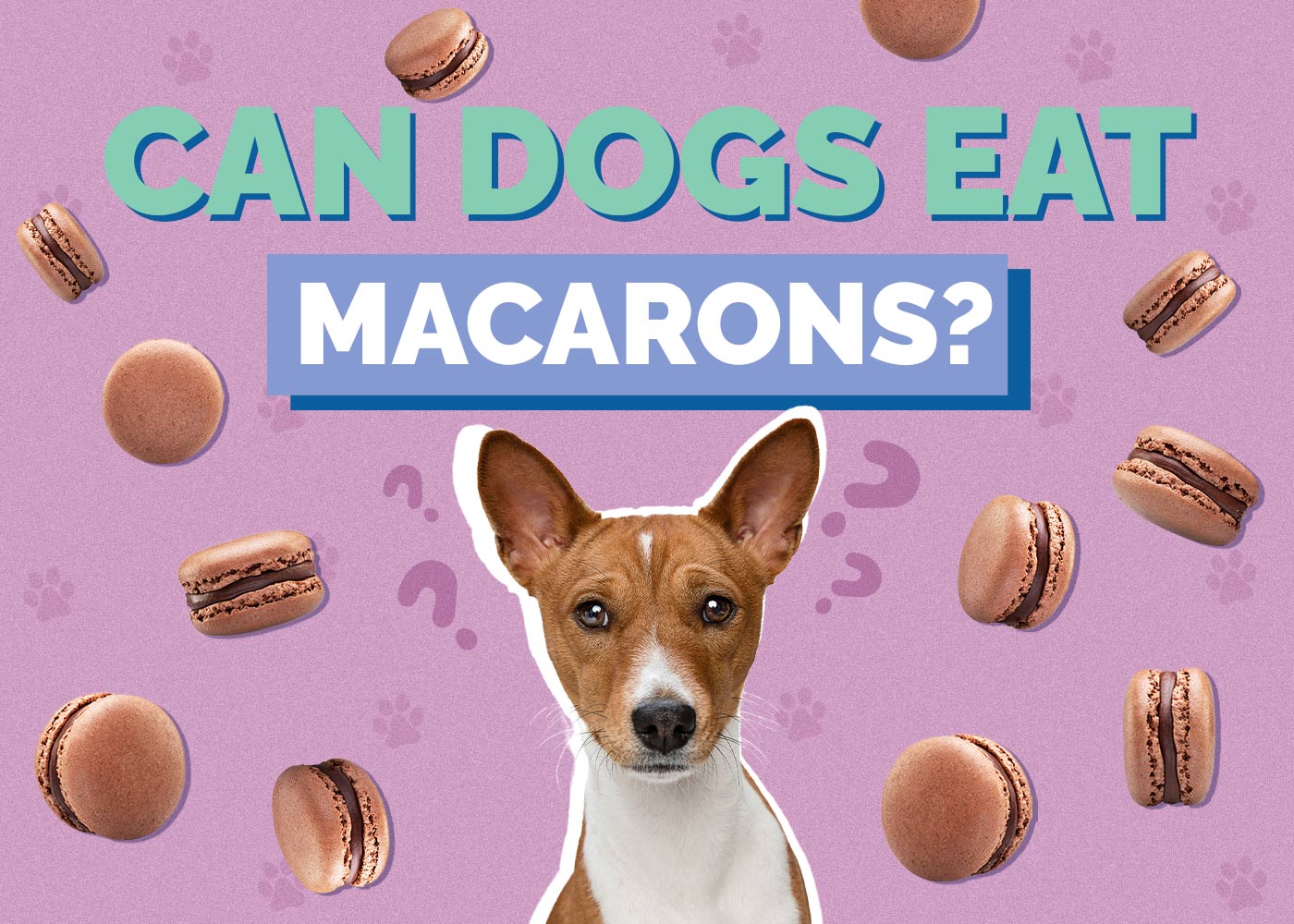
Macarons are a delectable treat that many people love to indulge in. Macarons are often bought by the box and are brightly colored. They may make an attractive snack for curious dogs. But can dogs eat macarons? The answer to that question is no. Dogs should not eat macarons.
Macarons might be a favorite dessert for people, but they should not make their way into the mouths of dogs. Here is everything you need to know about dogs and macarons, including nutritional facts, FAQs, and what to do if your dog eats a macaron.

What Are Macarons?
Macarons are a type of French dessert that resembles a cookie sandwich. (Not to be confused with a macaroon, which is a coconut drop cookie.) Many people consider the macaron to be a type of cookie. Macarons are made from meringue and often include a buttercream filling. Macarons are incredibly popular, and they can come in a variety of sizes, colors, and flavors.
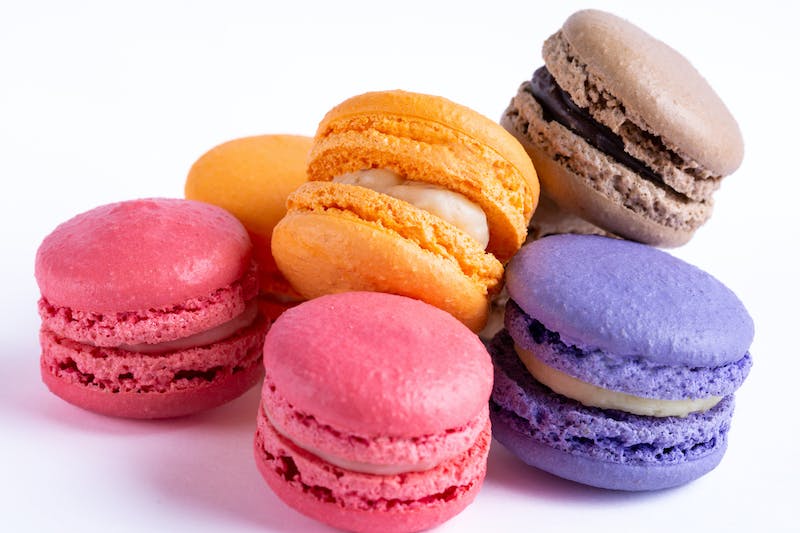
Can Dogs Eat Macarons?
No. You should not let your dog have macarons. There are several risks associated with eating macarons. Macarons can include ingredients and additives that are harmful to dogs. Even the macarons that do not have harmful ingredients are filled with sugar and fat, which offer no benefit to your dog. Macarons are a dessert made for human consumption, not dog consumption. For these reasons, you should refrain from giving your dogs any macarons. Stick to treats made specifically for dogs.
Macaron Nutrition Facts
| Serving Size: | 3 macarons |
| Calories: | 150 |
| Sugars: | 18 g |
| Sodium: | 20 mg |
| Total Fat: | 7 g |
What Ingredients Are in Macarons?
Macarons can have several different ingredients in them. This is because macarons can come in a wide variety of flavors. There are also multiple different varieties of macarons, including Parisian, French, and Italian. However, several common ingredients are found in many macarons. These are the most common ingredients that make up most macaron cookies.

Risks to Look Out For
Macarons might be delicious to humans, but there are several concerning ingredients in macarons that you need to look out for. First, most macarons are made with almond flour. Eating too much almond or almond flour can lead to gastrointestinal issues in dogs. Since almond flour is a primary ingredient in most macarons, you should avoid feeding macarons or your dog may experience vomiting, diarrhea and stomach pain.
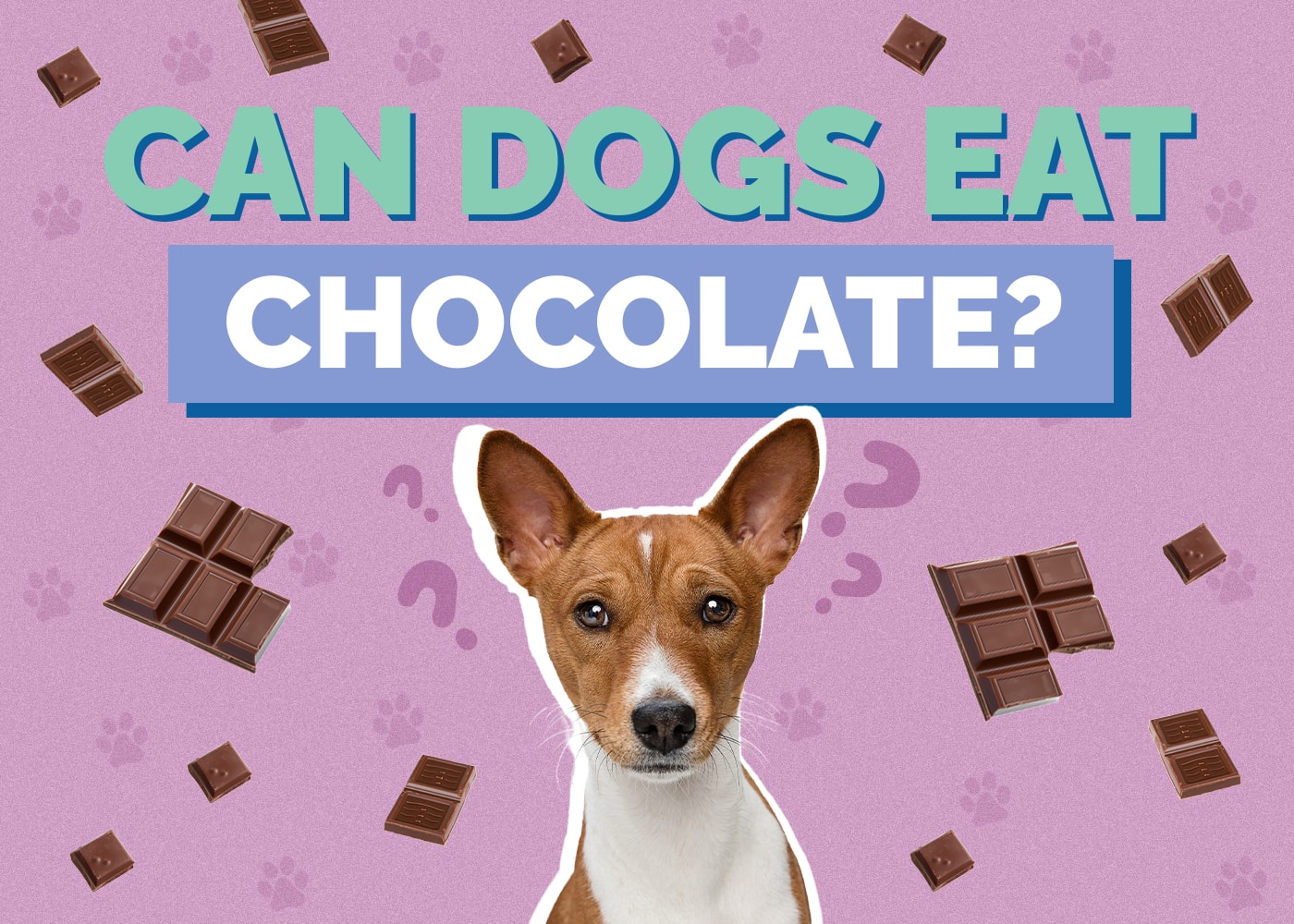
Other concerning ingredients in macarons will be tied to the flavor. Macarons can come in dozens of different flavors, from raspberry to vanilla to chocolate and banana. Chocolate macarons are the most concerning since chocolate is toxic to dogs. They can be made from a variety of different chocolates or feature a chocolate filling in the middle. Thankfully, chocolate macarons are usually brown, so you can quickly identify them and prevent your dog from eating them. But other flavors can also pose a problem.
Now, on to the sugar. When a dog eats a lot of sugar, it can lead to digestive upset, such as vomiting and diarrhea. The excess calories that sugar provides can also lead to weight gain and obesity, which in turn can increase the chances of developing health conditions like diabetes and joint issues. Your dog is better off to avoid sugar, especially in large amounts.
Watch out for sugar-free macarons as well. These may contain the sweetener xylitol, which can be very harmful to dogs.
What to Do If Your Dog Eats Macarons
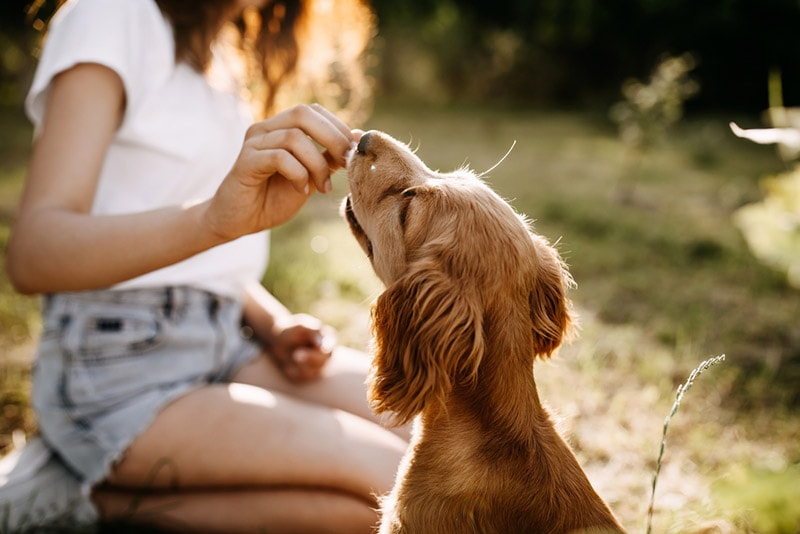
If your dog manages to eat a macaron, don’t panic. Most macarons are harmless, especially in small quantities. However, you will want to check to see what kind of macaron your dog ate. If it is a chocolate or sugar-free macaron, you should monitor your dog for signs of distress or gastrointestinal trouble and consider calling your vet. If it was a jam or vanilla macaron, then your dog will most likely be fine.
If you do notice any gastrointestinal problems or other side effects, or your dog eats a large number of macarons (they are usually small and easy to eat in large quantities), consider taking them in for a check-up. This is especially true if your dog shows signs of an allergic reaction, vomiting, or neurological side effects. Monitor your dog if they have eaten more than one macaron in a single sitting.
Lastly, do not feed your dog macarons regularly. Dogs do not need to eat macarons, and eating large amounts of human food like this can lead to health problems.

Conclusion
Macarons are a delicious and colorful treat for humans but not for dogs. If your dog eats a macaron or two, they will likely be okay, but you should be careful. Macarons can contain harmful ingredients like chocolate and xylitol. The best bet is to simply refrain from giving your dog any macarons. The potential risks are not worth it, considering that macarons provide no health benefits for dogs.
Featured Image Credit: Murilo Silva, Pexels
Get Hepper In Your Inbox


Pet care tips from our vets and experts, straight to your inbox.
You may opt-out at any time. View our Privacy Policy for more information.
Grant is a freelance writer with years of experience writing about a diverse range of topics. His days are spent writing and caring for eight animals (two horses, two donkeys, two goats, and two dogs). In his free time he enjoys slowly carving out a quaint hobby farm from the Southern scrub. He currently lives in his native Florida with his wife and son.
Join the conversation
Ask a question, share your story, or send private feedback.