Hepper is reader-supported. When you buy via links on our site, we may earn an affiliate commission at no cost to you. Learn more.
Can Dogs Eat Marjoram? Vet Approved Facts & FAQ



In this article
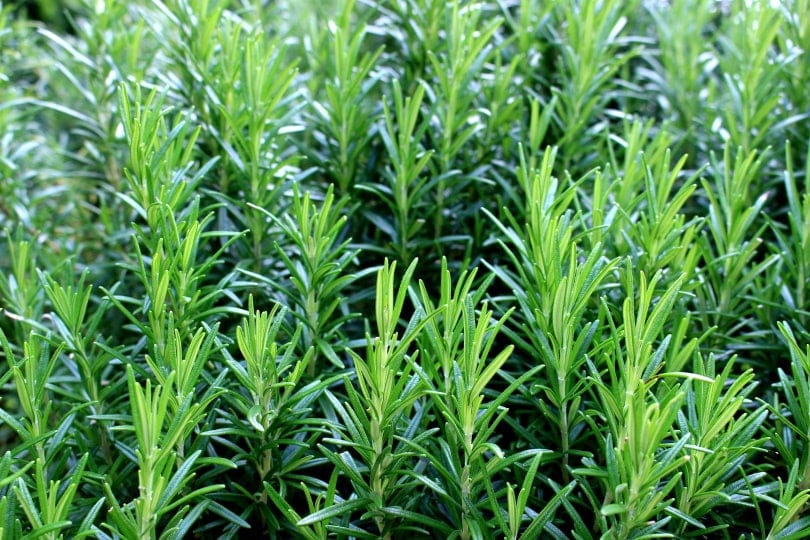
Marjoram is a perennial herb with several culinary uses and health benefits for humans. This aromatic herb is a popular addition to certain soups and sauces and is known for its woodsy taste. Marjoram can also be grown either indoors as a houseplant or outdoors, often making sweet-smelling additions to herb gardens.
Dog owners may unintentionally grow this herb near their dog or include it in their dog’s diet without knowing the risks associated with its ingestion. While marjoram might have a place in our diets, it does not have a place in a dog's diet and is not safe for them to eat.

Is Marjoram Safe for Dogs to Eat?
It is not safe for dogs to eat marjoram, especially in large quantities. Although marjoram is a natural source of antioxidants and has anti-inflammatory properties for humans, there is no evidence of its benefits for dogs.
Furthermore, the ASPCA lists marjoram as toxic to dogs because it is a gastrointestinal irritant.1 Marjoram may cause diarrhea, excessive salivation, and vomiting in dogs after they eat it. There is no current research that has found a safe limit to the amount of marjoram a dog can consume without showing signs of toxicity.
You generally want to avoid feeding the herb to your dog or growing it within their reach. Even if your dog has no previous history of eating the plants you grow, it is still recommended to keep them away from the plant for their safety.
Dogs should get most of their nutrients from a balanced diet formulated with safe and high-quality ingredients. Herbs such as marjoram should never be fed in replacement of your dog’s species-appropriate diet or used for certain ailments at home. While certain herbs can form a beneficial part of a dog's diet when fed appropriately, marjoram is not one of them.
What Happens If a Dog Eats Marjoram?

Marjoram is toxic to dogs and some serious signs of toxicity have been associated with its ingestion. While most cases are mild and limited to a dog’s gastrointestinal tract, other cases might be more severe. This herb contains numerous phytochemical compounds that might be dangerous for dogs. The severity of the toxicity usually depends on how much marjoram your dog has ingested and their size.
Common Signs of Marjoram Toxicity in Dogs
- Vomiting
- Diarrhea
- Increased salivation
- Oral irritation
Don’t hesitate to take your dog to a veterinarian if they have ingested marjoram and start showing signs of toxicity.

Frequently Asked Questions (FAQ)
Can dogs eat dried marjoram?
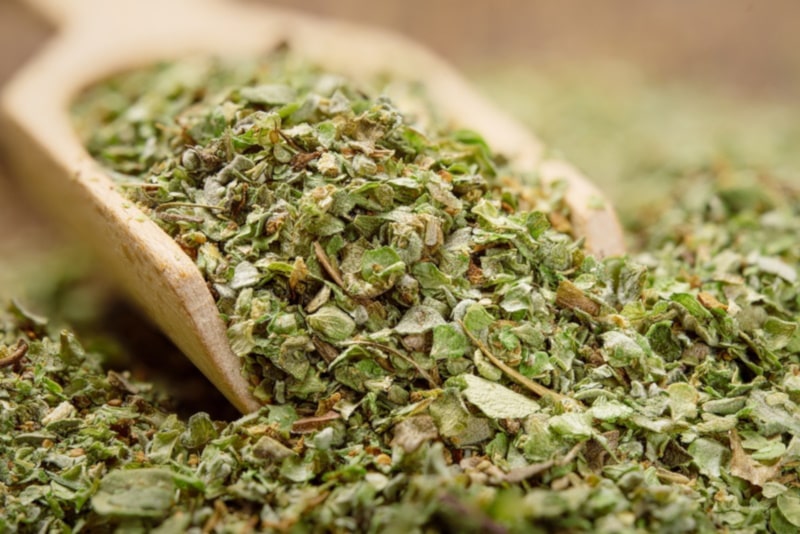
Dogs should not be eating marjoram in any form, including dried, raw, cooked, or seasoning. The safety of this herb has not been established in dogs, and it is a gastrointestinal irritant in dogs that can cause uncomfortable signs of toxicity.
Is wild marjoram safe for dogs to eat?
True marjoram under the scientific name Origanum majorana goes by common names such as pot or knotted marjoram. However, there is another herb known as winter or wild marjoram, more commonly known as oregano.
Oregano is considered safe for dogs to eat in moderation and when used properly, although it should not be confused with true marjoram which is toxic. It is important to be cautious when feeding herbs that share similar common names. Not all of them are safe for dogs to eat if they were to be confused for the same herb.

Final Thoughts
Marjoram is not safe for dogs to eat in any form as it is a gastrointestinal irritant that may cause vomiting and diarrhea. Some dogs might experience more severe signs of toxicity such as seizures and low blood sugar if they ingest a lot of true marjoram. Fortunately, most signs of toxicity in dogs are mild and treatment is usually successful. It is better to avoid feeding this herb entirely to your canine companions, even though the benefits for humans might sound promising for them too.
Sources
Featured Image Credit: Anzhela Shvab, Shutterstock
Get Hepper In Your Inbox


Pet care tips from our vets and experts, straight to your inbox.
You may opt-out at any time. View our Privacy Policy for more information.
Sarah is residing in South Africa with her partner and pets. She currently is interested in veterinary science and ichthyology, which she wants to study alongside her main passion: pet content writing. Sarah has over 60 fish including goldfish, tropicals, shrimp, and snails. She also keeps hamsters and a tarantula and wishes to provide quality content for readers and allow others to learn from her knowledge and experience. Sarah has much experience in all aspects of pet care, and providing the world with knowledge on ethical pet ownership is her lifelong dream.
Join the conversation
Ask a question, share your story, or send private feedback.