Hepper is reader-supported. When you buy via links on our site, we may earn an affiliate commission at no cost to you. Learn more.
What Happens to a Dog Who Eats Table Scraps? Vet-Approved Facts


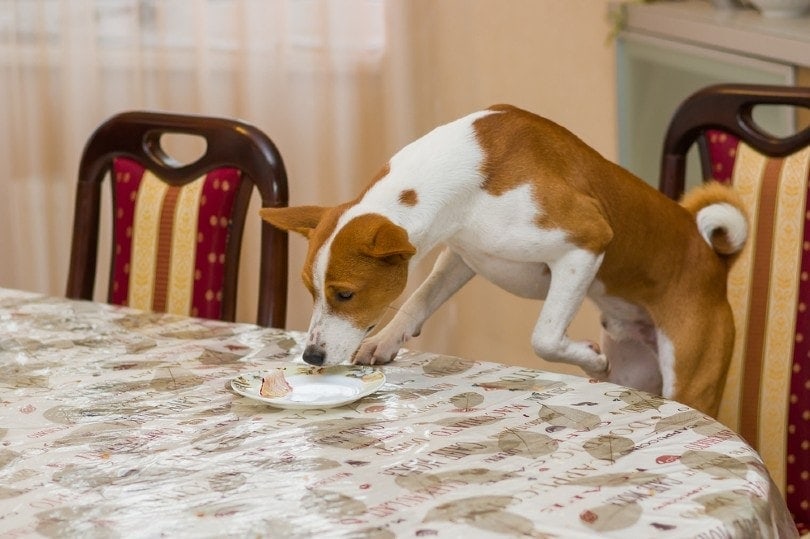
Most dogs will beg at the table, especially if you have something that smells particularly yummy. It can be very tempting to feed your canine scraps when they are giving you those puppy-dog eyes. However, even food that we consider healthy for us may not be suitable for our canines.
Many of the foods we eat can cause serious problems for dogs. If you feed your dog table scraps, they could inadvertently develop health problems. Here are some common problems among dogs that eat table scraps:

The 5 Ways Table Scraps Can Hurt Your Dog
1. Pancreatitis
Pancreatitis is primarily caused by fatty foods, which may be abundant on your table. Usually, dogs don't eat massive amounts of fat with their regular diet, but they may encounter lots of fat if fed table scraps.
The pancreas has two jobs: releasing special enzymes into the digestive tract to assist in food digestion and releasing special hormones to regulate blood sugar levels. This promotes digestion and ensures that your dog’s food is completely broken down. However, sometimes, the enzymes that the pancreas releases become active too early before they get to the intestine. This early activation causes inflammation because rather than breaking down food, it starts breaking down the pancreas. This is pancreatitis.
Eventually, the inflamed pancreas can also release toxins that may attack other organs, like the liver and intestines.
There are several causes of pancreatitis, though it is not yet fully understood. A high-fat diet is one of the main causes of acute pancreatitis, which suddenly comes on. If not treated, pancreatitis can be deadly in severe cases.
Usually, the signs are pretty vague. They can include pain, vomiting, and diarrhea. However, many illnesses cause these problems, so lab work is required for a diagnosis.
2. Gastrointestinal Upset
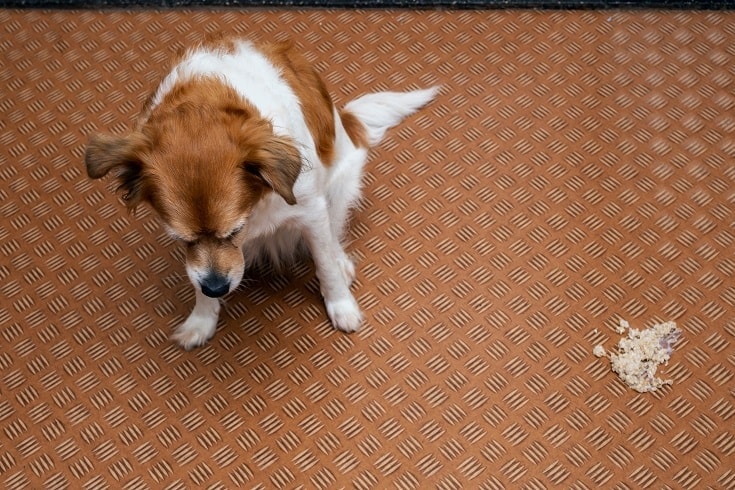
Just like people, canines may develop stomach upset if they eat certain foods. Our dogs aren't used to the rich, fatty foods that we often eat. If you feed your dog table scraps, you may inadvertently cause them stomach problems.
Dogs that have digestive sensitivities may have particular problems with table scraps. Some dogs are more sensitive than others, similar to people. New foods may disrupt their gastrointestinal tract and cause serious all sorts of gastrointestinal signs.
For example, a pet may suffer from vomiting, diarrhea, lethargy, and loss of appetite. Dogs may experience stomach cramps and pain, though this can be more difficult for their owners to identify.
Often, these signs disappear on their own or with some home intervention as long as your puppy is otherwise feeling well. But on occasion, they can cause significant issues, and veterinary care may be required, especially for dogs that become unwell and even dehydrated.
3. Toxin Exposure
Many of the foods we eat are toxic to our furry friends. Things like onions, garlic, raisins, grapes, and chocolate can all cause serious illnesses. Often, pet owners may not wholly think about these ingredients' potential harm until the dog shows signs later. They can be introduced in harmless ways, such as seasoning on top of meat or adding ingredients to bread.
If eaten in high enough amounts, these foods can cause serious problems. For instance, grapes can cause acute kidney failure, while xylitol can cause severely low blood sugar. Both of these problems can lead to death if not treated. In severe cases, they may lead to death even with treatment, as there is no "antidote" to these toxins.
Usually, treatment involves supportive therapy until the body recovers from the toxic effects of the food item. Intravenous fluids and medication to manage signs may be given. Most dogs make a full recovery. Occasionally, the toxins may cause permanent damage to the dog's organs, especially those that affect the kidneys.

4. Bone Splinters
If you feed your dog anything with bones in it, your dog risks ingesting bone splinters. The cooking process dries bones considerably, making it easier for them to splinter. This is especially true for poultry bones, though pork and steak bones should be avoided as well.
These pieces can get caught in your pet's mouth and throat. This can cause minor to moderate injuries. If the bone fragments skip your dog's throat, they may get stuck into your dog's intestines. They can damage the intestinal walls, which can potentially damage your dog's digestive tract considerably.
They can cause considerable pain and distress to your dog. Sometimes, surgical removal may be required. Larger chunks of bone are particularly troublesome, as they can cause more damage.
5. Foreign Bodies
Some things cannot be entirely digested by our dogs, including bones, pits, corncobs, and similar foodstuffs. These foreign bodies can become stuck in their digestive tract, causing a blockage. If not treated, these blockages can be fatal.
Usually, dogs with blockages will lose their appetite. They may vomit, become lethargic, and have diarrhea and a painful abdomen.
If you suspect your dog has an intestinal blockage, we recommend calling your vet as quickly as possible. This disorder can become serious very quickly. If you catch it soon enough, your vet may be able to induce vomiting. However, this is unlikely to happen if you regularly feed your dog table scraps, as you won't think anything of them scarfing down some more food.
Impactions are notoriously tricky to diagnose. Multiple X-rays are often needed, as well as abdominal ultrasounds. Treatment often involves aggressive fluid therapy and medication to support your dog’s digestive system until the foreign body digests, passes through, or is removed surgically.
When to Speak to Your Vet
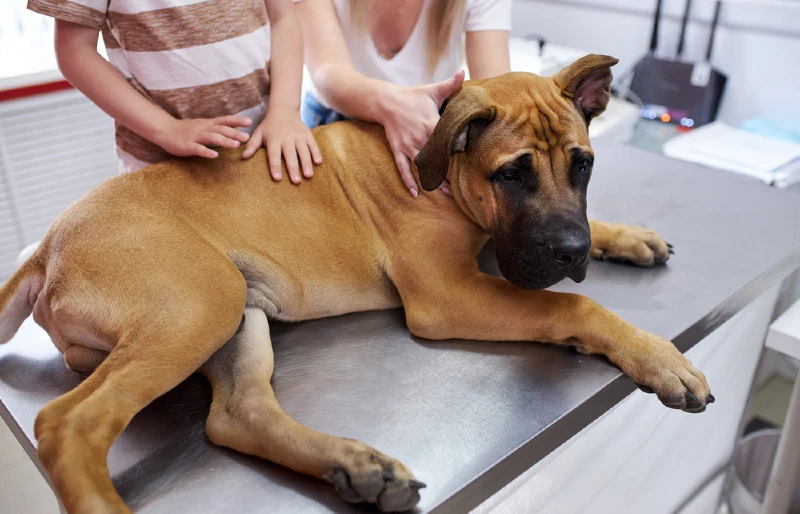
Many of these complications are quite severe and require attention from your vet quickly. Early treatment is often best, especially for toxins and foreign bodies. If your pet begins showing any unusual signs, you should contact your vet. Signs may not happen until hours or even days after the table scraps are consumed.
If your pet needs to see their vet, be sure you inform them of any table scraps they have eaten. Having a complete recipe is often best, as things like onions and grapes can hide in some seemingly innocent foods.
In the end, it is often best to avoid feeding your pet table scraps altogether. They do not provide many benefits in most cases and can potentially cause significant problems.
See Also:
Featured Image By: Yuri Kravchenko, Shutterstock
Get Hepper In Your Inbox


Pet care tips from our vets and experts, straight to your inbox.
You may opt-out at any time. View our Privacy Policy for more information.
Kristin is passionate about helping pet parents create a fulfilling life with their pets by informing them on the latest scientific research and helping them choose the best products for their pets. She currently resides in Tennessee with four dogs, three cats, two fish, and a lizard, though she has dreams of owning chickens one-day!
Join the conversation
Ask a question, share your story, or send private feedback.