Hepper is reader-supported. When you buy via links on our site, we may earn an affiliate commission at no cost to you. Learn more.
Can Dogs Eat Turkey Bones? Vet-Approved Risks & Safety Tips


In this article
Dogs shouldn’t eat turkey bones as cooked bones of all kinds can be dangerous for dogs. The cooking process makes these bones brittle and prone to splintering. These tiny splinters can cause mouth, throat, and intestinal injuries, and may cause blockages and constipation.
Raw turkey bones are much less likely to splinter. However, they do pose risks too. Specifically, they can cause choking and digestive problems. They may also carry food-borne illnesses, as they have not been heated enough to destroy pathogens.
Therefore, it’s best to avoid turkey bones of all sorts.
If your dog accidentally snatches a turkey bone, you should do your best to get it away from them. Doing the “drop it” command can be helpful in this situation. Furthermore, you can also try “trading” it with another high-value treat (like actual turkey).

What Should I Do If My Dog Ate a Turkey Bone?
Turkey bones are not toxic, so you don’t need to worry about rushing your dog to the vet in most cases. However, they are not safe and can cause a range of complications. Therefore, monitoring is very important in these situations.
Firstly, don’t panic. Although the bone can cause problems for some dogs, the chance of serious complications is low. Most of the time, dogs pass bones without complications (unless the bone is too big for their body). Dogs with underlying health issues, are particularly old, or are particularly young may be at higher risk for complications.
You should not try to induce vomiting. This is dangerous, and the bone can injure your dog’s throat if it comes back up. Therefore, it’s best to let the bone pass naturally if possible.
If your dog seems okay after eating the bone, the chance of throat injuries is low. You should watch your dog to ensure they aren’t having trouble breathing. Choking, gagging, and pacing anxiously may indicate an underlying problem that needs to be checked out by the vet.
It can take up to 48 hours for the bone to digest and pass. Therefore, it’s important to monitor your dog and their stools. If your dog has any of the following symptoms, you should contact your vet right away:
- Not passing stool
- Black or bloody stool
- Loss of appetite
- Vomiting
- Lethargy
- Diarrhea
- Abdominal pain
- Abnormal behavior
Preventing Your Dog from Eating Turkey Bones
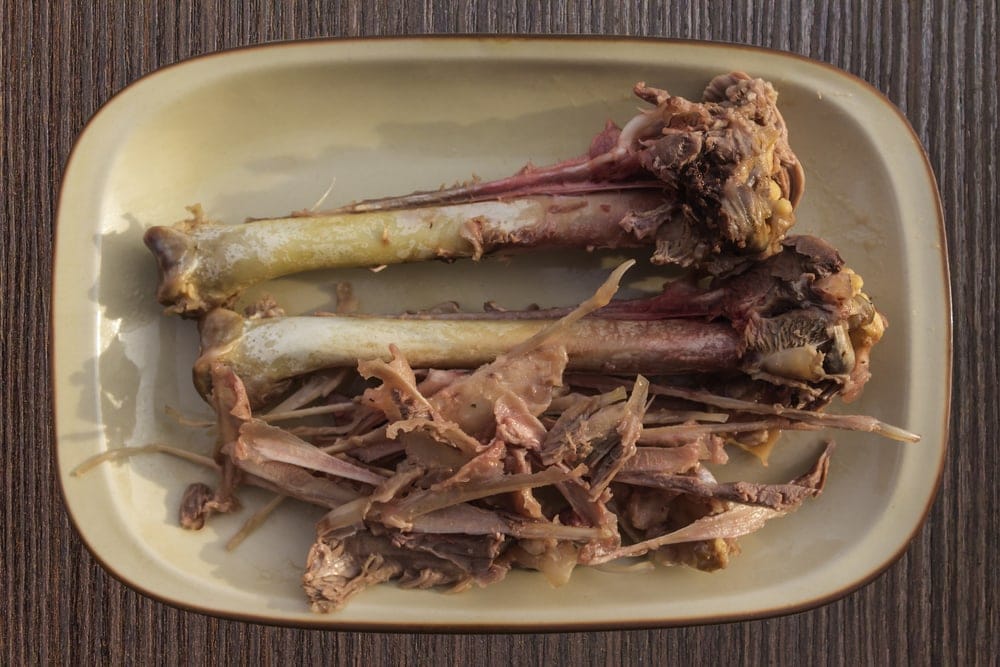
Prevention is the best medicine in this case. Keeping your dog away from bones is often much easier than treatment after your dog has already eaten it. You should properly store bones out of reach where the dog cannot access them. Be sure the trashcan lid is closed, and leftovers are disposed of properly. Often, it’s leftover turkey bones that dogs get ahold of.
You should also try to teach your dog not to steal food. While ignoring food temptations can be hard for dogs, it’s important to help them avoid potentially harmful food like turkey bones.
Instead of giving your dog turkey bones, offer dog-safe alternatives, like bully sticks and dental chews. These allow your dog to chew to their heart’s desire without the potentially harmful effects of turkey bones.
Teach your dog the “drop it” command so that you can get a bone away from them if they do happen to snatch one. Even if they aren’t trained, many dogs will accept “trades” for items like bones if you use high-value treats.
What Happens When a Dog Eats a Turkey Bone?
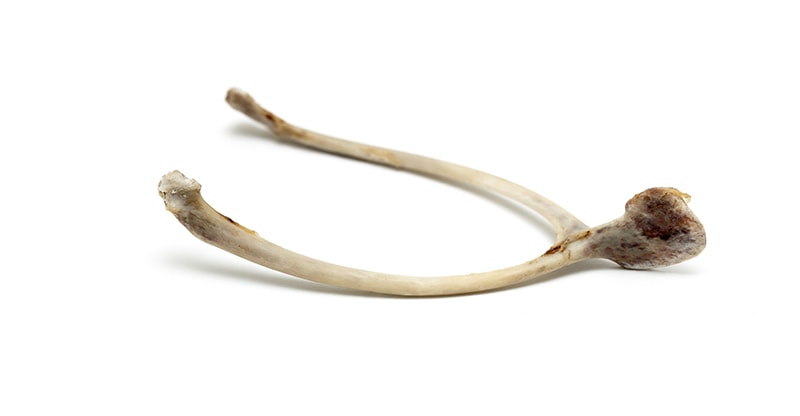
Many things can happen if your dog eats a turkey bone as the size, shape, and condition of the bone all matter. If the bone was cooked and splintered, the result will be much different than a whole, uncooked bone.
In some cases, turkey bones can lead to serious complications and these typically need veterinary care. Here are some of the potential risks and consequences of a dog eating a turkey bone:
- Mouth and tongue injuries: Bones can be fairly sharp. They can cut a dog’s mouth, causing bleeding and pain. While this isn’t always serious, it can sometimes lead to infections.
- Choking: If the bone gets stuck in your dog’s throat, it can cause choking. Without fast treatment, this can be deadly.
- Piercing: Sharp bone splinters can also puncture a dog’s stomach or intestines, causing internal bleeding. Infection and peritonitis (a serious abdominal infection) can also occur. These may be deadly if not treated promptly.
- Constipation: Lots of bone matter can cause the dog’s stool to be hard, leading to constipation and discomfort. Your dog may only be constipated for a day or so, or they may need veterinarian intervention.
- Rectal bleeding: Bones can scrape and tear the rectum's lining as it passes through, causing pain and bleeding. The bleeding may be mild or serious, depending on the amount of damage that was caused.
- Blockages: The bone can get stuck anywhere in the dog’s body. When this occurs, the dog’s digestive system comes to a stop. Food and water are prevented from traveling down the intestines. This can cause severe pain, dehydration, electrolyte imbalance, and organ failure. It’s extremely serious and often requires surgery to remove the blockage.

Conclusion
Dogs should not chew or eat turkey bones—cooked or uncooked. While turkey bones are not toxic (and cooked turkey can be very healthy for dogs), bones have many potential problems.
They can cause obstructions that can be deadly and may even need to be surgically removed.
Cooked bones may seem better, as they likely won’t carry pathogens. However, the cooking process breaks down bones and makes them brittle. They are much more likely to splinter, and these splinters can be extremely sharp. In the end, this can lead to puncturing of the intestines and sores in the mouth.
Turkey bones should not be given to dogs for this reason. There are simply too many risks associated with them.
You Might Also Be Interested In:
Featured Image Credit: Mikhail Palanin, Shutterstock
Get Hepper In Your Inbox


Pet care tips from our vets and experts, straight to your inbox.
You may opt-out at any time. View our Privacy Policy for more information.
Kristin is passionate about helping pet parents create a fulfilling life with their pets by informing them on the latest scientific research and helping them choose the best products for their pets. She currently resides in Tennessee with four dogs, three cats, two fish, and a lizard, though she has dreams of owning chickens one-day!
Join the conversation
Ask a question, share your story, or send private feedback.