Hepper is reader-supported. When you buy via links on our site, we may earn an affiliate commission at no cost to you. Learn more.
Can Dogs Get the Flu? Vet Approved Facts & FAQ


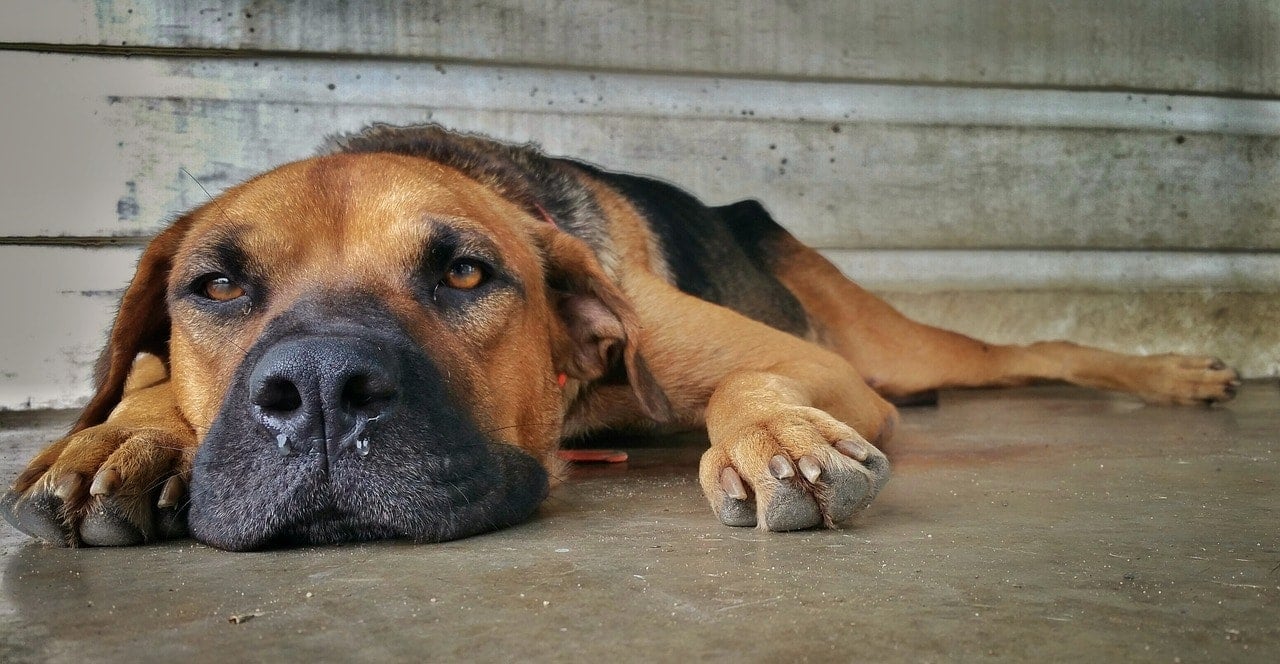
Anyone who’s ever had the flu can tell you how awful it can be. The fever, cough, body aches, and sore throat can be horrible. As a pet owner, you might wonder if you can pass your ailments on to your dog. While it is unlikely, dogs can get human influenza, they can be susceptible to respiratory infections, including the canine influenza virus (CIV).
Read on to learn about canine influenza, including its signs, treatment options, and risk factors.

What Is Canine Influenza?
Canine influenza comes from two influenza strains: H3N8 and H3N2. Both strains can infect other species (H3N8 is of equine origin, and H3N2 is of avian origin), but they can now infect and spread among dogs.
Though the H3N8 virus has been infecting horses for over 40 years, it wasn’t until 2004 that people realized it mutated and could also infect dogs. This virus is now known as the canine influenza virus and is highly contagious among dogs.
Thankfully, the H3N8 virus kills very few healthy individuals, and most deaths resulting from the infection are in dogs dealing with other illnesses.
In Chicago in 2015, a new influenza strain (H3N2) was identified during a respiratory illness outbreak. Before this time, this particular strain of canine influenza had only occurred in Asia after being transferred from birds to dogs. The severity of this virus tends to be greater than others, especially in pups with higher risks of developing infections.

What Are the Signs of Canine Influenza?
It’s pretty easy to recognize the signs of the flu when humans have it, but what should you look for when it comes to canine influenza?
As it turns out, many of the same signs, though dogs with the H3N2 strain may be at a greater risk of developing more severe signs.
The most common clinical signs include:
- Antibiotic-resistant cough
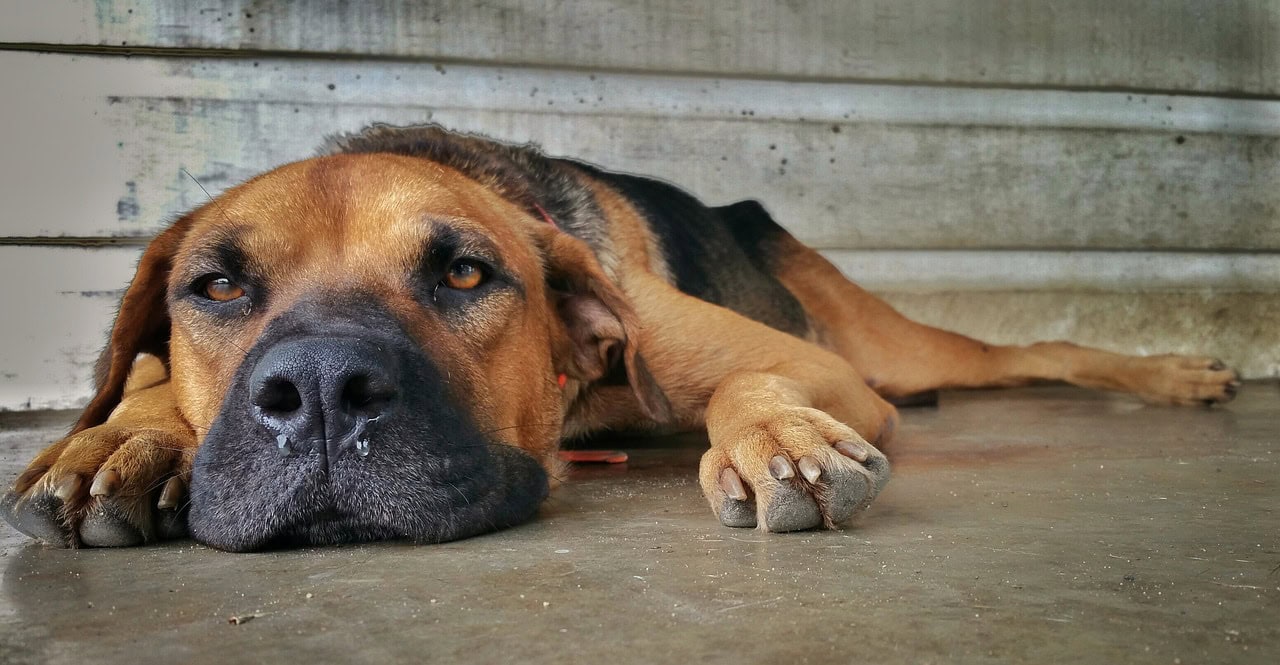
- Runny nose
- Fever
- Reduce appetite
- Lethargy
- Eye discharge
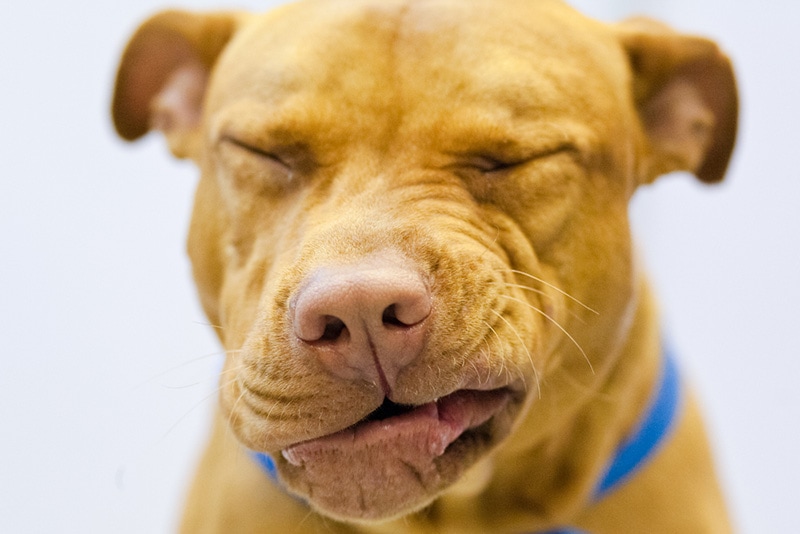
Some dogs may not show any signs of the virus at all.
CIV is very similar to countless other respiratory infections, which often results in CIV being mistaken for kennel cough or other similar conditions. Because it’s hard to distinguish between CIV and other conditions, it’s best to have your dog looked at by your vet.

Are Certain Dogs More at Risk for CIV?
Senior dogs or those with existing heart or respiratory conditions can be more likely to contract CIV. This includes brachycephalic breeds, like Boston Terriers and Shih Tzus.
Dogs that regularly interact with other dogs or spend time in areas heavily populated with other pups can be at a higher risk of contracting CIV. For example, dogs regularly visiting dog parks, kennels, doggy daycare, or the groomer would be much more likely to get an infection than those who don’t spend much time outside their own yard.
Unfortunately, since this is a relatively new disease, there is no naturally acquired immunity. All dogs can therefore be susceptible to infection.
How Can I Prevent a CIV Infection?
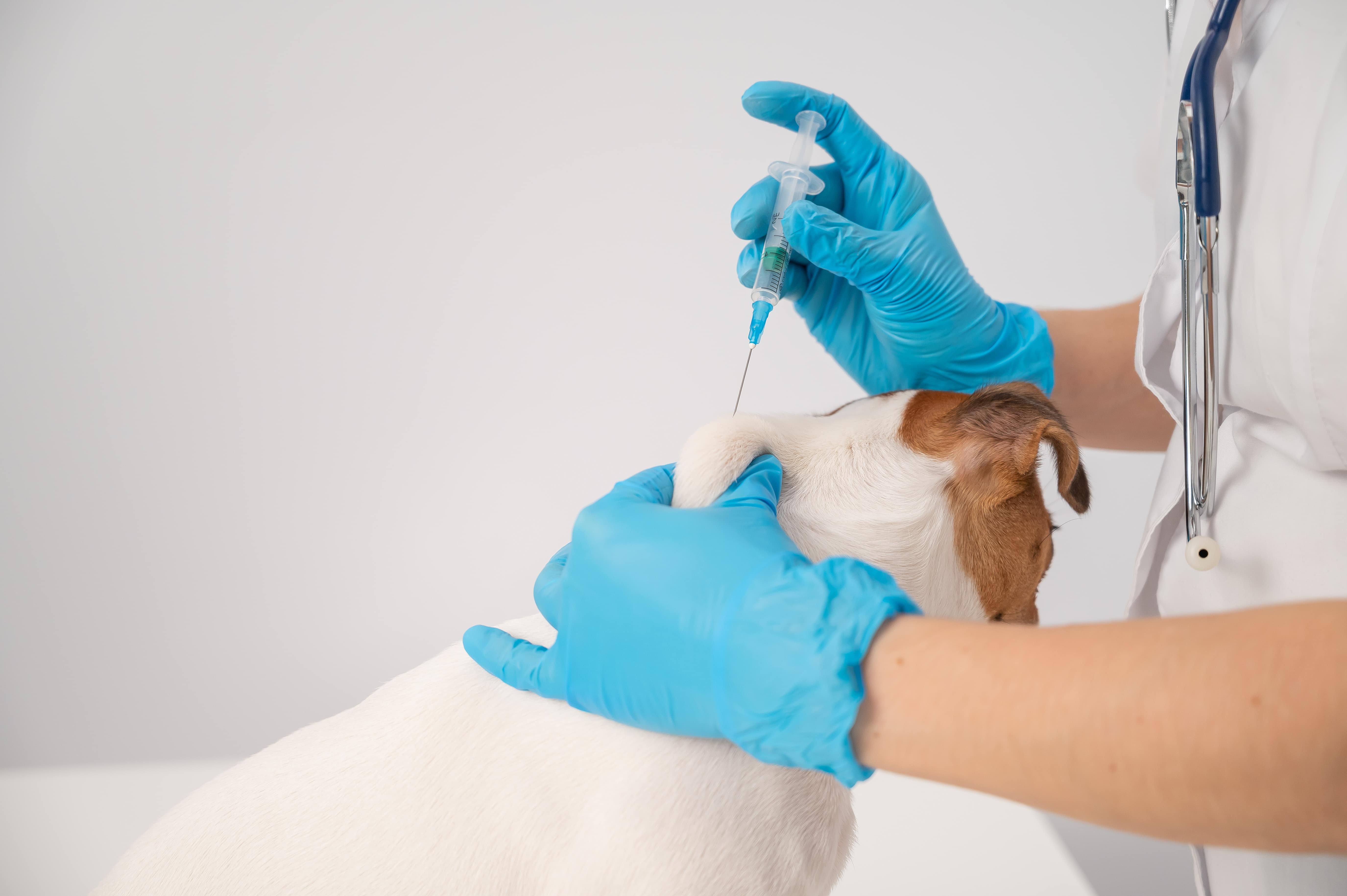
Thankfully, a vaccine is available to prevent illnesses caused by the canine influenza virus. Unfortunately, the CIV vaccine will not 100% prevent the disease. However, it can reduce the severity and duration if your dog gets an infection.
As with any vaccine, consider your dog’s risk and lifestyle before deciding if getting your dog vaccinated is worthwhile. If your pup spends most of its day indoors and doesn’t come into contact with other dogs, it will be much less at risk than those that travel often, spend time in kennels, or visit the dog park daily. It’s important to know that there have been no reported issues with this vaccination to date, so you might consider erring on the side of caution and getting the vaccine even if your dog isn’t at a high risk of contracting CIV.

What Is the Treatment for CIV?
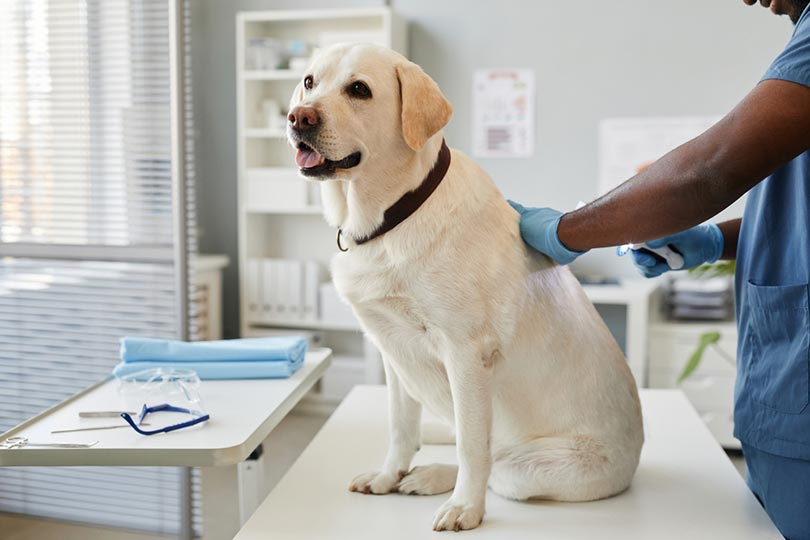
Your vet can perform a nasal swab test to see if your dog has CIV. They may also recommend other tests like X-rays or bloodwork to see how severe the infection is. Once you have confirmation that your dog is positive for CIV, the treatment will be focused mostly on being supportive.
You’ll need to keep your pet in a warm, dry area of your home far out of reach from other dogs. It should get plenty of rest and extra fluids to ensure proper hydration. Your vet may recommend medication to reduce a fever and nutritional support if it’s unable to eat well.
Some pups will develop secondary infections, resulting in thick green nasal discharge. In this case, your vet may recommend a round of antibiotics. The unfortunate dogs that develop pneumonia may need to be hospitalized to get well.
The infection will usually clear up in two or three weeks.
Can I Get the Flu From My Dog?
CIV does not pose a threat to humans, so if your dog contracts the virus, you can give it as much love and care as necessary without worrying about it being contagious. That said, just because there are no reported cases of dog flu in humans doesn’t mean there won’t ever be. Viruses are constantly changing and evolving, so there may come a time when it can infect humans.

Can My Dog Get the Flu From Me?
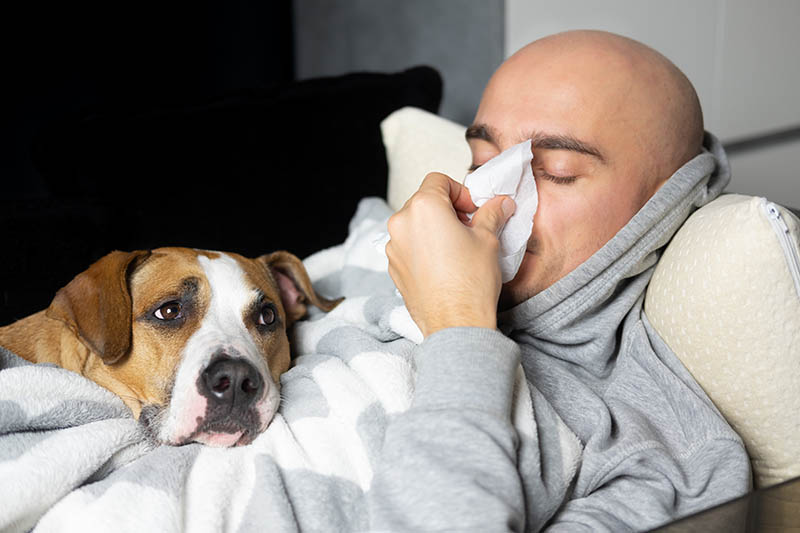
We’ve spent the majority of this article focusing on canine influenza, but what about the influenza that humans contract? Can your dog catch the flu from you if you’re sick?
According to PetMD, the types of colds that dogs contract differ from those we contract. These illnesses are not communicable between species. At least, not yet.
Final Thoughts
Dogs can contract canine influenza, a highly contagious infection with many of the same clinical signs as the flu we can contract as humans. Thankfully, a vaccine is available for dogs at a higher risk of developing such respiratory infections. While the vaccine won’t provide 100% immunity from the flu, it can lessen the severity of your pup’s signs and the duration of its illness.
If your vet has determined that your dog has the flu, the best thing you can do is provide supportive care. Make sure it’s getting plenty of rest and fluids. If you notice any new signs or side effects that aren’t going away, contact your vet for another examination. It’s common for pups to develop secondary infections from the flu, so keep your eye on your pet while it’s ill to determine if it needs further treatment.
Sources
https://pets.webmd.com/dog-flu-symptoms-causes-treatment#7012e76c-2dde-4bbd-a3c9-de6f87ac1f54-1-4
https://www.petmd.com/dog/seasonal/evr_dg_cold_germs_and_your_dog
https://vcacanada.com/know-your-pet/canine-influenza-the-dog-flu
https://www.akc.org/expert-advice/health/the-dog-flu-symptoms-you-need-to-know/
Featured Image Credit By: RonaldPlett, Pixabay
Get Hepper In Your Inbox


Pet care tips from our vets and experts, straight to your inbox.
You may opt-out at any time. View our Privacy Policy for more information.
Chantelle's life revolves around two passions: writing and animals. Raised on the prairies of Canada amidst a menagerie of pets, she now lives with five cats, two guinea pigs, and a bearded dragon. Together with her husband and child, Chantelle delights in being an exemplary animal parent, going as far as installing wall-mounted cat shelves to give their cats an indoor playground. When she's not cozying up with her cats or snapping their amusing antics, she enjoys venturing into the Rocky Mountains, binge-watching her favorite Netflix shows, and indulging in spontaneous reading adventures.
Join the conversation
Ask a question, share your story, or send private feedback.