Hepper is reader-supported. When you buy via links on our site, we may earn an affiliate commission at no cost to you. Learn more.
Can Great Danes Be Service Dogs? Vet-Verified Facts & Info


In this article
Service dogs are becoming widely popular due to their emotional and physical benefits to humans. The companionship, loyalty, and special training of the service dog can in so many different ways.
Certain breeds are selected to perform different types of training than others. For instance, you've likely seen a Golden or Labrador Retriever playing this role. But can a Great Dane, a dog so massive, be a service dog?
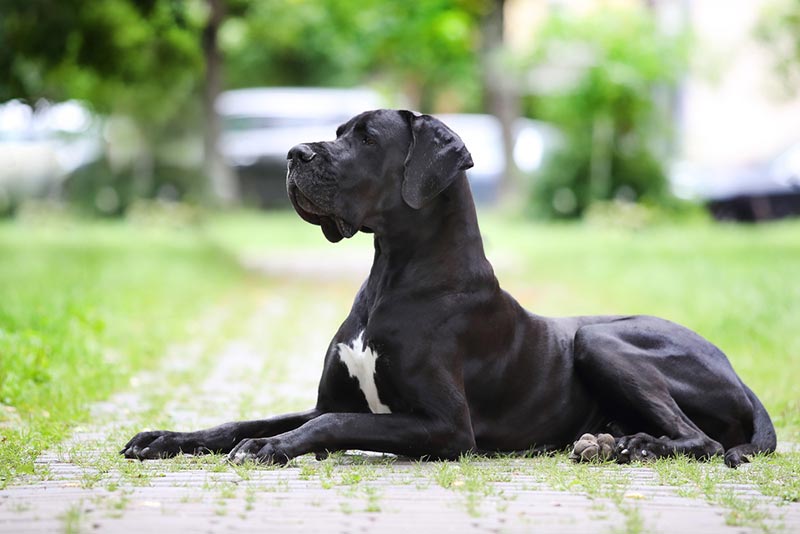
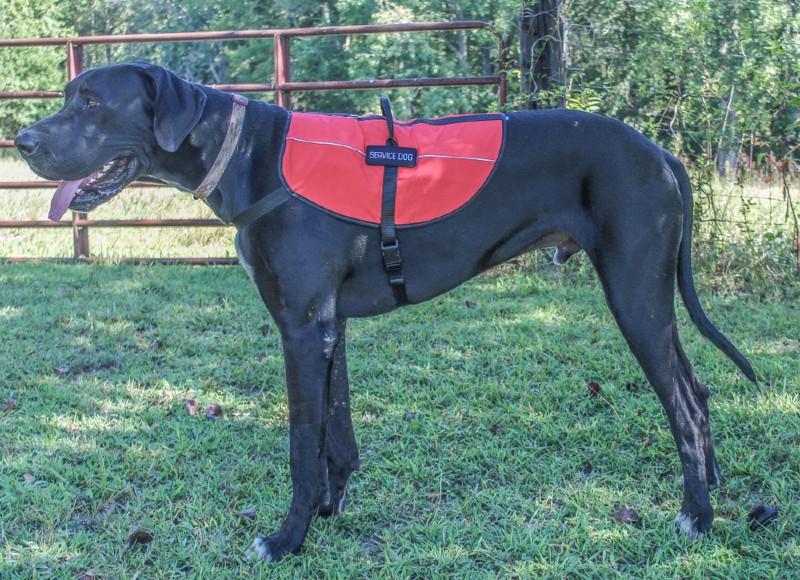
The answer is absolutely, they make fantastic service dogs, and we will tell you why.

What Is a Service Dog Exactly?
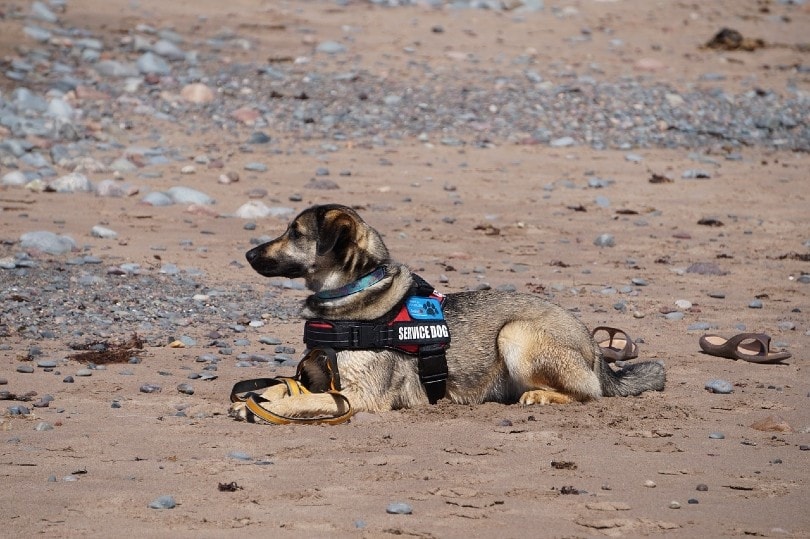
A service dog is a professionally trained animal that is educated in a specific area. For instance, dogs can serve diabetic people, warning them when their sugar is low. Or they can serve people with epilepsy and other seizure disorders, alerting the owner and others when a seizure is going to occur. Whatever the service, the dog you purchased is specifically trained to perform that type of assistance.
The 6 Types of Service Dogs
Different types of service dogs perform a variety of roles. Your service dog will depend on the needed role the dog must fill.
1. Medical Service Dog
Traditional service dogs are those that are trained for a specific health-related assistance task. These dogs are typically elected to help people with certain disabilities and conditions.
Some of these conditions include:
2. Psychiatric Service Dog
A site service dog is skilled in a particular field, mental health.
These people can suffer from a variety of mental disorders, such as:
3. Mobility Assistance
Mobility issues are those which affect a person's ability to move around. Most people depend on other forms of movement, such as wheelchairs, walkers, crutches, etc. These dogs help to navigate people with these issues to keep them safe, protected, and guided.
4. Therapy Dog
A therapy dog is a canine who takes a leadership role in supporting, comforting and showing affection toward those in medical settings. They usually help with emotional or mental disabilities such as autism, Down’s Syndrome, and other chronic issues.
These are often places such as:
5. Medical Alert Dog
Medical alert dogs have been explicitly trained for a particular area of service. The training for medical alert dogs is usually pretty extensive, as they have to learn the body's reaction to the stimuli and how to bring awareness to the person before an episode.
These diseases include:
6. Emotional Support Dog
Emotional support dogs are slightly different from the others we've mentioned. To be an emotional support animal, the dog doesn't have to undergo any rigorous training. They simply serve as a companion for people with mental and emotional disabilities.
These dogs are not recognized by the Americans with Disabilities Act.
Emotional Support Animal vs. Psychiatric Service Dog
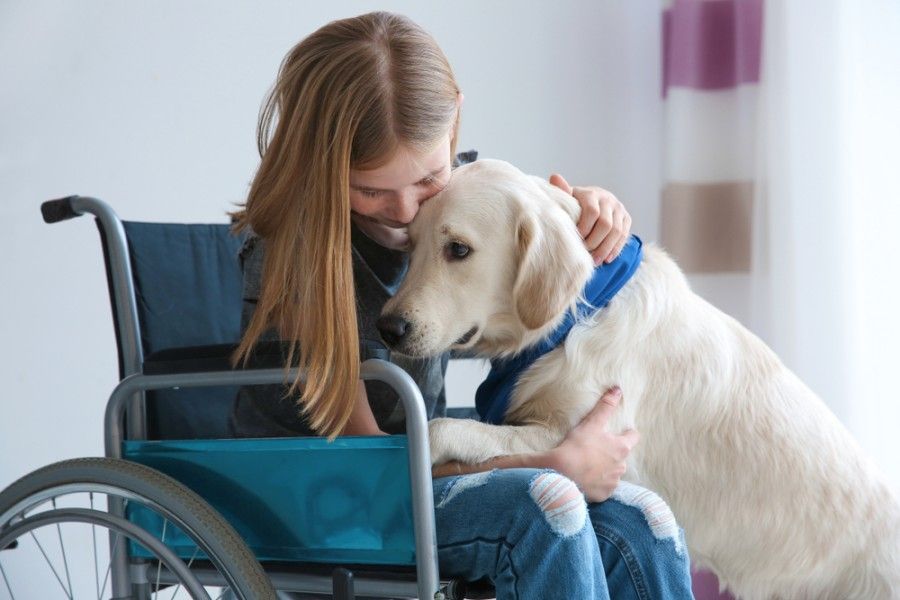
After reading about the different types of service dogs, you might wonder what the big difference is between a psychiatric service dog and an emotional support animal. While it might look confusing at first, the answer is relatively simple.
An emotional support animal can be any animal of any kind, permitting the person has a written doctor's prescription for the animal. On the other hand, psychiatric service dogs undergo specific training for certain types of mental illnesses. They are trained in the area the person needs.
What Factors Make a Great Service Dog?
Having an obedient, alert, emotionally intuitive breed helps tremendously in the service field. You will often see dogs such as Golden Retrievers, Labrador Retrievers, German Shepherds, Border Collies, and other intelligent breeds taking on these types of roles.
Great service dogs must have optimal self-control, take orders directly, and do their job efficiently. Especially with any medical service, the dog must respond as they should every time an event arises. In some cases, it can very well be life or death for their person.
Getting a dog that's had the appropriate training and passed with flying colors is crucial at these times. However, Great Danes make just as well emotional support animals as they do service dogs.
So, if you just require companionship without the extra extensive training, Danes really do have the personality to take on either.
Why Danes Make Excellent Service Dogs
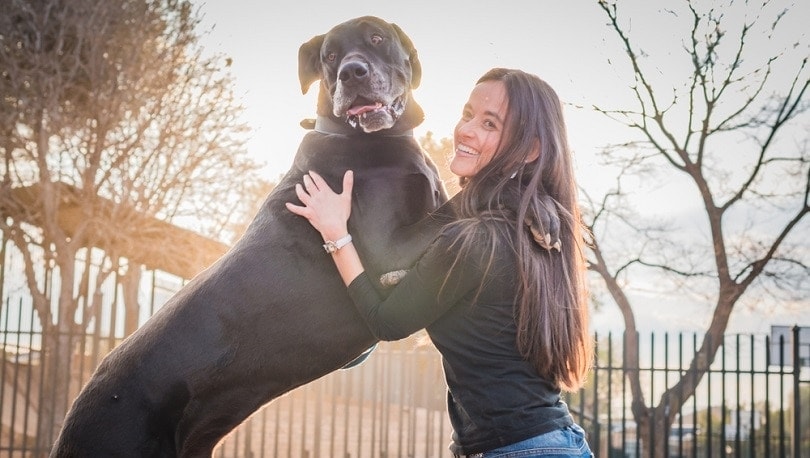
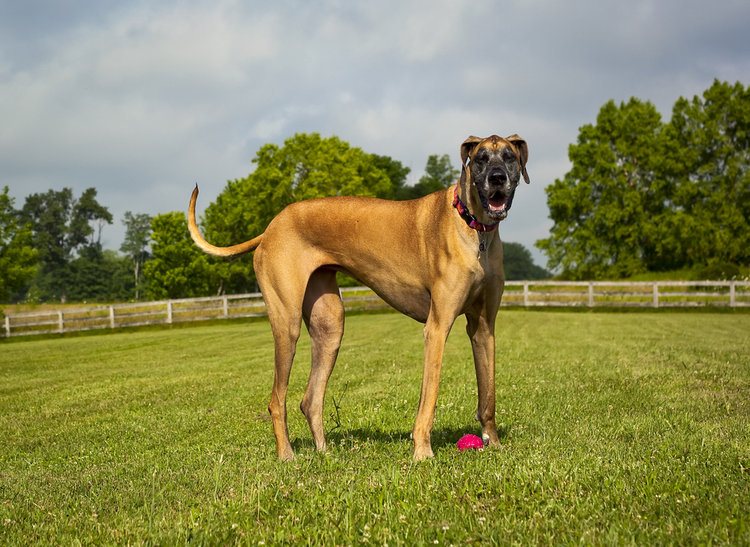
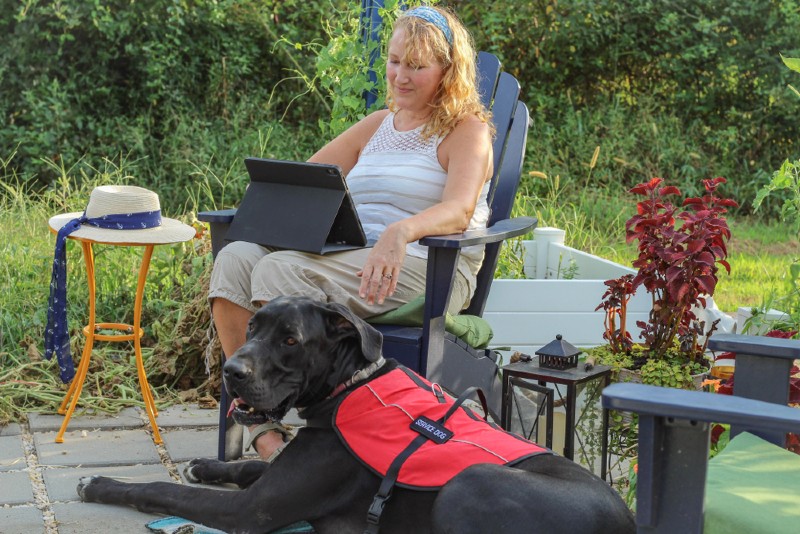
Great Danes can make absolutely terrific service dogs because of their overall demeanor. Not only will some feel naturally protected by the size of the Great Dane, their entire personality signals comfort.
If you have a trained service dog of this breed, you can expect to be continually supported due to their calculated, concerning behavior toward those they love—the Great Dane is a leader and a gentle soul.
Concerns with Great Danes as Service Dogs
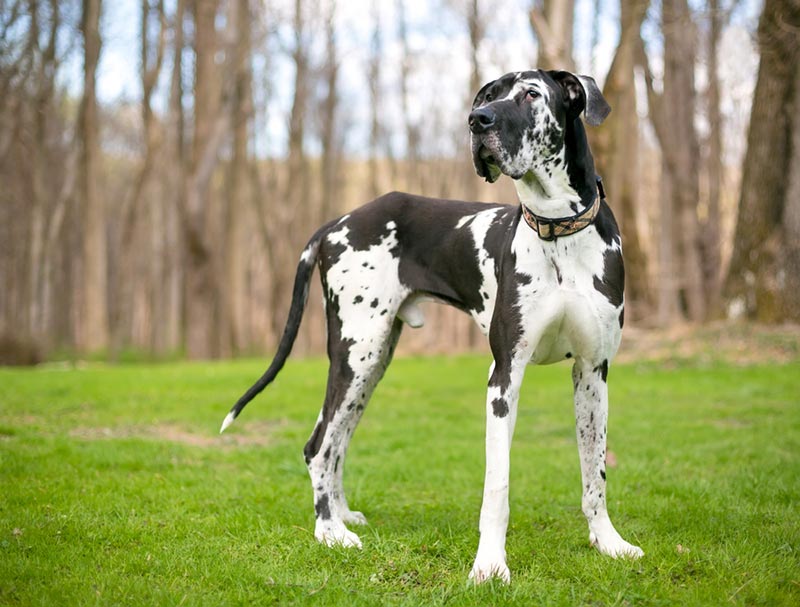
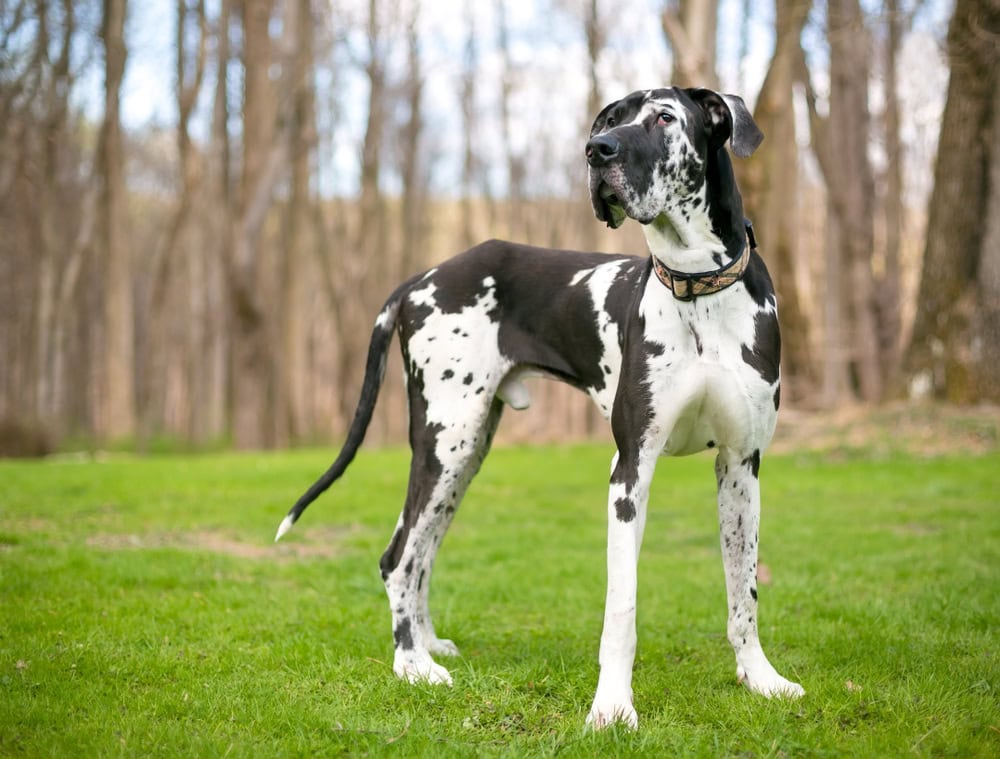
Some people might not be too keen on having a Great Dane as a service dog due to its size. Great Danes can get enormous, weighing far above 100 pounds as adults. For some people, the size is just too hard to handle.
Remember that these dogs are still dogs who will want to run, jump, and play sometimes. If you can't physically handle the dog, it could pose a health risk due to potential injury.
How to Purchase a Dane Trained for Service
Your first step is locating a trainer in your area specializing in service dogs. Your Great Dane will have to be explicitly trained in your area of need. This could mean different things for certain types of service.
You can even ask your veterinarian or other professionals for resources to get in touch with people in the business. For some of you, it might involve travel. Others require an extensively long waiting list, as the dog's training is very particular to the end of the jewel.
Conclusion
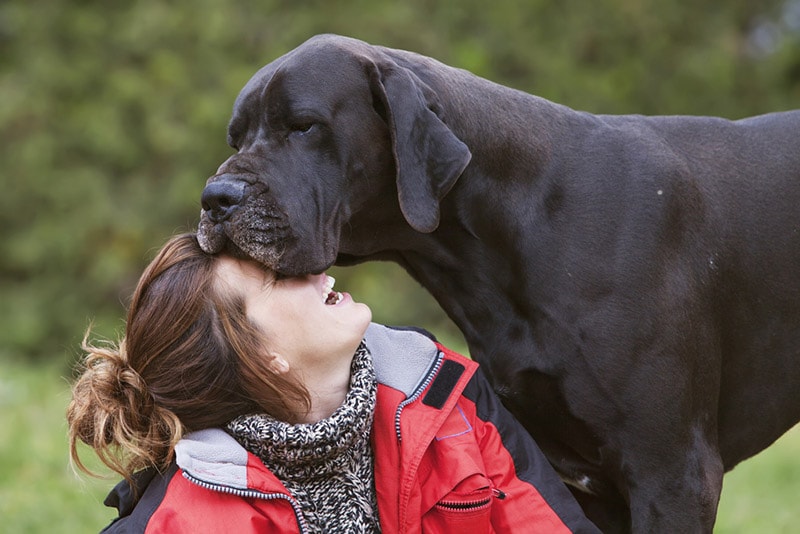
So now you know that Great Danes make absolutely fantastic service animals. Since they are so easy to train and affectionate, these gentle giants make excellent protectors and great judges of character. They are incredibly loyal and obedient in their duties and with their humans.
If you want a service dog, you'll have to look for a Great Dane that is specifically trained in your area. Often this requires being on a waiting list, so prepare for some time in between.
See Also:
Sources
Featured Image Credit: ButtermilkgirlVirginia, Shutterstock
Get Hepper In Your Inbox


Pet care tips from our vets and experts, straight to your inbox.
You may opt-out at any time. View our Privacy Policy for more information.
Ashley Bates, a freelance writer with a passion for pets, is currently studying animal therapy. She is a mother to four children and 23 pets, both furry and feathery. Ashley actively volunteers at local shelters, advocates for animal welfare, and rescues animals in distress. Her mission is to promote awareness, education, and entertainment about pets to help prevent animal homelessness. She specializes in the care and well-being of dogs and cats.
Join the conversation
Ask a question, share your story, or send private feedback.