Hepper is reader-supported. When you buy via links on our site, we may earn an affiliate commission at no cost to you. Learn more.
Can Tortoises Eat Brussel Sprouts? Vet Approved Nutrition Facts and FAQ


In this article
The classic fable doesn’t lie: tortoises are famous for their slow and steady pace and relaxed personality. These adorable reptiles come in a variety of species and eat exclusively herbivorous diets. As a responsible pet owner, of course, you’re trying to provide our tortoises with a diet that will ensure their overall health and well-being.
Since tortoises can eat many of the fruits and vegetables humans often have around the house already, you may be wondering: can they eat Brussels sprouts? Yes, your tortoise can enjoy a moderate amount of the crunchy cruciferous veggie!
Read along to learn more about the dietary habits of tortoises, their nutritional requirements, and why Brussels sprouts are a suitable addition to their diet.

Understanding Tortoise Diets in the Wild
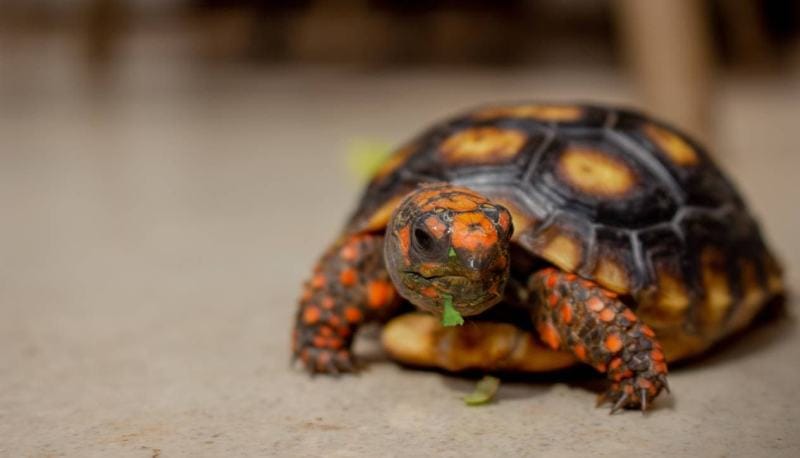
Tortoises are happy herbivores that feed on plants, fruits, and other vegetation. They’re found on almost every continent and occupy environments from arid deserts to lush rainforests. In the wild, their diet consists of a variety of leaves, flowers, grasses, fruits, and even cacti, depending on the species and the region they inhabit. Their ability to consume a diverse array of plant material is an adaptive mechanism that allows them to live in so many different places.
Tortoises use their strong jaws and beak-like mouths to cut and chew plants (and to bite if they feel threatened). Fun fact: no tortoise species has teeth! Their digestive systems are specialized to extract nutrients from fibrous plant matter, making them well-suited to a herbivorous lifestyle.
Nutritional Requirements of Tortoises
Like all herbivores, tortoises require a diet rich in fiber, vitamins, and minerals. A balanced diet ensures proper growth, shell development, egg development, and immune system function.
The essential nutrients for tortoises include the following:
Can Tortoises Eat Brussels Sprouts?
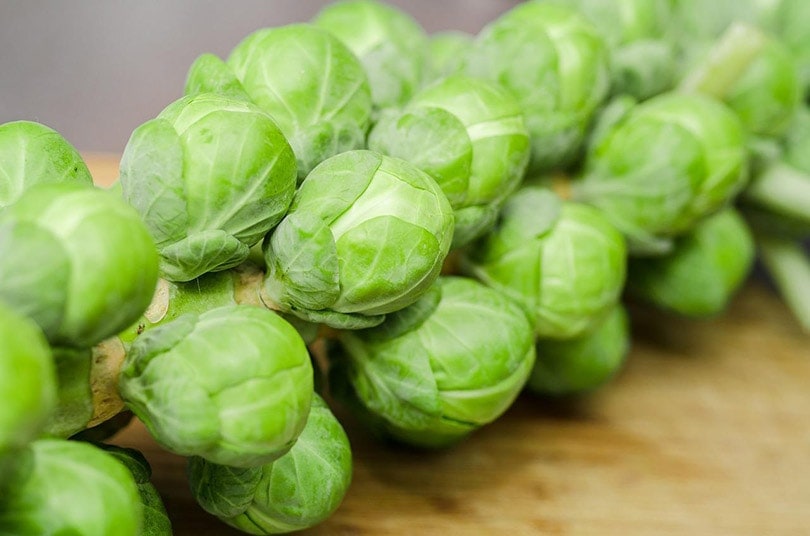
Most of us either love ‘em or we hate ‘em; people definitely have some strong feelings about Brussels sprouts! They are a type of cruciferous vegetable related to cabbage and broccoli and are a standard dish for many holiday tables. While they’re obviously safe for humans to eat, can your pet tortoise also dine on Brussels sprouts? The answer is both yes and no, depending on how they are offered and in what quantity.
Brussels sprouts are relatively high in fiber, vitamins, and minerals, making them potentially beneficial as a part of a varied diet for tortoises. However, they also contain goitrogens, which are compounds that can interfere with iodine uptake and potentially affect thyroid function when ingested regularly in large amounts. Interestingly, Brussel’s sprouts also contain a large amount of iodine and this will to some extent counteract the detrimental effect of the goitrogens.
As a result, Brussels sprouts should only be fed to tortoises occasionally and in moderation. Offering them as an occasional treat, along with a diverse selection of other vegetables and plants, can help provide variety in their diet.
Preparing Brussels Sprouts for Tortoises
When offering Brussels sprouts to your tortoise, be sure to prepare them properly to ensure they’re safe for your reptile buddy. First, make sure to thoroughly wash the Brussels sprouts to remove any pesticides, dirt or critters. Remove any wilted or damaged leaves and cut the sprouts into smaller, more manageable pieces.
Steaming or boiling Brussels sprouts is recommended before feeding them to your tortoise. This softens the sprouts, making them easier to chew and digest. Avoid using any herbs/spices, oils, salt, or butter, as these additives can be harmful to tortoises. Save that platter of decadent roasted sprouts for your human family members! They can also be given to your tortoise raw but loosen as many of the tightly bunched leaves as you can to help your tortie digest them easily.
Variety Is Key
While Brussels sprouts can be offered as an occasional treat, do not rely solely on them (or any single food item) for your tortoise's diet. Variety is key to providing a well-balanced and nutritious diet for these reptiles; it’s hard to give too little or too much of a specific vitamin or mineral if you’re offering a varied diet.
- Grasses and a mixture of herbs, weeds and flowers are the mainstay of a tortoise's diet. Make sure you check which grasses and herbs are healthy and safe.
- Offer a mix of dark leafy greens, such as collard greens, kale, and dandelion greens as they are excellent sources of essential nutrients. Although nutritious, dark leafy greens can be high in oxalates and goitrogens which can interfere with calcium and iodine uptake respectively. Offer them sparingly and not at the same time as other dark leafy greens.
- Other vegetables like carrots, bell peppers, and squash can add some yummy variety to your tortoise's meals and are high in carotenoids.
- Fruits, such as apples, grapes, and melons, can be offered very sparingly but only if your tortoise species is a natural fruit eater. If they aren’t, they won’t be able to process the sugar found in fruit, leading to intestinal upset.
- Flowers, especially the beautiful hibiscus, forget-me-not, geraniums and marigolds are also wonderful sources of nutrition for tortoises (and they look very cute when they eat them!).
- Providing calcium supplements, particularly for young tortoises and gravid (pregnant) females, can help ensure proper shell development and overall health. Remember that the dietary requirements of tortoises can vary depending on their species, age, and health, so do your homework and speak to your veterinarian when it comes to your particular tortoise.

Foods to Avoid
While Brussels sprouts can be a part of a balanced diet for tortoises, there are several foods to avoid because they are toxic or harmful.
Some common foods to avoid include:

Conclusion
Tortoises are popular pets with specific dietary requirements to ensure their overall health and well-being. Brussels sprouts can be a part of their diet as an occasional treat, but they should not be the primary or sole food source for tortoises due to their goitrogenic content. By offering a balanced diet full of variety and providing proper care, you can help to ensure that your tortoise lives a healthy and fulfilling life. You’ll be able to enjoy watching your slow but steady friend thrive under your care for decades to come.
When in doubt about diet and nutrition, always consult with a veterinarian who specializes in reptiles or a herpetologist. It’s always better to be safe than sorry.
Sources
http://www.thetortoisetable.org.uk/site/files/Edible%20doc%203rd%20edition_2013_condensed.pdf
https://lafeber.com/vet/basic-information-sheet-mediterranean-tortoises/
https://www.safarivet.com/care-topics/reptiles-and-amphibians/turtle-and-tortoise/nutrition/
https://www.thetortoisetable.org.uk/plant-database/viewplants/?plant=681&c=8
http://thetortoisetable.org.uk/tortoise-diet/harmful-properties/#.WCHawXecZBx
Get Hepper In Your Inbox


Pet care tips from our vets and experts, straight to your inbox.
You may opt-out at any time. View our Privacy Policy for more information.
Oliver (Ollie) Jones is a zoologist turned freelance animal writer living in South Australia with his partner Alex and their mini zoo consisting of many aquatic creatures, dog Pepper, and of course, cat Steve. Ollie is originally from the USA and holds a Master's degree in wildlife biology. He hopes to share his feline knowledge and expertise with people so they can share in his passion and help their cats live their best lives.
Join the conversation
Ask a question, share your story, or send private feedback.