Hepper is reader-supported. When you buy via links on our site, we may earn an affiliate commission at no cost to you. Learn more.
Can Tortoises Eat Cabbage? Nutrition Facts & FAQ


In this article
Vegetables and leafy green make up a large portion of a tortoise’s daily diet and are among the healthiest foods out there. Since all animals are different, we always have to keep in mind that even some of the healthiest foods may not be so healthy for certain species.
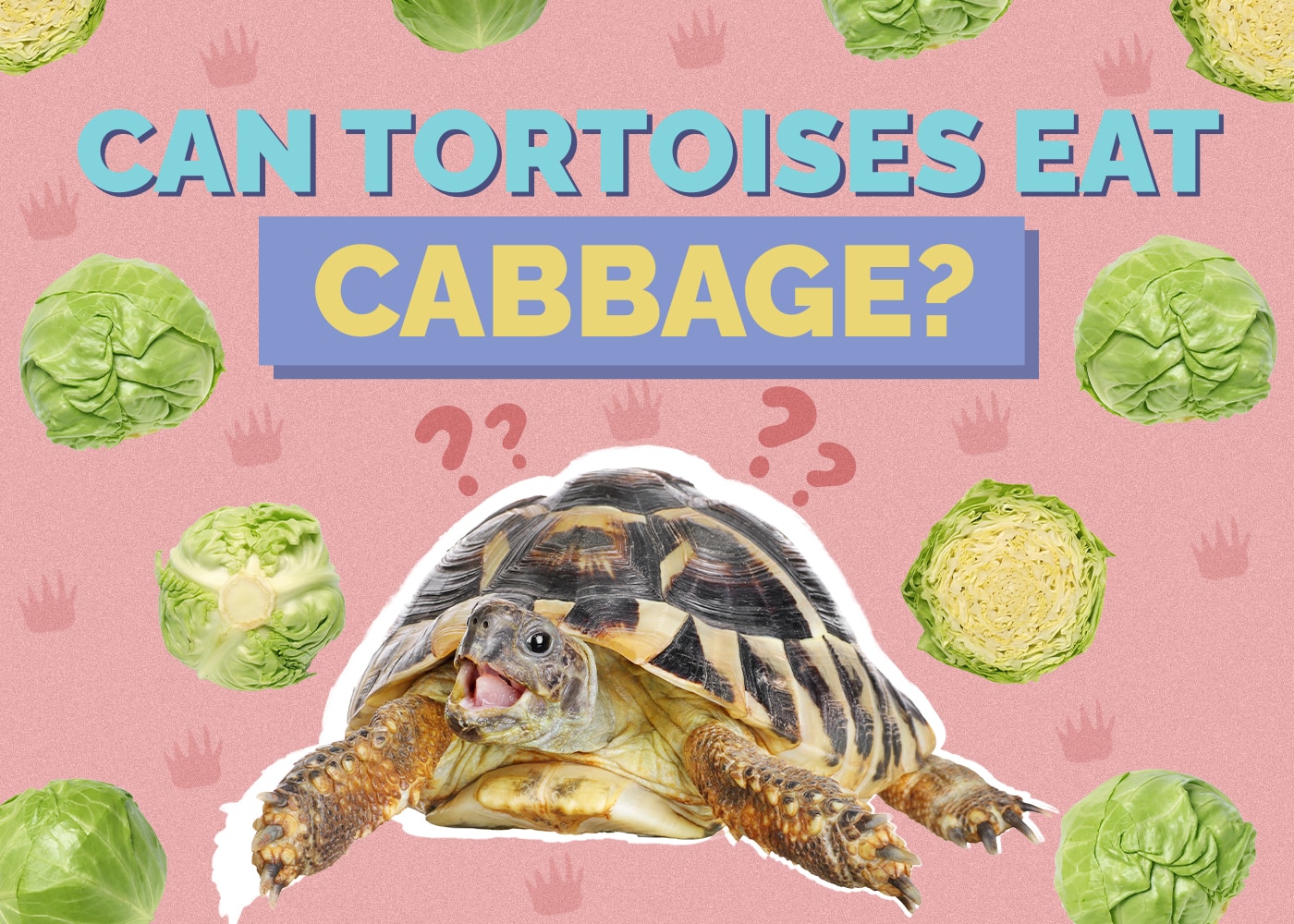
Cabbage is rich in essential vitamins, minerals, and antioxidants but it also contains compounds known as goitrogens which can hinder the production of thyroid hormones. While it is not toxic and tortoises can have cabbage, it should only be offered in small amounts and in moderation, if at all.

Cabbage and Tortoises
Cabbage is a cruciferous vegetable and member of the Brassicaceae family that is broken down into four varieties: green, red or purple, savoy, and napa. Cabbage is not considered toxic, but like other cruciferous vegetables, is high in goitrogens.
These goitrogens interfere with iodine uptake which is needed for healthy thyroid gland function. The thyroid gland controls metabolic rate which is central to the health of your tortoise. For this reason, there is a bit of debate among the tortoise community about whether or not to include these types of foods in their diet.

Cabbage Nutrition Facts (100g raw green cabbage)
- Calories: 25
- Fat: 0.1g
- Sodium: 18mg
- Carbohydrates: 5.8g
- Fiber: 2.5g
- Sugars: 2g
- Protein: 1.28g
- Potassium: 170mg
- Folate: 43 mcg
- Vitamin K: 76mcg
- Vitamin C: 36.6mg
What Are the Benefits of Cabbage?
There are some tortoise keepers who may choose to avoid cabbage altogether, which is perfectly fine. If you talk to your veterinarian and decide you’d still like to offer cabbage occasionally, there are some health benefits including:
1. Minerals
Cabbage is packed with minerals, which is great for overall health. The most important minerals for tortoises found in cabbage are calcium and phosphorus. Calcium aids heart health, promotes healthy muscles and shell, and helps the body use iron while phosphorus is essential for shell and bone growth and proper kidney function. Calcium and phosphorus must be present in the correct ratio for tortoises to avoid metabolic bone disease.

2. Vitamins
Cabbage is an excellent source of vitamins A, C, and K. Vitamin A promotes healthy skin, optimal vision, and reproductive health while vitamin C is essential for immune function. Vitamin K is important for healthy bones and shell and helps with blood coagulation.
3. Hydration
Cabbage is very rich in water content, so by offering cabbage to your tortoise, it can help keep them hydrated in addition to their fresh, clean water bowl.
4. Fiber
Fiber is an essential part of a tortoise’s diet, as it promotes proper digestive health and helps them use energy from their food.

5. Protein
Protein may not be a main staple in a tortoise’s diet, but they do need small amounts of plant protein, which is used as an energy source and can be found in small amounts in cabbage. Tortoises are herbivores that should never be fed any type of animal protein and it is important to note that too much protein can be problematic.
How Often Should You Feed a Tortoise Cabbage?
Cabbage shouldn’t be fed more than once per week, and you should keep the portions small to ensure it is not overfed and exposed to too many goitrogens.

What Kind of Harm Can Overfeeding Cabbage Do?
Overfeeding cabbage can interfere with iodine uptake and negatively affect thyroid function. This can lead to an underactive thyroid and associated illness for your tortoise.
Importance of Proper Diet for Tortoises
A balanced diet is essential for tortoise health and well-being. It keeps them active and provides them with the necessary nutrients for growth and development. Eating a variety of different foods helps to ward off deficiencies that may arise from a lack of essential vitamins or minerals, ensuring that tortoises maintain their strength as they age.

Tips for Feeding Your Tortoise the Healthiest Diet Possible
It is important to keep the proper balance of foods maintained in your tortoise’s diet. This includes hay, leafy greens, vegetables, small amounts of fruits, commercial feed, and supplements. The proper balance can vary by species, so here are some tips for feeding your tortoise the healthiest diet possible:
1. Talk to Your Veterinarian
If you ever need any advice on how to ensure you are providing your tortoise with a well-balanced nutritious diet, you should talk to your exotics veterinarian. They will be able to guide you not only on what you should be feeding your tortoise but will help you determine the quantities of each food source and recommend any necessary supplementation.
Your vet can also advise you on which foods are safe and which are unsafe, and you should always discuss new foods with your vet before adding them to your tortoise’s diet. Being established with a specialist exotics veterinarian is the best way to ensure your tortoise remains as healthy and happy as possible.

2. Know Your Species-Specific Needs
There are many different species of tortoise kept as pets, so it is very important for you to know all about the care requirements for your specific species. Tortoises can come from all over the world, and they will have different care and husbandry requirements that must be followed to ensure they remain healthy.
Conclusion
Although cabbage is not toxic for tortoises, it does contain goitrogens that can be harmful if fed in large amounts. Goitrogens can interfere with proper thyroid function and have a negative impact on the overall health of your tortoise. Cabbage does have health benefits but should only be fed sparingly and in smaller amounts, if at all. There are tortoise keepers that prefer to avoid cabbage altogether.
Sources
Featured Image Credit: Askandar, Shutterstock
Get Hepper In Your Inbox


Pet care tips from our vets and experts, straight to your inbox.
You may opt-out at any time. View our Privacy Policy for more information.
Lindsay is a wife, mother, nature enthusiast, animal lover, and business major. She was born and raised in the United States and now lives in Tulsa, Oklahoma. She shares her home with a German Shepherd, several snakes, tarantulas, and a couple of rescue cats.
Lindsay and her husband enjoy traveling the US with their children and photographing wildlife. Lindsey is passionate about proper animal care and education around it!
Join the conversation
Ask a question, share your story, or send private feedback.