Hepper is reader-supported. When you buy via links on our site, we may earn an affiliate commission at no cost to you. Learn more.
Can Tortoises Eat Celery? Vet-Approved Nutrition Facts & FAQ


In this article
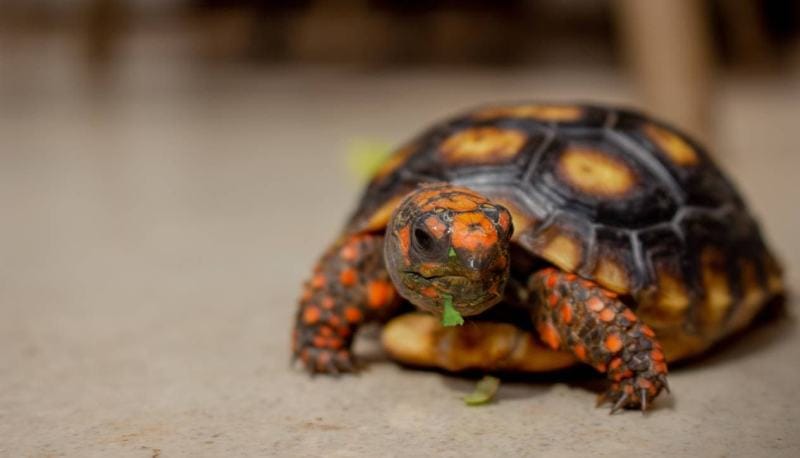
Tortoises are fascinating reptiles, and most of them are either herbivorous or omnivorous. This means all tortoises require a varied diet that includes vegetables, which may have many people wondering which veggies are suitable. For example, can tortoises eat celery?
As a simple answer, yes, tortoises can eat celery in moderation. However, there are various things that you should know before giving this crunchy veggie to your pet tortoise.
Read on to discover more about the normal tortoise diet and the properties of celery and find out whether tortoises can eat celery.

What Should a Normal Tortoise Diet Look Like?
Most tortoises are herbivores but a few are omnivores, so what a normal diet looks like will depend on their species.
To ensure that your tortoise has a healthy and well-balanced diet, you should provide them with a diet as similar as possible to their natural diet in the wilderness. This typically includes various flowers, veggies, and fruits, especially those high in calcium, along with different grasses and hay. Omnivorous tortoises should also consume animal-based foods like slugs, worms, beetles, and similar insects.
It is important to provide a well-balanced diet for your tortoise and know that various plants could potentially harm their health. That’s why you need to know which foods are tortoise-safe and which ones should be avoided at all costs.

The Properties of Celery and Its Nutritional Facts
| Celery nutritional facts (100 grams, raw)1 | |
| Calories: | 14 kcal |
| Protein: | 0.69 grams |
| Carbohydrates | 2.97 grams |
| Fat: | No fat |
| Sugars: | 1.34 grams |
| Sodium: | 80 milligrams |
| Calcium: | 40 milligrams |
| Phosphorus: | 24 milligrams |
Celery is low in calories and contains various vitamins and minerals, including vitamins C and K, calcium, potassium, and folate.
However, these metrics may not be the best when it comes to tortoises. Here’s more about the properties of celery that you should know, as they could affect your tortoise:
- High levels of oxalates — Celery contains high levels of oxalates, which could cause irritation to your tortoise’s throat, mouth, and GI tract. Oxalic acid binds with calcium and prevents absorption of this essential mineral. Consuming too much oxalic acid can contribute to the formation of kidney and bladder stones.
- Diuretic properties — Celery seeds have diuretic properties.
- High sodium content — This is not ideal for your tortoise’s health and can increase thirst.
Is Eating Celery Safe for Tortoises?
Celery is not toxic for tortoises and generally considered safe to eat in small quantities. However, it is low in nutrition and high in oxalates and sodium, as well as having diuretic properties. Therefore it can pose a threat to your pet’s health if fed in too large quantities.
This veggie also has a strong taste, which may deter some tortoises from eating it, but if your turtle likes eating celery, it’s generally fine to provide this vegetable occasionally.
Before giving celery to your tortoise, cut this veggie into small, easily chewable pieces to prevent possible choking hazards.

How to Prepare Celery for Your Pet Tortoise
You should properly prep this vegetable to ensure that it’s both tasty and safe for your little friend. Here’s a list of tips that will help you prepare celery for your tortoise like a pro:
- Thoroughly wash the celery under lukewarm water to remove any dirt or debris before giving it to your tortoise.
- If the celery is too crispy, boil it in lukewarm water to soften it and make it easier to chew.
- If necessary, squish the celery after boiling to make a paste-like consistency that will prevent choking and enable your tortoise to eat it more easily.
- Consider sprinkling calcium powder over the celery for an extra calcium boost.
- Mix the celery with other foods that your tortoise likes to eat that are low in oxalates.
Frequently Asked Questions
Can All Tortoise Species Eat Celery?
All tortoises can eat celery, regardless of their species; however, some tortoises seem to like this veggie more than others. If you’re wondering if your tortoise likes celery, it’s best to offer it to them as a snack and see how they react. If they don't enjoy it don’t worry as there are better, more nutritious veggies to feed your pet.
What Other Vegetables Can Tortoises Consume?
In the wild tortoises graze on a wide variety of leafy vegetation, in captivity it is difficult to replicate this variety but it's important to make sure no one plant makes up the majority of a tortoise’s diet for an extended period of time.
It is vital to research the nutritional requirements for your species of tortoise but as a rough guide for Mediterranean herbivorous tortoises their diet should consist of:
- 40% grass/hay/plants
- 20% leafy greens
- 20% other vegetables
- 15% commercial pellets
- 5% fruit
Although tortoises can consume various vegetables, some can be toxic or have a negative effect on your tortoise’s health. Every responsible tortoise parent should know which vegetables are tortoise safe and which ones may be harmful.
Here are a few plant and vegetable options that are safe for tortoise consumption:
- Dandelions — An excellent source of nutrients for tortoises, the whole plant is edible and entirely tortoise safe.
- Brussels sprouts — This is an excellent source of vitamins and minerals but should be fed in moderation due to the high number of goitrogens.
- Artichokes — These are high in fiber, low in sodium, and overall an excellent source of nutrients for tortoises.
- Cucumbers — These have little nutritional value as they are mostly water but do contain some fiber and vitamins, especially vitamin C. It can be offered to help with hydration.
- Kale — This is tortoise safe and full of nutrients but should be fed in moderation due to the high number of goitrogens.
Final Thoughts
Tortoises can eat small amounts of celery if they enjoy it, but this crispy treat should be only provided in moderation and never be the main focus of your tortoise’s diet. Eating this veggie can have a negative impact on your tortoise if it’s consumed excessively. Speak to your veterinarian with any questions and for help and advice on the correct diet plan for your pet.
Sources
Featured Image Credit: Sakoodter Stocker, Shutterstock
Get Hepper In Your Inbox


Pet care tips from our vets and experts, straight to your inbox.
You may opt-out at any time. View our Privacy Policy for more information.
Visnja is a content writer that covers various topics such as DIY, pets, home improvement, travel, gardening, and more.
She is a young mom and a college student, who didn’t have enough time to balance her personal and work life, so after multiple years of working a regular 9 to 5 job, she decided to pursue her passion and make a living out of it. She has been writing for a couple of years, helping people find valuable and interesting information online.
Join the conversation
Ask a question, share your story, or send private feedback.