Hepper is reader-supported. When you buy via links on our site, we may earn an affiliate commission at no cost to you. Learn more.
Can Tortoises Eat Carrots? Vet-Reviewed Nutrition Facts & FAQ

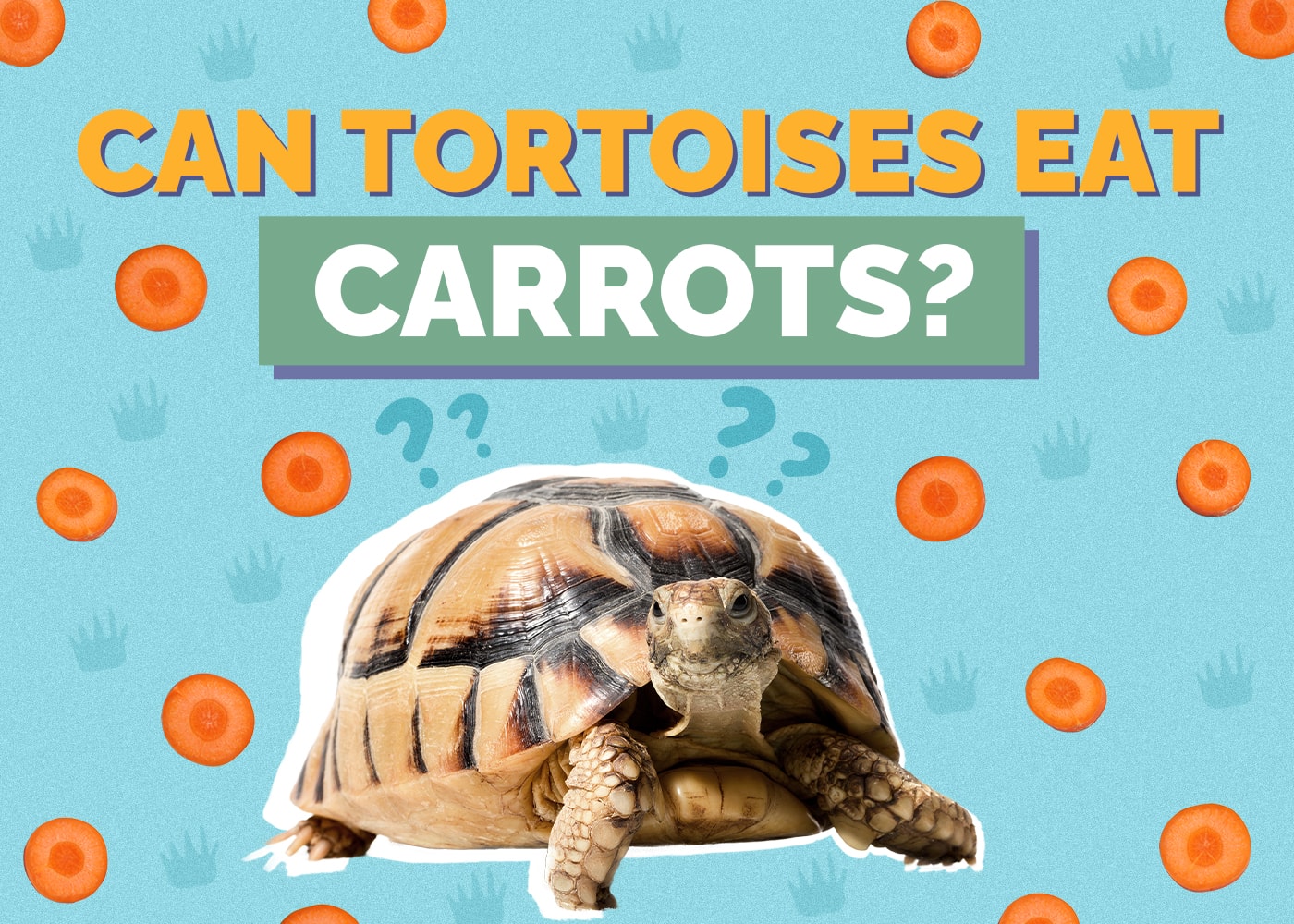
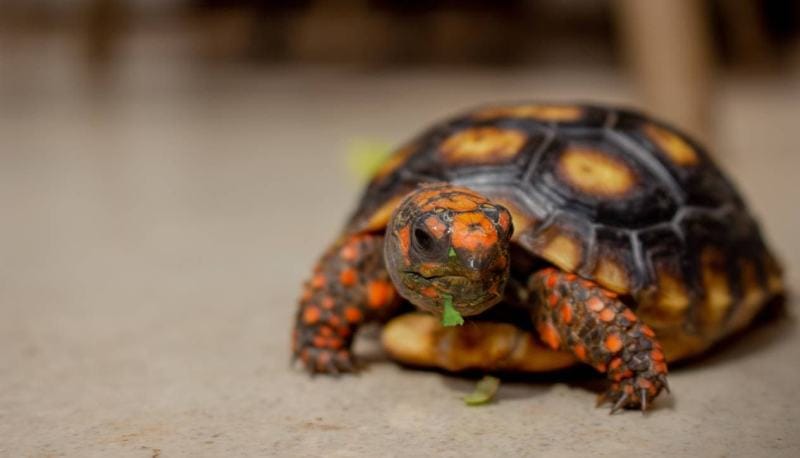
Tortoises are land-dwelling chelonian relatives of turtles, and some of the world's biggest and longest-living reptiles. Some tortoises can be omnivorous and occasionally eat the odd invertebrate in the wild, but generally, they are herbivores, feasting on vegetation and leafy greens. Pet tortoises have the opportunity for a more varied diet than what's typically available in the wild, and carrots are often on the menu. Tortoises can eat carrots and will likely enjoy them, but how much you can give them will depend on their species. In this article, we'll explain why carrots should only be given to some tortoises as an occasional treat and what you should look out for when feeding them.

Are Carrots Good for Tortoises?
Carrots are root vegetables packed with potassium, calcium, and vitamin A, which your tortoise needs to stay healthy. Vitamin A is very important to tortoises, and they commonly become deficient in this vitamin when in captivity. Tortoises use vitamin A to keep their skin healthy (including the surfaces of their eyes and mucous membranes), bolster immune system function, and keep their livers healthy. A deficiency in vitamin A can be dangerous for tortoises, causing painful skin conditions, blindness, and even liver failure.
Calcium is another mineral that tortoises need in large amounts to keep them healthy. Carrots provide a small amount of calcium and can be helpful as an occasional boost. However, calcium should be provided in the right balance with phosphorus, as the wrong amounts can lead to a potentially deadly condition known as metabolic bone disease. In carrots, the calcium and phosphorus levels are roughly equal, so this is a safe option for your tortoise.
While carrots have some benefits for tortoises when fed as a treat occasionally, they should never be fed in large amounts or regularly. Carrots are high in carbohydrates which can lead to obesity in tortoises, and the green tops contain a large amount of oxalic acid. Carrot tops also contain high levels of protein and potassium, which need to be balanced and controlled in a tortoise’s diet. Oxalic acid can cause calcium deficiency in a short amount of time if fed in large portions, and can lead to bone demineralization. The best way to avoid these risks is to feed the carrot without the top. Instead, flowering weeds or dark, leafy greens such as kale are much better alternatives to carrot greens; they're also cheaper.

How Many Carrots Is Too Much?
This depends on the type of tortoise you are keeping.
Species that hail from more arid, Mediterranean climates mainly eat leaves and stems of plants and are adapted for a more fibrous diet. These species should only be fed non-leafy vegetables in small amounts as a treat. They include:
Species from more tropical or forested environments are more adapted to a wider variety of foods with a higher moisture content, and can enjoy more “chunky” vegetables like carrots more frequently. Tropical tortoise species include:

Conclusion
Some tortoises can eat carrots occasionally but only as a treat, whereas others can enjoy them as part of their balanced diet. It is essential to make sure you know what species of tortoise you have so that you can provide it with the right balance of nutrients.
Sources
Featured Image Credit: KHMILSTOCK, Shutterstock
Get Hepper In Your Inbox


Pet care tips from our vets and experts, straight to your inbox.
You may opt-out at any time. View our Privacy Policy for more information.
Beth is a mom to two babies: one with four legs, and one with two. Beth has years of practical experience as a veterinary care assistant, working in both the operating room and in consult, expanding her knowledge to gain certification in her favorite subject: feline behavior and well-being! When she's not writing about her favorite topics (cats, dogs, and creature comforts), she's looking after her two-year-old daughter and her energetic eight-year-old Nebelung, Kiba. When she gets a moment's respite, Beth loves to read fiction books. Horror is her number one genre, with fantasy and rich history being her second option.
Join the conversation
Ask a question, share your story, or send private feedback.