Hepper is reader-supported. When you buy via links on our site, we may earn an affiliate commission at no cost to you. Learn more.
Can Turtles Eat Watermelon? Vet Approved Nutrition Facts & FAQ


In this article
Turtles come in all shapes and sizes, with different natural environments and areas of origin. With this variation comes differences in diet, and a common question many turtle owners may wonder about is which foods are safe for turtles. Turtles can safely enjoy many fruits since they are omnivores, including watermelons. Turtles can eat watermelon safely and enjoy it, but it should only be given occasionally as a treat. In this article, we'll look at how safe watermelon is for turtles, how much they can eat, and some benefits a slice can bring them.

Is Watermelon Safe for Turtles?
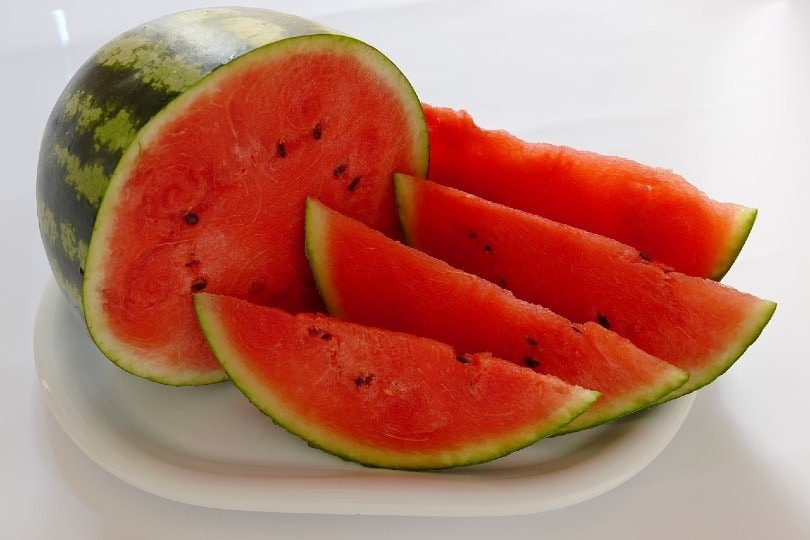
Watermelon is a tasty, hydrating treat that is safe for aquatic and semi-aquatic turtles to eat on occasion. Turtles can eat various fruits, but they shouldn't make up more than 10%–20% of their diet, including melons such as cantaloupe and watermelon. Most turtles love watermelon since it's very hydrating, and they'll eat the flesh and the rind! There are some safety measures to consider when serving up the red fruit to your turtle, however, which will help keep them healthy and maximize the watermelon’s benefit.
Cutting It Into Smaller Pieces
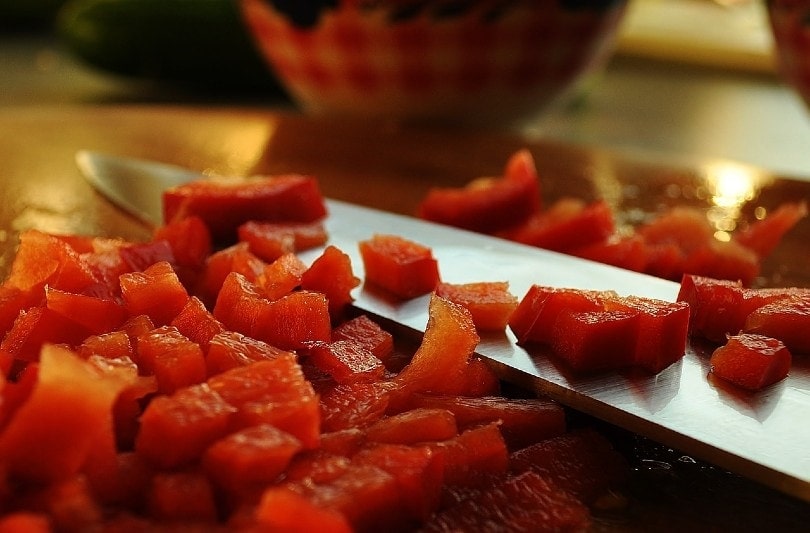
You should always cut up your turtle's watermelon into easy-to-eat, bite-sized pieces to aid them in eating it and to prevent choking. While many turtles have been seen eating half of a melon by just digging in, it's important to remember that too much fruit can cause your turtle problems, and large pieces can be choking hazards to smaller or younger turtles.
Serving Fresh Watermelon
Only serve fresh watermelon to your turtle, as fresh as you'd like to eat yourself. It's important to remove any watermelon from your turtle's enclosure if it's been sitting more than a few hours and don't feed them any fruits that have gone bad. Turtles can suffer from bacterial infections just like we can, so serving fresh fruit is important.

Would Turtles Eat Watermelon in the Wild?
Turtles eat many foods in the wild as they are opportunistic omnivores, meaning they eat whatever they can find! If a turtle came across a watermelon in the wild, it would eat it (much to the disdain of the farmer). They eat a mix of animal and plant-based proteins and often change their eating habits depending on how old they are. Aquatic and semi-aquatic turtles also have slightly different diets due to their environments.
In the wild, turtles often eat:
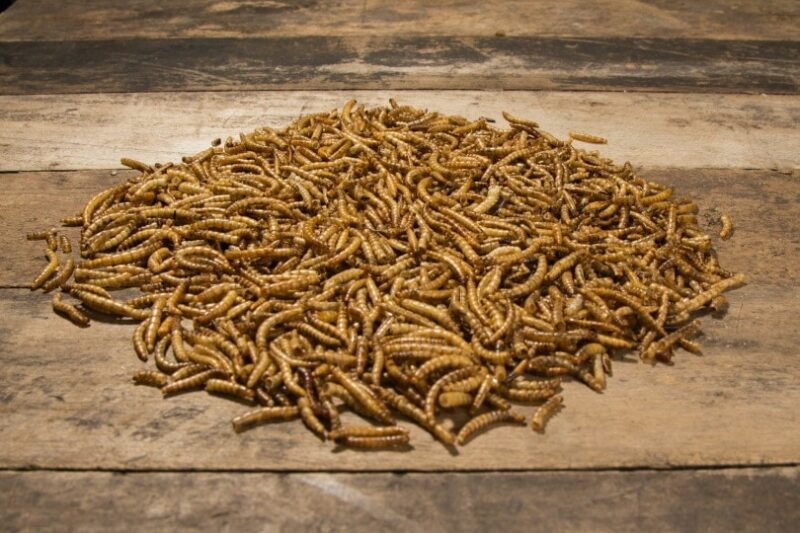
In captivity, turtles will typically eat a mixture of animal and plant proteins depending on their age and species. Younger turtles need more animal protein, such as insects, while older turtles eat more vegetation, like leafy greens. Commercial turtle food provides most of the protein and vitamins turtles need to thrive, but additions to the diet are needed (particularly calcium) to keep them in optimal health and prevent common illnesses.
What Benefits Can My Turtle Get From Eating Watermelon?
Watermelon provides health benefits for your turtle as it's full of water, vitamins, and fiber. Vitamin C and A, potassium, and magnesium are all found in watermelon, which are all essential to the turtle’s health.
Vitamin C
Some species require vitamin C in their diets as they cannot make it in their bodies themselves. By providing dietary vitamin C, you can prevent your turtle from getting deficient and stave off conditions like scurvy.
Vitamin A
Vitamin A is important to turtles; unfortunately, many pet turtles suffer from a vitamin A deficiency. Vitamin A helps keep the skin, mucous membranes, ducts, and salivary glands healthy and functional. Ear abscesses, eye swelling and irritation, skin changes, and kidney failure can all be caused by a vitamin A deficiency, so supplementation in the diet is crucial to keeping your turtle healthy.
Potassium
Potassium is also an essential mineral, and it works in tandem with calcium to maintain the integrity of the turtle's shell. Turtles need a large amount of calcium to grow and maintain their shells and bones, and potassium can bolster this alongside supporting other bodily systems, such as maintaining nerve and muscle health.
Water
Lastly, watermelon is full of water! Dehydration can be a common ailment of turtles, particularly semi-aquatic turtles who spend time out of water. Watermelon is 92% water, so it's a great way to keep your turtle hydrated while giving them a treat they'll love.
Which Fruits Are Good for Turtles?
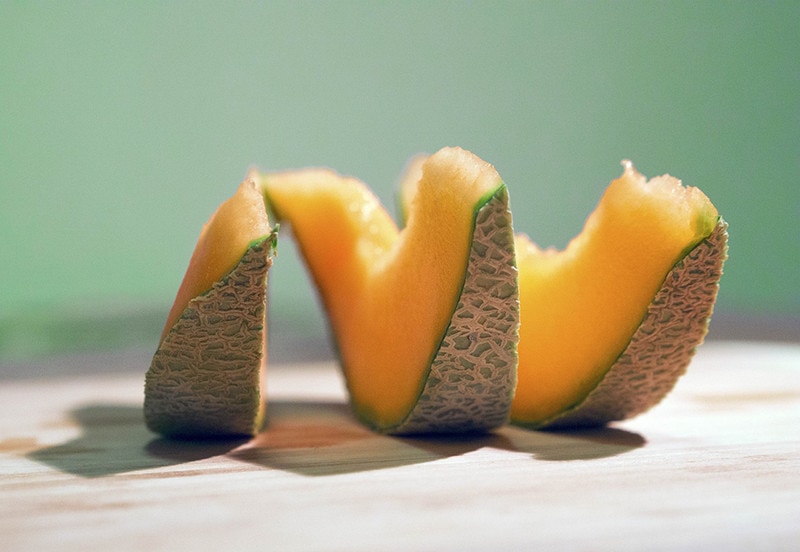
You can mix many fruits with watermelon to give your turtle a varied, nutritious, and exciting diet. Some of these are more suitable for semi-aquatic turtles as fully aquatic turtles only eat in water, meaning any food must be dropped into their tank. Fruits that are great to feed turtles include:
- Cantaloupe
- Strawberries
- Apricot
- Peach
- Bananas (can be messy in aquatic tanks)
- Apples
- Grapes
- Berries
Some fruits are unsafe for turtles to eat. They contain substances that turtles cannot process or can build up in their bodies, causing severe illness in some cases.
Don't give your turtle the following fruits:
Can Carnivorous Turtles Still Eat Watermelon?
Carnivorous turtle species, such as the Spiny Soft-Shelled turtle, usually only eat a carnivorous diet. They hunt fish, frogs, snails, or other live prey in their natural habitat. However, they can still eat fruit comfortably; a small portion may even provide them with beneficial vitamins and minerals. That doesn't mean they'll like it!
Conclusion
Turtles are fascinating pets that are unique in their behavior, looks, and diet. Watermelon is an excellent treat for most turtles since it's hydrating and full of beneficial vitamins such as vitamins A and C. Turtles need a balanced diet to thrive, so watermelon should only make up a small part of their diet; too much watermelon can cause diarrhea, and large pieces are a choking hazard. Small pieces of watermelon given as a treat can be excellent enrichment for your turtle, and even carnivorous turtles can be offered a fresh piece!
Featured Image Credit: stock.film, Shutterstock
Get Hepper In Your Inbox


Pet care tips from our vets and experts, straight to your inbox.
You may opt-out at any time. View our Privacy Policy for more information.
Beth is a mom to two babies: one with four legs, and one with two. Beth has years of practical experience as a veterinary care assistant, working in both the operating room and in consult, expanding her knowledge to gain certification in her favorite subject: feline behavior and well-being! When she's not writing about her favorite topics (cats, dogs, and creature comforts), she's looking after her two-year-old daughter and her energetic eight-year-old Nebelung, Kiba. When she gets a moment's respite, Beth loves to read fiction books. Horror is her number one genre, with fantasy and rich history being her second option.
Join the conversation
Ask a question, share your story, or send private feedback.