Hepper is reader-supported. When you buy via links on our site, we may earn an affiliate commission at no cost to you. Learn more.
Can Turtles Eat Cheese? Vet Approved Nutrition Facts & FAQ


In this article
Turtles are mostly omnivorous reptiles that can live fully or semi-aquatically, and usually have varied diets. There's little information about giving turtles cheese or dairy available simply because they'd never come across it in the wild, and most exotic veterinarians and nutritionists focus on replicating as natural a diet as possible. A turtle's natural diet does not include cheese!
Turtles wouldn't eat or drink dairy in the wild because turtles cannot digest lactose, and do not drink milk at any stage of their lives, including as babies. Cheese is fermented milk, so turtles cannot digest it, and it could make them very ill if you fed it to them.

What Do Turtles Eat in the Wild?
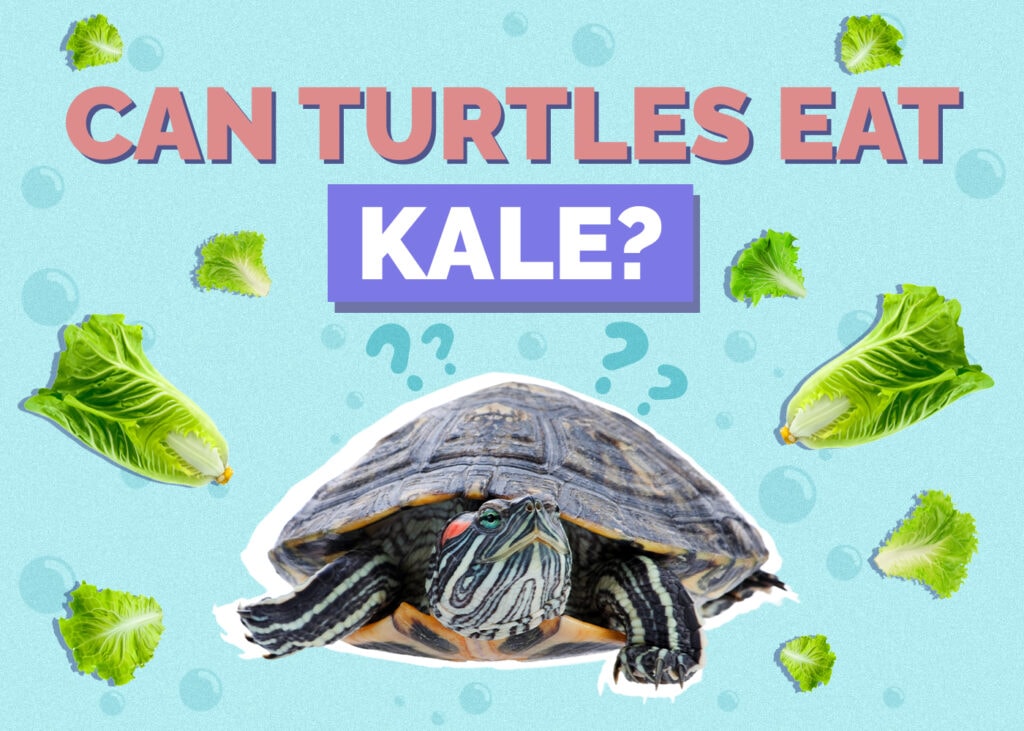
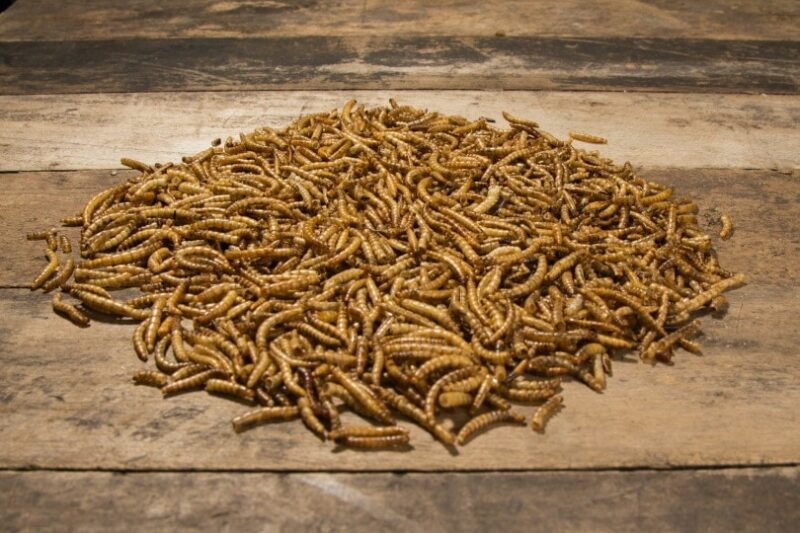
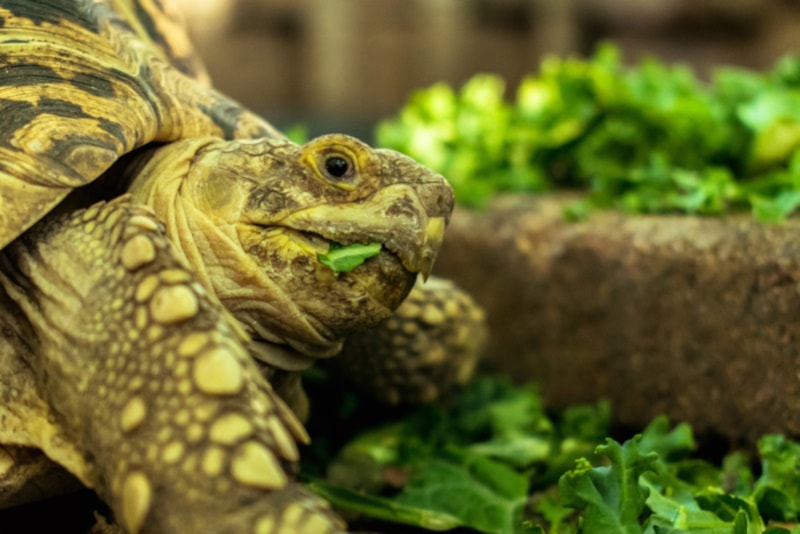
Turtles can have various diets in the wild; most are omnivorous, but they can be carnivorous or herbivorous. Semi-terrestrial (land-dwelling) and fully aquatic turtles can also have different diets, depending on their environment. Generally, omnivorous turtles will eat animal proteins such as fish or amphibians, invertebrates (insects, crustaceans, worms), and vegetation such as dandelion, leafy greens like collard greens, and kale.
There are only two types of completely carnivorous turtles; the Green Sea Turtle and the Loggerhead Turtle, neither of which are kept as pets.
Turtles would never come into contact with cheese or other dairy products in their natural habitat, so do not feed it to them in captivity.
Which High-Calcium Foods Can Turtles Eat?
Turtles do need a diet with good levels of calcium to support bone and shell growth and strength, but dairy is not an appropriate calcium source. The best way to address your turtle’s calcium requirements is by providing them with a high-quality commercial turtle pellet food, a range of animal protein (eg. invertebrates, not meat), and vegetables that are high in calcium, such as kale, collard greens, romaine lettuce, green beans, and dandelion leaves. It is important that the foods selected have a high calcium-to-phosphorus ratio, as the wrong balance of these minerals can lead to a potentially fatal condition called Metabolic Bone Disease.
Supplements
Aside from using food sources, many turtle owners will give their turtles a powdered calcium supplement to ensure they get the right amount. Many commercially available calcium powders are available, but most are not regulated, so ask your vet for advice on the best type for your turtle. The best way to ensure your turtle is receiving the right balance of nutrients is by feeding a high-quality, balanced diet, and you should not add supplements without first speaking to your veterinarian, as unnecessary mineral supplements can lead to problems.

Conclusion
Turtles never come into contact with lactose products in their natural habitat. Turtles do not drink milk from their mothers or consume it in the wild, so they likely lack the essential enzymes to digest it. While cheese contains calcium, there are many other ways to meet your turtle’s calcium requirements without going to the dairy department.
See also:
Featured Image Credit: HandmadePictures, Shutterstock
Get Hepper In Your Inbox


Pet care tips from our vets and experts, straight to your inbox.
You may opt-out at any time. View our Privacy Policy for more information.
Beth is a mom to two babies: one with four legs, and one with two. Beth has years of practical experience as a veterinary care assistant, working in both the operating room and in consult, expanding her knowledge to gain certification in her favorite subject: feline behavior and well-being! When she's not writing about her favorite topics (cats, dogs, and creature comforts), she's looking after her two-year-old daughter and her energetic eight-year-old Nebelung, Kiba. When she gets a moment's respite, Beth loves to read fiction books. Horror is her number one genre, with fantasy and rich history being her second option.
Join the conversation
Ask a question, share your story, or send private feedback.