Hepper is reader-supported. When you buy via links on our site, we may earn an affiliate commission at no cost to you. Learn more.
How to Tell if a Cat Is Sick: 10 Vet-Reviewed Signs to Watch For


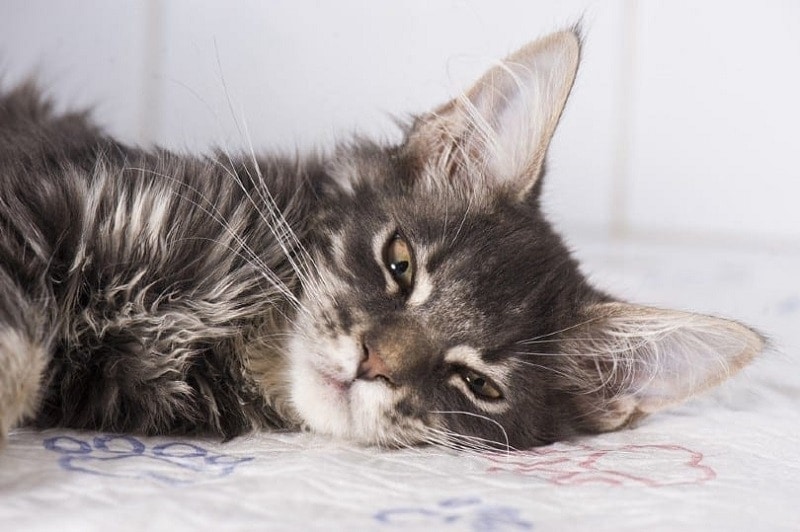
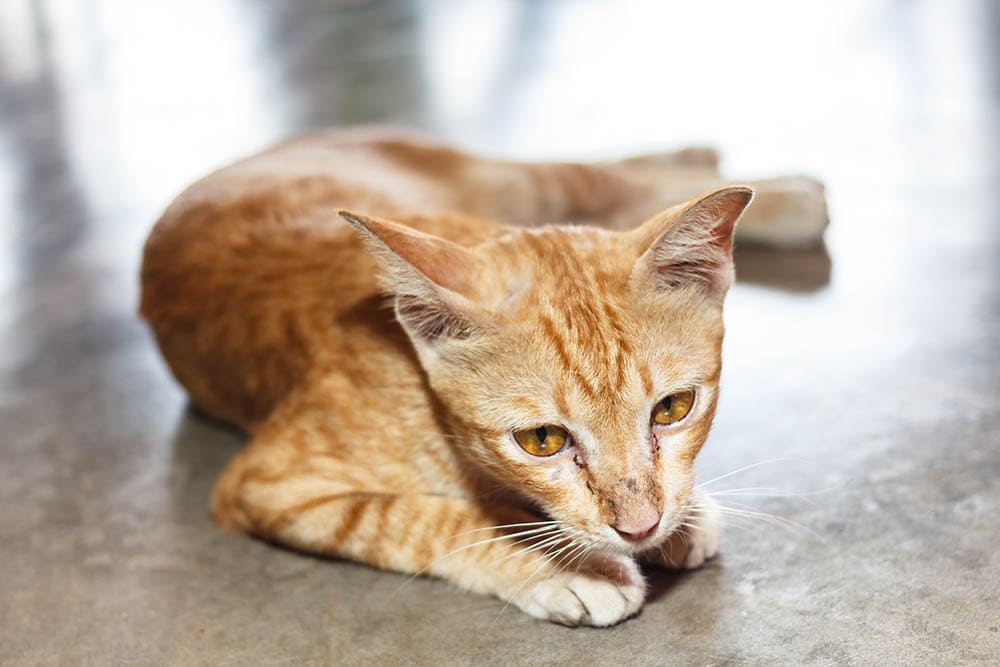
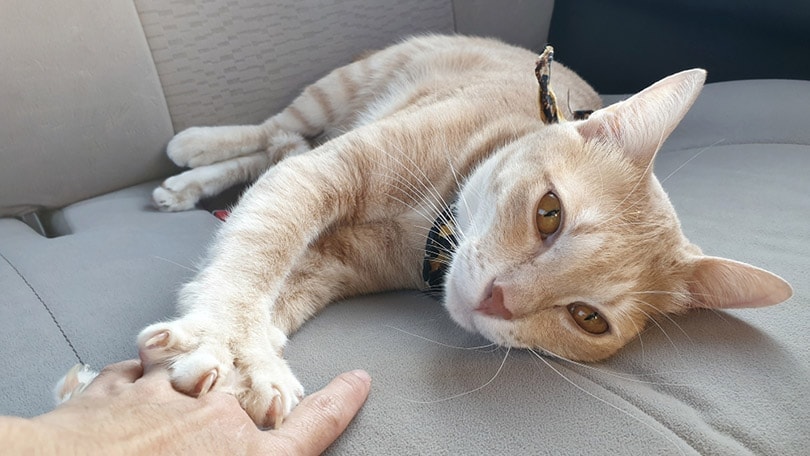
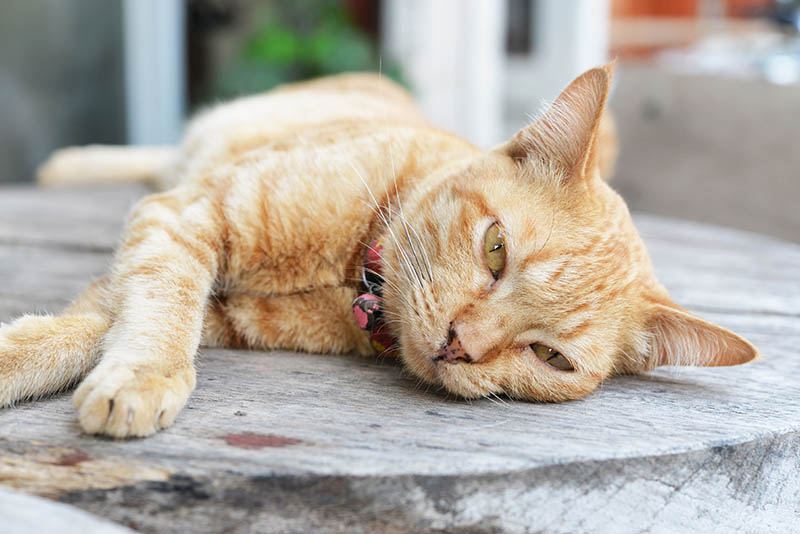
Cats are stoic creatures who do not readily show their physical distress. Additionally, cats tend to isolate themselves when they feel bad, making it even more difficult to identify signs of illnesses. So, it can sometimes be difficult to tell if your kitty is sick and needs to be taken to a vet. That is why you need to get to know and watch out for certain signs that indicate a possible illness in your pet.

The 10 Ways to Tell if Your Cat Is Sick
1. Sudden Change in Behavior
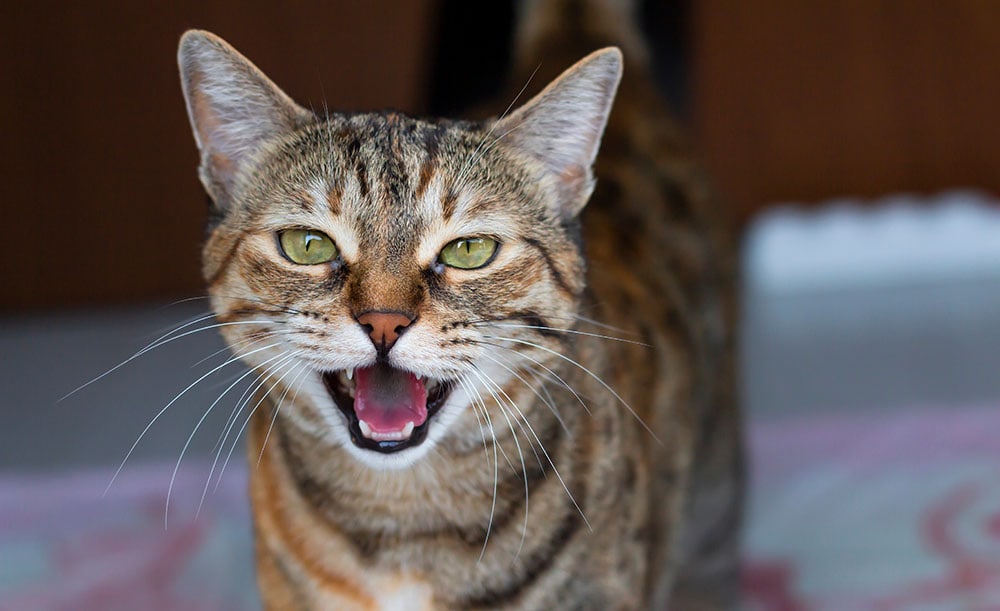
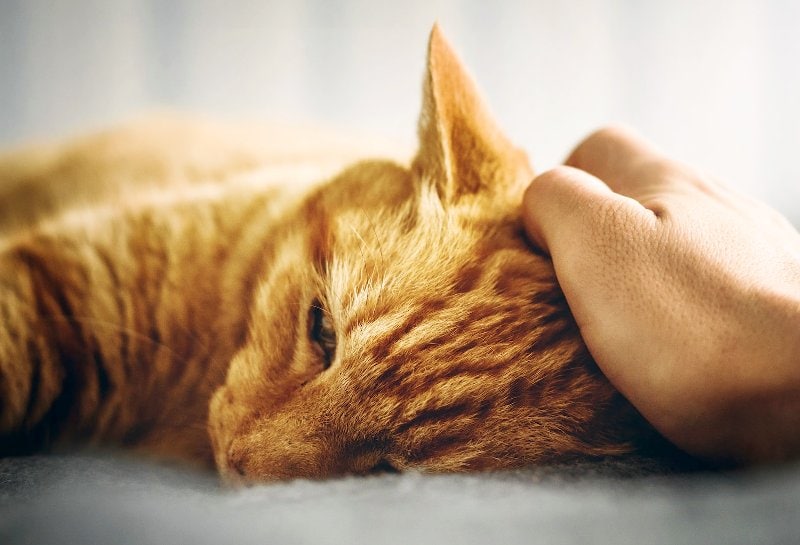
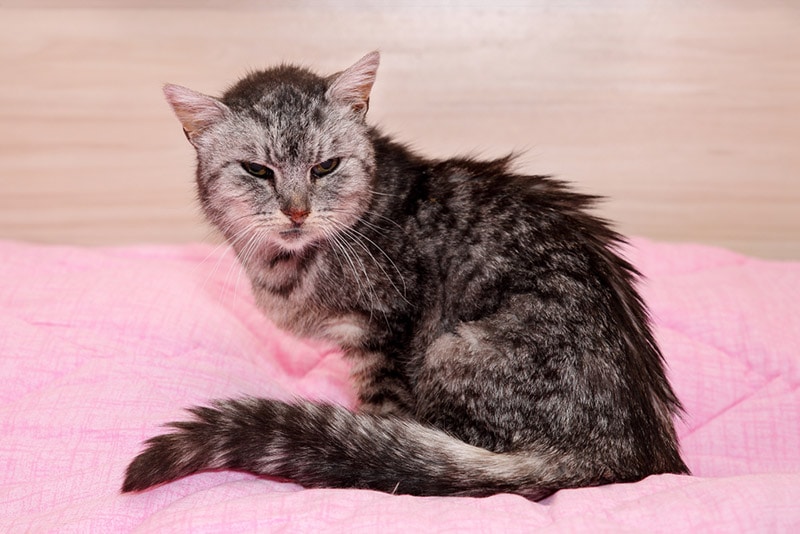
If you notice a change in your cat's behavior, such as depression or sudden aggression, they may be sick. In addition, a sick cat often tries to hide, and they can desert your home for several days. If your cat exhibits intense and loud meows, this should alert you as well.
You know your cat well and are in the best position to judge abnormal behavior. If your cat is not behaving as usual, they may be hiding an illness.

2. Abnormal Appetite and Water Consumption
A sick animal will generally refuse to eat and drink. Lack of appetite for food is called anorexia.
In cats, smell is very important for food consumption. For example, cats suffering from feline viral rhinotracheitis (FVR) will not be able to “smell” well due to a blocked nose and may present with anorexia for several days.1 Therefore, it is necessary to consult a veterinarian quickly since they risk becoming dehydrated.
Cats can also suffer from polyphagia and polydipsia (increased consumption of food and water), which can be signs of several diseases, such as diabetes and hyperthyroidism.
3. Abnormal Gum Color
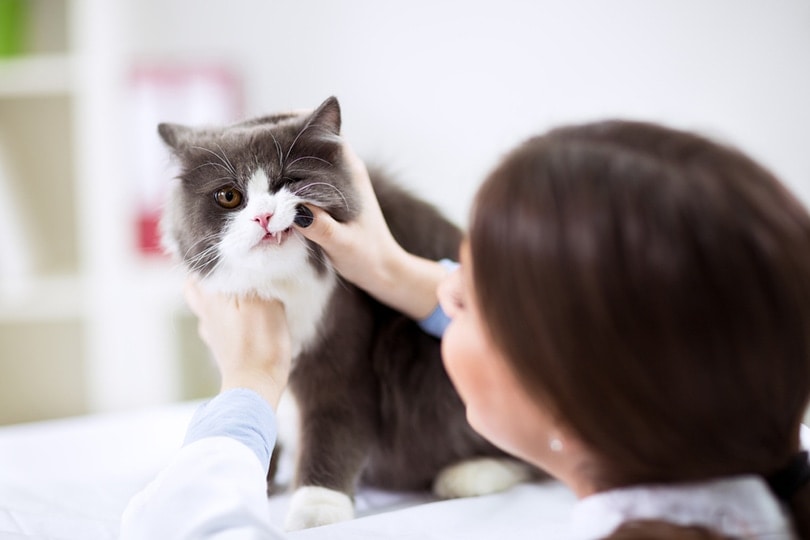
The gums of a healthy cat are pink. If you observe any change in color, such as yellow mucous membranes, a whitish color, or brown or red dots, you should see your veterinarian promptly. This is because a sudden change in the color of the gums can be due to serious disease.
4. Weight Loss
Rapid and severe weight loss is often a sign of a serious illness, which can include endocrine disease, kidney failure, or even a tumor.
Besides, know that a weight loss of 2 pounds in an animal as small as the cat is already very urgent! Indeed, if a 10-pound cat loses 2 pounds in a short period of time, it's as if a 175-pound man would lose 35 pounds in the same period. Therefore, it is crucial to weigh your feline regularly to monitor its weight.
5. Digestive Issues
If your cat has digestive problems such as repeated vomiting, diarrhea, frequent bloating or constipation, it is recommended that you see a veterinarian. These are signs of many gastro-intestinal diseases.
6. Diseases of the Urinary System
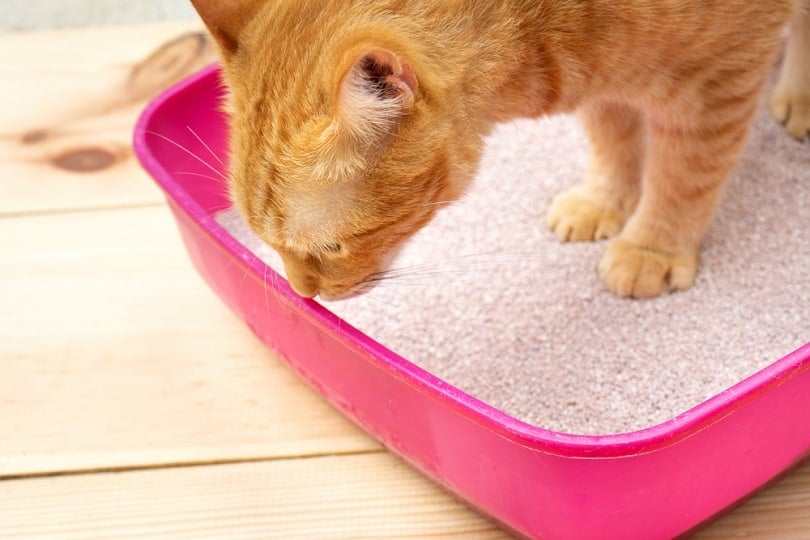
Cats are prone to diseases of the feline lower urinary tract, such as cystitis and urinary stones. So, if your cat is going back and forth to the litter box to urinate, they are probably having a urinary problem. In addition, if a male cat is unable to urinate, an emergency consultation is mandatory, as a urinary tract obstruction can quickly become life-threatening.
7. Respiratory Signs
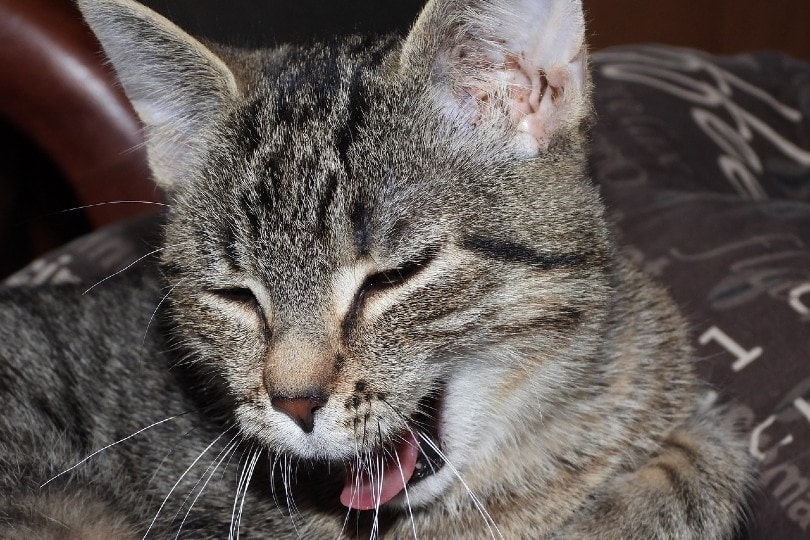
If your cat coughs, sneezes, or snores, she may be having trouble breathing. The main conditions responsible for respiratory problems in cats are feline viral rhinotracheitis.
Breathing difficulties can also occur in many other heart and lung problems, including in cats with feline asthma.
8. Lameness and Paralysis
Lameness is common in cats and is mainly due to:
- Abscesses from fights with other cats
- Fractures
- Disorder in the musculoskeletal system
- Insect bites
Besides, paralysis in cats requires urgent consultation with a veterinarian. It may be due to an aortic thromboembolism(ATE) which most often causes sudden paralysis of the hind limbs. Unfortunately, in these cases, the prognosis is generally poor.
9. Neurological Disorders
When neurological signs are observed, such as tremors or convulsions, urgent consultation with a veterinarian is necessary. They can be due to many causes, such as poisoning, infectious diseases, epilepsy, etc. In particular, you must be careful not to use an antiparasitic treatment for dogs on a cat because they can be responsible for serious poisoning.
10. Dermatological Signs
If your cat is itchy, has significant hair loss, redness, or inflammation, it is recommended that you see a veterinarian so that they can examine your cat. They may carry out additional examinations to establish a diagnosis and prescribe an appropriate treatment.

Final Thoughts
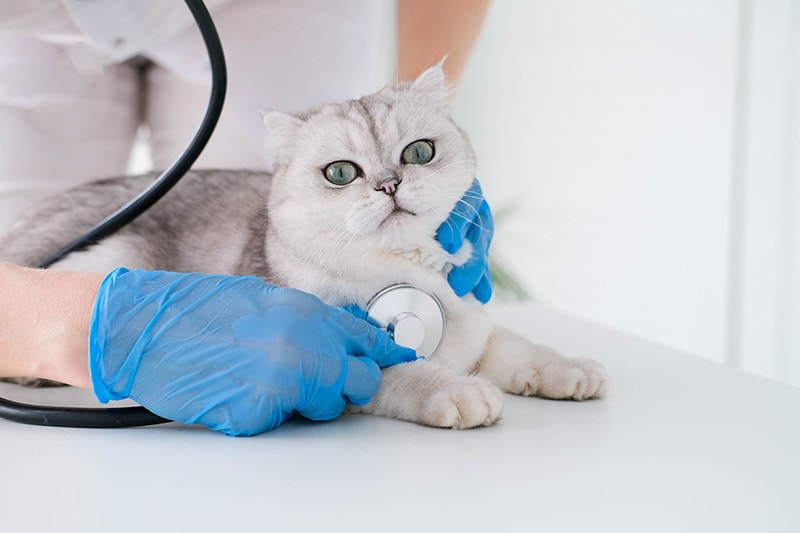
In short, we advise you to consult a veterinarian if you have any doubts about the state of your pet's health. Early treatment will provide relief for your cat and limit the worsening of the disease.
To prevent disease, remember to vaccinate your cats, deworm them, treat them for fleas and ticks, and feed them high-quality foods. We also advise you to visit your veterinarian regularly for a health check.
See Also:
Sources
Featured Image Credit: Ro_ksy, Shutterstock
Get Hepper In Your Inbox


Pet care tips from our vets and experts, straight to your inbox.
You may opt-out at any time. View our Privacy Policy for more information.
Genevieve, a biologist and science writer, who harbors a profound affection for capuchin monkeys, pumas, and kangaroos. This passion has led her to travel extensively, volunteering and working at wildlife rehabilitation centers in Bolivia, Guatemala, Canada, and Australia. Now residing in Argentina as a Canadian expat, Genevieve enjoys the view of horses and cows greeting her from the vast plains outside her home office window. She proudly cares for three rescued dogs—Lemmy, Nala, and Pochi—and a playful kitten named Furiosa. Sharing her extensive knowledge and love for animals brings her immense joy and fulfillment.
Join the conversation
Ask a question, share your story, or send private feedback.