Hepper is reader-supported. When you buy via links on our site, we may earn an affiliate commission at no cost to you. Learn more.
Skin Tags on Cats: Vet Approved Signs, Causes & Care


In this article
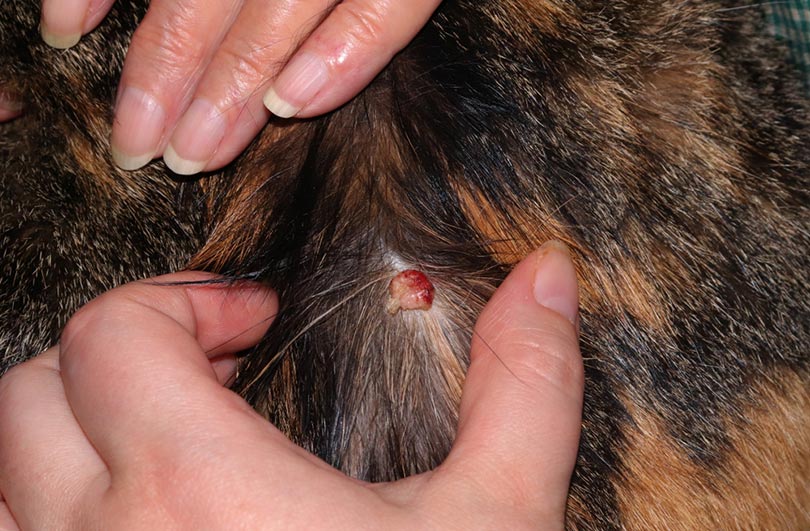
If, during your regular grooming session with your cat, you happen to notice a strange growth on their skin, your first reaction is probably panic. Many skin conditions can cause problems for cats and other pets, but some are entirely harmless. Skin tags are a harmless condition that can occur in cats, usually easily recognized by the small stalk connecting them to the skin. Skin tags are more commonly found in older animals and can vary in size and shape but are usually quite dangly. They are usually not firm and are soft to the touch.
While skin tags are harmless, they can cause irritation to some cats, especially if they grow near the neck, under the tail, or around the arms. Read on below to find out all the details about skin tags and how you can treat them.

What Are Skin Tags?
Skin tags are minor changes in the skin of cats. They are benign growths that are often long and thin and usually attached to the skin by a narrow stalk. They start small in size but can grow and are usually fleshy but can vary in color. The texture of skin tags can be either very wrinkly and irregular in shape or very round and smooth.
Skin tags most often appear in places with friction, such as around the neck, behind the legs, and underneath the tail, so they may rub and become inflamed causing slight discomfort to your cat. Because skin tags can cause discomfort and even become unsightly, it's crucial to know why they appear and how to deal with them.

What Are the Signs of Skin Tags?
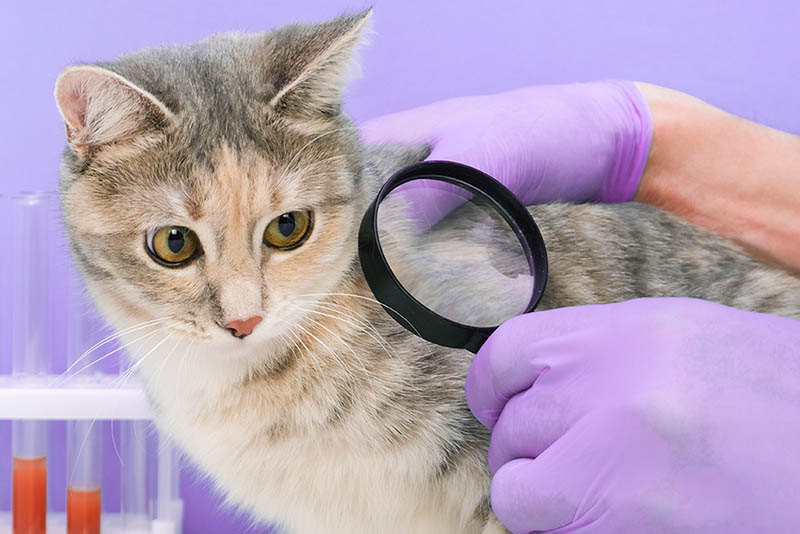
Recognizing skin tags can be easy based on their appearance and their narrow stalk, but other growths can look similar. Always check in with your local veterinarian for a professional opinion if you are at all unsure.
Although most skin tags are benign growths, if you notice several appearing at the same time, or they are growing quickly it may be necessary to visit your veterinarian for an evaluation.
What Are the Causes of Skin Tags?
Skin tags develop when the body produces additional cells in the top layer of the cat's skin. Although the cause of skin tags is still not entirely clear, it's thought that they can occur due to friction in certain areas where the skin naturally rubs or folds, as mentioned above.
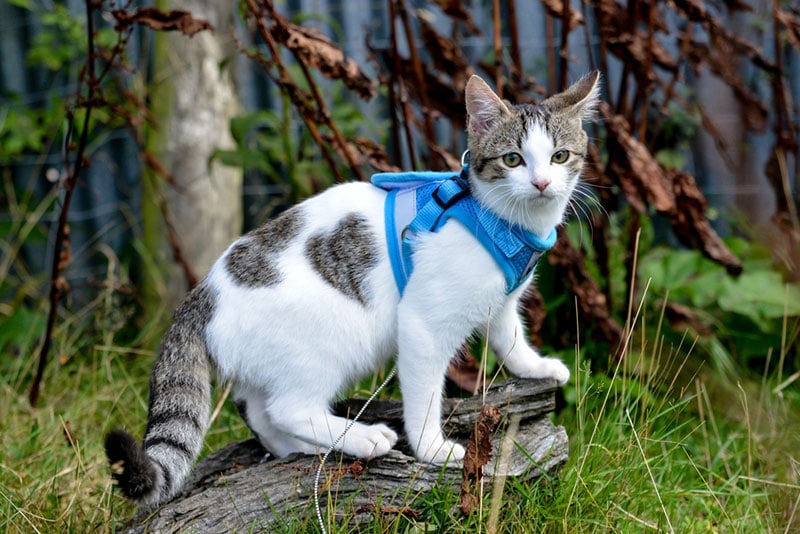
Another possible cause can be friction from scratchy and uncomfortable accessories such as collars or harnesses. Ensure your cat's accessories fit them well and don't rub against their skin.
How Do I Care for a Cat with Skin Tags?
Skin tags usually don't create complications or further issues for the affected cat. However, as we've mentioned, some cats experience mild discomfort or irritation due to these growths, so removing them can be an acceptable option. Never attempt to remove skin tags on your own—always seek advice from your veterinarian about dealing with skin tags on your cats.
Once you notice a skin tag on your cat for the first time, do not panic, you can monitor them for the first few weeks. Take note of the skin tag's location, color, size, texture, and shape. If these characteristics don't change over the next few weeks, you can report them to your veterinarian on your next visit. However, if the growth begins changing drastically or rapidly, you may need a more urgent vet visit.
Even though these growths are benign, you will want to observe them and keep a close eye. Any changes on the skin should be reported to the vet, and they can advise you on your next step.

Frequently Asked Questions
What can you expect on your vet visit?
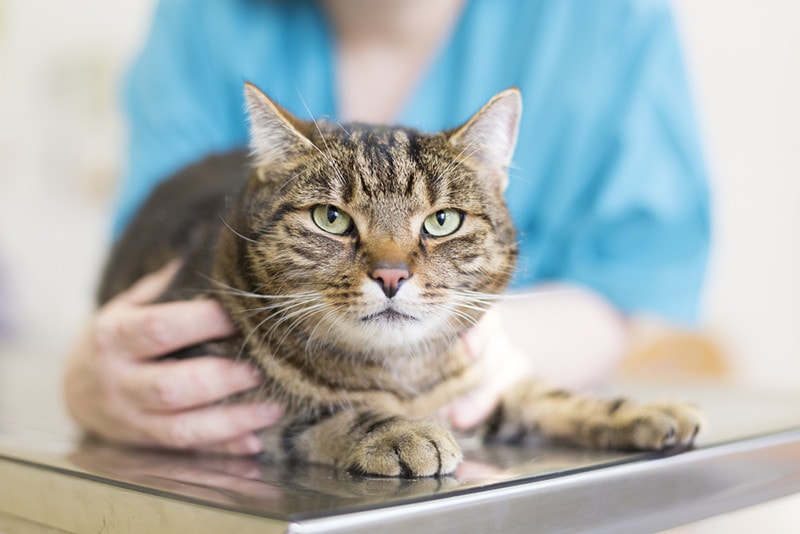
Once you take your cat to the veterinary clinic for a check-up, your veterinarian will thoroughly examine the skin growth. They will determine whether the skin tag is harmless and whether it needs to be removed. If your vet suspects the growth may be harmful, they may sample it and/or recommend its removal.
Are home remedies safe for skin tags?
There are many measures to take to remove or manage skin tags, but home remedies are never an acceptable solution for this condition. Most home remedies are at high risk of causing complications such as excessive bleeding, scarring, skin damage, infections, and even treating other types of growths wrongly as skin tags.

Conclusion
After learning about skin tags, their cause, and the correct treatment, you'll be much calmer if you find one on your cat. Since these growths are usually entirely harmless, you don't need to panic. Your veterinarian will help you choose the right treatment plan, if one is needed at all. Make sure to check your cat's body regularly so you can notice any changes in time and act accordingly.
Featured Image Credit: Piqsels
Get Hepper In Your Inbox


Pet care tips from our vets and experts, straight to your inbox.
You may opt-out at any time. View our Privacy Policy for more information.
I am a freelance writer with a restless and adventurous spirit. After graduating from the College of Fine Arts, I began searching for a medium to express my imagination. Content writing is a passion that took me by storm. When I am away from my peaceful writing nook, I work as a sculptor, painter, and woodworker in my workshop. I plan to continue nurturing my passion for writing and use it as a vessel for my neverending creativity.
Join the conversation
Ask a question, share your story, or send private feedback.