Hepper is reader-supported. When you buy via links on our site, we may earn an affiliate commission at no cost to you. Learn more.
Why Do Cats Have Whiskers on Their Eyebrows? Vet-Reviewed Feline Anatomy


In this article
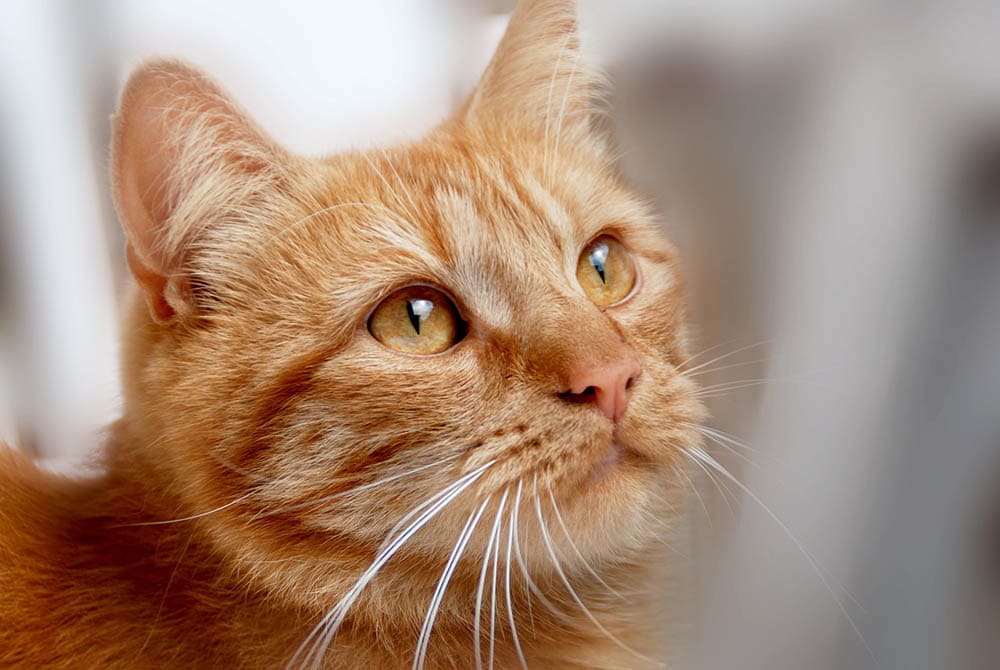
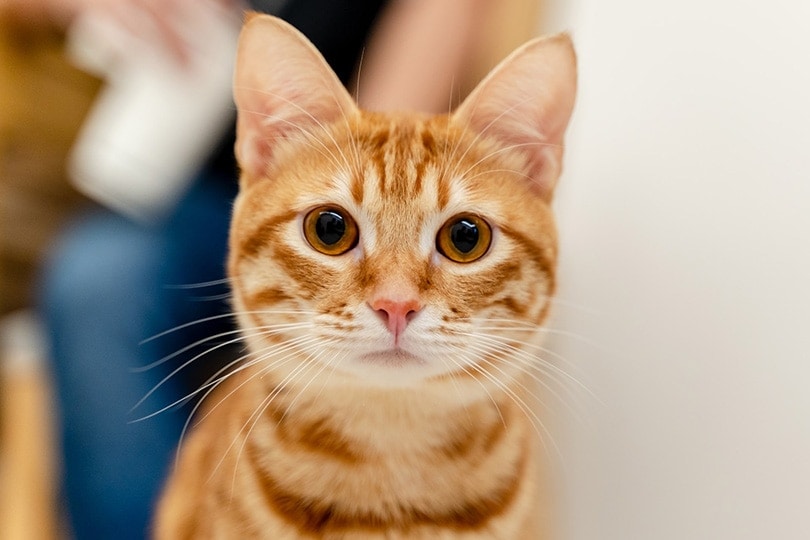
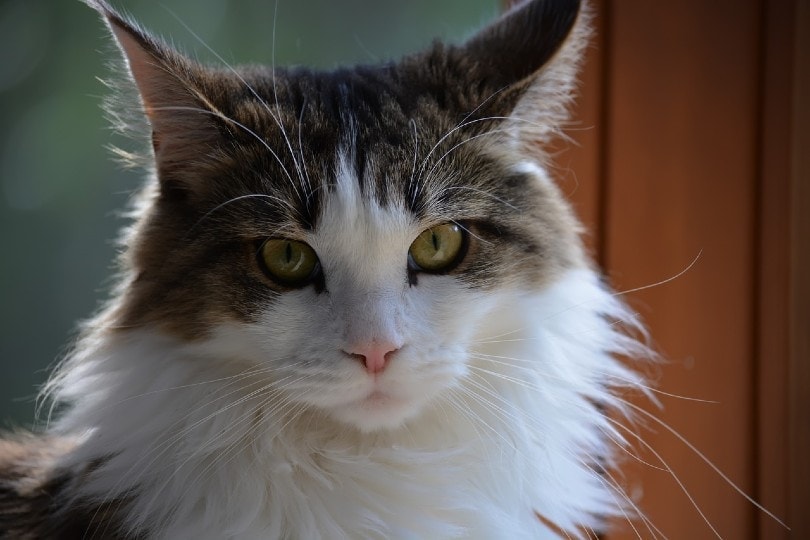
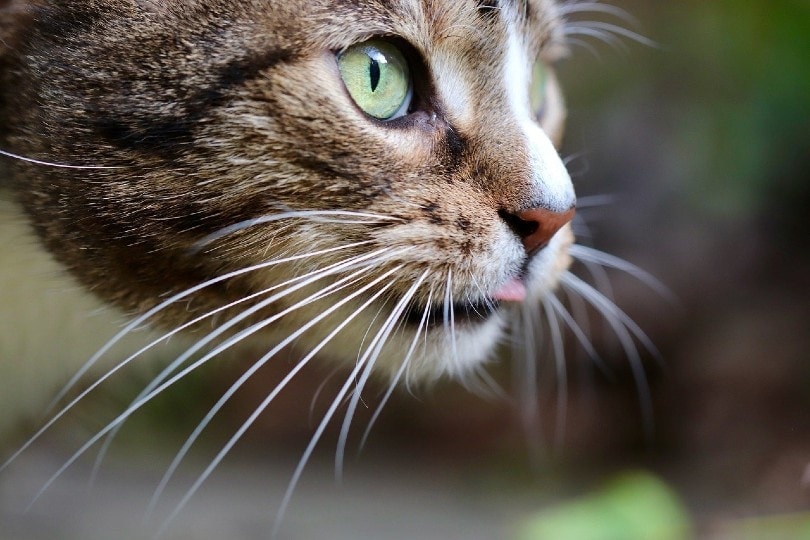
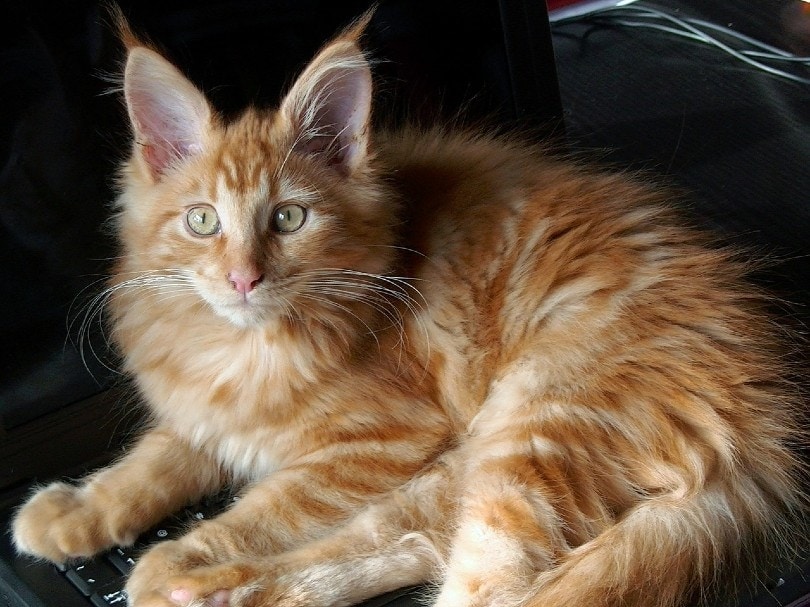
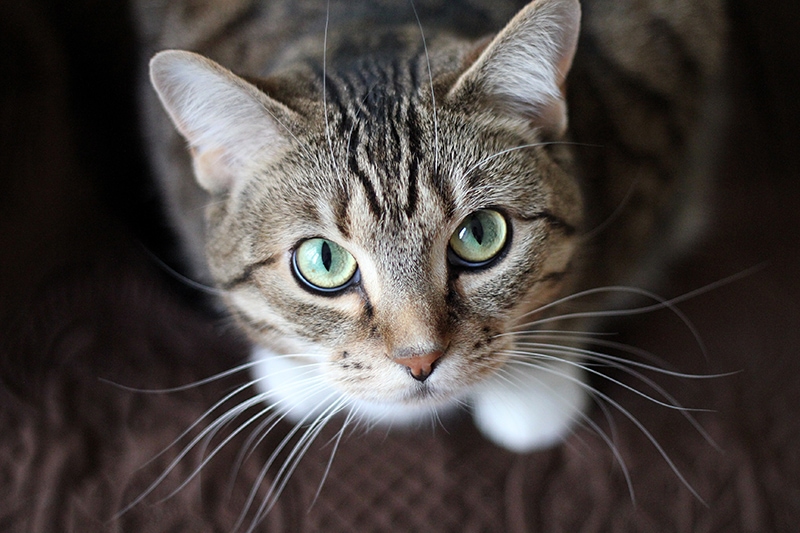
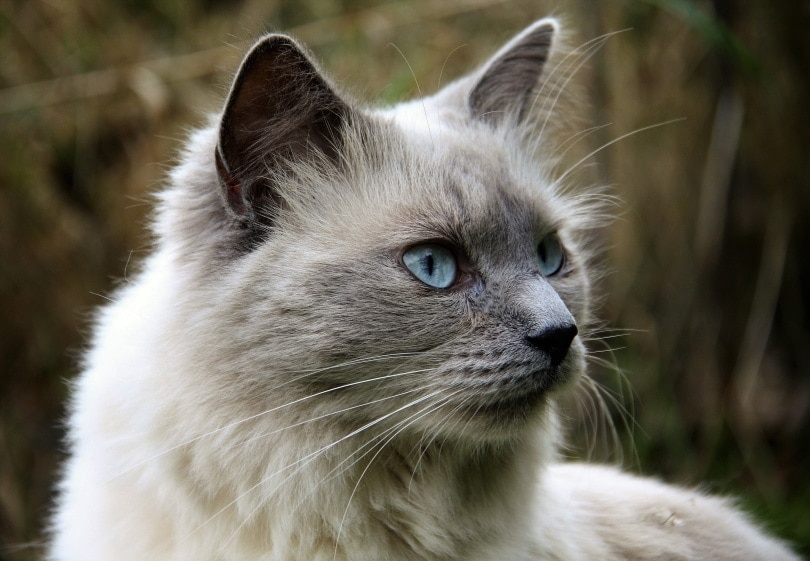
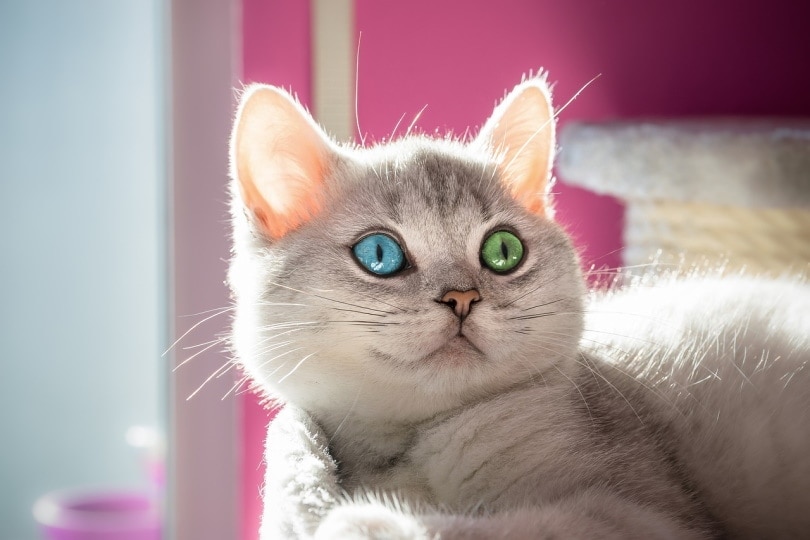
When a little kid draws a picture of a cat, they usually put a handful of whiskers sprouting from each cheek. But if you look more closely, you’ll see that those whiskers are just the beginning of the story. Cats have cheek whiskers, but they also have lots of whiskers in other places, including on their eyebrows. These beautiful whiskers frame your cat’s face, but they also serve an important purpose. Eyebrow whiskers help protect your cat’s eyes from injury and play a big role in communication.

How Whiskers Work
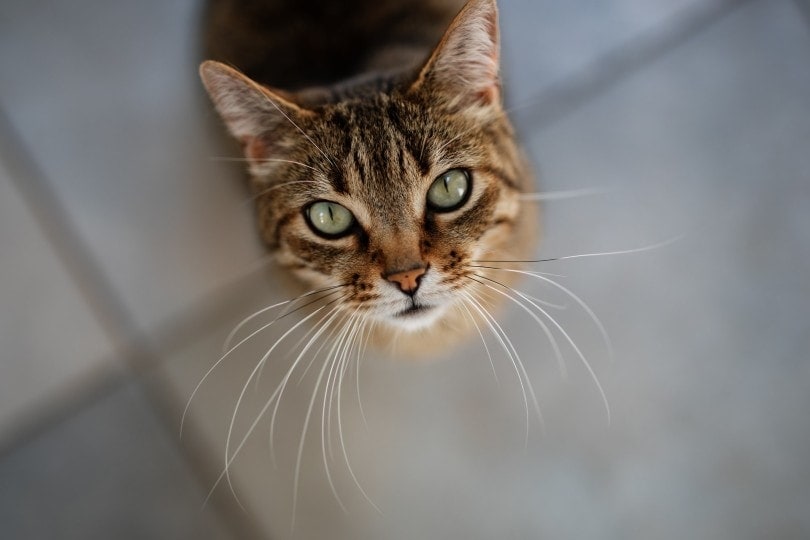
Whiskers, also called vibrissae, are specialized hairs found in cats and many other mammals. Whiskers are longer and thicker than standard fur, but the thing that really makes them different is the whisker pad—that’s the area around each hair root. Each whisker is deeply rooted and connected to a tiny capsule of blood that will get disturbed when the whisker moves. That capsule then triggers a bunch of nerves that send a trigger to your cat’s brain. This means your cat can feel every tiny brush on the tip of a whisker and use that information to perceive their environment.
Why Eyebrow Whiskers?
Cats have whiskers on their cheeks, chin, paws, and eyebrows to help them learn about the world around them. The whiskers above their eyes are called superciliary whiskers, and they have a special purpose. These help protect your cat’s eyes by signaling if anything gets too close. If something bumps a cat’s superciliary whiskers, they will automatically blink. This might be a sudden change in air pressure, or it might be an object moving toward your cat’s face. If your cat is moving around in a bush or it’s pitch dark, whiskers help your cat avoid getting their eyes poked.
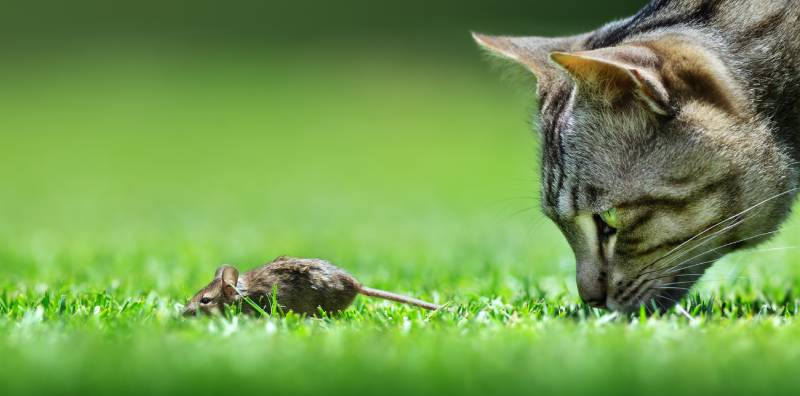
This is especially important when a cat is hunting. When cats are stalking their prey, their eyes are totally focused on the hunt. They are paying close attention to what’s going on in the middle of their vision, but their peripheral eyesight isn’t registering. Something like a nearby bush or even a dusty draft of air might take your cat completely by surprise, blowing sand into your cat’s delicate eyes. But thanks to the whisker reflex, your cat will naturally blink right in time.
Another reason those whiskers are handy is that cats lack the muscles necessary to change the shape of their eye lenses, resulting in poor near vision. Whiskers help them properly detect the location of objects near their mouth and eyes.
Whisker Communications
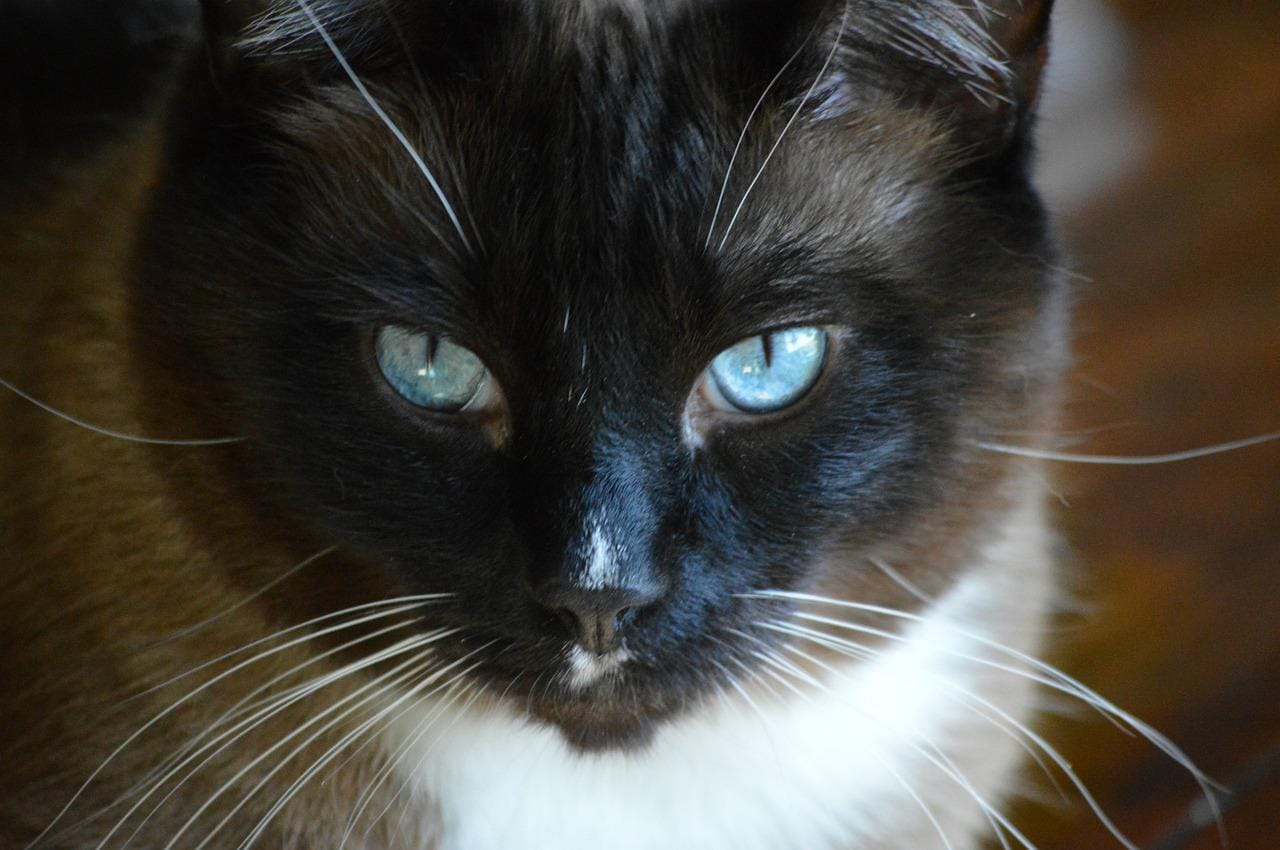
Along with sensory information, cats can use their whiskers to communicate. Whiskers are an essential part of reading your cat’s mood. If whiskers are angled forward, your cat is probably feeling happy, curious, and engaged. But when cats get irritated, they might twitch their whiskers. When your cat is scared or stressed, they will probably pull back their whiskers against their face to protect them.
Avoiding Whisker Stress
Because there are so many nerves right around a cat’s whiskers, too much touching can be painful or stressful for your cat. You should never pull on your cat’s whiskers—that’s even more painful than pulling on their other hair! You might also notice that some cats avoid deep food and water dishes. If the dishes are deep enough that your cat has to stick its whole face in the bowl and trigger the whiskers, it might decide that stealing water from the toilet is a better option. Switching your cat’s dish for a shallower bowl will solve that problem.
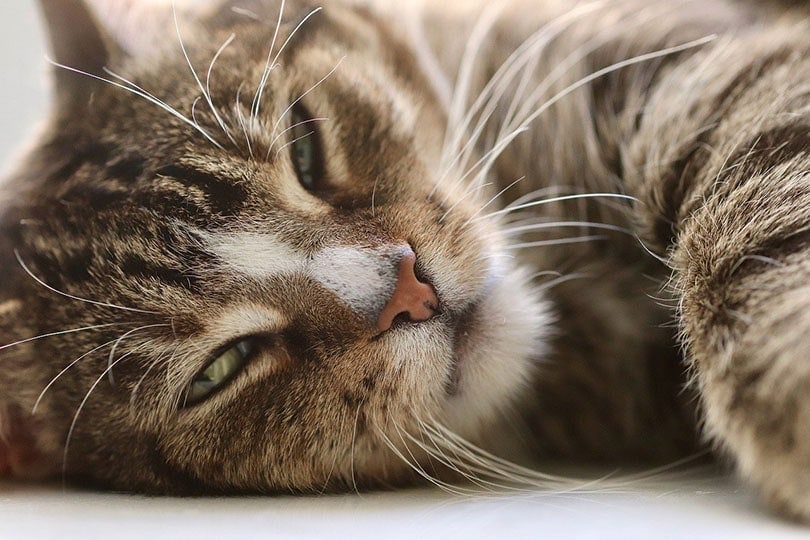
Finally, you might wonder what happens if something cuts off or tears out your cat’s whiskers. The good news is that since the whiskers themselves are made of keratin, just like hair, they’ll grow back. Within a couple of weeks, your cat will be back to normal. But you shouldn’t ever cut off whiskers on purpose. Your cat relies on them so much, they’re almost like a sixth sense. Losing them can be disorienting for your cat, and until they grow back, your cat will be missing that extra warning system to navigate the world safely.

Last Thoughts
Eyebrow whiskers are beautiful, but they’re not just there for looks! These whiskers are a very important part of your cat’s sense of touch and perception of objects around them. They help your cat get around in the dark and keep their eyes safe from danger. They also offer a great window into your cat’s mood. With all these incredible purposes, we are sure glad that our cats have them!
Featured Image Credit: 12222786, Pixabay
Get Hepper In Your Inbox


Pet care tips from our vets and experts, straight to your inbox.
You may opt-out at any time. View our Privacy Policy for more information.
Nicole is a lover of animals of all sizes but is especially fascinated with the feline variety. She’s the proud mom of Baby, a Burmese, and works every day so he can relax in the sunshine or by the fire. She’s always had a cat in her home and has spent countless days with others, observing behaviors and softening up even the grouchiest of the lot. Nicole wants to share her kitty expertise with you so you and your cat can live happy, healthy, and care-free.
Join the conversation
Ask a question, share your story, or send private feedback.