Hepper is reader-supported. When you buy via links on our site, we may earn an affiliate commission at no cost to you. Learn more.
How to Get My Bearded Dragon to Drink Water: 9 Vet-Approved Tips


Bearded dragons are fascinating creatures that are quirky, personable, and an absolute joy to have as companions. Yet, they do have one idiosyncrasy that can leave many owners perplexed: their seeming reluctance to drink water. However, when you think about the environment they come from, it starts to make sense.
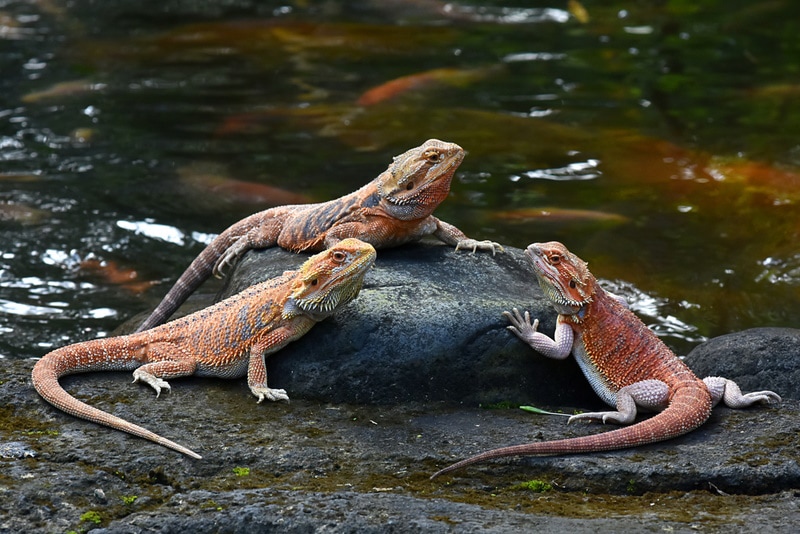
Bearded dragons are native to Australia, inhabiting a range of habitats, from arid desert to tropical rainforest. Because they are well adapted to living in places where water is often scarce, they obtain most of their water from the foods they eat.
When we keep bearded dragons as pets, it is up to us to ensure that they are getting enough water in their diet to stay hydrated and healthy. The list below can help you optimize your beardie’s food and environment to meet their needs.

Preparation: Setting the Stage for Hydration
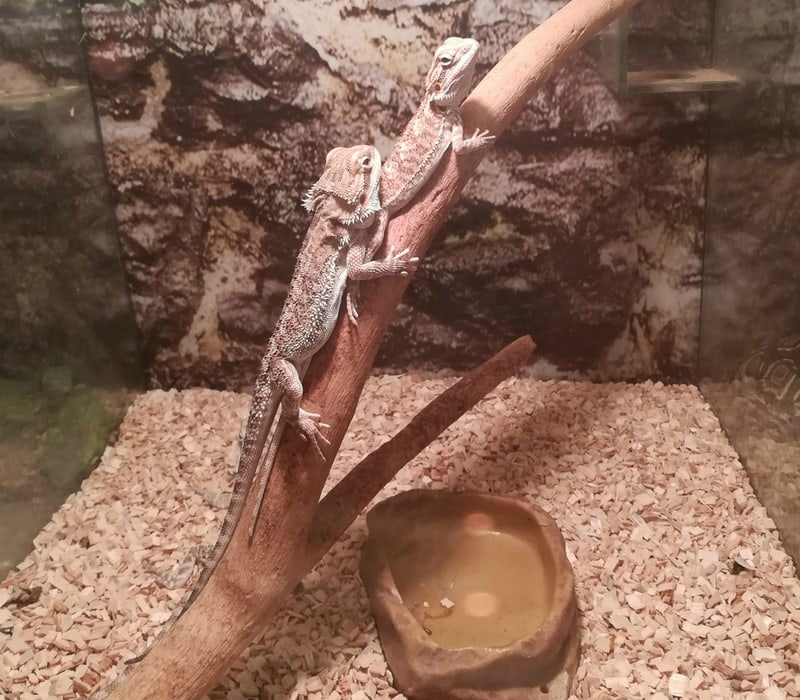
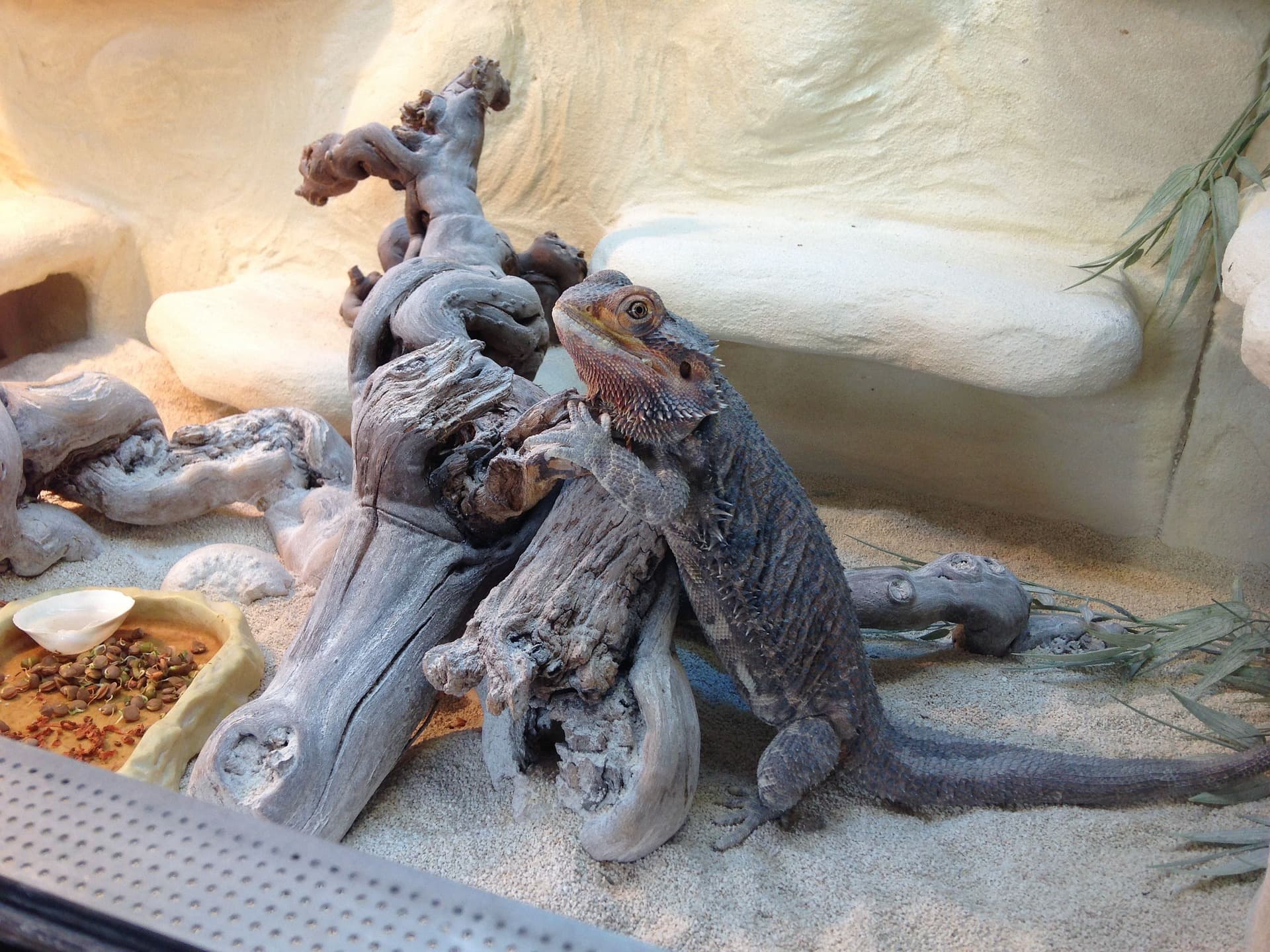
Ensuring that your bearded dragon's environment is set up correctly can make a huge difference in their hydration levels. Aim for a setup that resembles their natural habitat: dry and warm, but with easy access to water when they need it. Be cautious of water bowls that are too deep, as beardies can be a little apprehensive about diving in headfirst. Instead, opt for shallow dishes that are easy for them to navigate.
Top 9 Tips on How to Get Your Bearded Dragon to Drink Water
1. Use a Spray Bottle
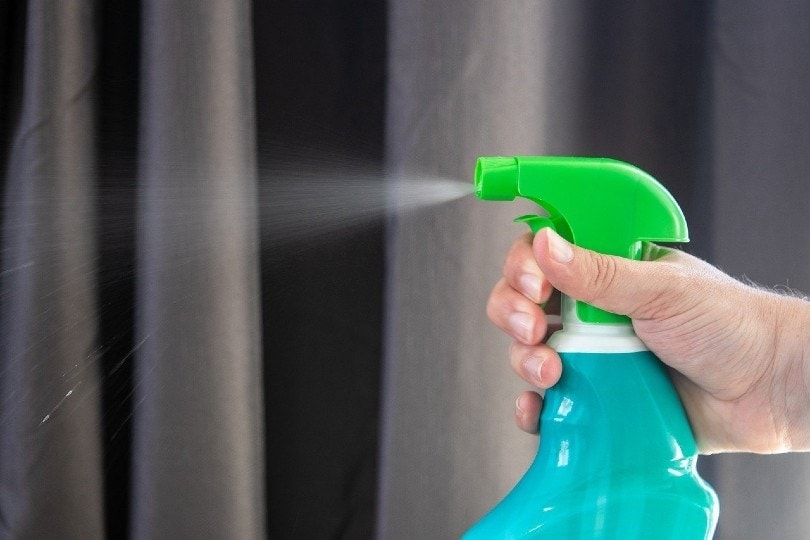
For our beardie hydration mission, the spray bottle will be one of our best allies. Lightly misting your bearded dragon can encourage them to lap up the water droplets, and it's a great way to simulate the dew they might find in their natural habitat.
When spraying, aim for their snout, but never aim directly into their eyes or nostrils. Do this a couple of times a day, but remember, consistency is key. With time, your beardie will associate the spray bottle with hydration, making the process easier.
Contrary to some information out there, bearded dragons do not absorb moisture through their skin, but giving their body a good misting can help to maintain the health of their skin.
2. The Drip System
You can use a simple drip system to get your beardie drinking. Get a clean plastic container, poke a tiny hole in the bottom, fill it up with water, and voila! You've created your very own pet watering system.
Place it above your bearded dragon's basking spot, making sure it drips onto a place they frequent. The gentle, consistent dripping of water can pique their curiosity and coax them into drinking. This method is a bit slower, but as they say, slow and steady wins the race.
Just make sure you don’t end up with a flood.
3. Always Fresh Water; Even If They Don’t Drink It
As we have established, bearded dragons do not often drink water straight from a bowl, but that doesn’t mean they shouldn’t have access to one.
The fact is, if you are providing your beardie with the right balance of vegetables and animal protein, they probably won’t need to drink water. However, if they feel dehydrated or have stayed in their basking spot too long, they may suddenly feel the urge to drink, so they always need to have the option to do so.
Because they don’t drink much, it can be easy for their water bowl to become a bit stagnant or neglected, which cannot be allowed to happen. Always refresh their water daily, even if it feels like a thankless task!
4. Fresh Greens
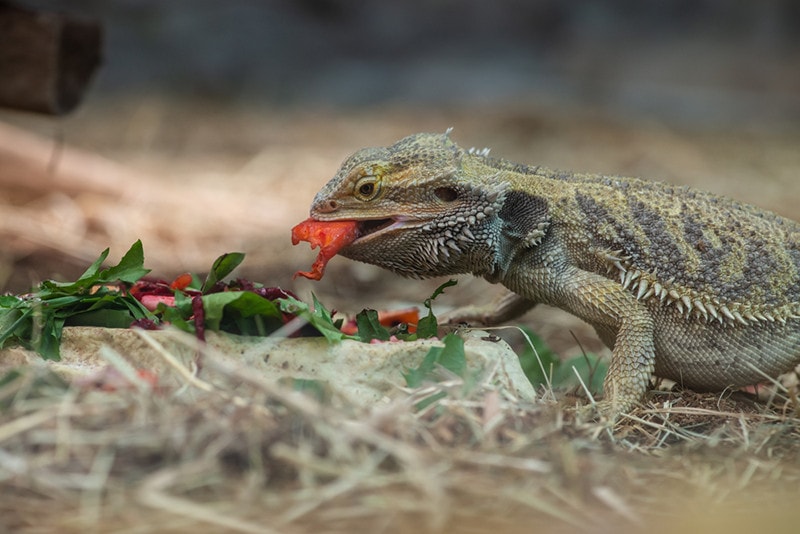
Fresh, leafy greens and juicy vegetables aren't just delicious and nutritious snacks for you, they're also hydration superheroes for your bearded dragon. Most vegetables and fruits are already really high in water, so don’t go overboard on the really water-heavy items like cucumber or iceberg lettuce; these can be filling and not provide much in the water of other nutrients.
Washing these veggies thoroughly is a must-do step. We don't want any harmful pesticide residue sneaking into our pet's meal. And while bearded dragons might seem like they can munch on anything, we want to make their mealtime as easy as possible. So, get out that chopping board and knife, and chop those veggies into small, manageable pieces that your beardie can handle with ease.
5. Soaking Sessions
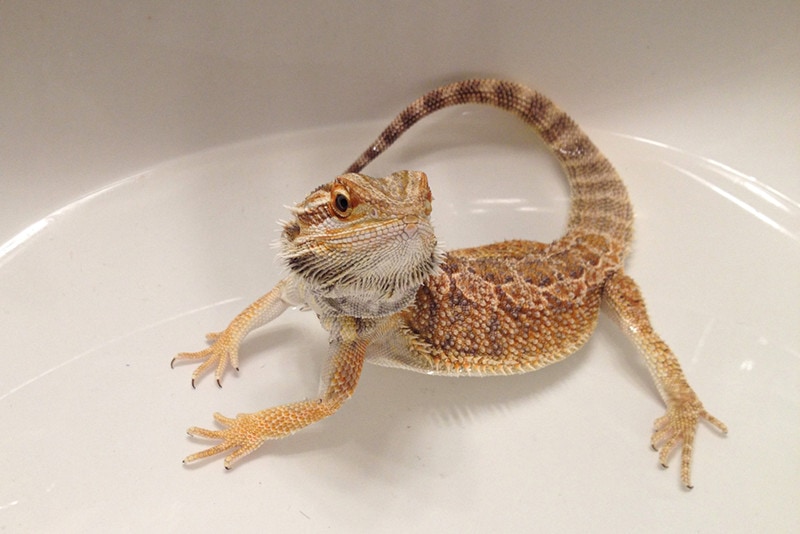
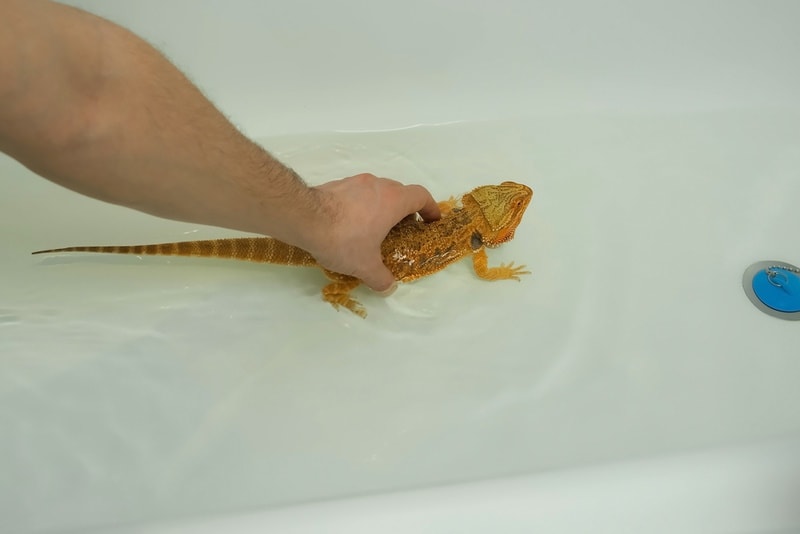
Even the hardiest desert dweller enjoys a good soak now and then. Regularly giving your bearded dragon a shallow bath can be an effective way to get them to drink water. The key here is to make sure the water is lukewarm and never higher than your beardie's chest.
Aim for a 15-minute soaking session a few times a week and you'll soon see your pet start to drink the bathwater. Just remember to supervise them during this time. Soaking sessions are also great for their skin, as it helps to keep it hydrated and aids in shedding.
6. The Magic of Dew
Remember how we said beardies are from the arid regions of Australia? Well, they're used to getting a lot of their hydration from the morning dew. You can recreate this in your own home by spraying their enclosure with water in the morning. When they stir and start their day, they'll begin by licking up the dew just as they would in the wild. It's a brilliant way to kick-start their hydration without much effort on your part.
7. Fruity Hydration
For most people, fruits are often associated with sweetness and delicious flavors. What we may not always consider is their high water content and the role this can play in supporting hydration, especially for our bearded dragons.
While fruits should only make up a small percentage of your bearded dragon's diet due to their relatively high sugar content, they can still serve as occasional treats. They provide a refreshing change from the usual leafy greens and vegetables while supplementing your beardie's hydration.
8. Read the Signs
While this tip may not involve vegetables, fruits, or any physical objects, it is arguably one of the most critical aspects of ensuring your bearded dragon's hydration. This is all about getting to know your beardie, understanding their unique behaviors and physical characteristics, and using that knowledge to gauge their hydration needs. It's a less tangible but incredibly vital part of caring for your pet.
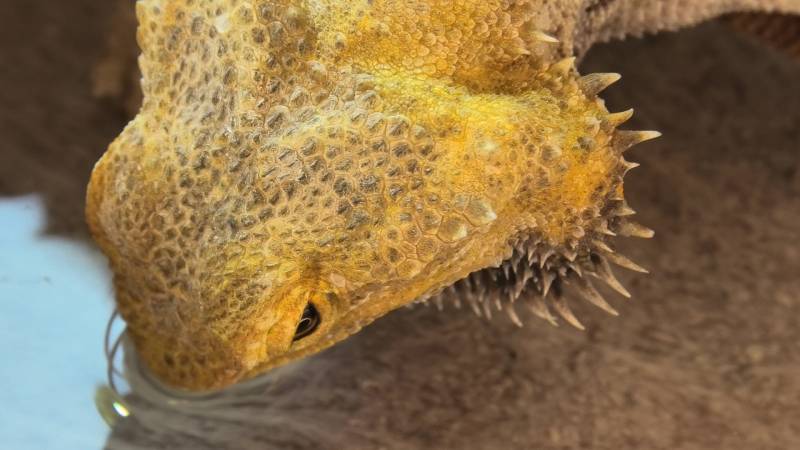
Observing and understanding your bearded dragon can offer crucial insights into their well-being. For instance, a dehydrated bearded dragon might exhibit several telltale signs, such as sunken eyes or wrinkled skin. These physical changes often hint at a lack of sufficient water intake and signal that it's time to bolster hydration efforts.
However, it's not just about physical signs. Changes in behavior can also be indicative of hydration issues. Has your usually energetic beardie become lethargic, showing less interest in moving around their enclosure? Have they started losing interest in their meals? These behavioral changes may signal dehydration and should not be overlooked.
9. Consult a Vet
When all else fails, remember that you've got a lifeline—your vet. They are an invaluable resource when it comes to understanding and caring for your pet. If you're worried that your bearded dragon is not getting enough water, or you’re concerned they might be dehydrated, it is always a good idea to get them checked. There's no shame in seeking help; it's all part of being a responsible pet parent!

Conclusion
One of the biggest take home messages is that you probably don’t need to get your bearded dragon to drink water, you just need to ensure that they have plenty of options for staying hydrated.
Because of their native habitat, bearded dragons have adapted to taking in water from their food and environment, rather than drinking from a body of water. It is therefore important to mimic the ways in which a wild beardie would stay hydrated, by misting them and their enclosures, providing leafy green vegetables and juicy fruits, and even setting up a little drip system. Even if they tend to just ignore it, it is still important to provide a shallow water bowl, just in case of sudden thirst.
As always, if you are worried about your pet’s health, hydration, or habits, talk to your vet or reptile expert.
Sources
Featured Image Credit: ukmng, Shutterstock
Get Hepper In Your Inbox


Pet care tips from our vets and experts, straight to your inbox.
You may opt-out at any time. View our Privacy Policy for more information.
Melody Russell is an experienced pet enthusiast with a background in the animal care industry. She has worked at a zoo, served as a dedicated pet sitter, and has a passion for breeding and raising leopard geckos. As a versatile freelance writer, she excels in various genres, crafting captivating stories, informative articles, and engaging social media content. You can find her cat page, TheCommonKitties_, on Instagram, where she shares the adorable antics of her beloved feline companions. With her practical expertise and creative flair, she is eager to contribute her skills in pet care and writing to make a positive impact on the lives of animals.
Join the conversation
Ask a question, share your story, or send private feedback.