Hepper is reader-supported. When you buy via links on our site, we may earn an affiliate commission at no cost to you. Learn more.
Why Is My Bearded Dragon Sleeping So Much? Vet-Reviewed Reasons


In this article
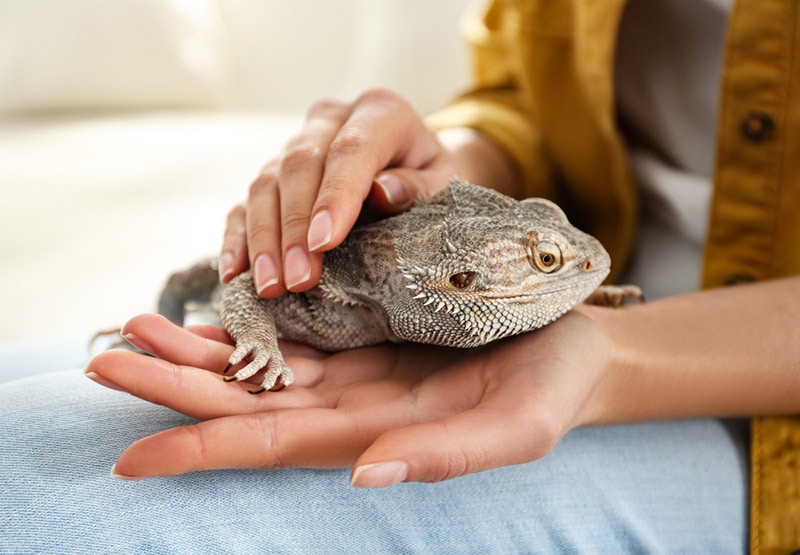
Bearded dragons are among the most popular pet reptile options for people worldwide. These little lizards are known for their docile, friendly nature and their low-maintenance needs that set them apart from many other pets.
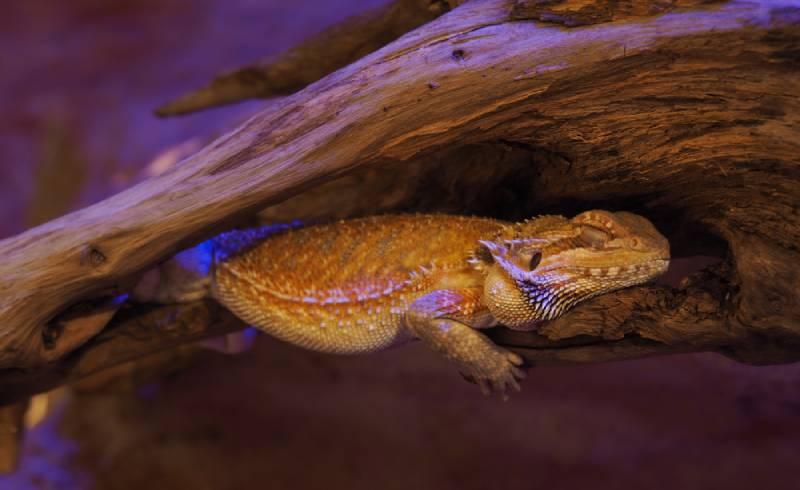
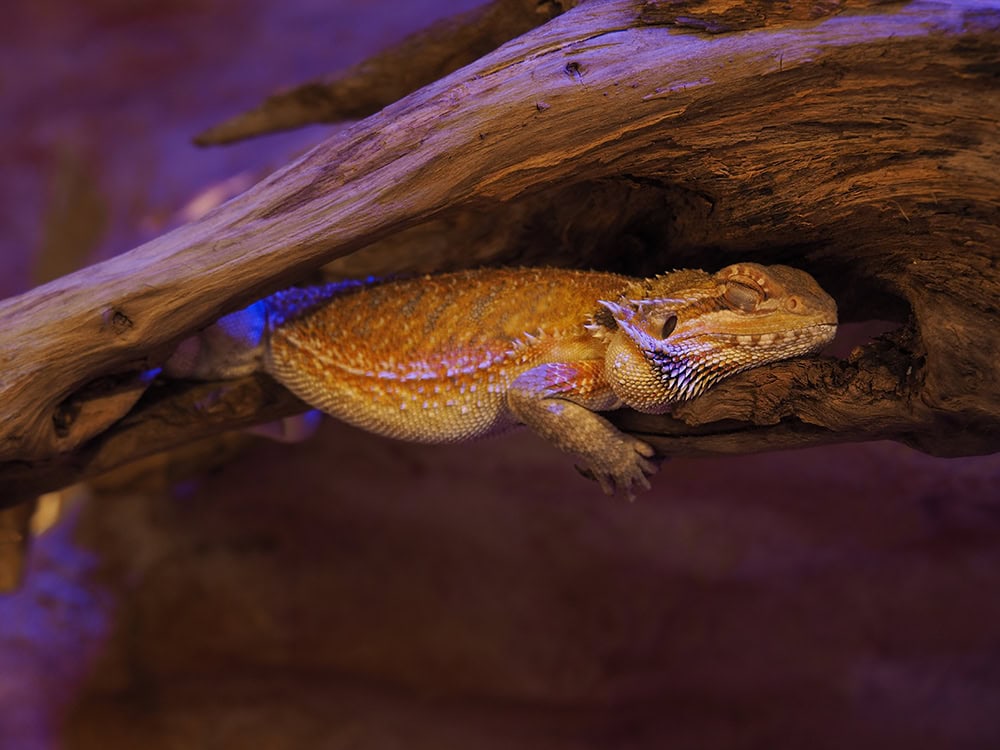
From their sunbathing habits to their unique way of relaxing, it may seem as if bearded dragons are always looking for a chance to close their eyes and get some sleep.
But what happens when your bearded dragon is sleeping way more than usual? Why do such behaviors occur? It is possible for bearded dragons to sleep more due to things like illness, stress, and changes in the environment. Therefore, you need to know what can cause excessive sleepiness and lethargy in your beardie and what you can do to help.
In this article, we talk more about bearded dragons and their sleeping patterns and dive into the reasons for excessive sleepiness.
How Much Should Bearded Dragons Sleep?
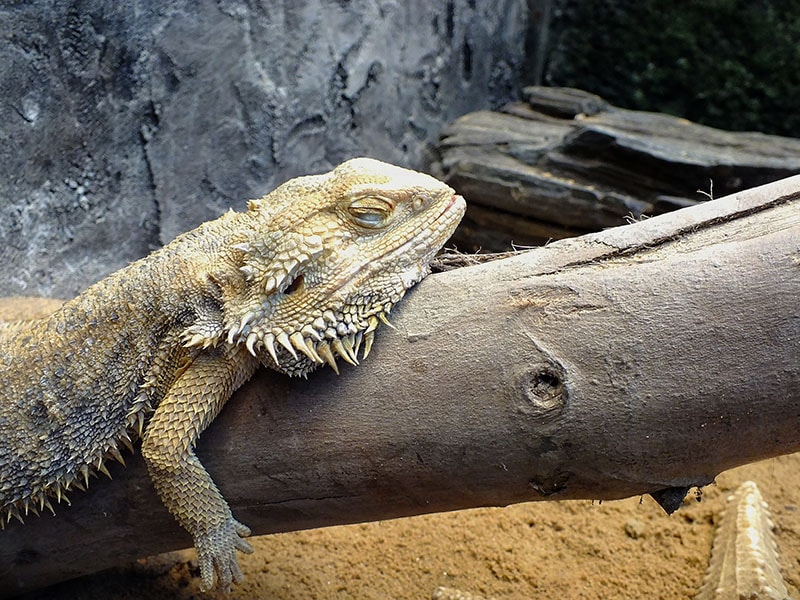
Unlike some other pet reptiles, which are nocturnal animals, bearded dragons are diurnal, meaning they’re the most active during the day. When it comes to their sleeping patterns, bearded dragons resemble mammals, as they need between 8 and 12 hours of sleep every day.
However, beardies tend to sleep more during the colder months, between 12 and 14 hours of sleep daily. So, your beardie sleeping more than 12 hours could be fine in winter, but it may be alarming in the summertime.

The 6 Reasons Your Bearded Dragon Is Sleeping So Much
1. Your Beardie Is Stressed
Just like humans, bearded dragons can experience stress, and when they do, it’s common for them to become withdrawn, sleep more, and appear lethargic. Most of the time, bearded dragons experience stress due to changes in their environment. This is why this behavior is especially common in bearded dragons that have just arrived at their new homes.
What Can You Do to Help?
Since bearded dragons tend to take things slowly, if your beardie is sleeping too much due to stress, try to make the adaptation as easy as possible. Don't push your beardies to interact, and let them investigate their surroundings at their own pace.
If stress triggers excessive sleepiness in your beardie, there’s no need to worry. Their sleeping cycle should return to normal as soon as they adapt to their new environment.
2. Your Beardie Is Ill
Happy and healthy bearded dragons typically sleep between 8 and 12 hours per day, as that’s enough for their bodies to refuel and gather the needed energy for their daily activities. If your beardie sleeps more than usual, there may be an underlying health problem causing excessive sleepiness.
It’s common for bearded dragons to sleep more when they’re sick or ill, so you should look for other signs that may help you figure out what’s wrong with your little companion. Bearded dragons can experience lethargy and excessive sleepiness due to fungal infections, viruses, metabolic bone disease, and several other health problems.
What Can You Do to Help?
If you suspect that your bearded dragon is sick or ill, it’s best to contact a veterinarian with specialized skills in treating pet reptiles. They can perform a thorough investigation and determine what’s causing the excessive sleepiness.
If there’s a health issue with your pet, the vet will likely prescribe the needed treatment to help your beardie become healthy again and thus, sleep less.
3. Your Beardie Is Preparing for Brumation
Bearded dragons typically spend the colder months of the year brumating, which is when they hide and withdraw until the weather improves. Since brumating is a natural behavior for beardies, it’s common for them to sleep and rest more during this period. They are also less interested in food and interacting with people or other animals.
What Can You Do to Help?
Brumation is completely natural for bearded dragons, and it’s normal for them to sleep more and be less active during this period. Therefore, there’s nothing that you should do to help besides being ready to welcome your friend once the brumation period passes. Brumation can be prevented in certain circumstances by controlling light exposure and temperature, but this is often impractical in practice (especially in temperate climates).
4. Your Beardie Is Cold
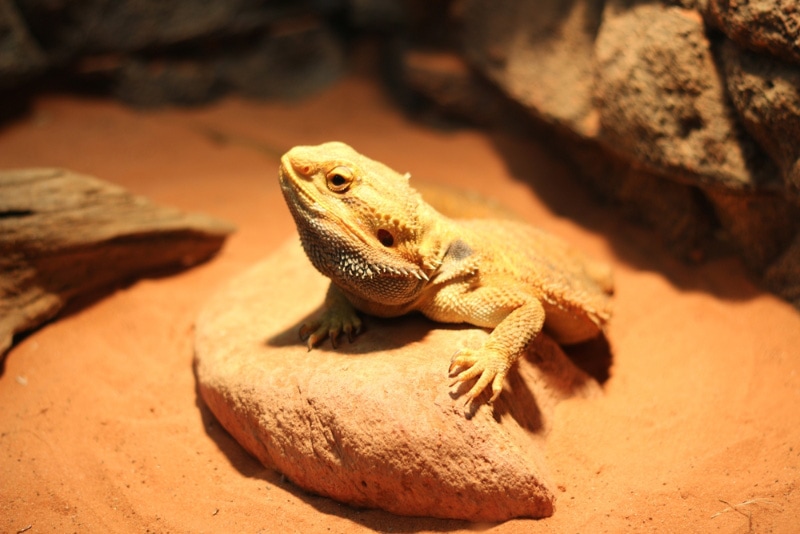
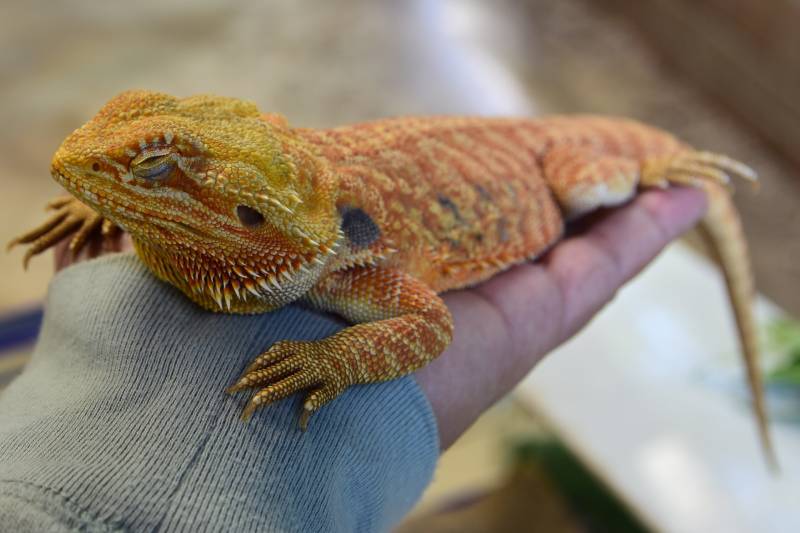
Bearded dragons are reptiles, meaning they’re cold-blooded animals that rely on external sources of heat to keep them warm and regulate their body temperature. That’s why most bearded dragons love to spend their time basking under a warm light source.
However, if the temperature in their environment is too cold, beardies may become withdrawn and sleep more.
What Can You Do to Help?
If your bearded dragon sleeps too much due to coldness, try adjusting the temperature inside their vivarium/terrarium. You should have a thermometer installed for accuracy, but you can quickly check if the temperature inside your beardie’s cage is okay by touching the glass. If it feels cold to the touch, it’s best to increase the temperature to make your beardie more comfortable.
Like all cold-blooded animals, bearded dragons rely on their ambient temperature to regulate their metabolism. Their acceptable ambient temperature range is 77–89.6°F (25–32°C), but the hot basking area needs a higher temperature of 95–100.4°F (35–38°C). Your bearded dragon also needs a cool nighttime area with a temperature range of 71.6–77°F (22–25°C).
5. Your Beardie Is Hungry
Bearded dragons require a healthy, well-balanced diet that will provide them with all the needed nutrients to go through their day. If they don’t receive enough food and are hungry, they will become less active and sleep more than usual.
Without enough food, bearded dragons may also experience digestive problems, which can affect the amount of energy that they have throughout the day.
What Can You Do to Help?
Regularly feed your bearded dragon appropriate foods with the nutrients that they need for proper development. If you’re unsure whether your bearded dragon is eating sufficiently and intaking enough nutrients, consult an experienced reptile vet who will give you advice about your pet’s dietary needs.
6. Your Beardie Is Dehydrated
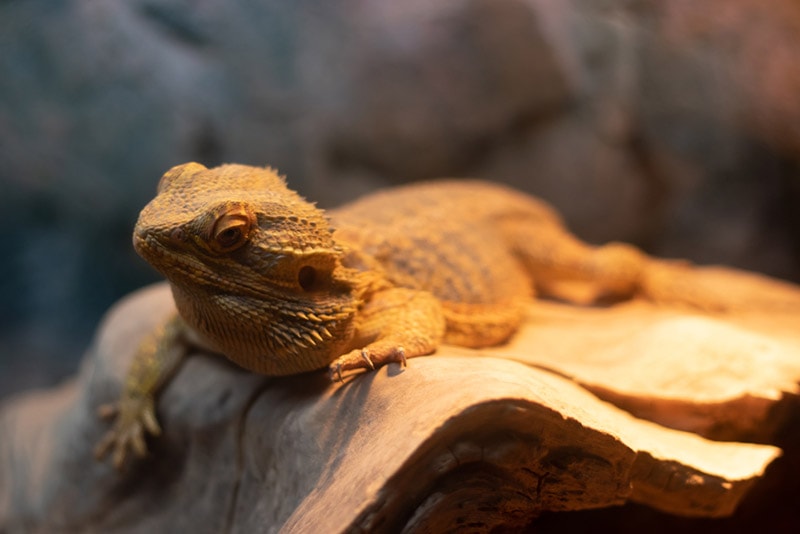
Bearded dragons can experience dehydration if they don’t drink enough water and live in an environment that’s not humid enough for their needs. When dehydrated, bearded dragons will experience lethargy and excessive sleepiness combined with wrinkly skin, sunken eyes, and increased skin elasticity.
Dehydration is a serious health issue that could eventually lead to death in your bearded dragon, so it’s essential to recognize its signs and treat it promptly.
What Can You Do to Help?
If your bearded dragon is dehydrated, you can try several home treatment options, including:
Try treating your bearded dragon using one of these methods to see if they get better. If the clinical signs continue after a few days, consult your vet to prevent further health risks.
Final Thoughts
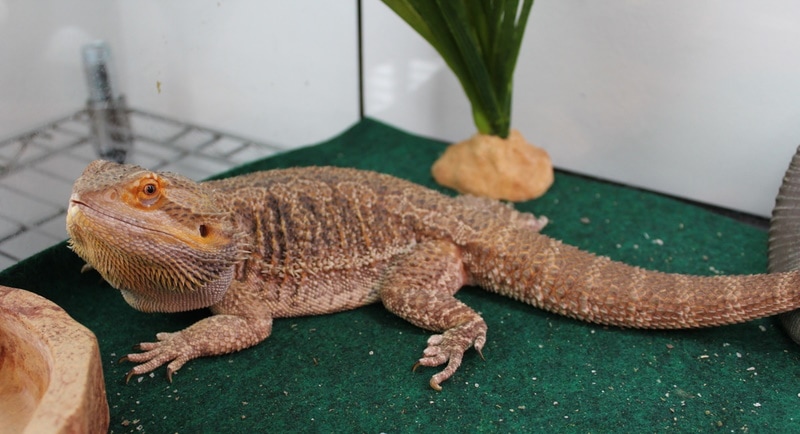
Although bearded dragons tend to sleep extensively, it is unusual for them to spend over 12 hours asleep. If your bearded dragon is sleeping too much, that might be a sign of hunger, disease, stress, and other issues, so you’ll need to monitor them.
If the excessive sleepiness continues for an extended period, be sure to consult your vet to ensure that your bearded dragon is healthy.
Featured Image Credit: lara-sh, Shutterstock
Get Hepper In Your Inbox


Pet care tips from our vets and experts, straight to your inbox.
You may opt-out at any time. View our Privacy Policy for more information.
Visnja is a content writer that covers various topics such as DIY, pets, home improvement, travel, gardening, and more.
She is a young mom and a college student, who didn’t have enough time to balance her personal and work life, so after multiple years of working a regular 9 to 5 job, she decided to pursue her passion and make a living out of it. She has been writing for a couple of years, helping people find valuable and interesting information online.
Join the conversation
Ask a question, share your story, or send private feedback.