Hepper is reader-supported. When you buy via links on our site, we may earn an affiliate commission at no cost to you. Learn more.
How Long Can You Leave a Cat or Kitten Alone? Vet Approved Advice


In this article
Cats may be fiercely independent, but they are also creatures of habit. While it may seem like your presence goes unnoticed and unappreciated, your cat is highly attuned to important events, like when you cuddle or offer treats. Any significant change in their usual routines can make them anxious and stressed.
So, how long can you leave a cat or kitten alone? Can you leave them for a day, a weekend, or an entire week?
A healthy adult cat that has no anxiety or separation issues can be left alone for up to a maximum of 18-24 hours if absolutely needed, provided they have access to fresh water, food, a clean litter box, toys, and are in a cat-safe environment. Kittens require more regular care and should only be left alone for four to six hours at most, if absolutely needed.
Read on for in-depth specifics on how long is too long to leave your kitten, adult, or senior cat alone.

How Long Can You Leave an Adult Cat Alone?
Even a seemingly aloof cat can become stressed or upset if left alone for extended hours. However, mature cats are more independent and can tolerate the lack of human interaction for up to eight hours. If you are going to work or leaving your home for a quick errand, you don't have to worry about returning to a grumpy pet.
IMPORTANT
Generally, mature, anxiety-free, healthy cats in the prime of their lives need less attention. They can keep themselves busy and distracted when left alone for extended periods of time, within reasonable limits. They may enjoy the tranquility and may be comfortable if their basic needs are met.
NOTE
Abruptly leaving a highly bonded feline for extended periods is a recipe for tragedy. It is crucial to make a slow transition and begin by leaving it alone for an hour or two (or less) before gradually increasing the duration of solitude.
How Long Can You Leave a Kitten Alone?
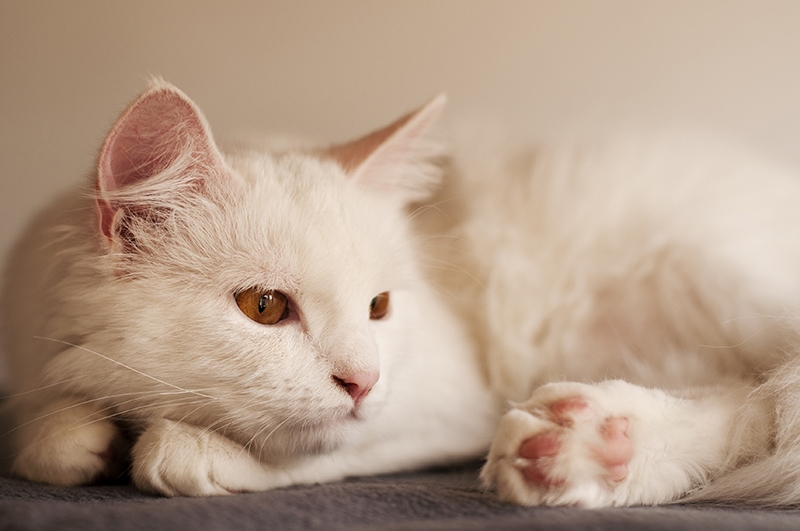
Unlike adult cats, kittens below six months are not self-sufficient and require more care and human interaction. The following is guideline for how long you can leave kittens alone, depending on their age. Please keep in mind that these are absolute maximum limits. As a general rule of thumb, younger kittens cannot be left alone as long as older kittens.
Before your kitty hits the six-month mark, you should not leave them alone overnight. Again, they will need attention after every four to six hours. Kittens and cats older than 6 months of age should not be left alone overnight either unless absolutely necessary (such as in an unexpected emergency).
With proper training, kittens become more confident and independent as they grow older. Once they overcome the fear of abandonment, they could even stay up to 12 hours alone without getting worked up. You only need to ensure easy access to fresh water, a litter box, and plenty of entertainment sources. Leaving cats with free, unrestricted access to food isn't recommended, as this may easily lead to obesity. However, if you plan on leaving your healthy adult cat alone for periods extending 6-8 hours, you need to ensure they have access to food in your absence.
How Long Can You Leave a Senior Cat Alone?
A senior cat or one with health issues should not be left alone for extended periods. Your absence or routine changes can cause stress and increase the risk of other health concerns. Moreover, senior and sickly pets need to stick to precise feeding times to ensure they also take their medication as prescribed.
Senior cats are often "set in their ways" and you should only leave them alone for durations they've been comfortable with throughout their life. If you've recently adopted a senior, then you shouldn't leave them alone for extended periods and should treat them as a 6 month old kitten with respect to how long you can leave them unsupervised.
Can My Cat Spend a Weekend Alone?
Most cats in the prime years of their lives are more independent, however may still become stressed out of the blue if you go missing for an entire weekend. Leaving your cats unsupervised for a weekend isn't advised. Instead, you should hire a pet sitter or ask a friend to check in on them, if possible. Another alternative is to use the services of a cat hotel or a cat boarding facility. Remember that an unfortunate incident in your absence might have very catastrophic outcome if your cat is alone for a weekend. In addition, it is unrealistic to expect your cat to properly portion their meals in your absence. Furthermore, cat litter boxes should be cleaned at least once a day. Therefore, leaving your cat alone for a weekend (or even overnight) is not advised.
Tips to Keep Your Home-Alone Cat Safe and Happy
Just like humans, some cats love solo time. When you are away for a few hours, your feline friend might be glad to take a long nap, indulge in self-grooming, and even discover a new hiding spot. However, others may crave your companionship after a while.
Contrary to popular belief, cats do get lonely. They form strong bonds with their owners, and separation anxiety can lead to destructive behavior, lethargy, loss of appetite, and changes in litter box habits.
Here are six tips to keep your home-alone feline safe and happy.
1. Cat-Proof Your Home
Cats are curious and will not hesitate to get mischievous once they realize you are not watching them. Before you leave them alone, ensure items around your home cannot cause a safety hazard.
Here is a list of things you need to do:
2. Invest in Pet Technology
Compared to dogs, cats are low-maintenance and make excellent pets for people with busy schedules. If you plan to be away for an extended duration in an emergency, ensure you fill the food and water bowls and provide a clean litter box. Do not leave your cat alone for periods extending 18-24 hours.
Pet products, toys, and cameras have come a long way in terms of innovation, and many products on the market make interacting with your pet possible while you're away. However, please be mindful that nothing can replace actual human-pet interaction. Contrary to popular belief, cats do need human interaction and do form lifelong bonds with you. These products are useful, but shouldn't be used as an excuse to avoid your cat for extended periods of time as no product can replace your physical presence.
- Robot pet toys
- Litter robot
- Water fountain
- Automatic feeder
3. Provide Ample Entertainment
Irrespective of how long you intend to leave your cat alone, providing ample sources for mental and physical stimulation is vital.
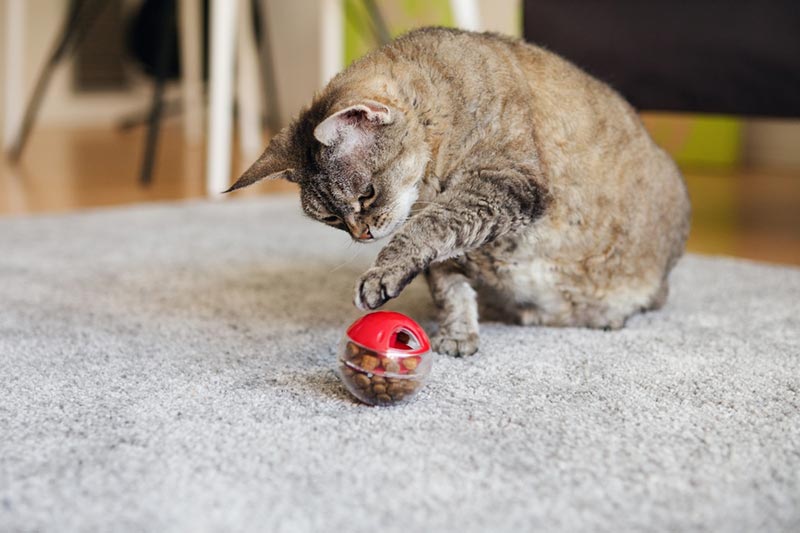
If you want to run a few errands or go to work, a tree house, hiding cardboard, a cat-safe ball, puzzle games, and robot toys may serve as a distraction and can provide entertainment in your absence. Your television may also help; human voices and background noise can distract your cat from stressing about your absence.
4. Invest in Cat Care Help
Cats love structured routines. They like knowing what to expect and may feel stressed if they miss human interaction at specific times of the day. An even better alternative to investing in pet technology is to consider cat care assistance.
Here are three care options to consider:
The best care option is to pay a pet sitter to live in your home or drop by routinely during your absence. While the arrangement will cost money, you don't need to bother other people, and your cat can remain in a familiar environment. Let the professional meet and socialize with your pet for at least two sessions before your departure date.
5. Consider Adopting Another Cat
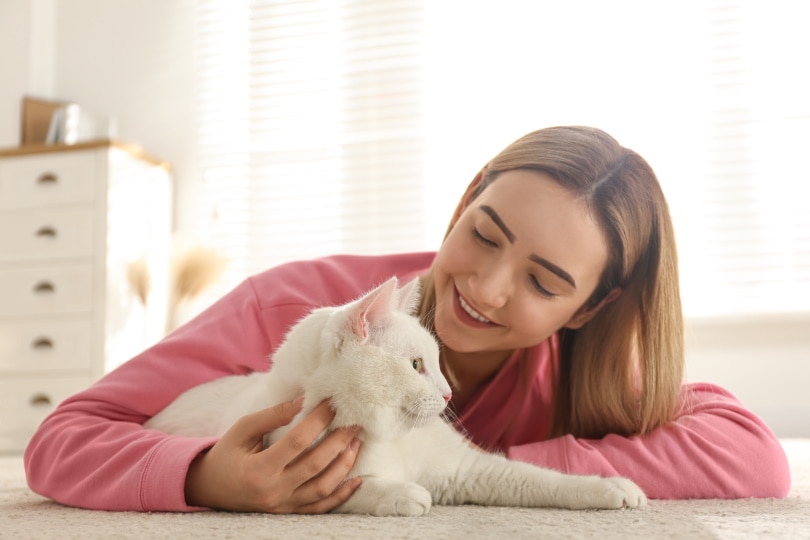
If your cat is naturally welcoming or loves socializing with other felines, consider getting it an in-house companion. Tread carefully when dealing with a mature cat because it may not be receptive to the idea. When adopting a new cat, take steps to ensure proper introductions.
The best time to adopt another cat is when you are present to see how the two get along. Divide your time wisely to ensure both feel loved and secure. Once the cats bond, step out for shorter periods and monitor their interaction. Gradually increase the time they spend at home together in your absence before you ultimately leave them for an entire day.
6. Make the Moment Count When You Return
Returning home from a trip or vacation often feels hectic. You want to unpack, reorganize and probably deal with the chaos you caused when packing at the last minute. Before you deal with all that, give your feline friend at least an hour of undivided attention.
Depending on your cat's personality and preferences, you could curl on the couch, do a quick grooming session, or offer treats. The idea is to spend quality time together and bond.
Final Thoughts
Even a cat that seems aloof needs you for more than just your ability to open food cans and clean the litter box. They need your companionship and your presence matters!
Generally, healthy, anxiety-free trained adult cats can stay alone for several hours without any issue. Cats that are young, seniors, unwell, or those with anxiety and attachment issues cannot be left alone for extended periods of time. When leaving a cat alone, ensure they have access to fresh water, a clean litter box, and entertainment. In addition, ensure that you cat-proof their environment prior to your departure.
The trick to leaving your pet alone for longer is to avoid abrupt changes in routines. Gradually extend its hours of solitude and prepare for a grand reunion each time you get back home.
Featured Image Credit: Julita, Pixabay
Get Hepper In Your Inbox


Pet care tips from our vets and experts, straight to your inbox.
You may opt-out at any time. View our Privacy Policy for more information.
Nicole is a lover of animals of all sizes but is especially fascinated with the feline variety. She’s the proud mom of Baby, a Burmese, and works every day so he can relax in the sunshine or by the fire. She’s always had a cat in her home and has spent countless days with others, observing behaviors and softening up even the grouchiest of the lot. Nicole wants to share her kitty expertise with you so you and your cat can live happy, healthy, and care-free.
Join the conversation
Ask a question, share your story, or send private feedback.