Hepper is reader-supported. When you buy via links on our site, we may earn an affiliate commission at no cost to you. Learn more.
Do Portuguese Water Dogs Bark a Lot? Reasons Why & Prevention Tips

In this article
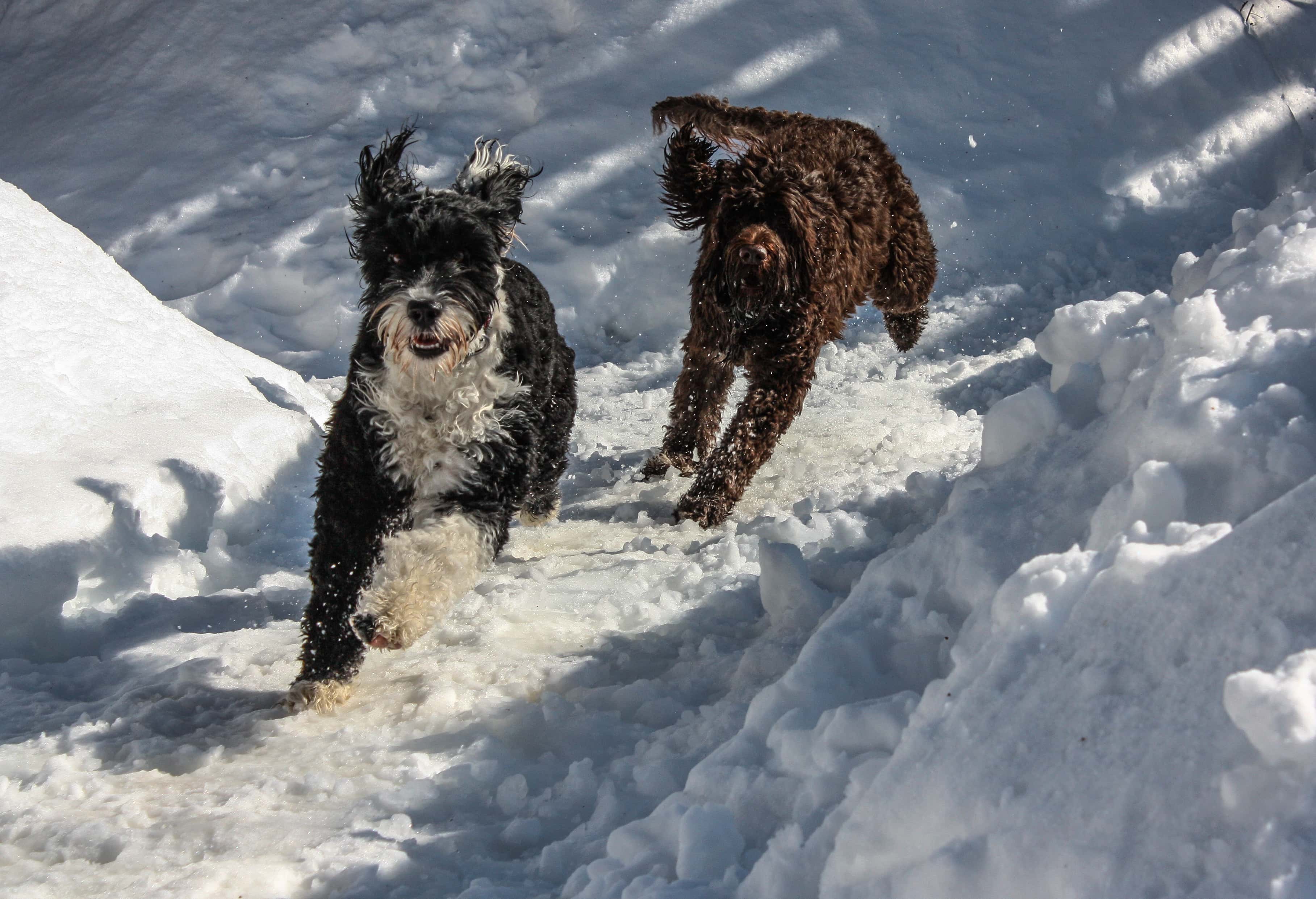
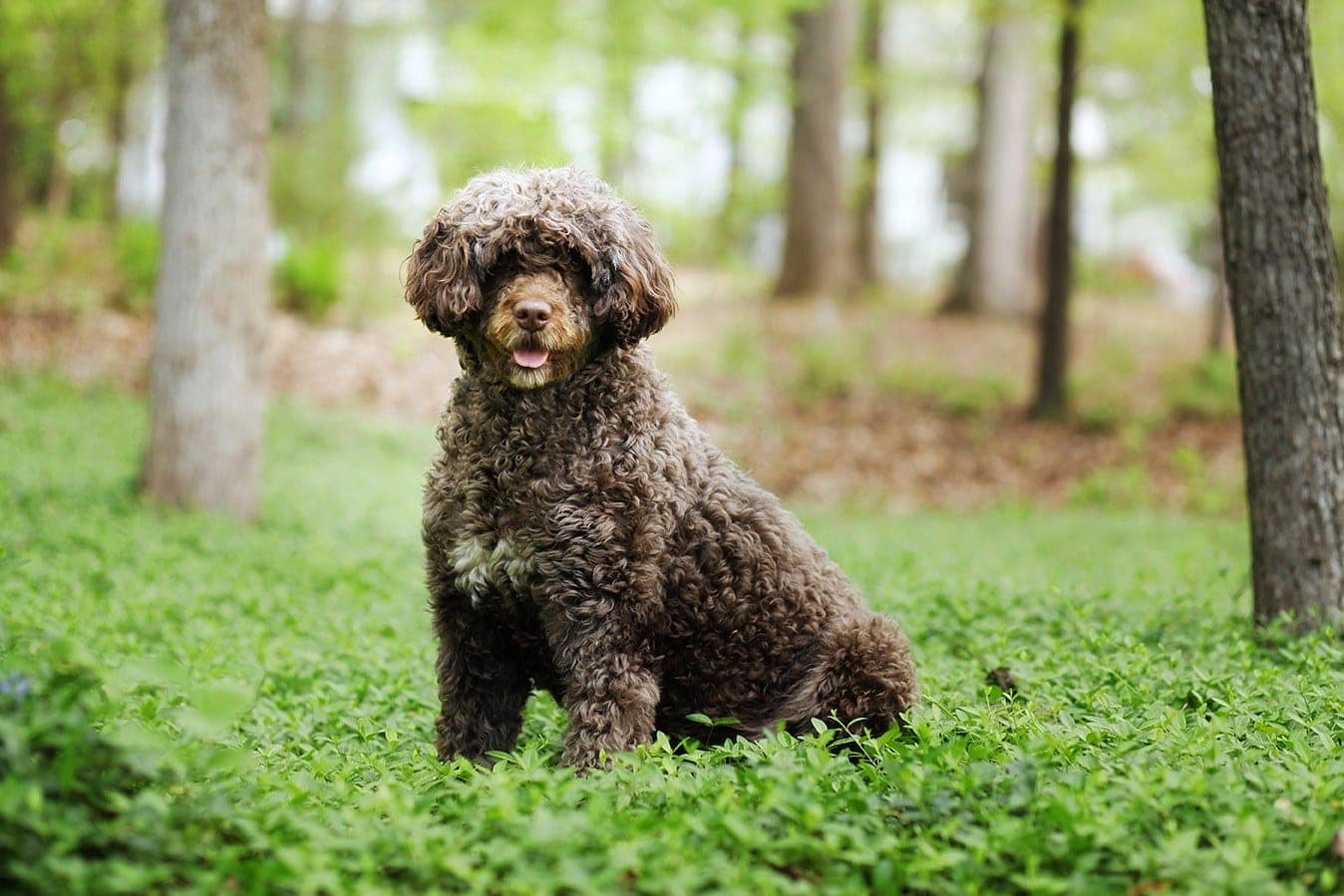
Barking to dogs is like chirping to birds or meowing to cats, and you won’t find a dog that doesn’t do it. However, you may find a dog that may bark more than others, and when barking becomes excessive, it can become a nuisance for us as dog owners and our neighbors or visitors. Generally, the Portuguese Water Dog is quieter than other breeds and does not bark excessively.
If you are considering adopting a Portuguese Water Dogs and are concerned about how vocal it is, read on to find out if they bark a lot, why they bark, and how you can minimize the behavior.
If you need help training your dog, we suggest speaking with a vet.

Do Portuguese Water Dogs Bark Excessively?
Generally, the Portuguese Water Dog is quieter than other breeds and does not bark excessively. They are quiet around the house and only bark when they need to alert you of something. These dogs do have a distinct bark, and although they are not excessive barkers, you won’t have issues discerning your dog’s bark from the neighbors’ dogs.
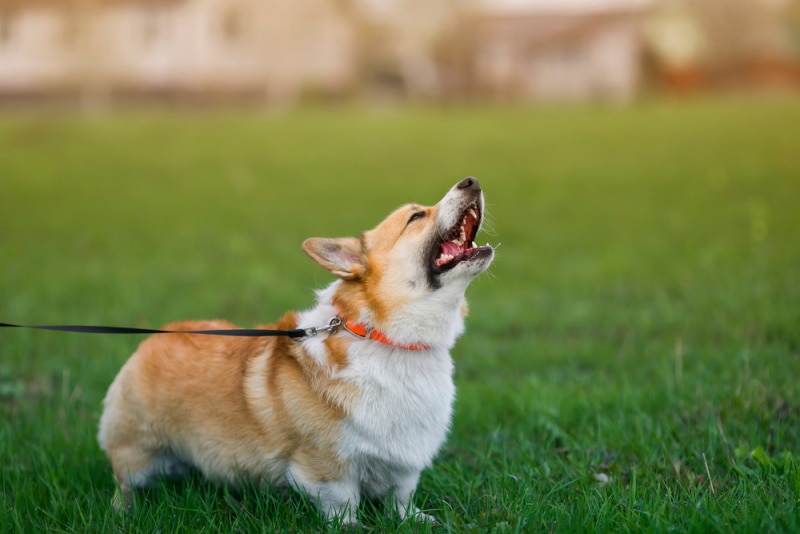
Like other dogs, Porties bark when they need food and water or want to go for a walk. They will also bark if they spot someone or something they believe to be a threat.
Porties are not known to be excessive barkers, but there may be occasions when it barks more. Determining what is causing your dog to bark excessively will help in your pursuit to minimize it.

Why Is My Portuguese Water Dog Barking?
Like people, dogs communicate through vocal and nonverbal behaviors. Barking is one of the most efficient ways dogs know how to communicate with their owners and is a completely natural behavior.
Dogs bark to communicate various feelings and concerns, and pet parents must interpret a dog's verbal signals within their body language to understand what their dog is communicating. Here are the most common reasons for being vocal to help you understand why your Portie is barking.
Excitement and Greeting
If you notice your Portie barking when you get home, take out the leash, or say your cue word for going to work, the barking is a sign of excitement. The barking may also include a few higher-pitched sounds that will subside when your Portie calms down.
The Body language that can be seen along with the barking includes a wagging tail and an alert yet happy body posture. They often also stamp their feet or whirl around in circles.
Attention and Food
As you know, barking is a dog's way to communicate, so it can often be done to get your attention or communicate that they may be hungry. This kind of barking usually consists of a long chain of brief single barks. Their body language often appears calmer and less animated, and their ears may be at attention, while their tails may be straight or wagging.
Loneliness
Most dogs, including Porties, don’t do well when left alone for long periods. It may cause them to feel lonely or anxious, which will result in barking to communicate their discomfort.
Boredom
If your Portie is bored, it may bark to catch your attention or initiate playtime. If your Portie is not exercised or mentally stimulated enough, it may result in a bored dog with pent-up energy, leading to destructive behaviors and barking. If your Portie brings its ball and drops it by your side with its tail wagging and a few loud barks, it is undoubtedly communicating that it wants to play.
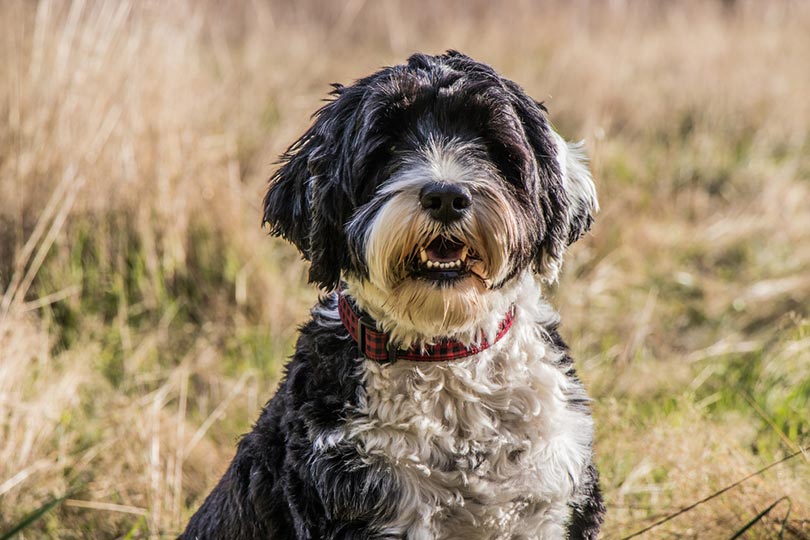
Anxiety and Fear
A Portie may feel nervous or anxious and bark as a reaction to a new circumstance, such as moving or a new dog moving into the house. Dogs enjoy routine and structure, and if something changes in their environment, it may cause discomfort.
Barking may also be the dog's way of alerting the owner that it is sensitive to noises, such as those made by thunder, fireworks, smashing objects, and loud outdoor machinery.
Separation Anxiety
Many dogs, including Porties, battle with separation anxiety when left home alone for extended periods. Dogs with separation anxiety may pace and drool,1 engage in destructive activity, or bark excessively in response to being left alone.
Territorial Behavior
Your Portie might not be able to distinguish between a visitor and a potential threat if it did not receive the required training and socialization. If your dog sees another dog on the property or while walking, it may bark to protect its territory. These barks are often deeper and may have a growl to them.
Additionally, they will be persistent and constant. Its body will be tense, and its posture may include the ears, head, and tail being straight and at attention. The dog is trying to communicate that they are bigger and might bite by doing this.
Pain
Your dog may bark when it is in pain. Usually, if your dog is in a fight or has been hurt during rough play, your dog will bark. In a pack, barking would usually signal that certain behavior is causing pain and they want it to stop, or it has been hurt and is signaling for help.
Reinforced Behavior
A Portie's excessive barking could be unintentionally reinforced by its owner. If you give in to their demands while they bark, you train them to do so. For example, if you feed your dog when it barks for food or throw it a ball when it barks for you to do so, you reinforce the behavior and teach your Portie that barking will get results.
How to Minimize Your Portuguese Water Dogs Barking
Many dog owners can tell why their dog is barking by listening to the bark. For instance, a dog's bark changes depending on whether it wants to play or is excited to see you. It's essential to figure out why your dog is barking if you want to stop the behavior.
Unfortunately, expecting a speedy resolution or that your dog will completely cease barking is simply not attainable. It will take some time and practice before it becomes less vocal. Instead of trying to stop the barking completely, your goal should be to reduce it.
Identifying the bark your dog makes is the first step towards minimizing your dog's barking. You may determine the type of barking your dog is using by asking yourself these questions:
- What causes the barking—objects, sounds, animals, or people?
- When and where does the barking occur?
- Who or what is the target of the barking?
Here are a few things you can do to help minimize barking:
- Don't let your dog stand at the front entrance, the gate leading into the front yard, or the property line to greet guests. Train it to go to a different spot, such as a crate or a mat, and wait there silently until it is welcomed to greet properly.
- Keep your greetings calm and casual. To prevent your dog from barking when visitors arrive at the door, teach it to sit and stay. Only greet and pay attention to your dog when it is calm and quiet.
- If you know your dog's barking is attention-seeking, ignore the behavior to avoid reinforcing it.
- Ensure your dog is never left alone for too long and always has something to keep it busy.
- Ensure your dog gets enough food and calories for its body size and energy levels so that it doesn’t end up hungry and barking for food. Speak to your vet about the best food and portions for your dog.
- Anytime your dog doesn't react with a bark, give it praise and a treat to reinforce the behavior. This should only be for attention-seeking barking.
- If your dog barks at loud noises like thunderstorms or fireworks, speak to your vet about ways to help it stay calm.
How to Train Your Dog to Be Quiet on Command
- Tell your dog to "quiet" with a stern but calm voice and hold a tasty treat in your hand. Give your dog the treat when it has been silent for a few seconds. When it eventually learns that being silent results in rewards, increase the interval between the command and reward.
- Teach your dog that when someone comes to the door or walks by, it is welcome to bark until you command it to be quiet. Accept three to four barks from your dog, and then say, "Quiet."
- Repeat this a few times until your dog understands the cue “quiet,” and reinforce the behavior with praise and treats.
Final Thoughts
Portuguese Water Dogs are not naturally excessive barkers. However, they can bark more than usual in certain instances, and their normal barking could also lead to excessive barking if the behavior is reinforced. Dogs bark to communicate, so if your Portie barks for food, playtime, or out of excitement, you can accidentally reinforce that behavior by responding to it, which can lead to excessive barking. It would be best to learn your dog's body language and why it barks, and once you have determined why it is barking, you can work on eliminating or minimizing the amount of barking.
Sources
Featured Image Credit: Brook Robinson, Shutterstock
Get Hepper In Your Inbox


Pet care tips from our vets and experts, straight to your inbox.
You may opt-out at any time. View our Privacy Policy for more information.

Nicole is a lover of animals of all sizes but is especially fascinated with the feline variety. She’s the proud mom of Baby, a Burmese, and works every day so he can relax in the sunshine or by the fire. She’s always had a cat in her home and has spent countless days with others, observing behaviors and softening up even the grouchiest of the lot. Nicole wants to share her kitty expertise with you so you and your cat can live happy, healthy, and care-free.
Join the conversation
Ask a question, share your story, or send private feedback.