Hepper is reader-supported. When you buy via links on our site, we may earn an affiliate commission at no cost to you. Learn more.
How Long Can Rabbits Go Without Water? Vet-Verified Facts & FAQ


In this article
Rabbits are cute, furry creatures that are beloved by many as pets or as wild animals in nature. They are known for their unique habits and behaviors, including their drinking habits. As responsible rabbit owners or animal enthusiasts, it's important to understand the needs of these small animals, including how long they can go without water.
So how long can rabbits go without water? The truth is that water is essential for rabbits to survive and they can only go for about 12 hours at most. Rabbits drink water several times a day and if they are unable to hydrate themselves, dehydration can lead to organ failure and even death.
Still curious about your rabbit’s water needs? Here, we talk about just how important water is to rabbits and why they need to stay hydrated every day!

Why Do Rabbits Need Water?
A rabbit’s body is composed of around 60% of water which makes hydration crucial for maintaining their overall health and well-being.1 Rabbits need water to help with digestion and to prevent issues such as constipation and gastrointestinal stasis, which can be life-threatening for these small animals. Rabbits drink more water than other animals that are similar in size. When compared to the relative size of a human, rabbits drink about twice as much water on a daily basis.
Water keeps a rabbit’s blood flowing at a proper rate and thickness, and is also vital in flushing out excess waste from their blood. This helps maintain proper organ function to prevent any failure and complications.
Water also helps regulate a rabbit's body temperature, as rabbits do not sweat and rely on other means, such as panting and drinking water, to stay cool in hot weather. Additionally, rabbits need water to stay hydrated and maintain proper kidney function, as their bodies constantly produce urine.
How Much Water Do Rabbits Need Every Day?
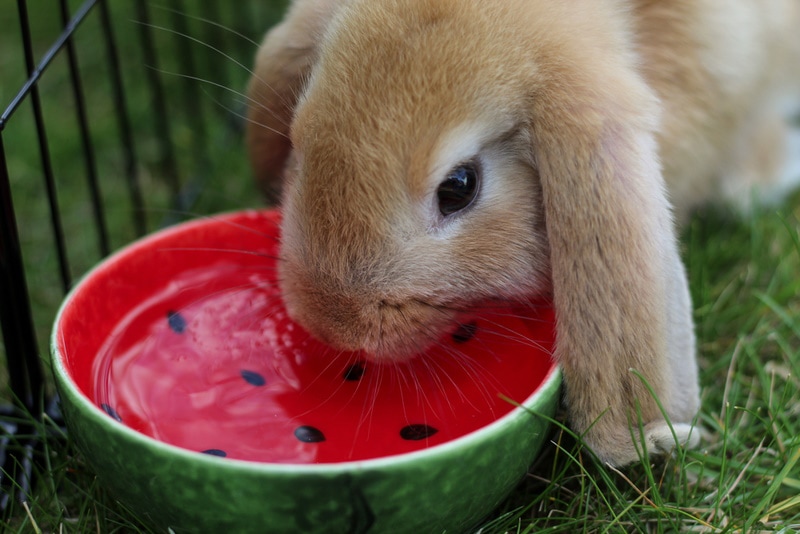
The amount of water a rabbit needs on a daily basis depends on various factors, including their age, weight, activity level, and environmental conditions.
On average, a healthy adult rabbit needs about 50-150 milliliters (ml) of water per kilogram of body weight each day. This can equate to approximately half an ounce to 1 ounce of water per pound of body weight.
For example, a 5-pound (2.2 kg) rabbit would require about 2.5 to 5 ounces (75-150 mls) of water per day. It is best to offer rabbits water ad libitum (unlimited access) so they manage their hydration status as needed.
It is also important to note that your rabbit’s drinking habits may also change depending on the weather. They may drink less during the colder seasons and more during warmer temperatures.
Drinking Habits of Rabbits in the Cold Seasons
Rabbits may drink less water during the colder seasons, as they tend to eat more hay and fresh vegetables, which naturally contain more moisture.
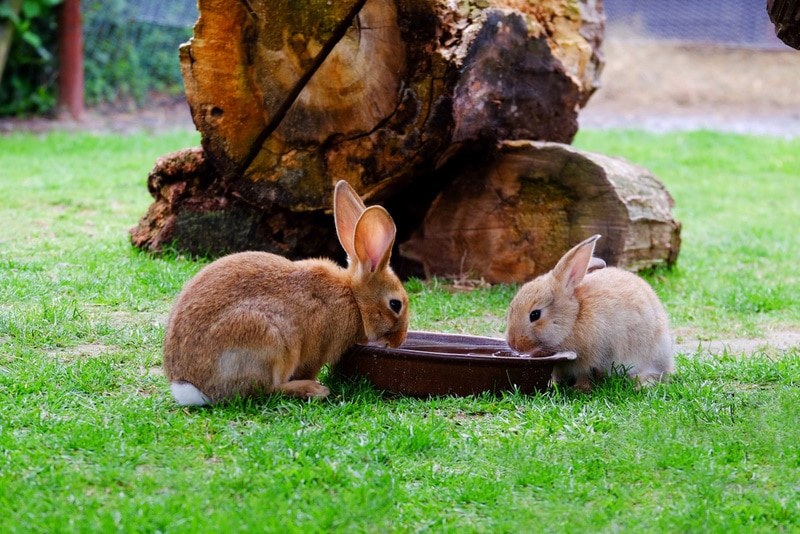
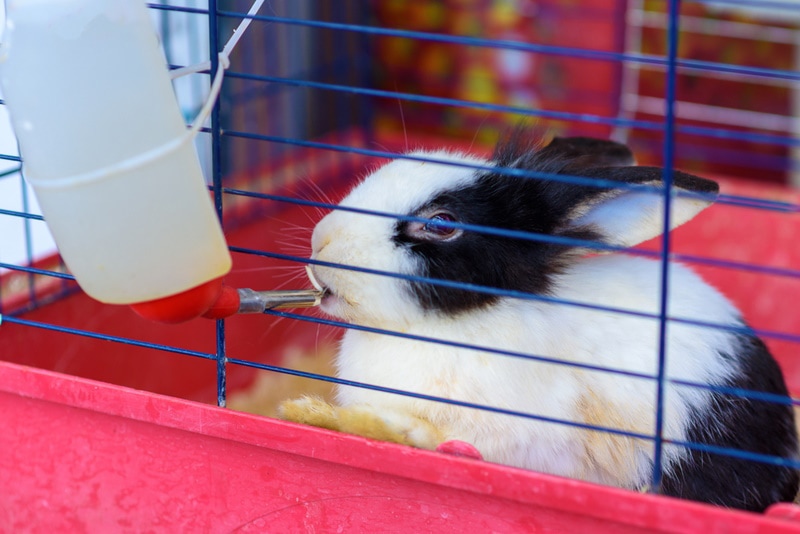
However, it's still crucial to ensure that your rabbit has access to fresh water at all times, even during colder weather. It is best to offer your rabbits water in a dish, as they drink far more water when it's offered in a dish versus when it's offered in a bottle. Rabbits can also easily chew on and eventually destroy the valve on most bottles.
Drinking Habits of Rabbits in the Warm Seasons
Rabbits may drink more water during the warmer seasons, as they need to regulate their body temperature and stay hydrated.
It's essential to provide ample fresh water to your rabbit during hot weather to prevent dehydration.

Why Is My Rabbit Not Drinking Water?
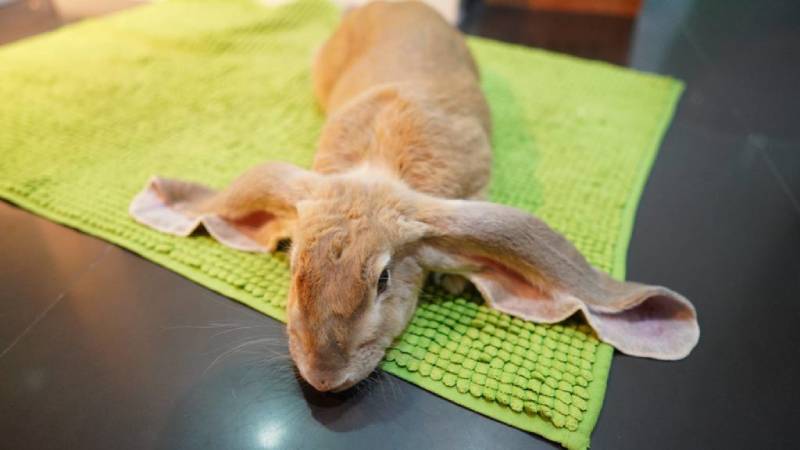
If your rabbit is not drinking water or drinking significantly less than usual, it could be a sign of an underlying health issue or discomfort. It is important to seek the advice of an exotic veterinarian promptly, as it isn't considered normal for a rabbit to stop drinking water.
Rabbits can also be prone to dental issues, which may affect their ability to drink water.
Additionally, rabbits may avoid drinking water if their water source is contaminated or if their water bowl or bottle is dirty. Regularly clean your rabbit's water container and provide fresh, clean water to encourage them to drink.
What Should You Do If Your Rabbit Is Not Drinking Water?
If you notice that your rabbit is not drinking water or is drinking significantly less than usual, it's important to take prompt action to prevent dehydration.
The first thing you want to check is the water source. Ensure that your rabbit's water source is clean, fresh, and easily accessible. Water bowls should be cleaned regularly and refilled with fresh water at least once a day. Water bottles should be checked to make sure they are working properly and not clogged. As mentioned previously, rabbits prefer dishes over water bottles, and switching from a bottle to a dish is recommended if you suspect your rabbit isn't drinking enough water.
Rabbits may also prefer water at a certain temperature. If you've been offering room-temperature water, try offering cooler or warmer water to see if your rabbit shows more interest in drinking.
If your rabbit continues to show a decreased or complete lack of interest in drinking water, there could be an underlying health issue, such as dental problems or digestive issues. To rule out any underlying issue, consult with a veterinarian for proper recommendations and management.
Signs of Dehydration in Rabbits
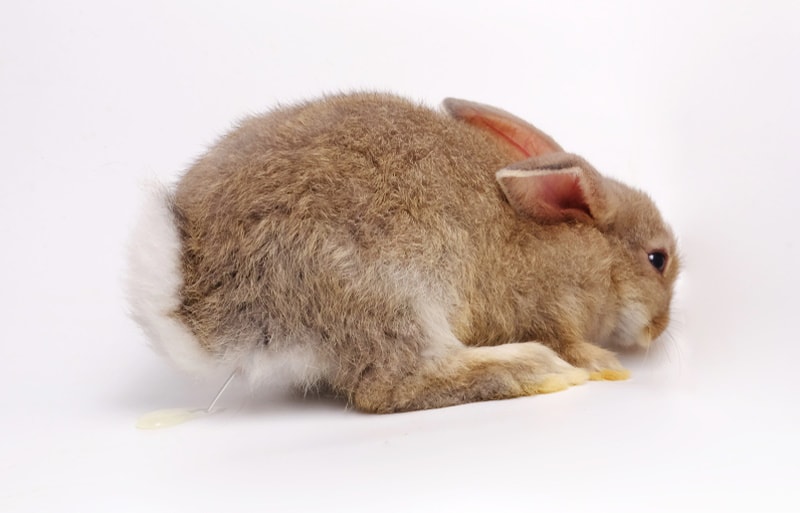
Dehydration can be dangerous for rabbits and may lead to serious health issues. Some common signs of dehydration in rabbits include the following:
- Dry mouth
- Lethargy
- Crusty and sunken eyes
- Changes in appetite
- Changes in drinking behavior
- Sticky saliva
- Reduced urine output
- Small amounts of dark-colored urine
- Difficulty defecating
If you notice any of these signs in your rabbit, it's important to take immediate action and provide them with water. If the symptoms persist or worsen, consult a veterinarian for proper medical care.

Final Thoughts
Water is a crucial component of a rabbit's diet and is essential for their health and well-being. Rabbits cannot go without water for 24 hours and may begin showing signs of dehydration in as little as 12 hours without water. To keep your rabbit happy and well-hydrated, it's important to ensure that they have access to clean, fresh water at all times.
If you notice any changes in your rabbit's drinking habits or signs of dehydration, take prompt action and consult a veterinarian for proper care. Remember, proper hydration is vital for your rabbit's overall health and happiness.
Related Read: Can Rabbits Drink Out of a Bowl? Facts & FAQ
Featured Image Credit: Inna Reznik, Shutterstock
Get Hepper In Your Inbox


Pet care tips from our vets and experts, straight to your inbox.
You may opt-out at any time. View our Privacy Policy for more information.
Nicole is a lover of animals of all sizes but is especially fascinated with the feline variety. She’s the proud mom of Baby, a Burmese, and works every day so he can relax in the sunshine or by the fire. She’s always had a cat in her home and has spent countless days with others, observing behaviors and softening up even the grouchiest of the lot. Nicole wants to share her kitty expertise with you so you and your cat can live happy, healthy, and care-free.
Join the conversation
Ask a question, share your story, or send private feedback.