Hepper is reader-supported. When you buy via links on our site, we may earn an affiliate commission at no cost to you. Learn more.
How Do Rabbits Sleep? Our Vet Explains

In this article
Bunnies need their sleep as much as we do. On average, an adult rabbit gets 8–11 hours of shut-eye. But you’ll never catch them catching z’s on their back. Instead, rabbits only sleep on their stomach, flopping, sitting, or semi-sitting. In the wild, these tiny balls of fur have to always keep their guard up, and that’s where these sleeping habits come from.
But wait: does that mean they skip daytime to go out and are active at night? Not quite—rabbits are crepuscular creatures! For a first-time bunny owner, this can be a bit confusing. What’s the best way to tell if they’re asleep or not? How do you keep the pet safe and comfy? Do bunnies dream? Read on to find out!

Rabbits and Their Sleeping Habits
Most people feel like they can only get proper rest if they sleep in the same bed and at the same time. Well, that’s not the case with rabbits! They can fall asleep pretty much anywhere as long as that spot is safe, relatively soft, and a bit dark. Wild bunnies often snooze in burrows (dug out “bunkers”). If they find a similar setup indoors (a dimly lit, cushy area), best believe they’ll fancy it over other spots in the house.
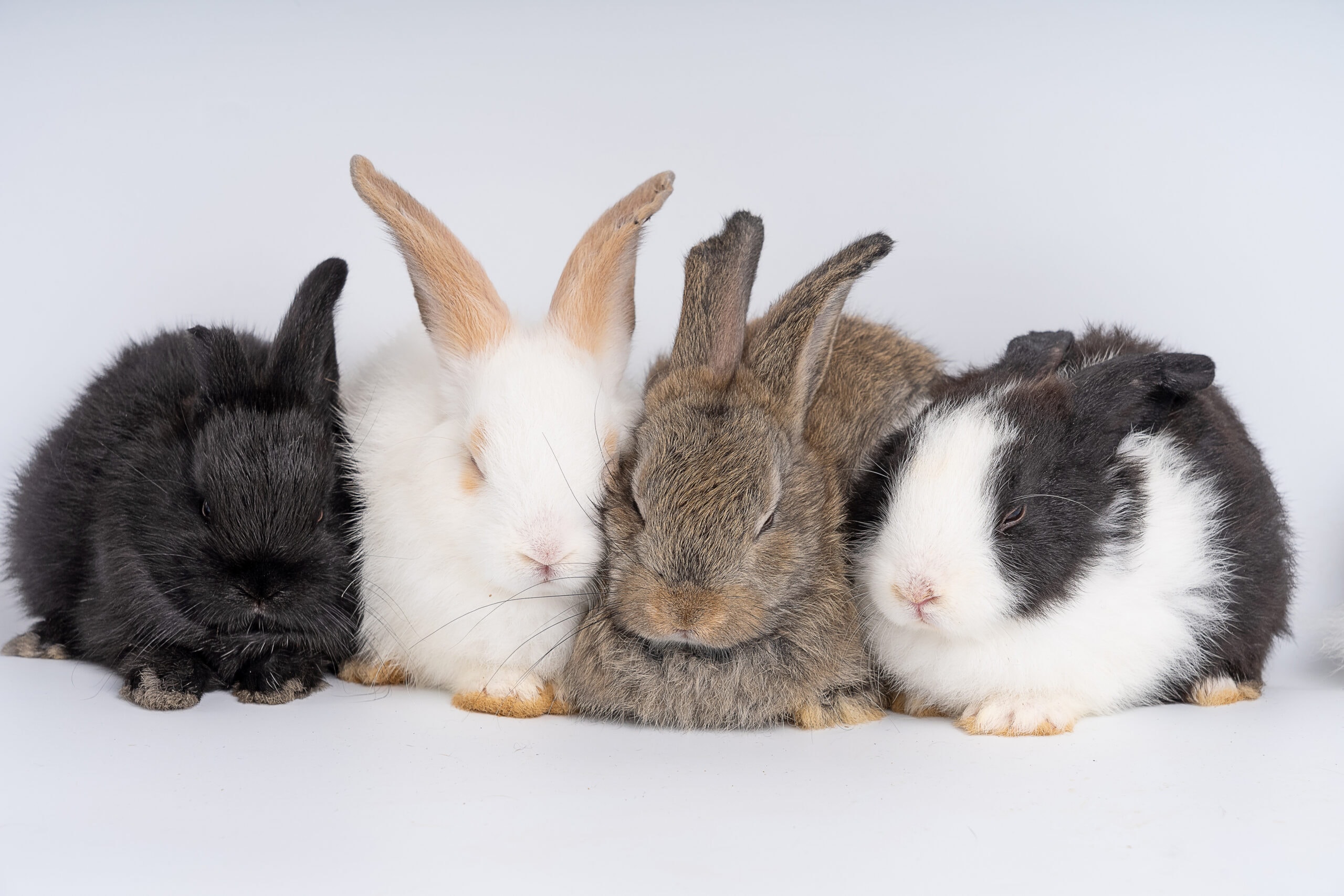
But that’s not even the most important part here. The one thing to always keep in mind is that rabbits don’t only sleep during the day, but also during the night. In contrast to most creatures, bunnies are crepuscular beings and prefer to have multiple “sleep sessions” of varying lengths in 24 hours instead of one or two. Here’s how it works:
The Light Phase vs Deep Phase and REM
Similar to humans, rabbits have different phases of sleep1. There is a state called drowsy that can be distinguished from wakefulness, slow-wave (or light) sleep, and paradoxical sleep or REM phase. The drowsy state always occurs at sleep onset or following REM termination and accounts for 6.3% of the time during a 24-hour period and one-quarter of total sleep time.
Around 65% of sleep time is slow wave sleep, while 9.6% is REM phase.
During the light phase, bunnies keep most of their senses on high alert mode. The deep phase, in turn, makes them more vulnerable and results in more rest.
And one more thing: scientists suspect that buns have dreams, yet they only occur in the REM phase. Further research is required into this topic. During the REM phase, there is fast EEG activity in the motor cortex, with rapid eye movements and phasic activity of the facial and limb musculature. While there’s no telling exactly what these pets dream about, most likely, it’s the things they’ve experienced throughout the day. Or it could be a safe, familiar space. But of course, this is just harmless guessing. Sometimes, rabbits squirm and twirl, maybe as a consequence of having intense dreams: that’s completely normal.
How Much Sleep Do Bunnies Need?
For the most part, 6-12 hours of sleep on average per day is enough for them to live healthy, happy lives. However, many rabbits prefer to spend as much as 10–11 hours snatching forty winks. It all comes down to the breed, daily activity, diet, susceptibility to stress, environmental factors, and individual characteristics of the bunny. Also, pet rabbits are generally more relaxed, so they sleep more compared to wild buns.
In any case, be cautious if your ball of fur suddenly starts to spend a little bit more/less time sleeping. This can be caused by a change of season, scenery, the rabbit’s mood, health issues or something else. Just don’t try to wake up a sleeping rabbit, as it will just cause unnecessary stress. However, if your rabbit is sleeping more than normal or is also showing signs of lethargy, reduced appetite, diarrhea, or reduced defecation, they are ill and need to be checked out straight away. Familiarize yourself with your rabbit’s sleeping patterns and activity levels so you can recognize illness promptly.
Is Your Rabbit Asleep? Let’s Check!
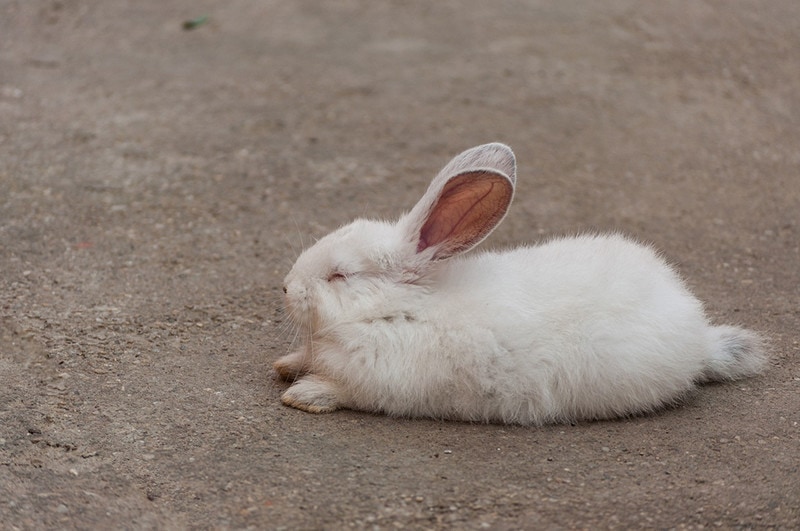
If you’re new to owning a rabbit, it won’t be easy to figure out if they’re dozing off or not. Thankfully, it’s not too hard to tell if you know what to look at. Here are the most common signs:
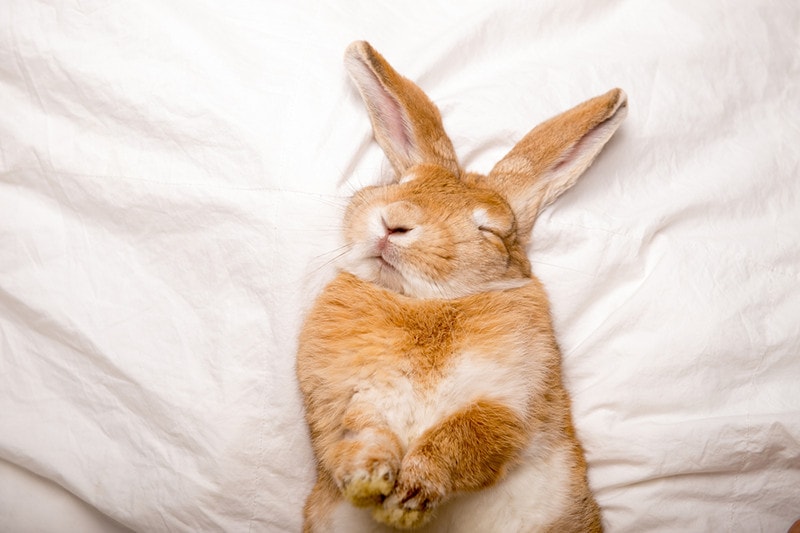
A quick note: rabbits NEVER sleep on their backs, as that would leave their bellies vulnerable to predator attacks. Even the side positions aren’t ideal, as they leave rabbits exposed to a potential onslaught. Only a relaxed bunny will sleep like that. That’s why most bunnies prefer the sitting and semi-sitting positions.
Do Bunnies Really Sleep With Their Eyes Open?
In the wilderness, a rabbit is a prey species, not a predator: they have to always be vigilant, even when taking a nap. But Mother Nature gifted them with wide-angle vision, hearing capabilities, and a sense of smell. The large ears can hear danger coming from afar. Also, rabbits easily catch strange odors even when munching away because they only breathe through their noses, not their mouths.
So, a rabbit that seems to be fully focused on their food is aware of its surroundings. As for their eyes, they provide a wide-angle vision. Well, almost: there’s still a blind spot right in front of their face. More importantly, when bunnies sleep, they may keep their eyes open. These fascinating animals have a clear third eyelid (the nictitating membrane) that does all the blinking to prevent the eyes from going dry and closes when the rabbit is sleeping.
Are They Susceptible to External Stimuli?
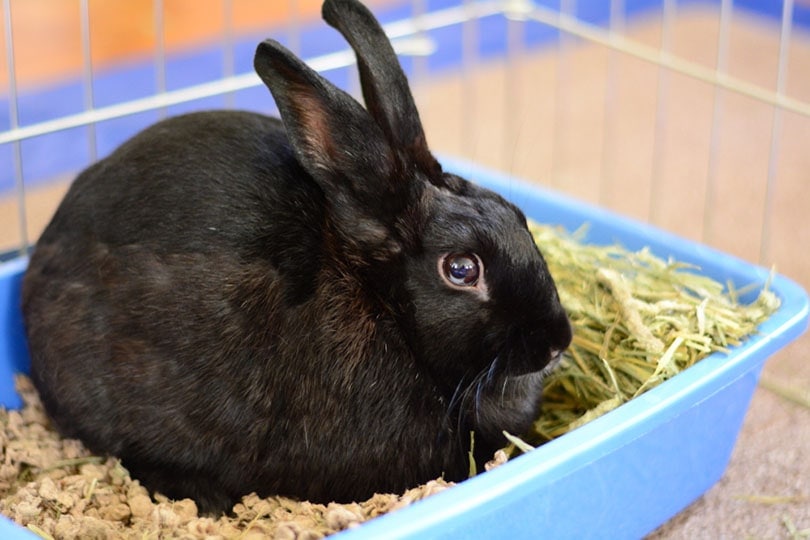
Rabbits are extremely sensitive to the slightest changes in temperature and lighting, along with various noises and movements. Without these heightened senses, they simply can’t survive in the wild. That said, bunnies don’t always keep that third eyelid open. When they fall asleep in safe environments, the outer eyelids do close. As the owner, you should take pride in creating the perfect conditions for your furry pet to sleep in!
Ideal Sleeping Conditions for a Rabbit: A Quick Guide
Bunnies prefer to sleep on soft, cozy non-slip surfaces, like stacked-up hay, or other comfortable bedding such as a vet bed. They also appreciate their resting area and living space to resemble a burrow so they feel safe and secure at all times. Also, to keep the rabbit comfortable, make sure their resting place has at least one entrance, or it can have an entrance and an exit. This way, the pet will be able to fully relax.
A rabbit house is perfect for this. It has an entrance and an exit, and a comfortable mat at the bottom. Or you can invest in a rabbit-special bed. Every bun is different, though. Some prefer to sleep in tunnels that look like burrows. Others get cozy on a pillow or a mattress. Give them space and let the pet choose the “chambers” instead of forcing their decision.
How Do You Feed a Bunny and Keep It Healthy?
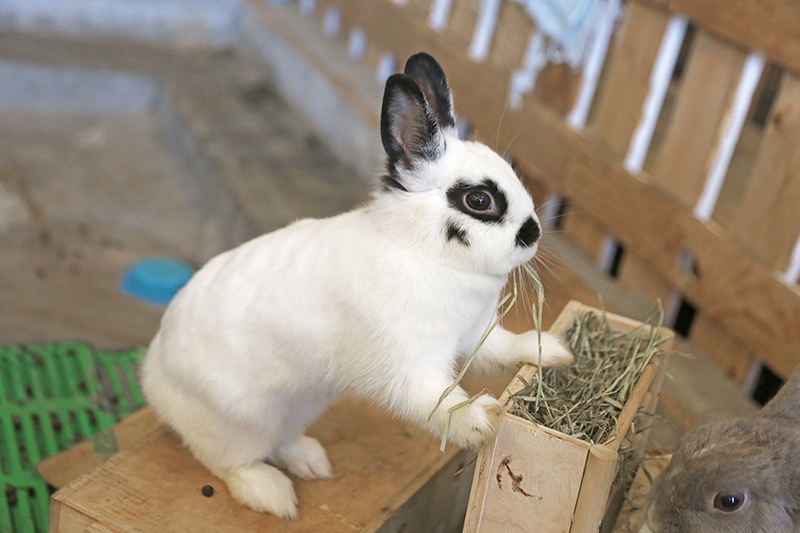
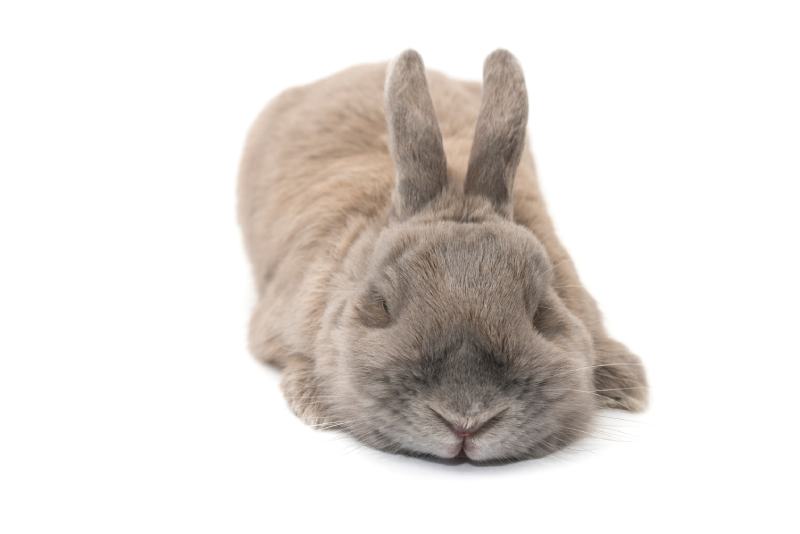
Bunnies mostly chew on grass hay—that’s their favorite snack and the most important part of their diet. The list includes Timothy, Oaten, Wheaten, Pasture, Paddock, Meadow or Ryegrass. Grass hay contains fiber and all the nutrients your rabbit needs to keep them healthy and well-fed. Hay should make up 80-90% of their daily food intake. It has a crucial role in maintaining a healthy digestive function, plus it helps the teeth stay in proper shape. So, make sure your pet bunny has fresh hay offered at all times in unlimited amounts.
We recommend feeding the rabbit one of the different types of hay listed above. Don’t give them any legume hay unless they are pregnant, nursing, or growing: it is not good for a rabbit’s health as it contains a higher amount of protein and calcium. The same goes for the straw. Pellets are allowed, but only in small portions, making up around 5% of their daily diet. Green leafy foods (broccoli, parsley, asparagus, and lettuce, to name a few) are also important and should make up for around 10% of their total daily food intake. They’re nutrient-rich and contain water.
Lastly, fruits and other veggies (like carrots and cherries without stems and seeds) should be used as treats in moderation, and make up 10% of daily food intake, together with other veg.
This doesn’t mean rabbits are omnivorous creatures, though. They’re strict herbivores! Here’s a list of foods that you should NOT feed to a pet bunny:

Conclusion
Tiny, affectionate, and incredibly cute, rabbits are fun to have around. But don’t be fooled, they require a lot of dedication and care. When they’re well-socialized, they can make a great companion for the right home. However, just like any other pet, bunnies have specific needs that you, as the owner, have to meet to keep them happy. For example, most humans feel great after 7–8 hours of sleep.
However, rabbits need up to 11 hours of sleep. That’s why it is so important to know their sleeping habits. A bunny that’s forced to sleep in less-than-ideal conditions, by being exposed to poor environmental conditions with noise, other animals, or lack of safety, will be stressed and anxious. This will lead to illness. So, use the tips and tricks from our guide to create the right environment for your furry bud and make it feel at home!
Sources
Featured Image Credit: hacksss, Shutterstock
Get Hepper In Your Inbox


Pet care tips from our vets and experts, straight to your inbox.
You may opt-out at any time. View our Privacy Policy for more information.
Dr. Maja has over 8 years of veterinary experience working with various animal species in the United Kingdom and the Channel Islands, from dogs, cats, rabbits, guinea pigs, to cows, goats, sheep, pigs, and poultry. Maja is very enthusiastic about veterinary volunteering work and often helps in neutering projects for stray animals in Greece. She has a wide range of skills in the fields of animal medicine and surgery, diagnostic imaging, endoscopy, microscopy and other aspects of clinical work. She is very passionate about animals and their health and loves to help our readers with any questions or issues with their four-legged family members and other animal companions. Her passion is small animal medicine and emergency work, while she also has a great interest in animal welfare. Dr. Platiša received her veterinary training and degree from the Faculty of Veterinary Medicine, University of Zagreb, Croatia, in 2015.
Maja joined us in March 2023 as our in-house veterinarian. She is very passionate about animals and their health and is very happy to help our readers with any questions or issues with their four-legged family members and other animal companions. Her passion is small animal medicine and emergency work, while she also has a great interest in animal welfare.
Education
Maja received her veterinary training and degree from the Faculty of Veterinary Medicine, University of Zagreb, Croatia, in 2015.
Experience
Maja Platisa is a veterinarian with 8 years of experience working with various animal species in the United Kingdom and the Channel Islands, from dogs, cats, rabbits, guinea pigs, to cows, goats, sheep, pigs and poultry. Maja is very enthusiastic about veterinary volunteering work and often helps in neutering projects for stray animals in Greece. She has a wide range of skills in the fields of animal medicine and surgery, diagnostic imaging, endoscopy, microscopy and other aspects of clinical work.
Join the conversation
Ask a question, share your story, or send private feedback.