Hepper is reader-supported. When you buy via links on our site, we may earn an affiliate commission at no cost to you. Learn more.
Do Rabbits Have Paw Pads? Evolutionary Facts & Function
Rabbits stand out as unique animals on several scores, from their long ears to their stubby tails to their long teeth. Scientists categorized them as a suborder of Rodentia until the beginning of the 20th century1. Many traits differ between the two groups of animals. Rabbits are typically herbivores versus the more varied diet of rodents. Consequently, their respective digestive systems are different.
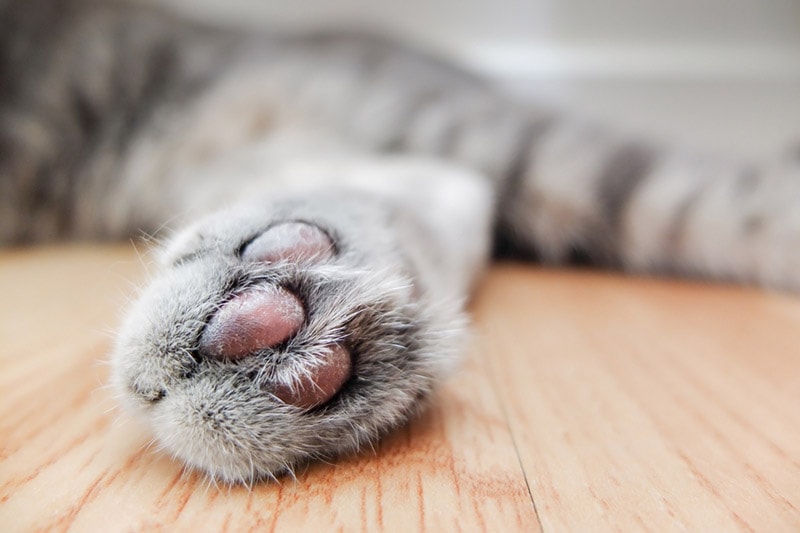
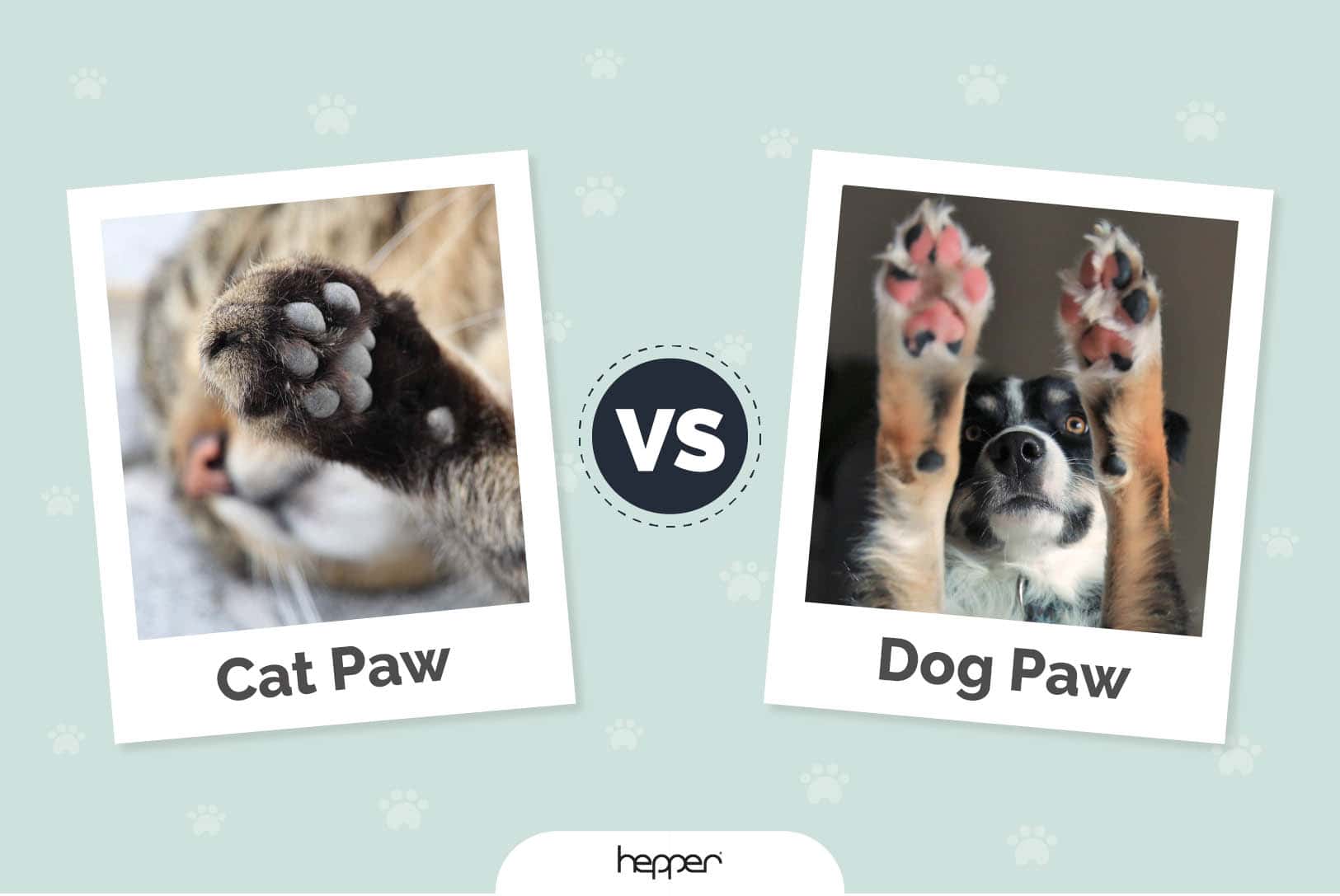
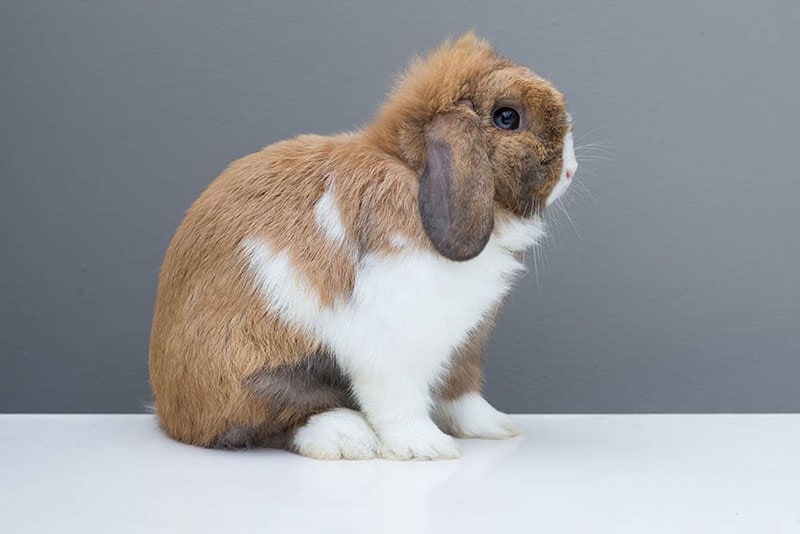
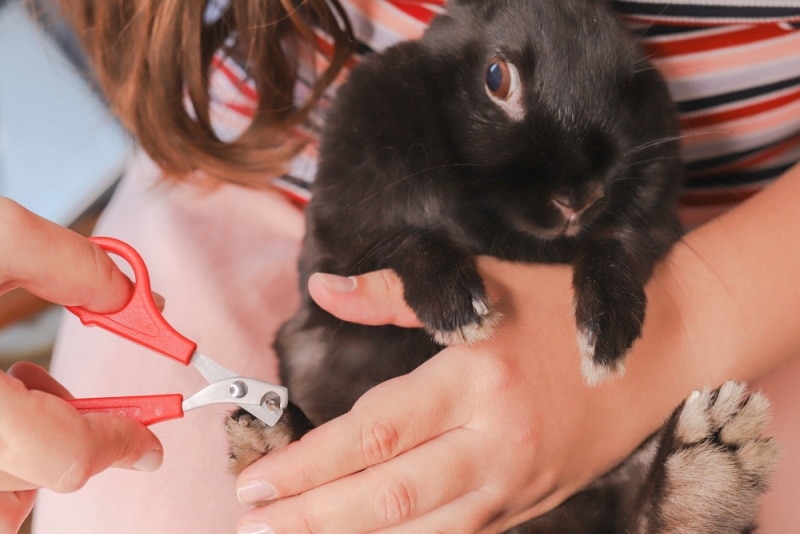
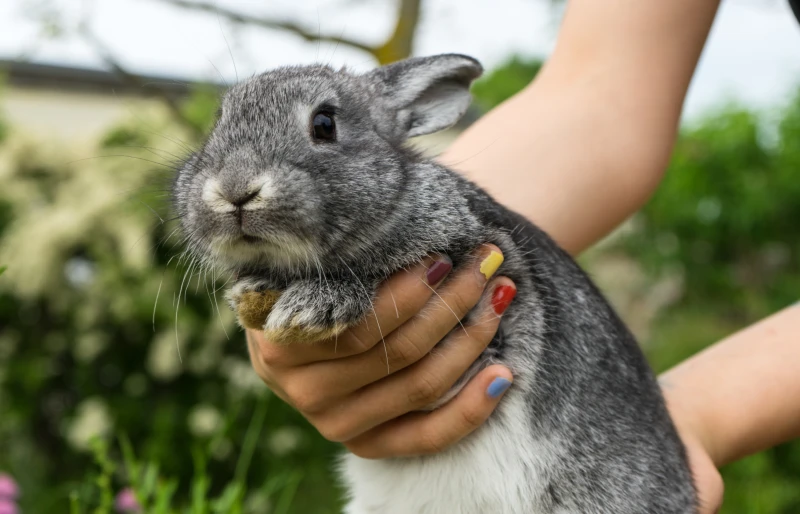
Another stark distinction between rodents and rabbits rests with their paw pads. The former has them, while the bunnies do not have paw pads. Instead, fur fills in the spaces between and around their toes. That sets rabbits apart from other mammals that have paw pads, such as bears, dogs, cats, and raccoons. Is that a good or bad thing for bunnies?

The Function of Paw Pads
One of the primary functions of paw pads lies in the name. They provide cushioning for animals on the run. That also comes in handy for felines jumping down from trees or other high places. The pads allow animals to stop and maneuver. That’s a good thing if you’re a predator trying to get dinner or a prey species trying to avoid being on the menu.
Paw pads also provide insulation since they contain blood vessels that can redistribute heat to their feet. The cushioning helps predators approach their prey silently to improve their success rate. Felines have scent glands in their paw pads for marking their territories and improving their traction over the ground. The former helps prevent risky physical conflicts over their space and mates.
All these functions are advantageous for these animals. Why would rabbits lose them through evolution?
The Lack of Paw Pads for Rabbits
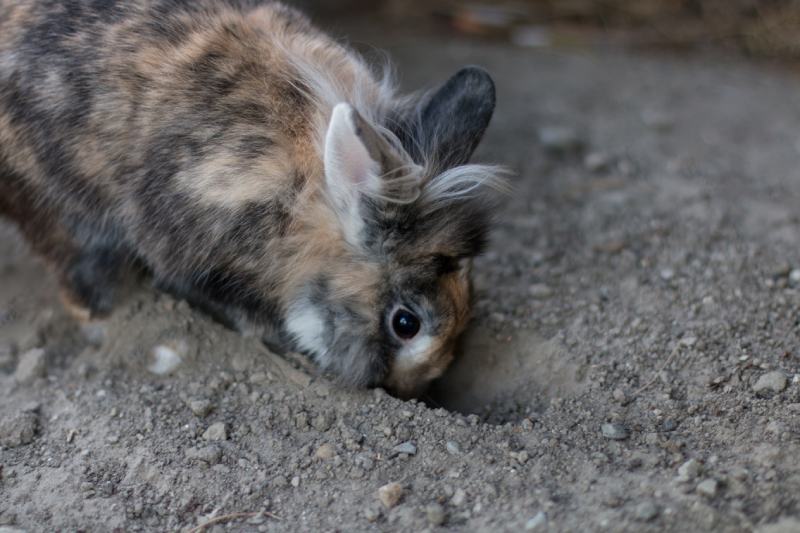
The lack of paw pads isn’t a disadvantage for lagomorphs when you contrast the varying lifestyles of animals with and without them. Rabbits are burrowing animals. Pads aren’t as helpful to an animal that digs. They could get in the way. This activity could also make pads more vulnerable to injury or infections, neither of which a prey species can afford.
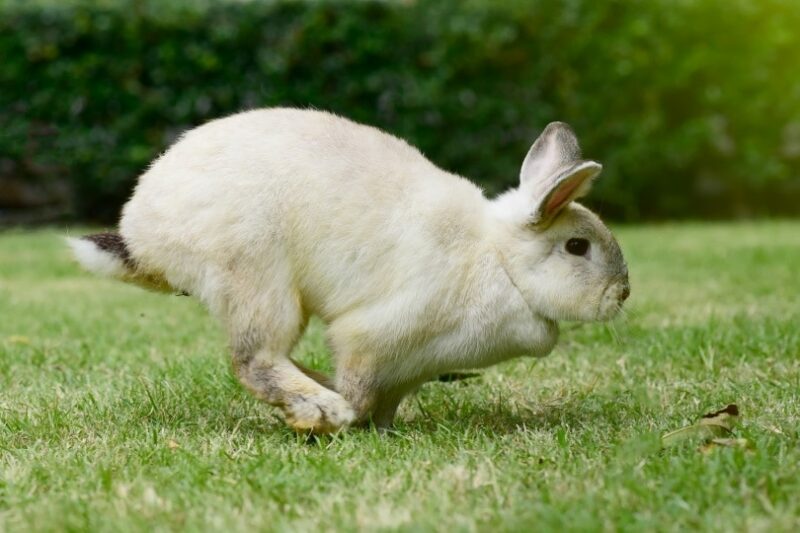
They also don’t need them for speed or stealth as a feline would. Their furry feet give them the ability to maneuver through brush and grass to evade predators. Rabbits can also move quietly without leaving an olfactory trail of their whereabouts with the scent glands that cats have. The lack of paw pads is indeed an evolutionary advantage for bunnies. The success of the European Rabbit is living proof.
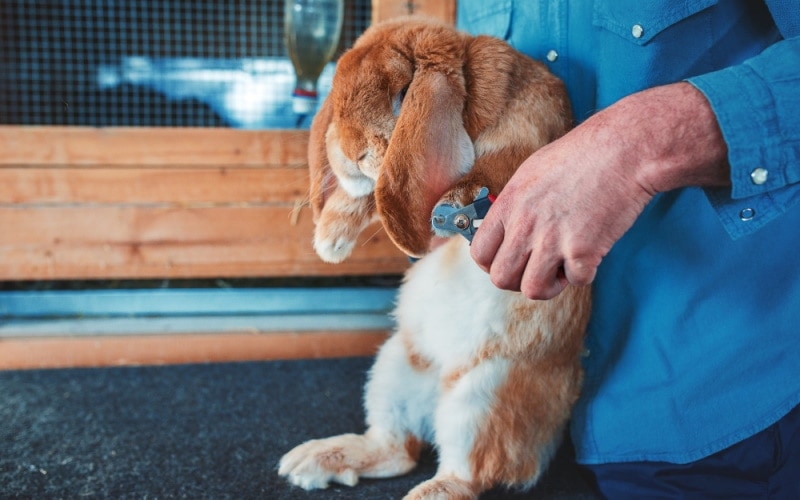
Lagomorphs use their feet for other things, which makes the lack of paw pads a moot point. They use their front feet with their five toes to groom themselves and grasp objects. They use their hind feet to communicate by thumping them on the ground if a threat approaches. Their claws and strong hind limbs also present a formidable challenge to predators.
Digging also comes into play with survival. Their burrows make it possible for rabbits to evade predators. They offer a safe place for their offspring to hide. Their foot anatomy, which emphasizes digging over the other benefits of paw pads, is a significant factor in the species' survival.

Final Thoughts
While many mammals have paw pads, rabbits don’t. And they don’t need them, either. Not having the extra foot cushioning allows them to better evade predators with their speed, maneuverability, and digging. Paw pads would be a hindrance and vulnerability to these animals. They have survived just fine through the centuries with fur-covered toes and sharp claws.
Sources
Featured Image Credit: Cora Mueller, Shutterstock
Get Hepper In Your Inbox


Pet care tips from our vets and experts, straight to your inbox.
You may opt-out at any time. View our Privacy Policy for more information.

Chris is an experienced pet writer specializing in science topics, with a particular passion for health and the environment. She has been a writer for over 15 years and lives with her husband and three cats in Michigan.
Beyond writing about cats and dogs, Chris loves to learn about wine. She has WSET 1 and 2 certifications and is currently pursuing her Certified Wine Specialist Award (CSW).
Join the conversation
Ask a question, share your story, or send private feedback.