Hepper is reader-supported. When you buy via links on our site, we may earn an affiliate commission at no cost to you. Learn more.
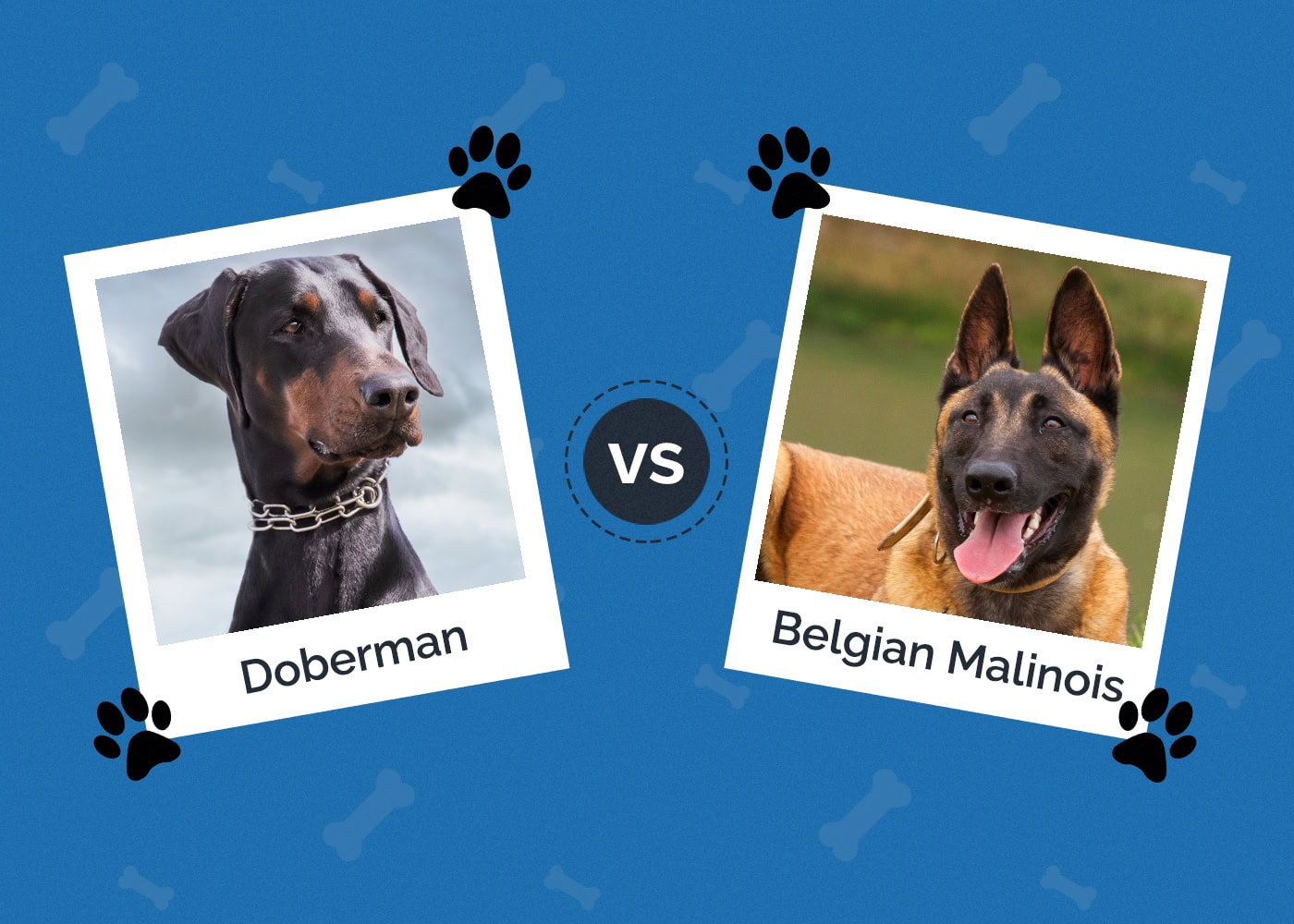
Doberman vs. Belgian Malinois: Key Differences (With Pictures)
In this article
Deciding on a dog to fit in with your family is not an easy task. There are so many different breeds to choose from and multiple considerations to mull over, all depending on what your needs are beyond love and companionship.
So, if you’re looking for a dog to become a loyal and affectionate family member and a potential watch or guard dog, you can’t do much better than the Doberman or the Belgian Malinois.
Since these two breeds have many similar qualities, let’s compare and contrast them to give you a clearer picture. This will hopefully bring you a step closer to finding your new best friend!

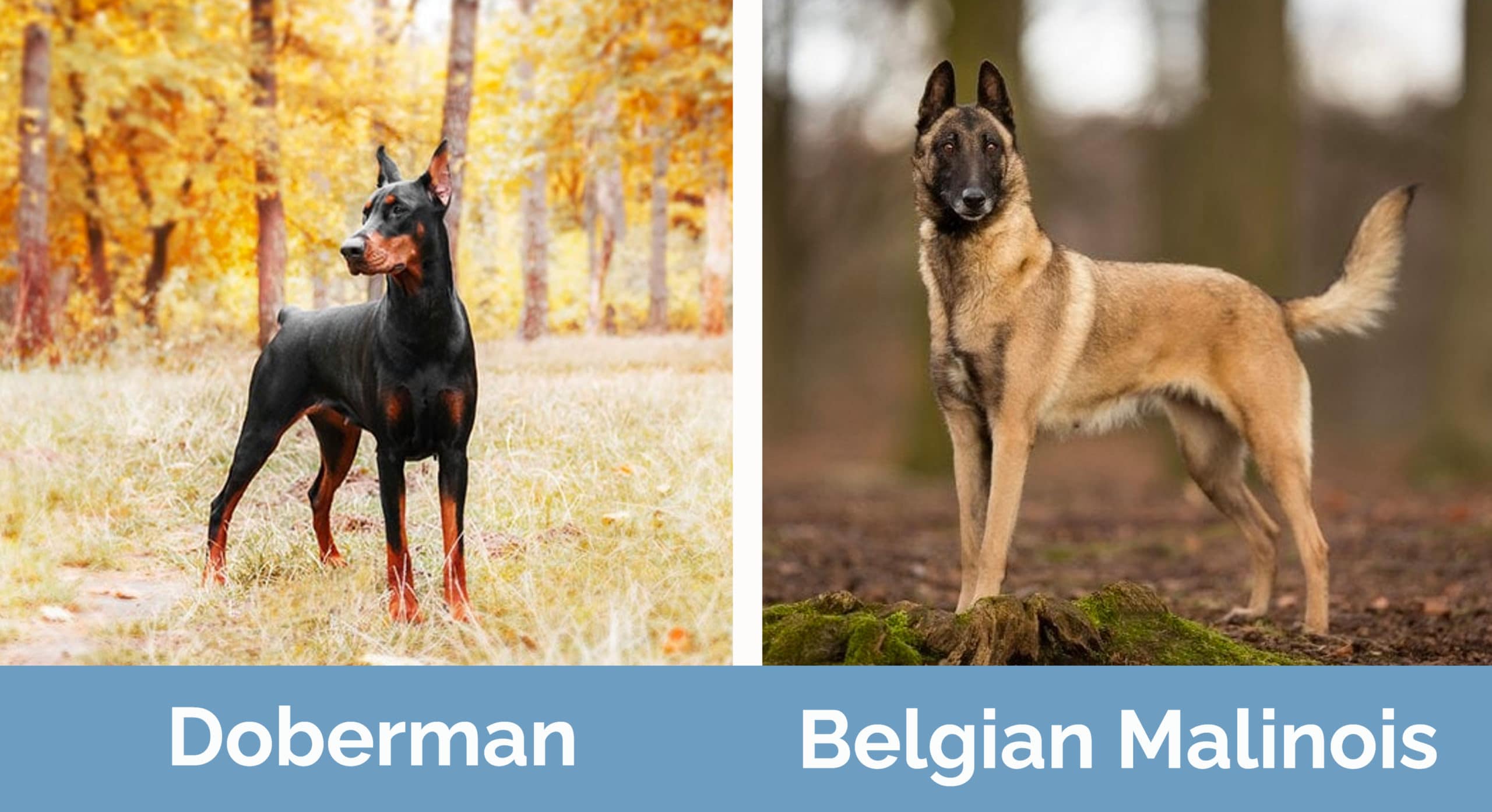
Visual Differences
At a Glance
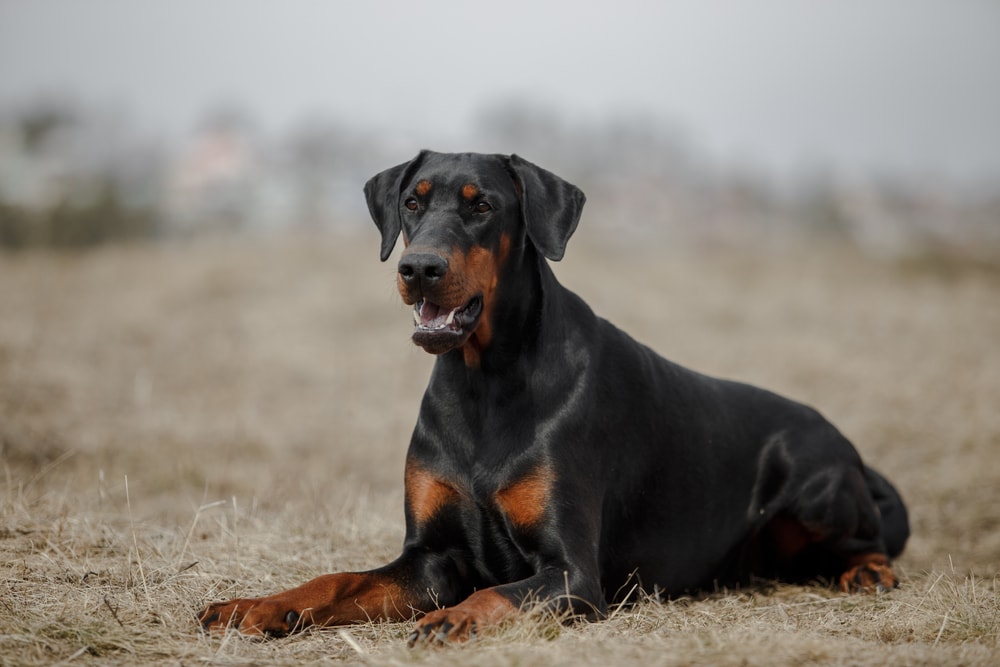
Doberman Overview
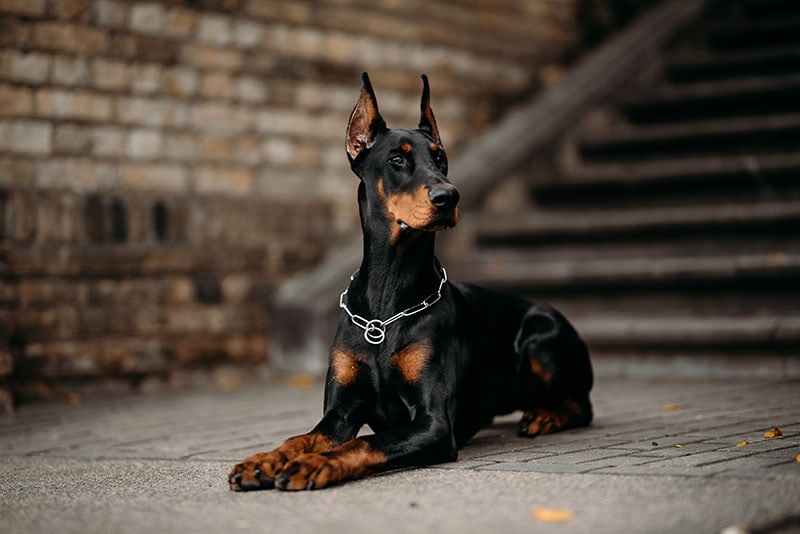
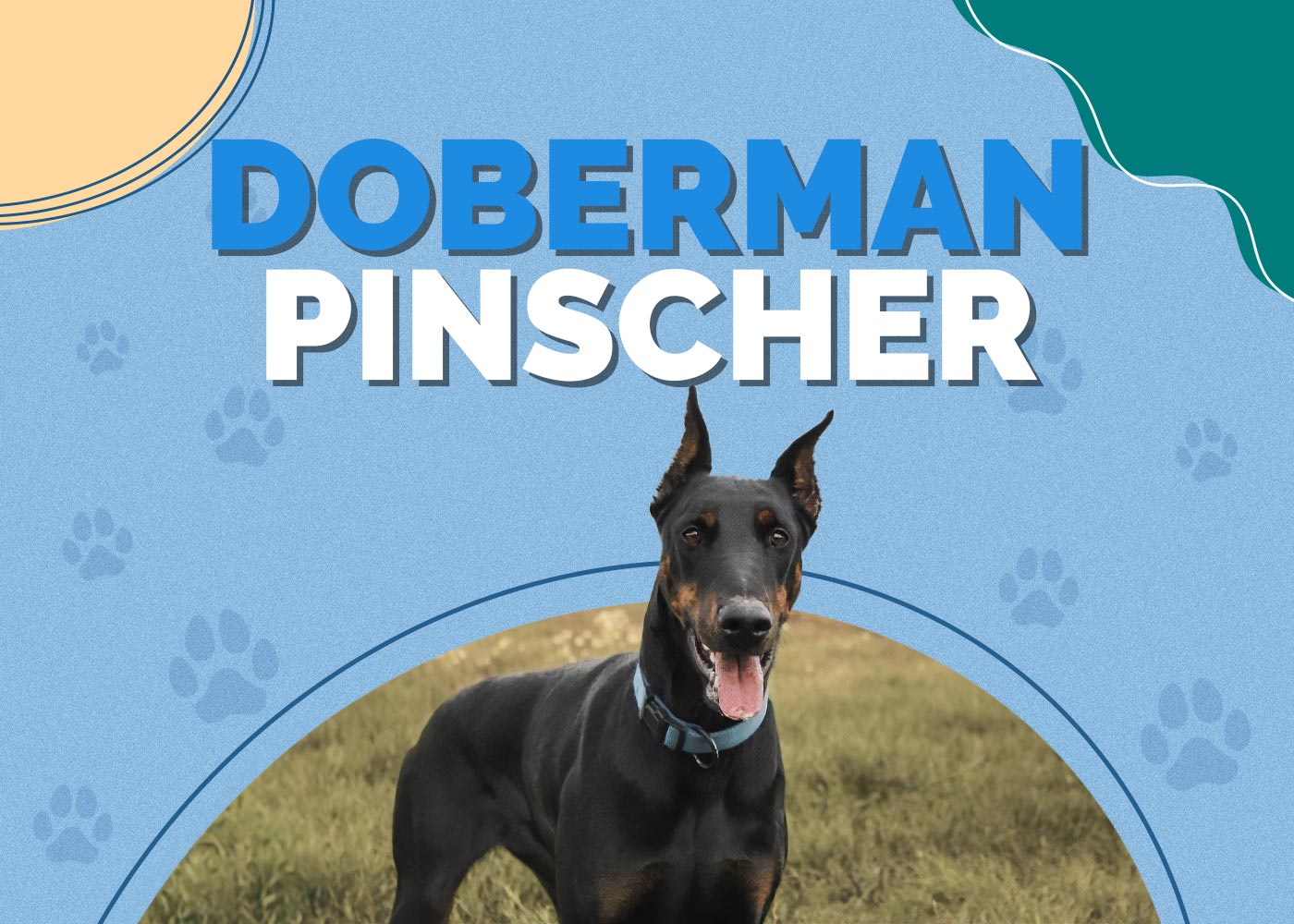
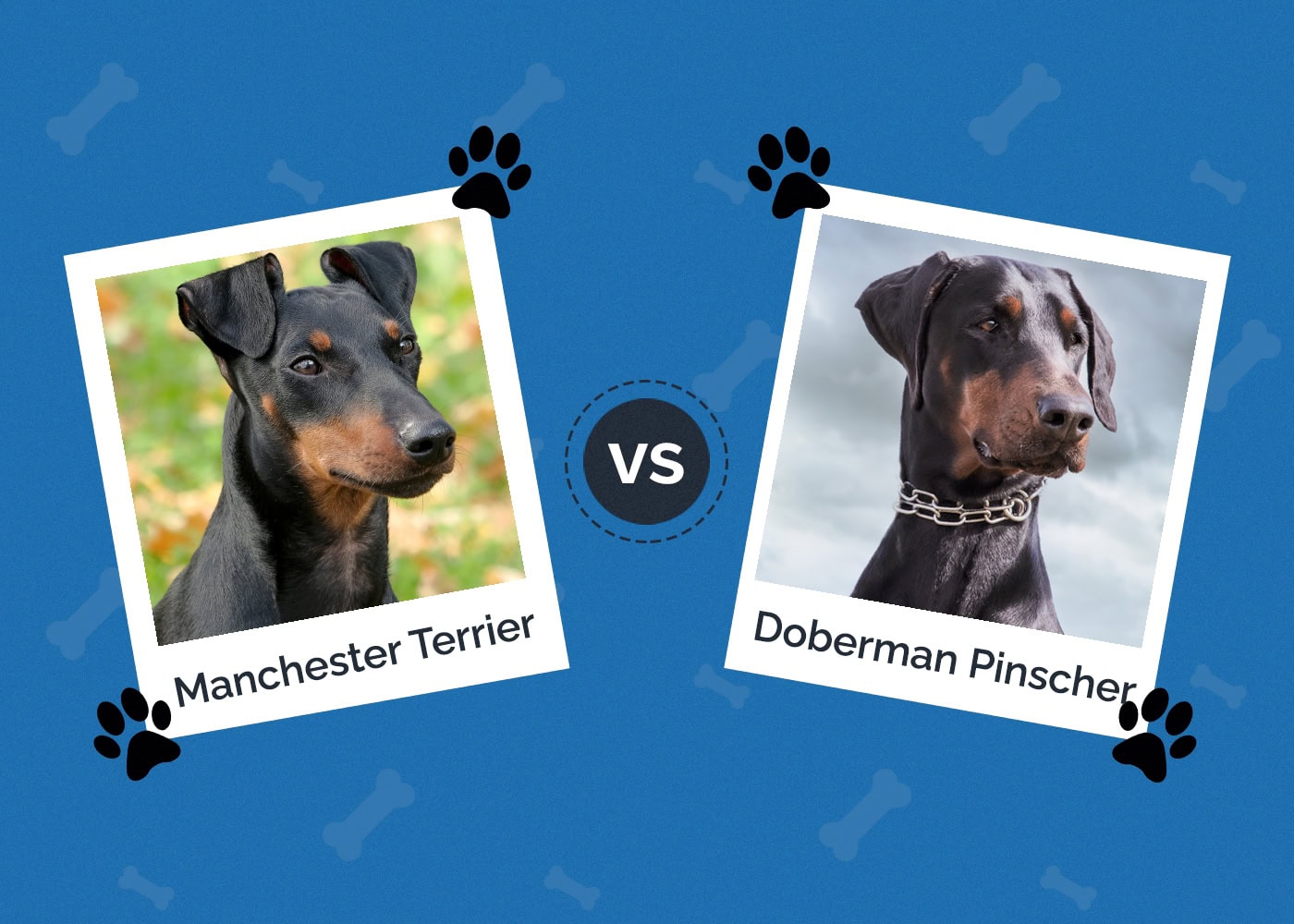
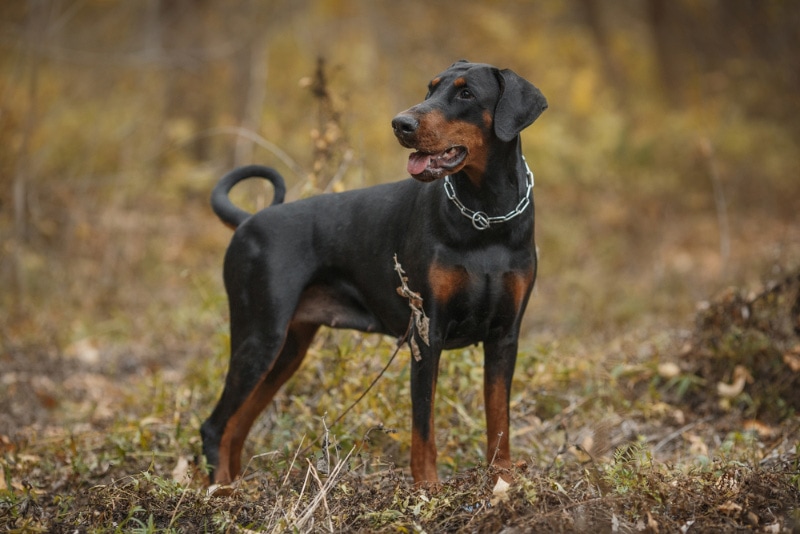
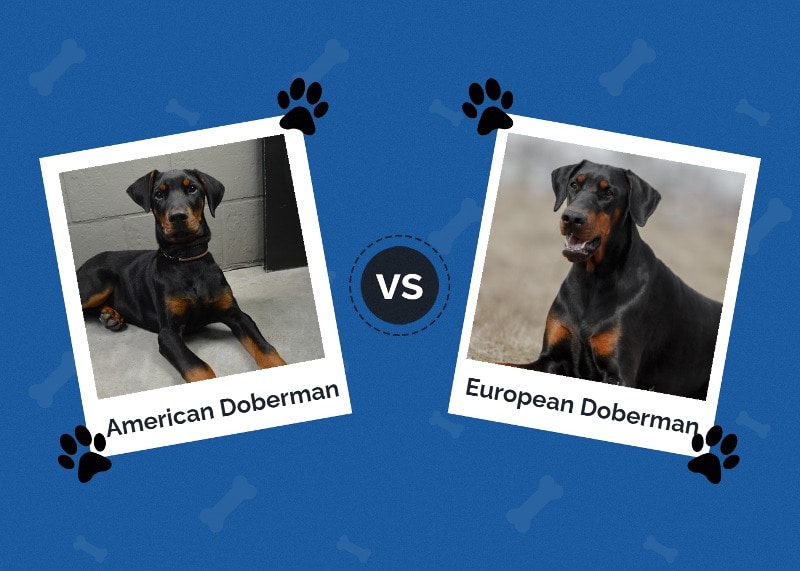
Doberman Pinschers come from Germany, and several different dog breeds went into their development. They were initially bred around 1890 with the intention of protecting Louis Dobermann, a tax collector.
While they were bred to aggressively protect their owner, much of that aggression was eventually bred out so they could still protect but also be trustworthy companions.
Personality / Character
Dobermans are perfect for guard dog duty, and they take this duty seriously, particularly when it comes to their family.
They are extremely devoted to their family members to the point that they are occasionally referred to as Velcro dogs. This is what makes them excellent pets and guard dogs, as they will fearlessly protect their humans.
They tend to get along with dogs of the opposite sex, but there’s the potential for aggression with dogs of the same sex. Other pets like cats are fine, albeit usually when raised together.
Dobermans are sweet and affectionate dogs that are wonderful with children when raised with them. While they are devoted to everyone in their family, they tend to bond with one person only.
Training
Training a Doberman is a mixed bag. On the one hand, they are highly intelligent; they are rated as the fifth smartest dog breed (after the Border Collie, Poodle, German Shepherd, and Golden Retriever). They learn quite quickly and easily, and their devotion also makes them eager to please.
On the other hand, they have a bit of a stubborn streak, so you’ll need to be firm yet patient and don’t forget to use positive reinforcement.
Exercise
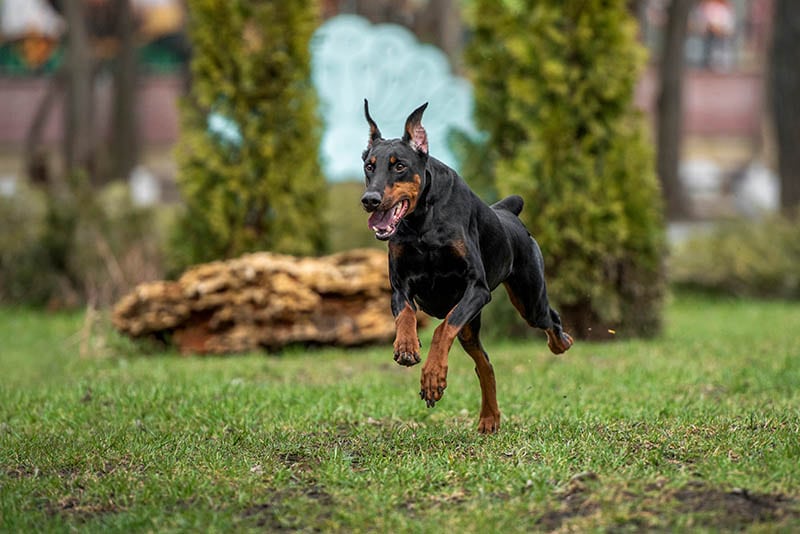
Dobermans are athletic and energetic dogs and will need the same qualities as an owner. They need 90 minutes of exercise every day at a bare minimum, but 2 hours are best. You’ll also need to ensure that they have playtime.
If you’re looking for a companion when you go out for long hikes or runs, the Doberman might be the perfect dog for you.
Health & Care
The Doberman needs high-quality food formulated for the dog’s weight, age, and activity level. Speak to your vet about what kind of food would be best for your dog.
Dobermans don’t need much grooming because they have very short and sleek coats and will likely just need a quick daily brushing with a grooming glove. They don’t need frequent baths and don’t shed quite as badly as some other breeds.
Regarding health conditions, there are a few to be aware of:
- Gastric dilatation-volvulus
- Hypothyroidism
- Dilated cardiomyopathy
- Von Willebrand’s disease
- Hip dysplasia
Dobermans are healthy dogs overall, so not every dog will inherit one or more of these conditions. Still, it’s helpful to be on the lookout, just in case.
Suitable for:
Dobermans will do best with an active family looking for a close companion who can also act as a protector for property and humans. They do best with a job to do, so signing them up for things like agility trials and obedience will keep them happy and well-exercised.
They are large dogs, and due to that and their energy, they would do better in a home with a fenced yard. They also need to live indoors because they are sensitive to weather extremes. Some Dobermans might experience separation anxiety, so having someone at home at least some of the time is ideal.
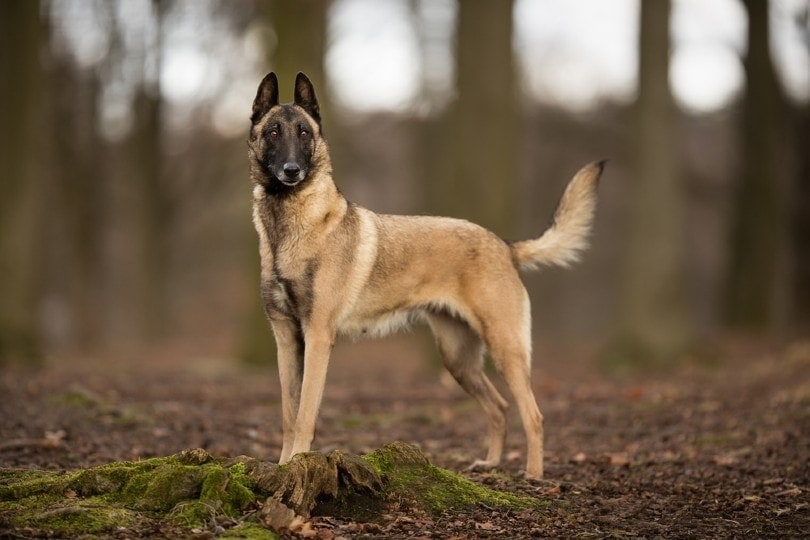
Belgian Malinois Overview
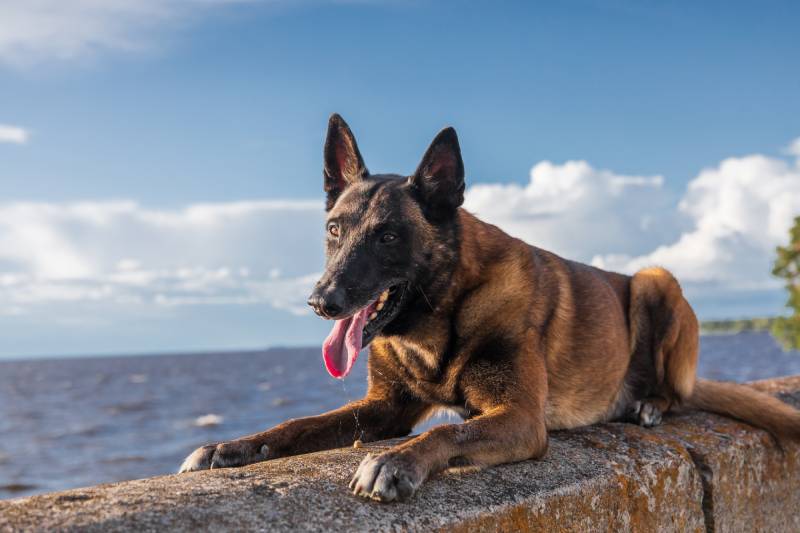
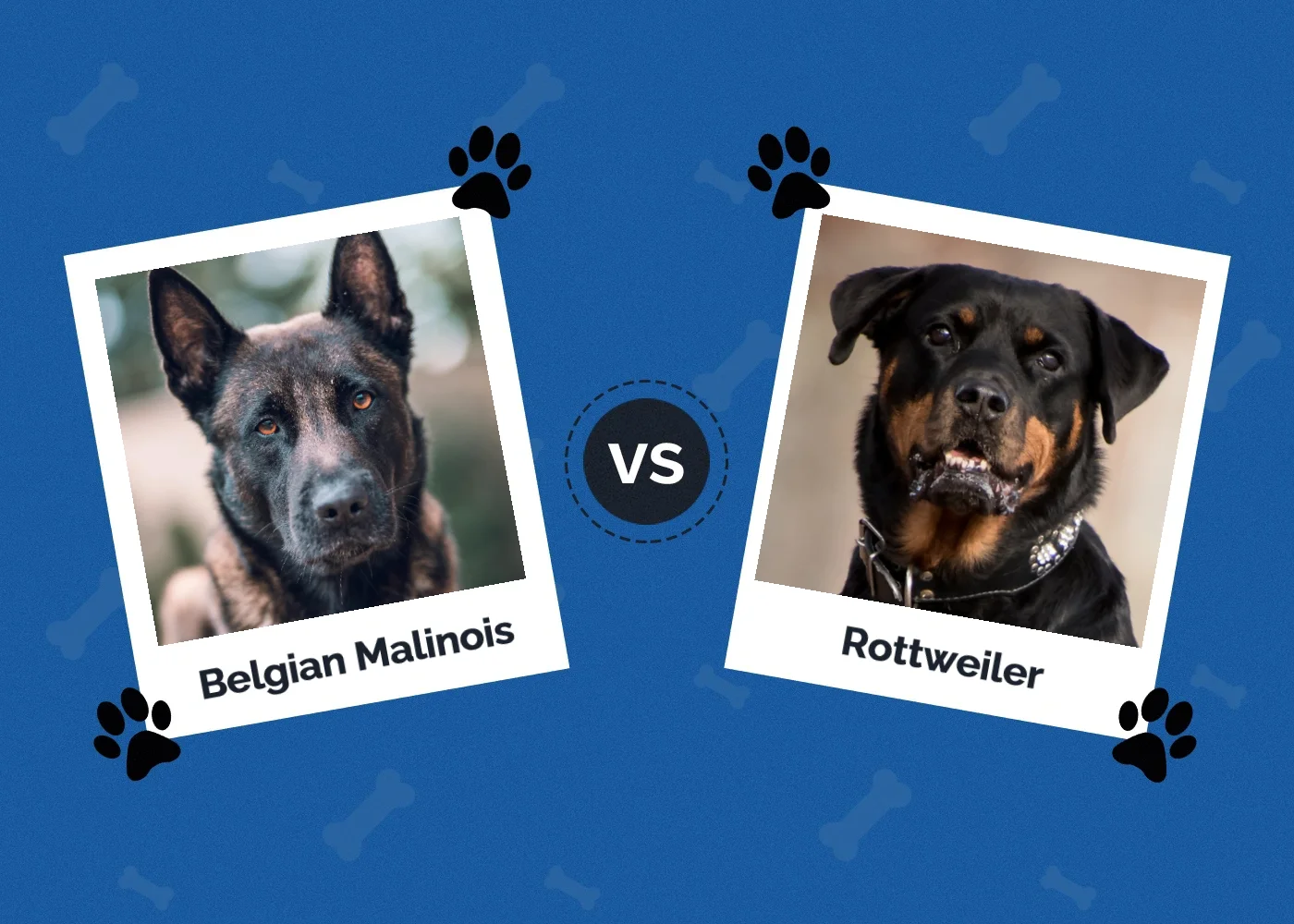
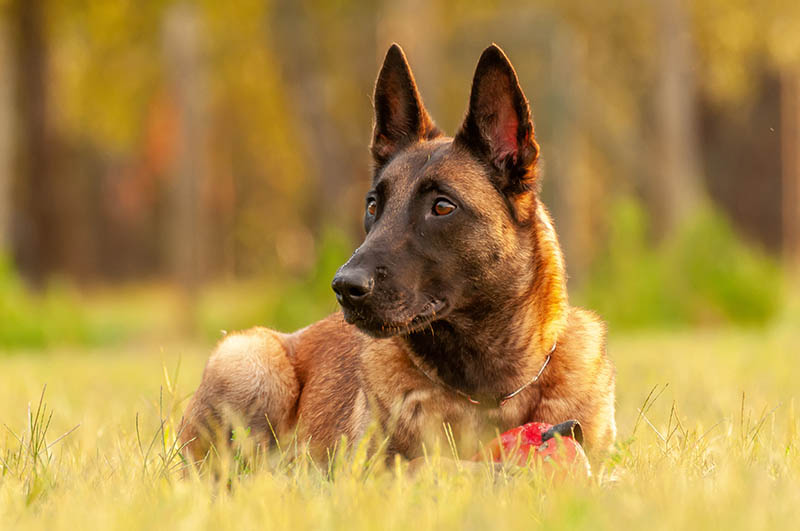
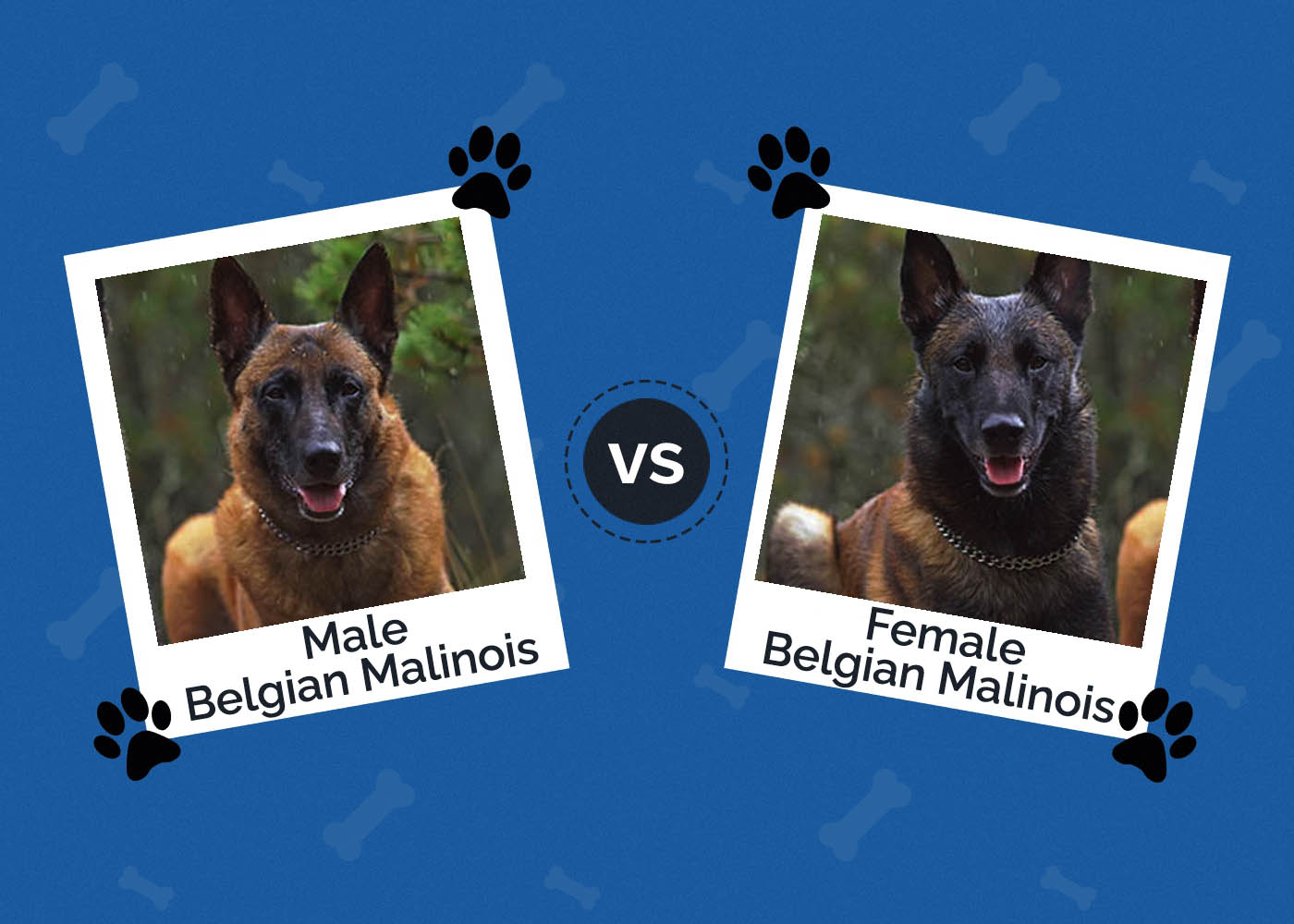
The Belgian Malinois is from Belgium and is one of four related Belgian herding dogs. The Mal was bred to be a top-notch herder of livestock with less of an emphasis on becoming a pet.
They were brought to the States in 1911, where they continued to be used for herding and eventually, as police and military dogs.
Personality / Character
The Belgian Malinois is not a great dog for beginners. They are confident dogs that form intensely strong bonds with their people. They aren’t overly aggressive but they are certainly not shy either.
They have a high prey drive, so they need to be raised with any other pets that you have, as well as young children, in addition to the usual socialization and obedience training.
Mals that are well-socialized have the potential to get along with other dogs, but they tend to be possessive, territorial, and sometimes jealous. Some Mals never do get along with other dogs.
Training
Training the Mal is achievable. They are highly intelligent dogs that are loyal and obedient. They are also eager to please, so combine this with their smarts, and the Belgian Malinois is quite easy to train.
Exercise
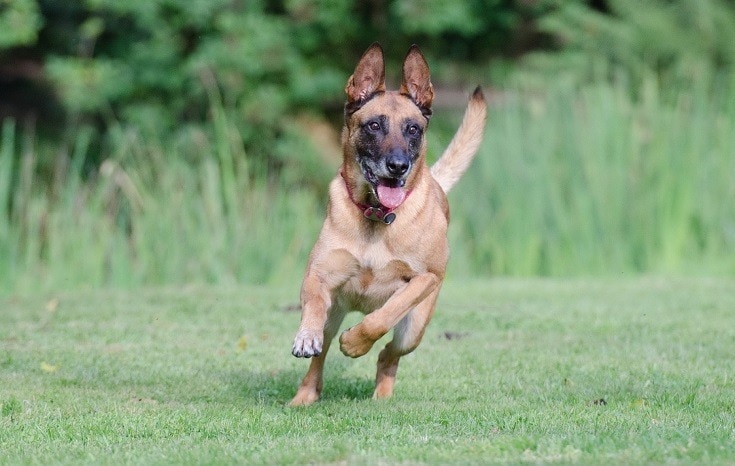
Mals are extremely high-energy and need plenty of exercise! They require as much as 2 hours of exercise and playtime every day, with three walks a day being ideal. They are working dogs and benefit from herding and agility trials, as well as obedience training. Any exercise should be energy burning, like running and going on long hikes.
Health & Care
Feeding the Belgian Malinois is not too different from that of the Doberman. They are large high-energy dogs, so a high-quality diet for the dog’s current age and weight is optimal. Avoid giving your dog excessive amounts of people food/table scraps.
Grooming the Mal involves brushing them several times a week, but they have a double coat, so they shed more and require daily brushing in the spring and fall.
The Belgian Malinois also has a few health conditions that they can inherit, but they tend to be robust and healthy dogs.
Suitable for:
The Belgian Malinois would make a great pet for someone looking for a guard/watch dog. The right owner should be active and prepared to take this dog for long, energetic walks. They will also need a home with a fenced yard.
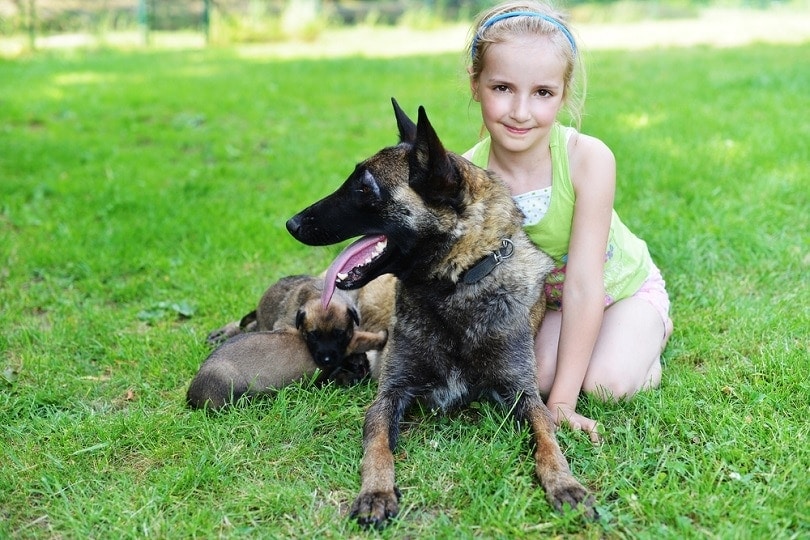
They tend to be aloof with strangers and might do better in a home without other pets. Mals need someone who is experienced with large and strong dogs. They’re good with children but only if they have been raised with them.
Which Breed Is Right for You?
Both breeds require a house with a fenced yard and are prone to separation anxiety if left alone for too long. They require a large amount of exercise, about 2 hours every day. Both dogs also need training and socialization and can only live with other pets if they are raised together.
The Doberman tends to be a bit more affectionate. The Belgian Malinois was bred primarily for work, with less emphasis on becoming a pet. In contrast, the Doberman had most of their natural aggression bred out of them with a focus on becoming a companion animal. For this reason, Dobermans tend to be better with children and other pets (when raised with them). Dobermans are also better suited for people new to dog ownership than the Mal.
The Belgian Malinois is a better fit for families who love outdoor activities in cold weather, as their double coat helps keep them warm. The Doberman needs a commercial or homemade dog coat in cold climates.
However, both dogs are quite special, and their differences are not that noticeable (besides in appearance, of course). Whatever dog you decide on will form a powerful bond with you and your family. You can rest assured that you’ll have a loving and protective companion.
See Also:
Sources
Featured Image Credit: (L) Dyrefotografi, Shutterstock | (R) Fesus Robert, Shutterstock
Get Hepper In Your Inbox


Pet care tips from our vets and experts, straight to your inbox.
You may opt-out at any time. View our Privacy Policy for more information.

Kathryn was a librarian in a previous lifetime and is currently a writer about all things animals. When she was a child, she hoped to work in zoos or with wildlife in some way, thanks to her strong love for animals. Unfortunately, she's not strong in the sciences, so she fills her days with researching and writing about all kinds of animals and spends time playing with her adorable but terribly mischievous tabby cat, Bella. Kathryn is hoping to add to her family in the near future – maybe another cat and a dog.
Join the conversation
Ask a question, share your story, or send private feedback.