Hepper is reader-supported. When you buy via links on our site, we may earn an affiliate commission at no cost to you. Learn more.
How to Help a Dog With Separation Anxiety (8 Effective Ways)
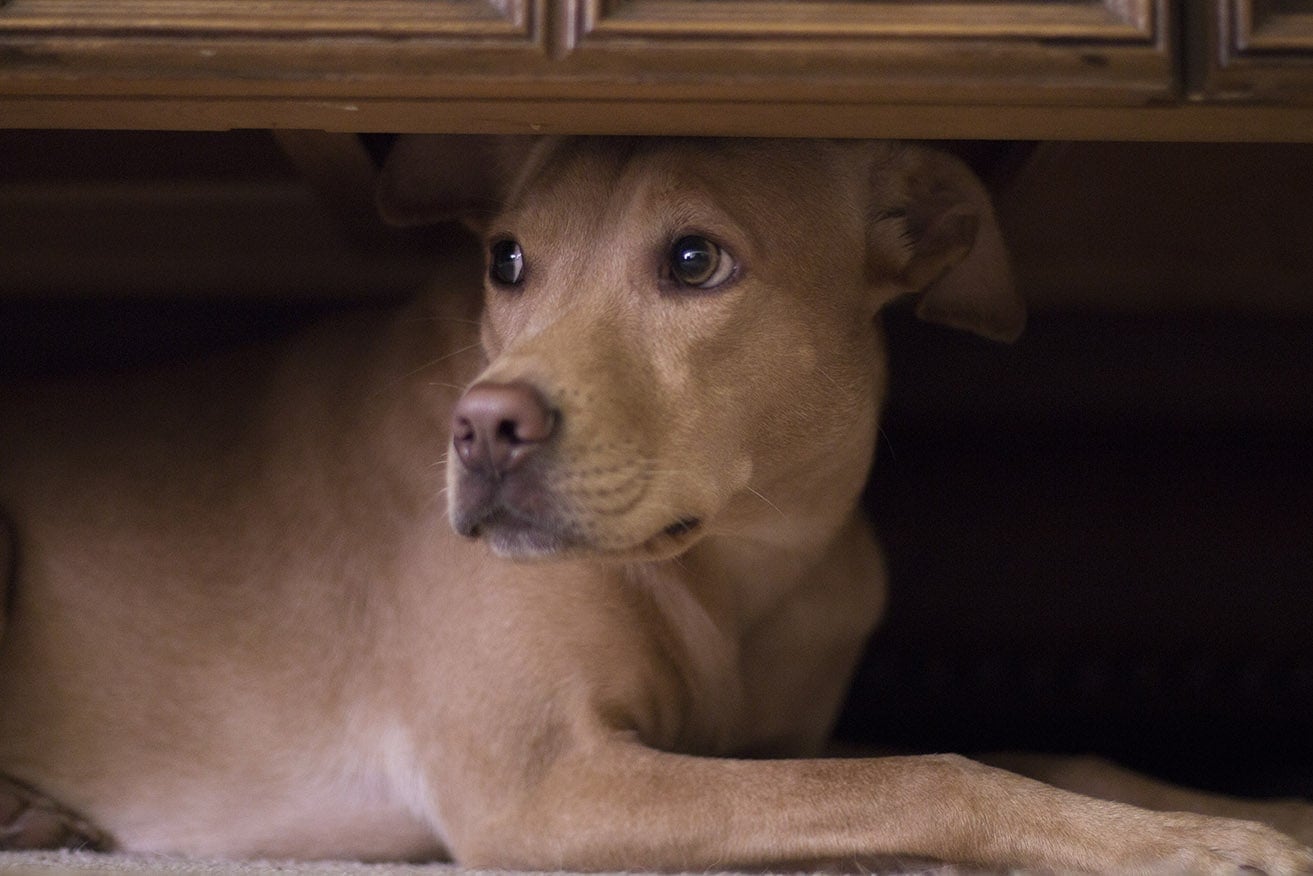
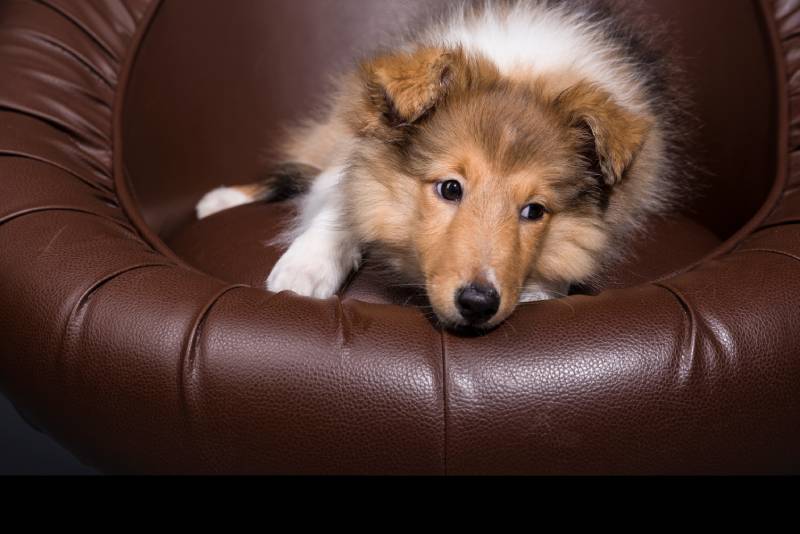
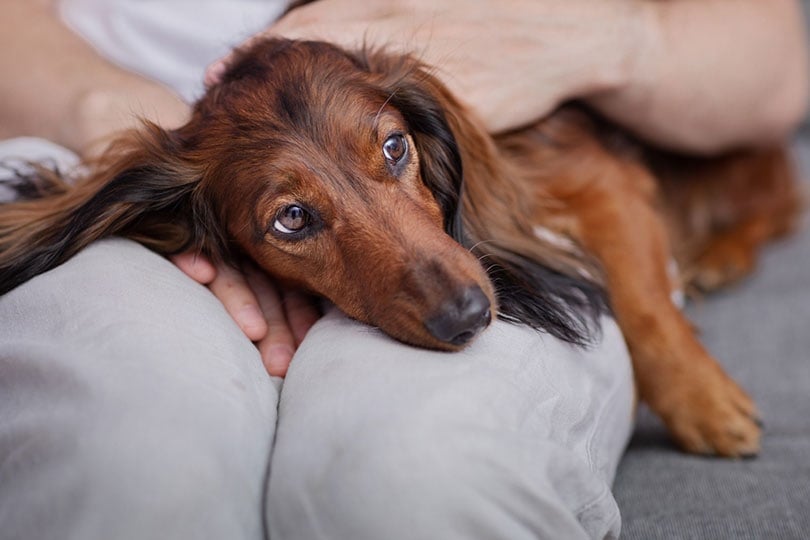
Does your dog start whining the second they realize you’re leaving the house? Is your pup barking and scratching your door long after you’ve gone? Maybe you frequently come home to utter destruction, like ripped dog beds (or couches), shredded toys, or urine accidents everywhere.
If so, your dog may be suffering from separation anxiety. It's a condition that affects up to 40% of dogs, and it can be terribly stressful for both you and your pet.1
But there's good news: separation anxiety can be managed to the point where your pup can feel comfortable and safe when you’re away.

What Is Separation Anxiety in Dogs?
Separation anxiety is a stress response in dogs.2 It’s the fear and worry they experience when they're left alone or away from the person they're most bonded to.
Symptoms of separation anxiety in dogs include:
Usually, these will happen when the pet owner leaves or a few minutes before. While these behaviors don't automatically mean your pup has separation anxiety, if they're frequent and severe, it's a good sign that your dog may be suffering from the condition.

The 8 Ways to Help a Dog with Separation Anxiety
1. Tire Your Dog Out Before You Leave
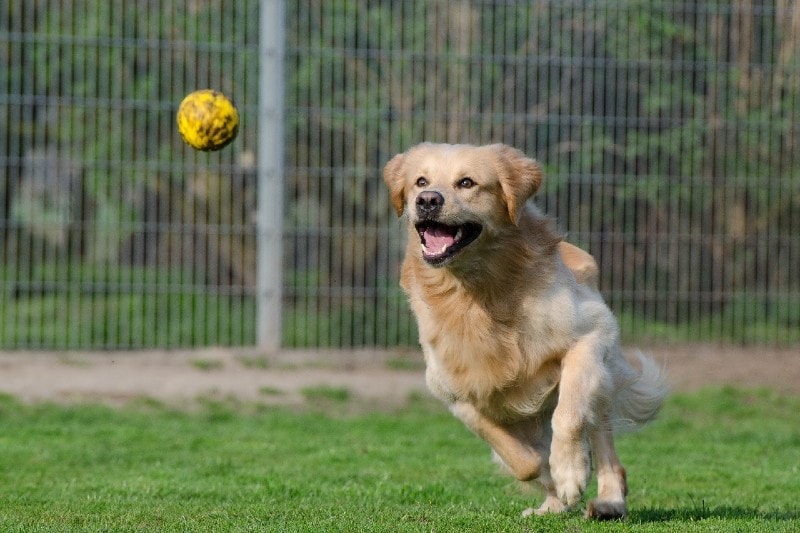
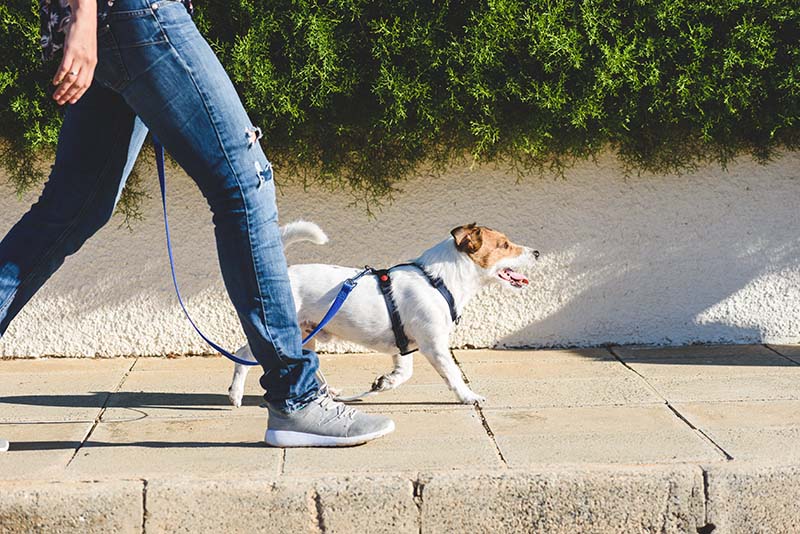
Tired dogs are usually calmer dogs. Plan for active playtime before you leave. This can be a long walk, an intense game of fetch, or a super-challenging treat puzzle. The more tired your pup is, the easier it will be for them to relax when you're away.
2. Desensitize Your Dog to Your Leaving Cues
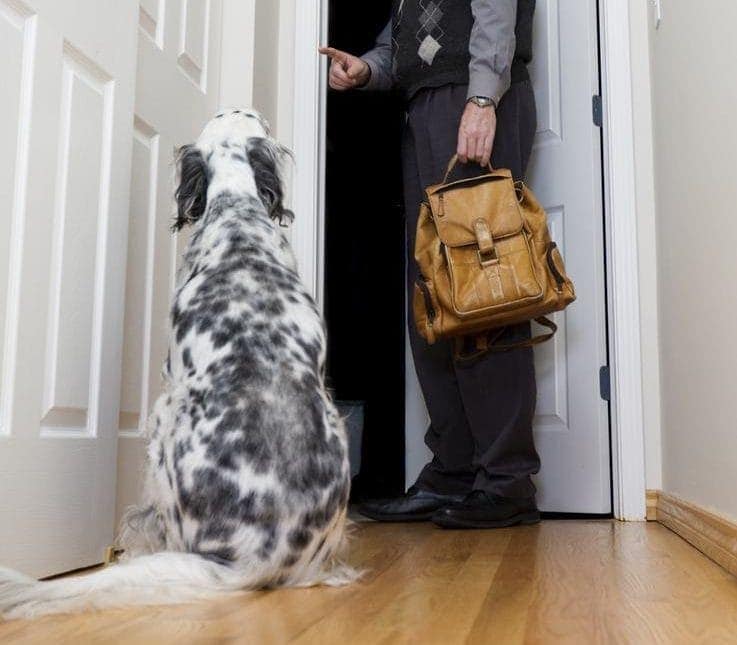
What do you usually do before you leave for work or any other activity that requires you to leave your pup behind? For example, putting on shoes, getting your keys, or grabbing your bag. Dogs are insanely smart, and it only takes them a few repetitions to pick up on your leaving cues.
By desensitizing your pup to these cues, you can help them understand that leaving does not always equate to abandonment. This process involves repeating the same cues but not actually leaving. For instance, grab your keys and then sit down on the couch to watch TV. Put on your shoes, then take them off again. Grab your bag and put your coat on, then do something unexpected, such as starting a game of fetch.
Do this a few times a day, every day, and your pup will get used to the idea that your leaving isn't always about saying goodbye forever.
3. Keep Your Goodbye Low-Key
When it's time to actually go, make the moment as boring as possible. No excited goodbye hugs or long goodbyes since these will only heighten your pup's anxiety levels. It also marks the start of the anxious countdown until you return.
Instead, ignore your pup as you leave, and don't make a big fuss. This will help them understand that it's no big deal when you're not around.
4. Focus on Crate Training
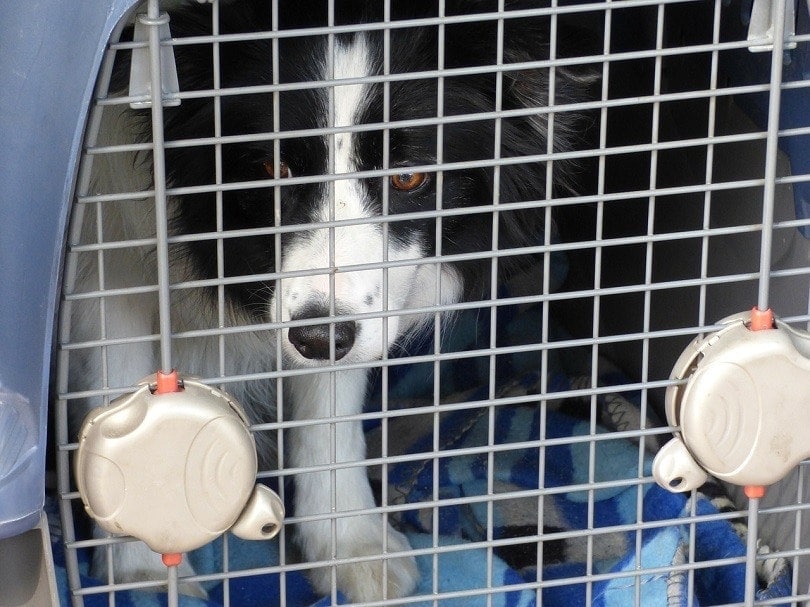
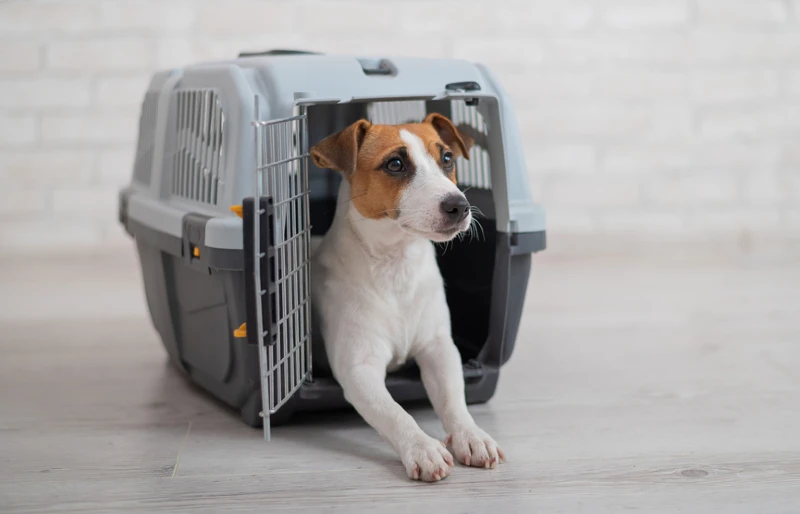
Crates are a great tool for separation training, as they give your pup its own safe space when you're away. Make sure to line it with comfy blankets, toys, and treats. It's important that your pup associates the crate with positive things so they don't dread being inside.
It's also a good idea to practice crate training when you're home, so your pup can get used to being inside the crate. Start small - place treats inside the crate and let them explore, then gradually increase their time in the crate. For instance, shut the door for one minute, then extend it to two minutes, and so on.
5. Keep Them Busy
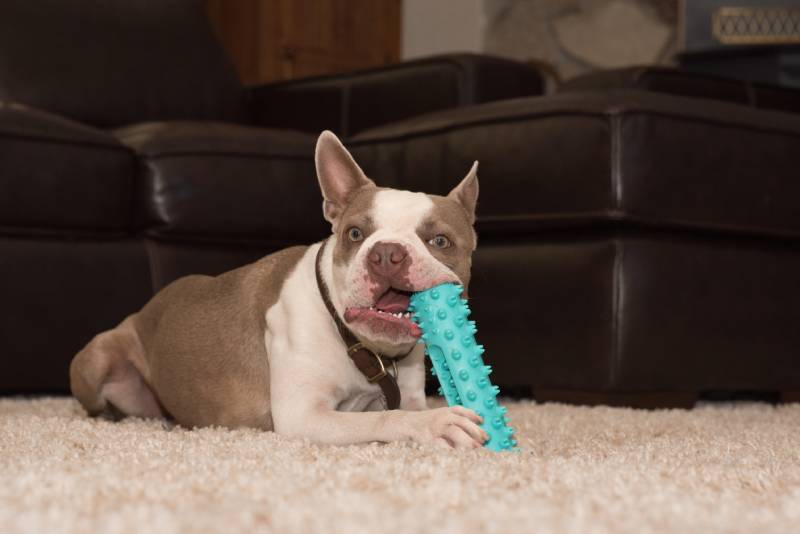
Make sure your pup has plenty of activities to keep them occupied and stimulated. This can include food puzzles, interactive toys, stuffed Kongs, interactive feeders, and more. The idea is to keep their minds engaged, so they don't spend the entire time you're away worrying and getting anxious.
6. Give Them Calming Aids
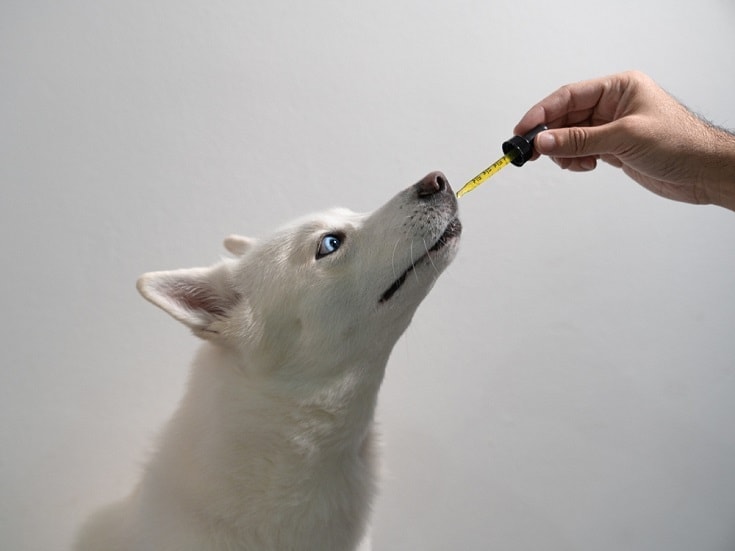
There are many calming aids available that can help your pup stay relaxed when you're away. Natural calming remedies like CBD oil and pheromone products like Adaptil can help keep your pup's anxiety at bay. There are also calming treats available that contain ingredients that may help reduce stress and anxiety.
Before you give any of these to your dog, consult your vet first. You want to make sure that the supplement is safe for your pup and that it won't interact with any other medications they may be taking.
7. Hire a Dog Sitter or Dog Walker
Sometimes having a familiar face around can make all the difference. A dog sitter or walker who is experienced in dealing with separation anxiety can help ease your pup's stress while you're away. This person can provide companionship, comfort, and lots of love until you come back home.
8. Consult a Dog Trainer or Dog Behaviorist
If your dog's separation anxiety is severe (or you simply want to make sure you're doing all that you can), it may be a good idea to consult with a dog trainer or behaviorist. A professional will be able to evaluate your dog and help you identify the precise causes of their separation anxiety.
They will also be able to provide you with a highly-tailored training plan that factors in your dog's breed, background, and your lifestyle.
Common Reasons for Separation Anxiety in Dogs
Many signs of separation anxiety in dogs are mistaken for naughtiness or boredom. For instance, destroying their bed, chewing up furniture, or peeing in the house are usually seen as misbehavior.
But really, these behaviors can be caused by underlying anxieties.
Common reasons why dogs may suffer from separation anxiety include:
Note that these are just some of the most common reasons behind separation anxiety in dogs. Other possible causes include genetics, breed predisposition, disease, lack of mental stimulation, and more.
We strongly suggest consulting your vet for a definitive diagnosis and recommendations, but in the meantime, there are some steps you can take to help your dog cope better with being left alone.

Conclusion
Dealing with separation anxiety in dogs can be tough, but there's hope for you and your best bud. Keep in mind that your dog is not acting out of malice; it's just a behavior that needs to be managed and worked through.
With the right training strategies, love, and patience, you can help your dog become more confident and enjoy their alone time—no matter how long you're away from them.
Featured Image Credit: Reshetnikov_art, Shutterstock
Get Hepper In Your Inbox


Pet care tips from our vets and experts, straight to your inbox.
You may opt-out at any time. View our Privacy Policy for more information.

Nicole is a lover of animals of all sizes but is especially fascinated with the feline variety. She’s the proud mom of Baby, a Burmese, and works every day so he can relax in the sunshine or by the fire. She’s always had a cat in her home and has spent countless days with others, observing behaviors and softening up even the grouchiest of the lot. Nicole wants to share her kitty expertise with you so you and your cat can live happy, healthy, and care-free.
Join the conversation
Ask a question, share your story, or send private feedback.