Hepper blog

Search our database of over 9,984 posts with up-to-date information from our experts and veterinarians.

Hepper is reader-supported. When you buy via links on our site, we may earn an affiliate commission at no cost to you. Learn more.

Does My Cat Have to Fast Before Surgery?Vet-Verified Facts & Info

By Nicole Cosgrove · Reviewed & fact-checked by Dr. Maxbetter VizelbergVet Approved
Dr. Maxbetter Vizelberg
Reviewed & Fact-Checked byDr. Maxbetter VizelbergVeterinarian
Maxbetter grew up in New Orleans, Louisiana, and has been interested in veterinary medicine since childhood. Being read Russian children’s stories about “Doctor Aybolit” by his grandmother, interning at the Israeli Wildlife Hospital, and working at numerous small animal hospitals have all been part of his lifelong love of animals. Maxbetter currently practices in New York City, and enjoys educating others to help them give their animals the best possible lives. He always strives to provide excellent medical care to his patients. Outside the clinic, he can be found playing basketball and soccer, performing his rap songs at open mics, and going on hikes with family and friends.View authorThe information is current and up-to-date in accordance with the latest veterinarian research. Read about our vets
Share
Ask us a question in the comments
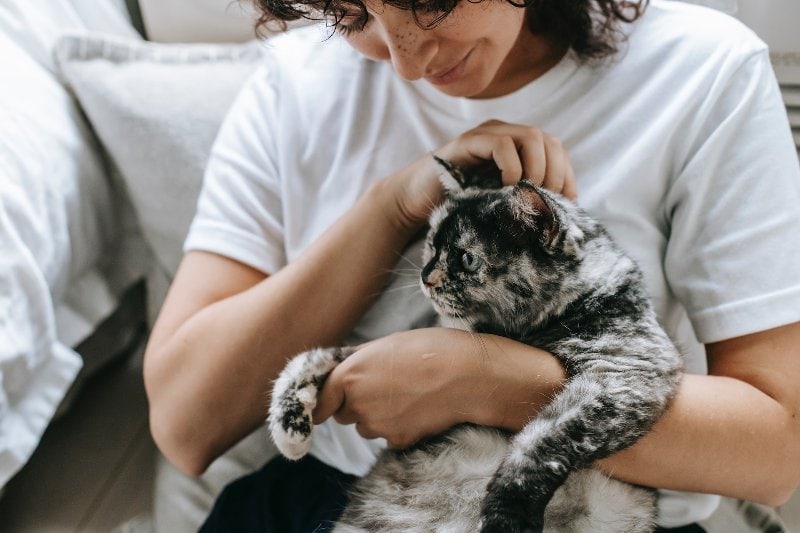
woman stroking black and white cat

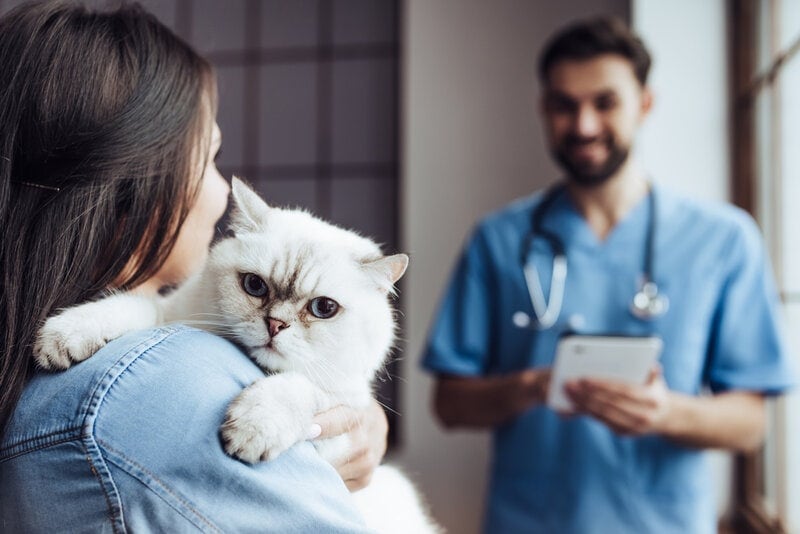
If your cat has an upcoming surgery and you can’t remember if the vet told you to have them fast, we’re here to help. While we recommend reaching out to the vet if you can, we also understand that sometimes it’s simply not an option.

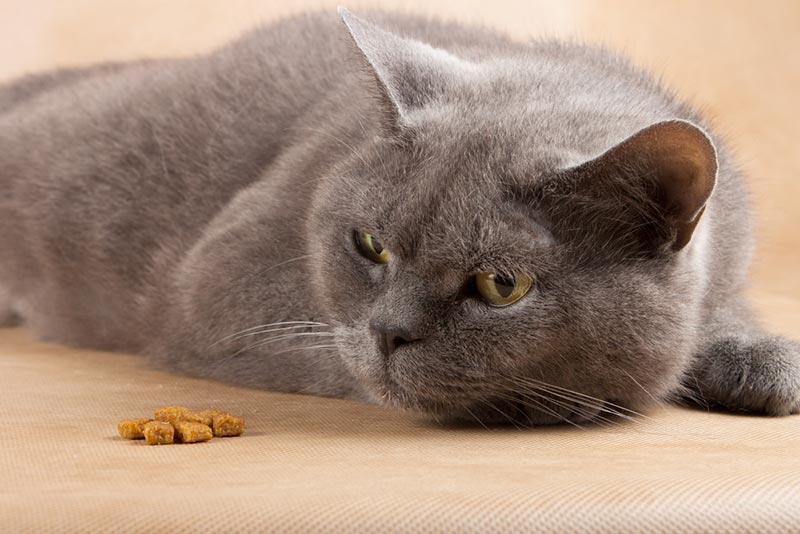
As a general rule, you should have your cat fast for at least 12 hours before their surgery. But why is this the case? Do you need to cut off their access to water too, and how should you care for your cat once you get them home? We’ll walk you through everything you need to know below.

How Long Should a Cat Fast Before Surgery?

If you ever have any questions on how long your cat should fast before surgery, we highly recommend reaching out to their vet for their specific recommendations. However, for most surgeries, vets will recommend cutting off their food supply about 12 hours before the surgery.

While that is the case for most cats and most surgeries, there are exceptions to every rule that could extend or shorten the recommended fasting time. Because of this, it’s imperative to reach out to the vet performing the surgery to see what they need.
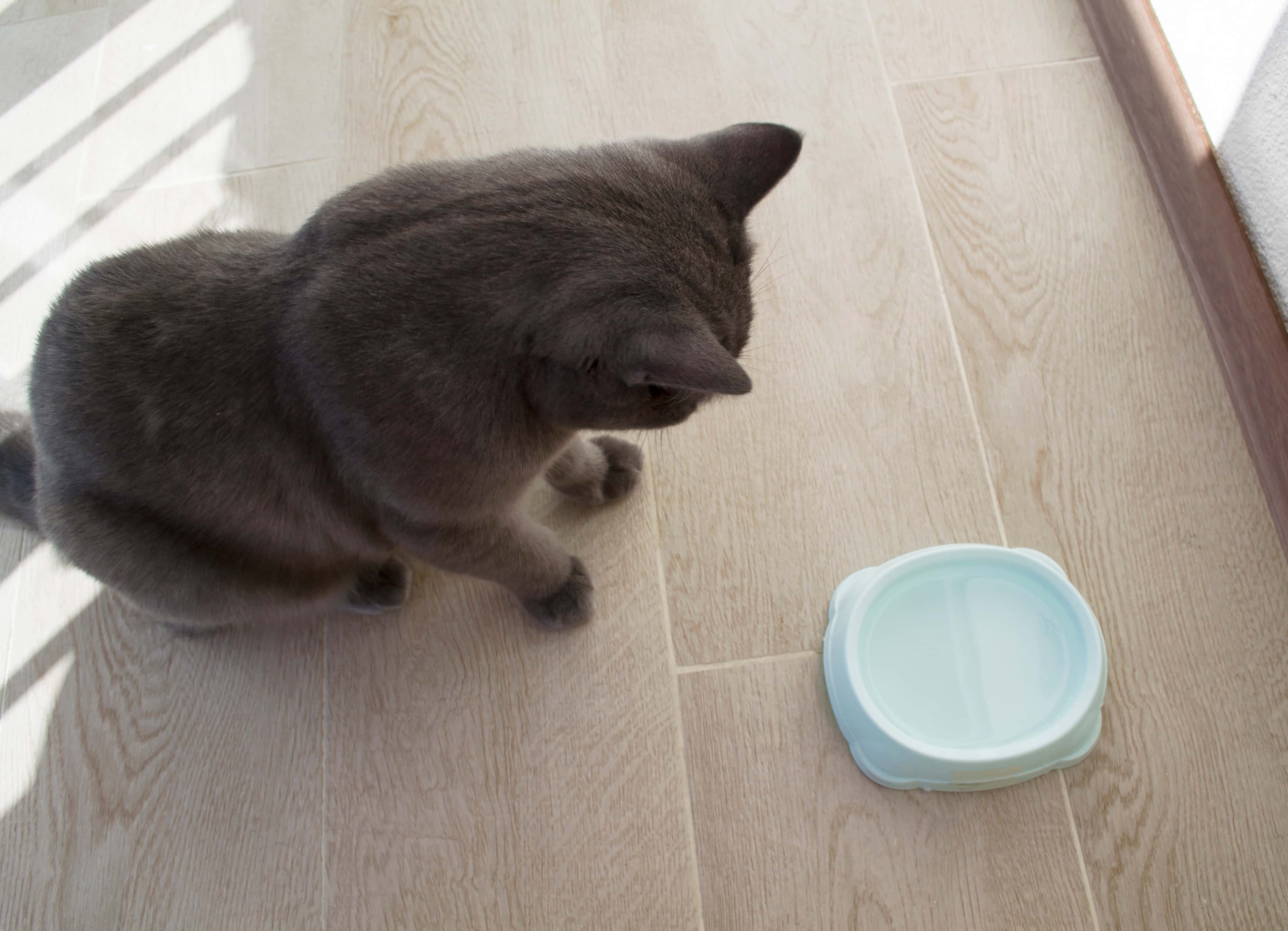
British cat and bowl. The cat sits next to a blue bowl of water on the floor
Image by: Yuka Y, Shutterstock

Why a Cat Needs to Fast Before Surgery

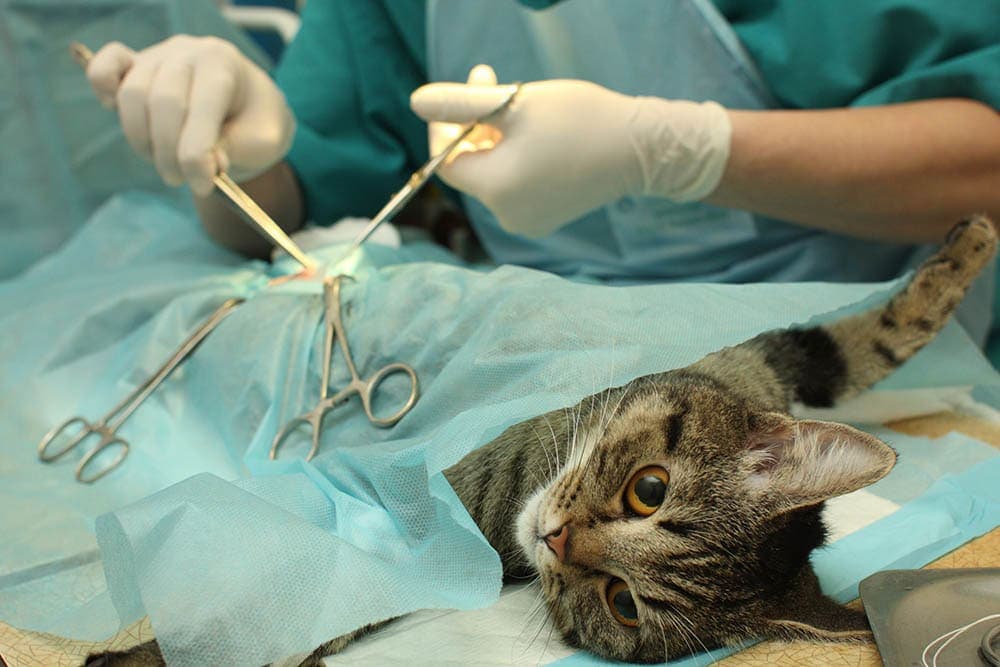
While it might not seem like a big deal to cut off your cat’s food supply before their surgery, it’s all about reducing the amount of food in their stomach while they’re in surgery. That’s because it’s extremely common for cats to react to anesthesia, and if this happens, they can experience gastroesophageal reflux, more commonly known as vomiting.

Not only can they vomit while under anesthesia, but they can then start to inhale some of this vomit. When this happens, it can lead to asphyxiation, which means your cat is choking. Even if the vet saves your cat from inhaling vomit while under anesthesia, it can lead to pneumonia or death.

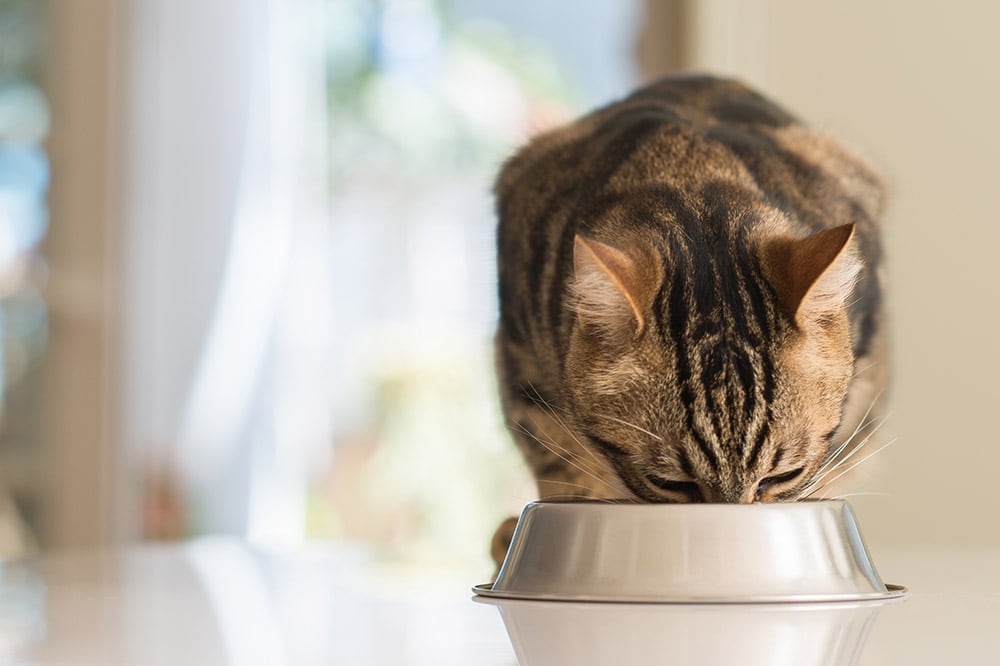
Cutting off your cat’s food supply before their surgery greatly reduces this risk, and since there are minimal downsides to them fasting for at least 12 hours before surgery, it’s likely to remain a very common practice.

Can Cats Have Water Before Surgery?

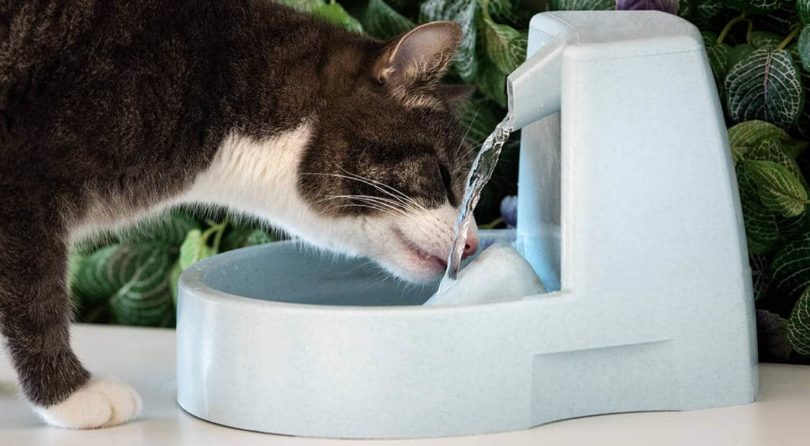
While you should cut off their food supply about 12 hours before surgery, this is not when you should cut off their water supply. Many studies now indicate that you don’t necessarily need to stop them from drinking for any amount of time before surgery.

But while that might be the case for most surgeries, some vets will still recommend removing their water between 1–2 hours before their surgery. Because the type of surgery they’re getting can make a big difference for this, you need to reach out to their vet about their surgery for more specific instructions for your cat.
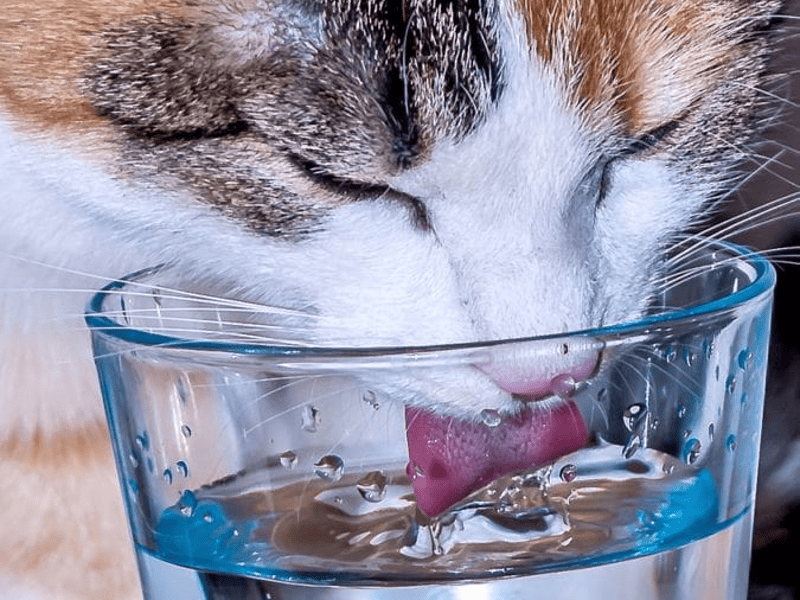
cat drinking water from the glass
Image by: JordanHoliday, Pixabay

After Care Tips for Cats

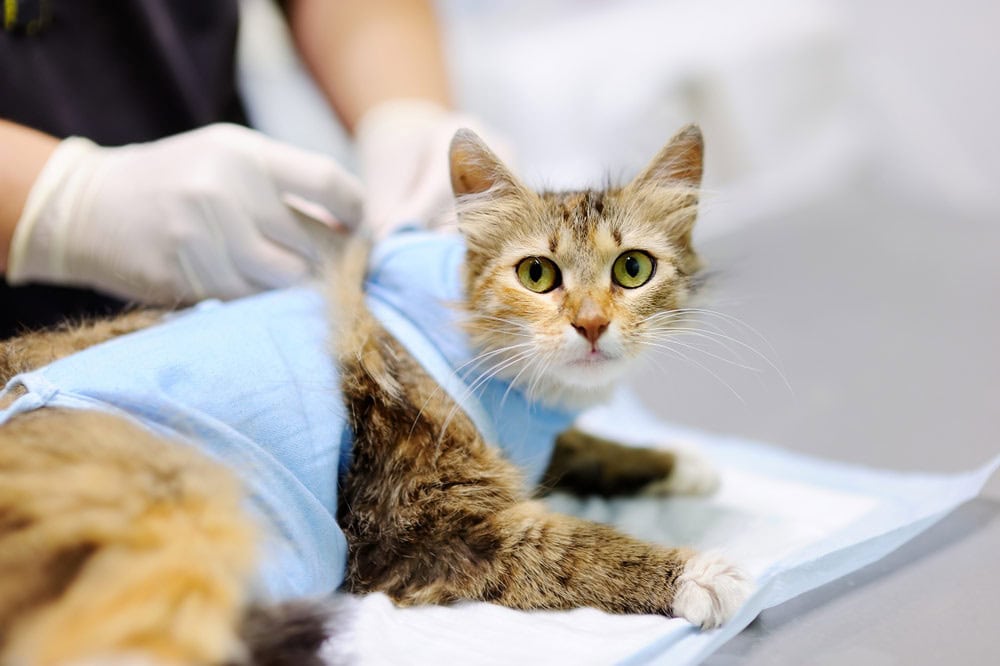
After your cat’s surgery, the vet should give you detailed instructions on how to care for them. Follow all of the vet’s instructions and don’t be afraid to reach back out if something seems off. Below, we’ve highlighted some general aftercare instructions that might apply to your cat depending on the surgery.

1. Monitor the Incision Site

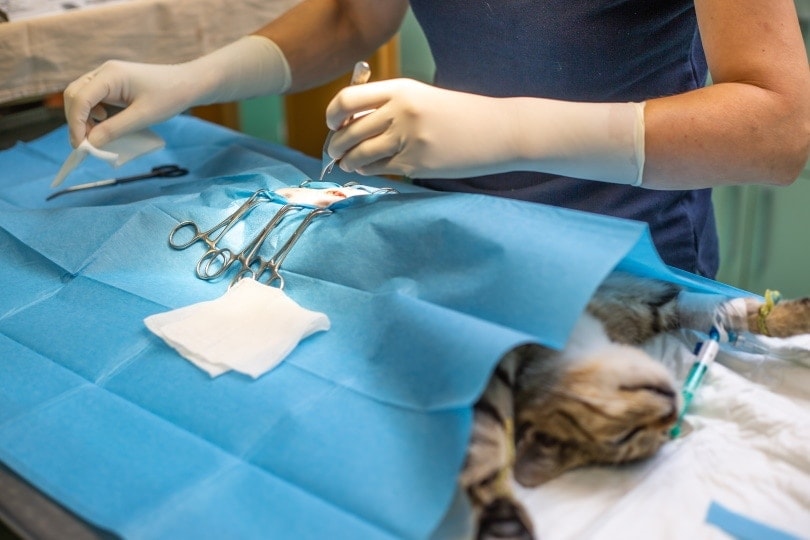
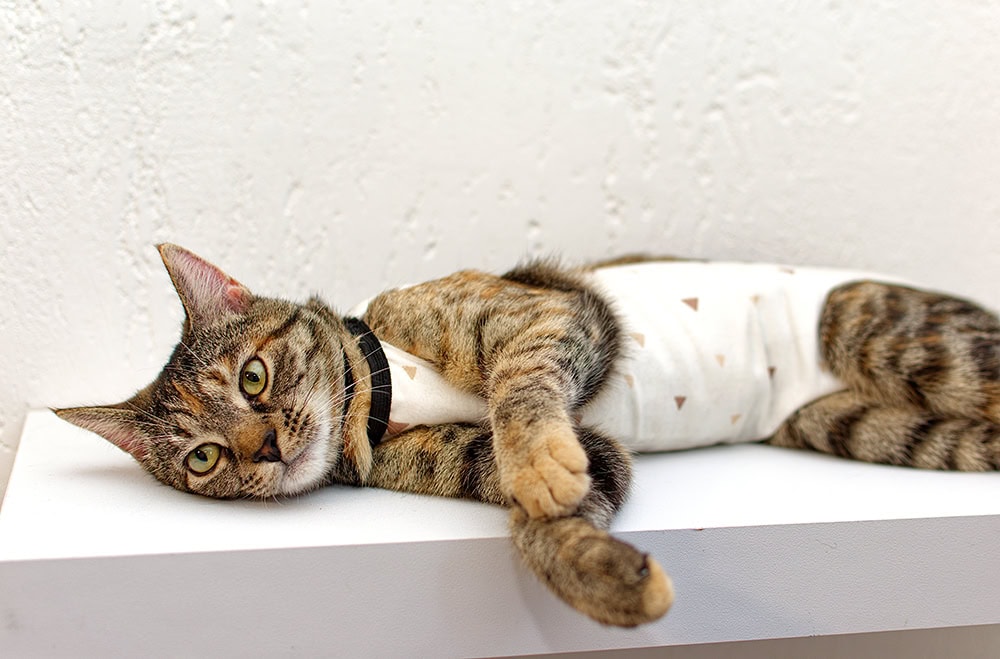
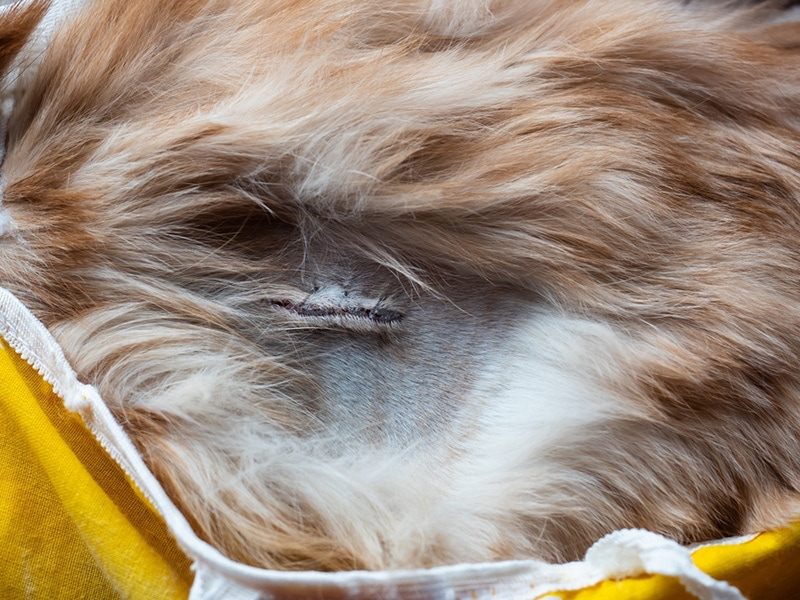
For most surgeries, the vet has to make some sort of incision. When they do, they typically suture the site back up, and you want to keep an eye on the site to ensure everything is healing up properly. Take a look at the site each day to ensure there’s no infection and the stitches stay in place.
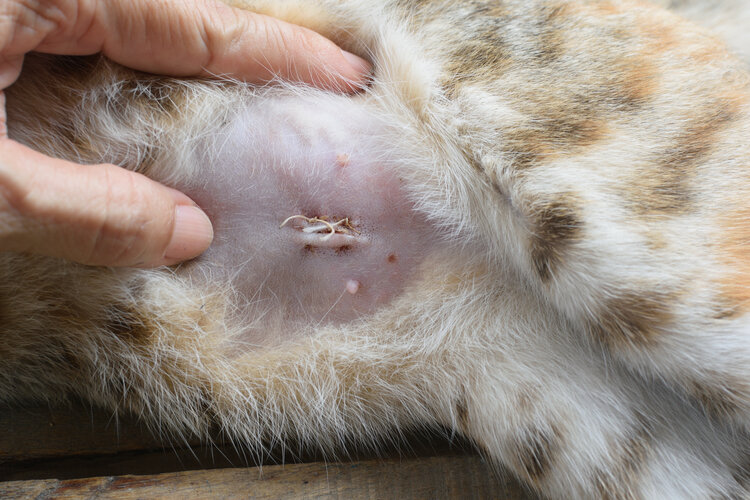
Spay stitches
Image by: Cattlaya Art, Shutterstock

2. Keep the Incision Site Dry

If your cat has an incision site from their surgery, you need to keep it dry so the stitches don’t start to fall out. This means not bathing your cat for at least 10 days and ensuring they don’t get wet in any other way.


3. Use a Cone, AKA the E-Collar

The “cone of shame” might not be the most enjoyable experience for anyone, but it keeps your cat from licking at an otherwise irritating the surgery site. We recommend bringing your own cone to the surgery so they don’t charge you for one and keep it on for whatever length of time the vet recommends.
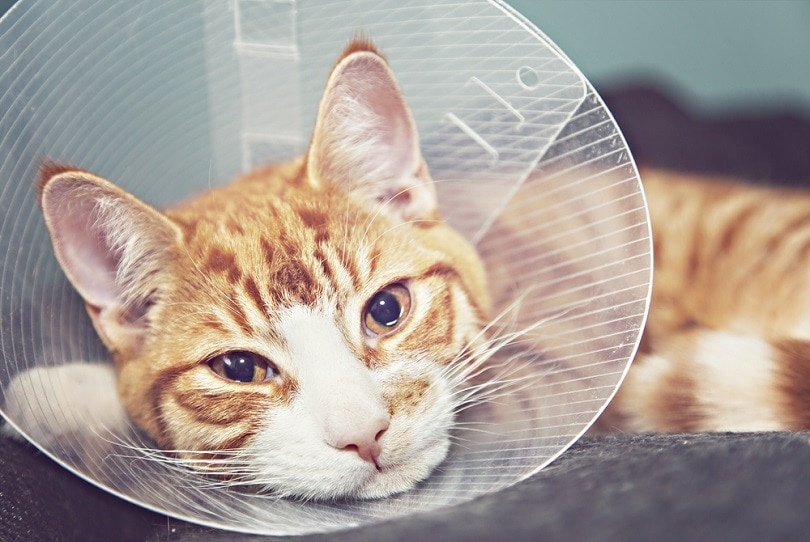
orange cat with veterinary cone
Image by: Sophie McAulay, Shutterstock

Final Thoughts

If your cat has an upcoming surgery, we highly recommend reaching out to their vet to get all the instructions to get them ready. But if you simply can’t get a hold of them, play it safe by cutting off your cat’s access to food at least 12 hours before their surgery. After their surgery, talk to the vet to get all the applicable aftercare instructions so you know just what you need to do while your cat recovers.

Sources

Featured Image Credit: Sam Lion, Pexels

Get Hepper In Your Inbox

Pet care tips from our vets and experts, straight to your inbox.

List

Select all that apply.

You may opt-out at any time. View our Privacy Policy for more information.

Nicole Cosgrove
Authored by

Nicole Cosgrove

Join the conversation

Ask a question, share your story, or send private feedback.

Rate this post
Required to post. Only our editors see your rating.
Who should see this?

A human reviews every comment before it appears. Your email is never published.

Picked to go with this article

Does My Dog Have to Fast Before Surgery? Vet-Reviewed Facts & FAQ

Does My Dog Have to Fast Before Surgery? Vet-Reviewed Facts & FAQ

Dogs are parts of our families. We care about their happiness and do everything we can to ensure they get the exercise, good food, and the love they need to be…

Lorre Luther
By Lorre Luther ·
Can Cats Eat & Drink Before Getting Spayed or Neutered? Vet-Approved Info & Recommendations

Can Cats Eat & Drink Before Getting Spayed or Neutered? Vet-Approved Info & Recommendations

Spaying or neutering your cat is a safe, simple procedure. However, as a pet parent, you probably have quite a few questions. You might even wonder if your cat…

Patricia Dickson
By Patricia Dickson ·
How Long Will It Take to Neuter a Cat? Vet-Approved Facts & Tips

How Long Will It Take to Neuter a Cat? Vet-Approved Facts & Tips

Having your cat neutered has lifelong benefits, such as making them calmer, stopping them from making home smell like pee, and reducing the risk of cancer and…

Nicole Cosgrove
By Nicole Cosgrove ·
How to Help Your Cat Recover From Spaying or Neutering: 5 Vet-Approved Tips

How to Help Your Cat Recover From Spaying or Neutering: 5 Vet-Approved Tips

As cat parents, we want to do all that we can to keep our cats safe, happy, and healthy throughout their entire lives. Having our cats spayed or neutered is on…

Rachael Gerkensmeyer
By Rachael Gerkensmeyer ·

Keep reading

More stories you might like

Cat Fasting 101: Pros & Cons (Vet Answer)

With the practice of fasting (or perhaps, more specifically, intermittent fasting) gaining popularity in humans, many people are wondering if the potential ben…

Dr. Matt Kopke
By Dr. Matt Kopke ·
Cat Fasting 101: Pros & Cons (Vet Answer)

What Is the Average Cost of an Overnight Vet Stay in 2026? Pricing Guide

Adopting a cat means committing to taking care of his essential needs, such as food, grooming, and playtime, and giving him all the attention and love he requi…

Genevieve Dugal
By Genevieve Dugal ·
What Is the Average Cost of an Overnight Vet Stay in 2026? Pricing Guide

How Many Days Can Cats Go Without Food? Vet-Reviewed Facts & Tips

As a cat owner, you know how picky your feline friend can be. They are known to turn up their noses to food, avoid drinking water when they should, and even re…

Genevieve Dugal
By Genevieve Dugal ·
How Many Days Can Cats Go Without Food? Vet-Reviewed Facts & Tips

Does A Cat Gain Weight After Being Spayed? Vet-Verified Facts & Advice

‎Spaying your cat‎‎ is a responsible and beneficial procedure. ‎‎1‎‎ Not only does it prevent your cat from producing an unwanted litter, but it also prevents…

Nicole Cosgrove
By Nicole Cosgrove ·
Does A Cat Gain Weight After Being Spayed? Vet-Verified Facts & Advice

What Do I Feed My Cat That's on a Liquid Diet? 6 Great Options

Feeding a cat a liquid diet can be challenging, especially if your pet isn’t feeling well or isn’t used to a lot of handling. The method means you’ll have to h…

Chris Dinesen Rogers
By Chris Dinesen Rogers ·
What Do I Feed My Cat That's on a Liquid Diet? 6 Great Options

How Do Vets Spay Cats: Learning From The Experts (Vet Answer)

Neutering cats is one of the most common surgical procedures that small animal veterinarians perform. For female animals, neutering is often referred to as “sp…

Dr. Greg Steele
By Dr. Greg Steele ·
How Do Vets Spay Cats: Learning From The Experts (Vet Answer)

My Cat's Spay Incision Is Slightly Open: Is It Normal? Vet-Approved Facts

Spaying is a routine operation that vets recommend. While the procedure usually occurs with little to no complications, there's still a slight chance that your…

Jordyn Alger
By Jordyn Alger ·
My Cat's Spay Incision Is Slightly Open: Is It Normal? Vet-Approved Facts

How Much Water Do Cats Need? Vet-Verified Signs, Causes & Prevention of Dehydration

Cats in the wild will get most of their water from the moisture content in their food. However, a cat's captive diet typically has a low moisture content, espe…

Nicole Cosgrove
By Nicole Cosgrove ·
How Much Water Do Cats Need? Vet-Verified Signs, Causes & Prevention of Dehydration