Hepper is reader-supported. When you buy via links on our site, we may earn an affiliate commission at no cost to you. Learn more.
My Cat's Spay Incision Is Slightly Open: Is It Normal? Vet-Approved Facts


In this article
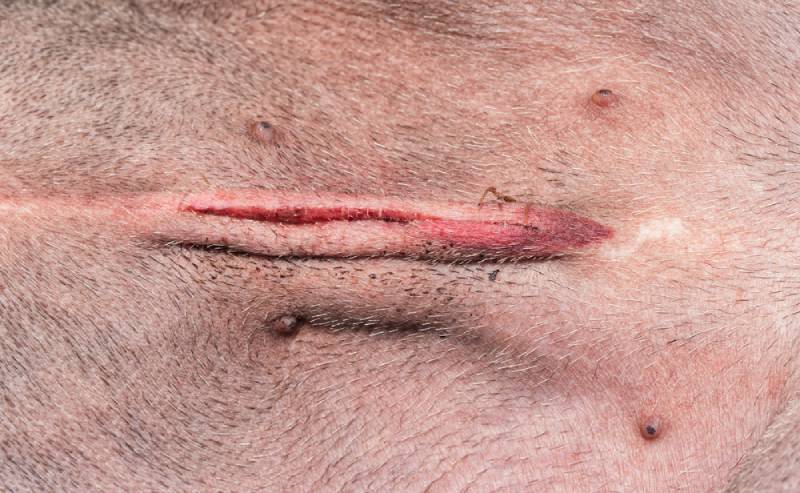
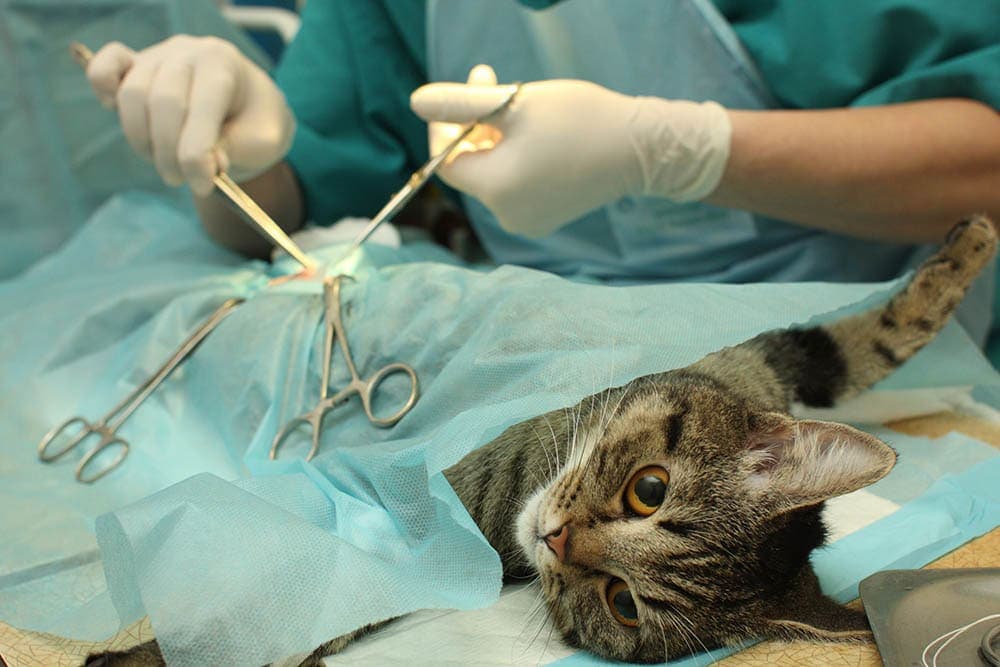
Spaying is a routine operation that vets recommend. While the procedure usually occurs with little to no complications, there's still a slight chance that your cat may experience problems post-surgery. If your cat’s incision appears open, you should contact your vet immediately.
Emergency attention is required because open incisions can lead to severe medical complications. In this article, we'll discuss when you should contact your vet and what a healthy incision should look like.

When You Should Call Your Vet
If your cat’s incision appears open, even slightly, you should contact your vet. Up to 24 hours post-surgery, redness and slight sweliing can be normal. However, any concerning signs should be noted and reported to your vet after that point. Worrying signs that you can watch out for include:
- Excessive licking
- Excessive swelling
- Bad odor
- Bruising
- Discharge
During recovery, you should give your cat medications your vet prescribed. Sutures tend to remain for 10–14 days, which is also the main period in which your cat is recouperating from surgery, though full healing will take longer. You should always monitor your cat after surgery to ensure she is not experiencing serious complications.
Seek emergency veterinary care if you notice any of the following:
- Lack of appetite that spans beyond 12 hours post-surgery
- Diarrhea
- Vomiting
- Straining to urinate
- Unable to urinate within 12–24 hours post-surgery
- Lethargy, weakness
- Swelling of the abdomen
- Paleness of the gums
- Heightened or reduced breathing rate
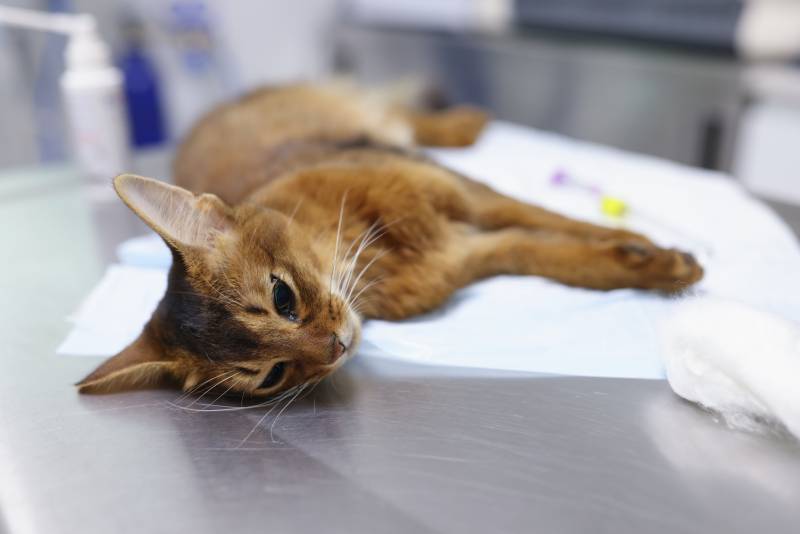
What Should an Incision Look Like?
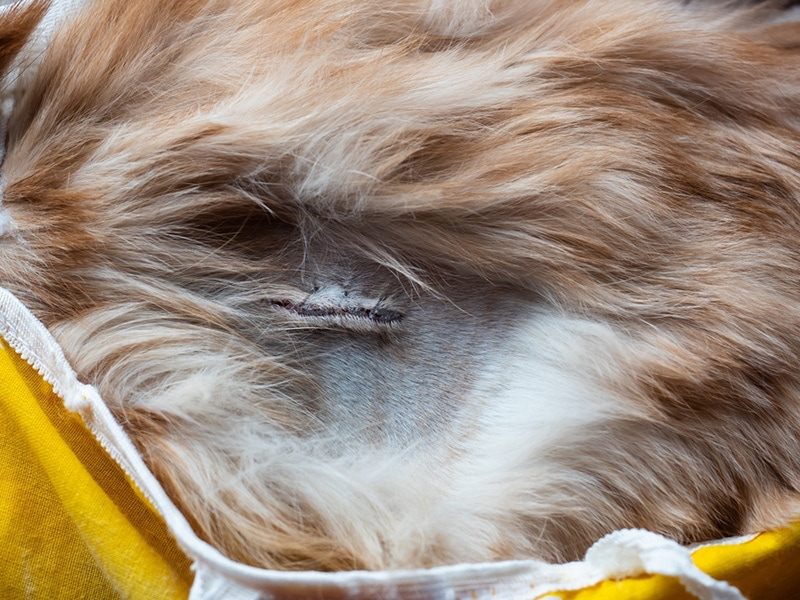
A surgical incision should be clean. To determine whether it is closed, check the edges; they should be touching each other completely. The skin may be red during the first day or so of recovery, gradually fading to pink, but it should soon return to your cat’s standard skin color.
Properly Caring for Your Spayed Cats
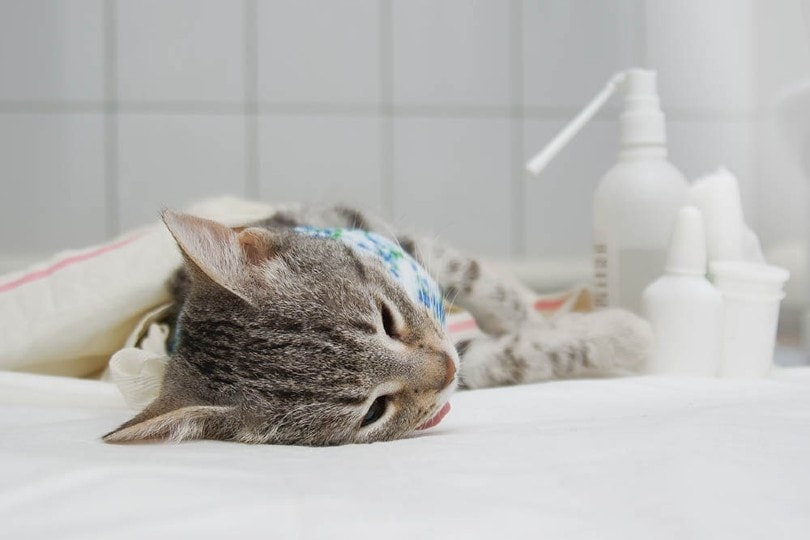
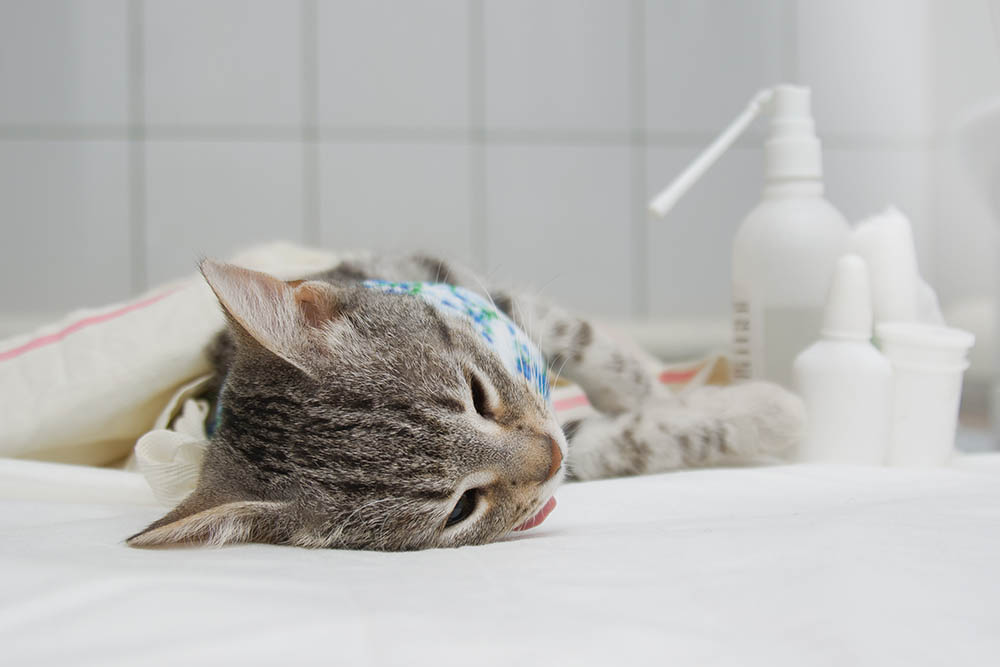
Recovering from a spaying surgery takes time, but with proper care, your cat can return to her lively self soon enough. When caring for your post-surgery cat, be sure to follow all of your veterinarian’s instructions carefully. In addition to monitoring the incision site, your vet will insist that your cat rest.
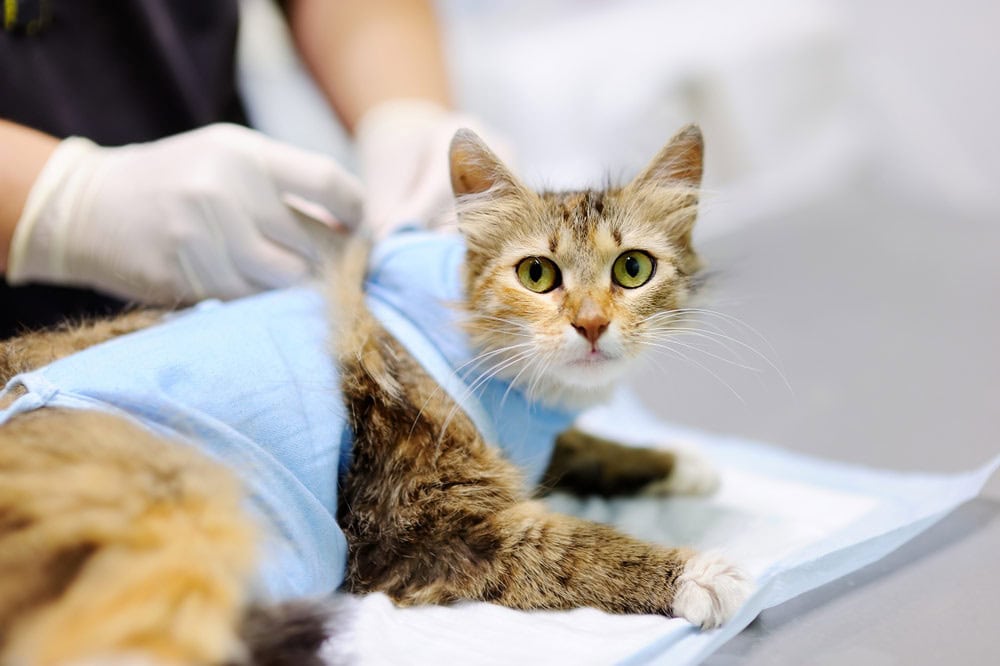
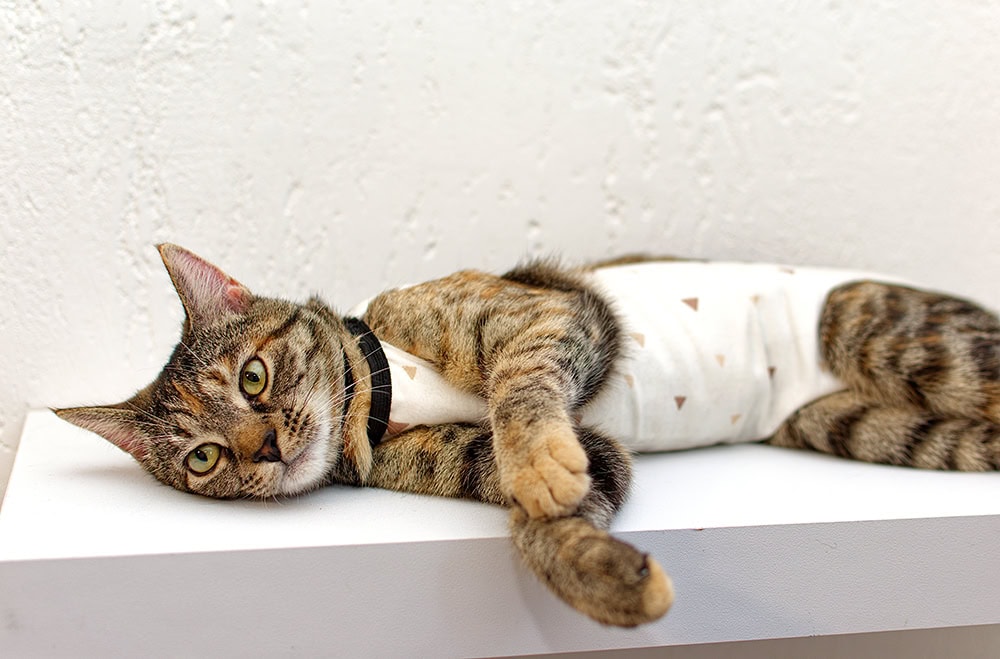
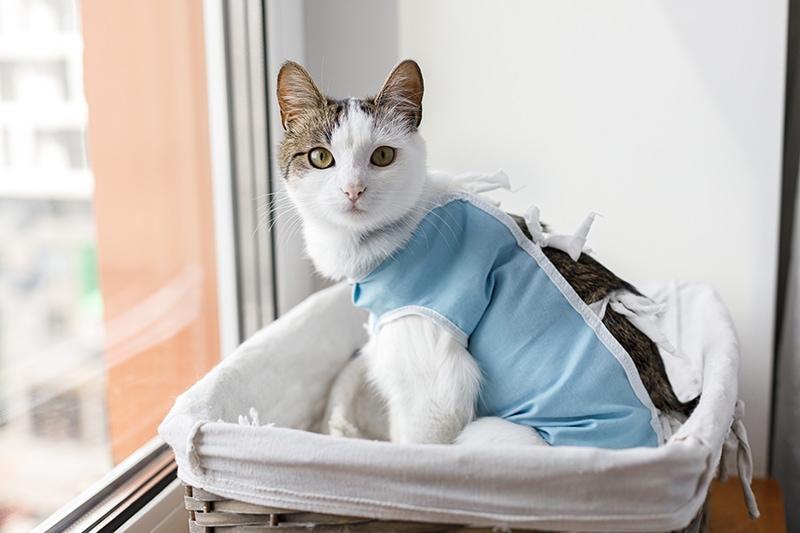
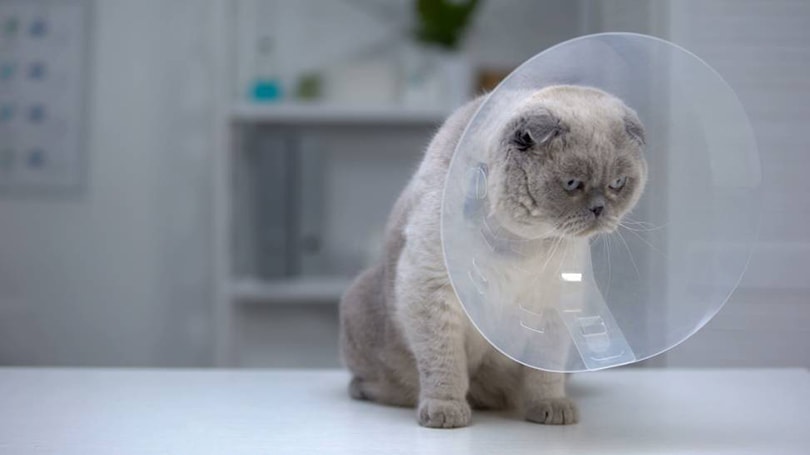
To ensure that she doesn’t overextend herself post-surgery, you can confine her to a small room while she recovers. Ideally, she should be kept where she cannot jump, run, or climb. Likewise, many cats will require a pet shirt or some form of restrictive collar to ensure they do not lick or bite at the incision site.
Managing Your Cat’s Pain After Spaying Surgery
It is not uncommon for cats to experience pain after surgery. Inflammation tends to last 5–7 days post-surgery, which can lead to aches and pains. Therefore, veterinarians will prescribe pain relief medication to help ease your cat’s discomfort. Over-the-counter pain medications for humans are not appropriate for your cat, so stick to what your vet gives you.
Determining how much pain your cat is in can be difficult, as cats often mask their pain. Therefore, you should only stop giving her painkillers when your vet indicates it is safe. Contact your vet if you are concerned that your cat is in pain that is not controlled by the prescribed medications, or if you think she is in excessive pain.
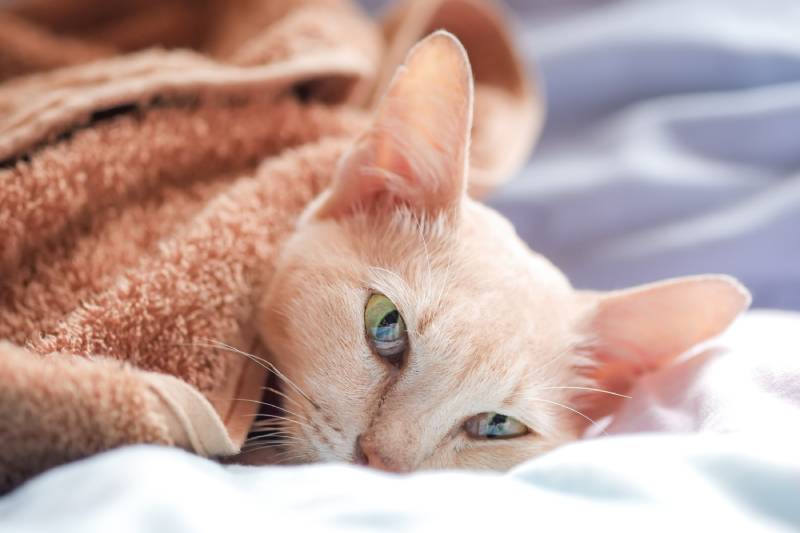
Providing for Your Cat’s Needs After Spaying Surgery
After a spaying surgery, it is important to monitor your cat’s elimination and feeding behaviors. While shortly after the surgery, there may be abnormalities in both, these abnormalities should not persist for longer than 24 hours. If they do, contact your veterinarian or seek emergency veterinary treatment right away.
Litter Box Needs
One potential complication of spaying involves damage to the urinary tract. While monitoring your cat post-surgery, pay close attention to her litter box habits. She needs treatment if she is straining to urinate or unable to urinate. Diarrhea can also occur because the anesthesia and associated medications can alter your cat’s stool. However, most cats have regular bowel movements after spaying. If your cat appears to have any issues with her stool after her spay, consult your vet.
Food Needs
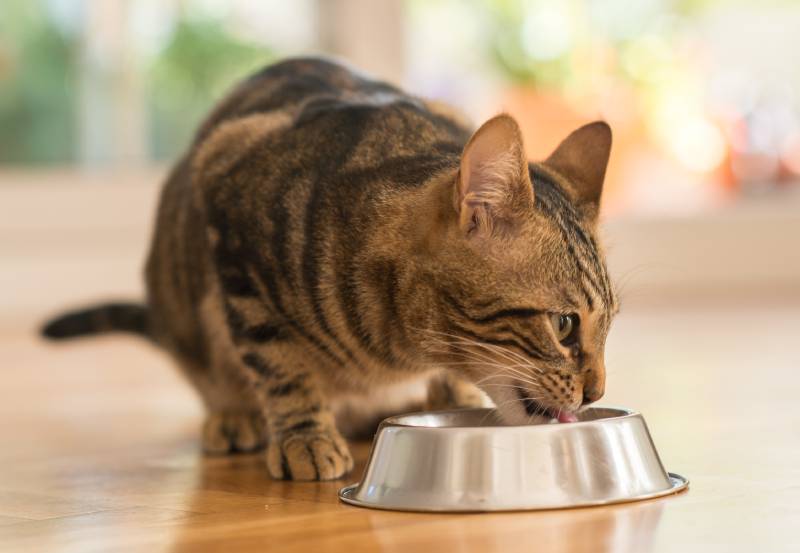
Your cat’s appetite may be temporarily lowered after surgery, but it should return within 12 hours. Feed your cat in accordance with your veterinarian’s instructions. If you are ever concerned with your cat’s lack of appetite, don’t hesitate to call your vet.
Final Thoughts
Spaying is a standard procedure that cats undergo, and it doesn’t often come with severe complications. However, you should remain vigilant and monitor your cat for any concerning signs, such as an open incision. If you notice an open incision, immediately contact your vet. Delaying your cat’s treatment may cause her to develop severe medical conditions, so it is always better to be safe than sorry.
Sources
Featured Image Credit: DreamHack, Shutterstock
Get Hepper In Your Inbox


Pet care tips from our vets and experts, straight to your inbox.
You may opt-out at any time. View our Privacy Policy for more information.
Pets are Jordyn’s passion, cats especially. Whenever she has the opportunity, she loves to learn about them and share her knowledge with everyone. She is devoted to her tabby cat named Jack and works hard to buy him his favorite treats and toys. Discovering new ways to better care for her pet is always on her to-do list, and she is eager to help pet parents everywhere who have similar pursuits. In her spare time, she loves to read, write, and take long walks. She has a creative spirit, which often helps her to come up with funny cat names.
Join the conversation
Ask a question, share your story, or send private feedback.