Hepper is reader-supported. When you buy via links on our site, we may earn an affiliate commission at no cost to you. Learn more.
6 Dog Breeds Prone to Cushing's Disease: Vet Reviewed Signs & Treatment



There is clear evidence that certain dog breeds are more prone to suffering from Cushing’s disease than others. While we know how Cushing’s disease develops, there’s still no definitive reason why certain breeds are more likely to develop the condition than others.1
Cushing’s can affect breeds ranging from small to large, and there may be no clear distinction as to why they are more at risk, but it is important for owners to understand the health conditions that can affect their breed. In this article, we’ll take a look at those breeds and dive further into this hormonal disorder.

The 6 Dog Breeds Prone to Cushing's Disease
1. Poodle
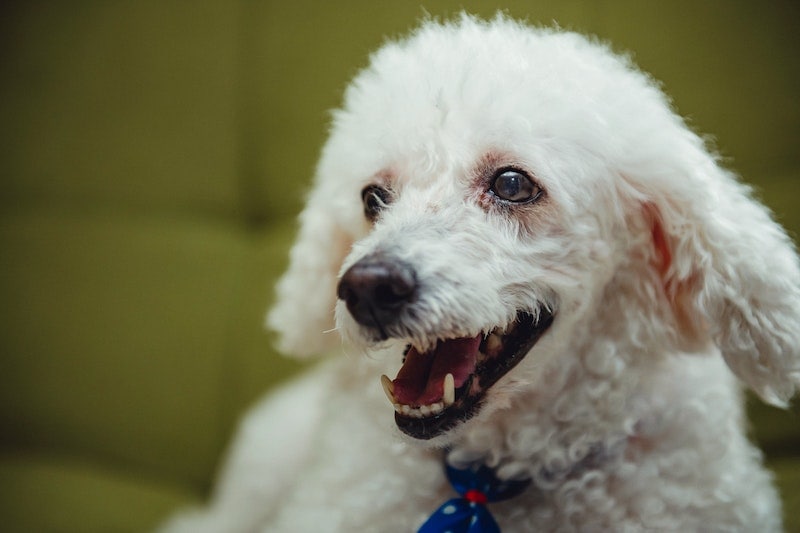
The Poodle breed is broken down into three different size varieties: Standard, Miniature, and Toy. Each type is prone to certain genetic health conditions, including Cushing’s disease. Miniature and Toy Poodles seem to have a higher incidence of Cushing’s than the Standard Poodle, but they can also be affected by the disease.
2. Boxer
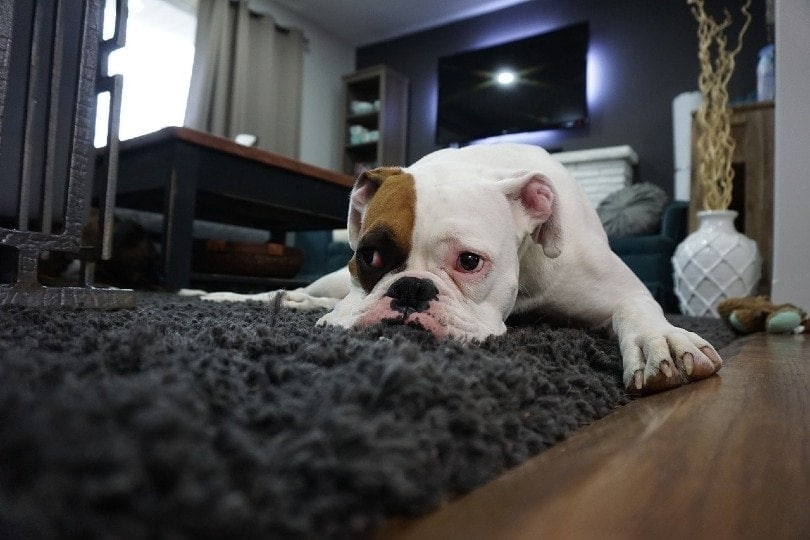
Boxers are a very friendly, happy, and loyal breed known for being as goofy as they are courageous. The breed is part of the AKC’s working group and unfortunately, these lovable dogs are prone to a wide variety of health issues including breathing problems related to brachycephaly, cancers, heart disease, bloat, hypothyroidism, and Cushing’s Disease.
3. Dachshund

The Dachshund is a very popular dog known for their small stature and elongated body. These adorable little hunters are part of the hound group and were selectively bred with this body type so they could crawl into burrows and flush out badgers.
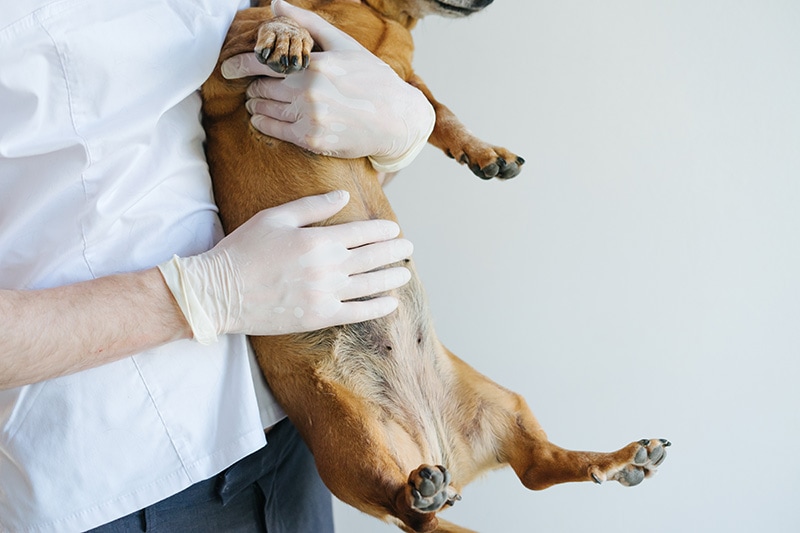
This body structure has left them predisposed to specific health conditions like Intervertebral Disc Disease, Patellar Luxation, and Hip Dysplasia but they are also more likely to suffer from several other conditions like eye problems, allergies, Cushing’s disease, obesity, and the related health problems.
4. Boston Terrier

The Boston Terrier is a loveable companion breed known for being silly, friendly, and full of joy. They come with their fair share of health problems, especially brachycephalic airway syndrome but also eye problems, allergies, patellar luxation, and Cushing’s disease.
5. Yorkshire Terrier
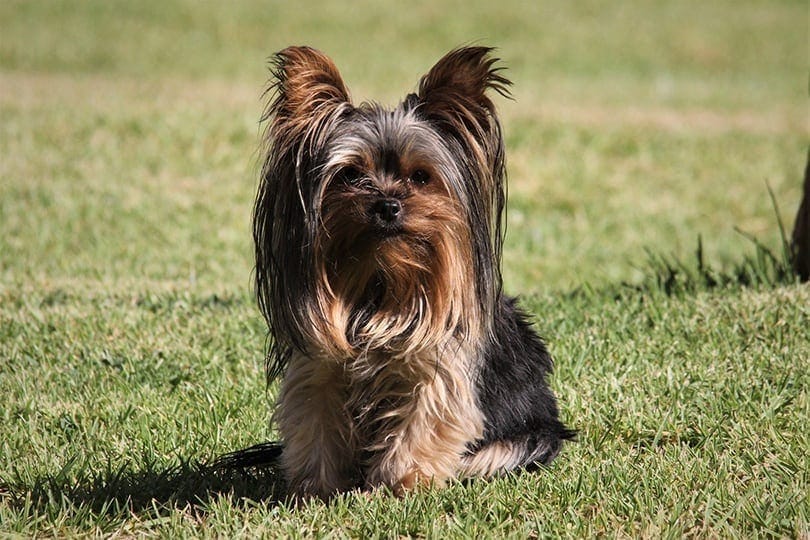
The spirited Yorkshire Terrier is a pint-sized companion and one of the most popular toy breeds. Like the majority of purebreds, they are prone to suffering from certain genetic health conditions, including Cushing’s disease. They also commonly suffer from periodontal disease, hypoglycemia, liver shunt, tracheal collapse, patellar luxation, and eye problems in their senior years.
6. Staffordshire Bull Terrier
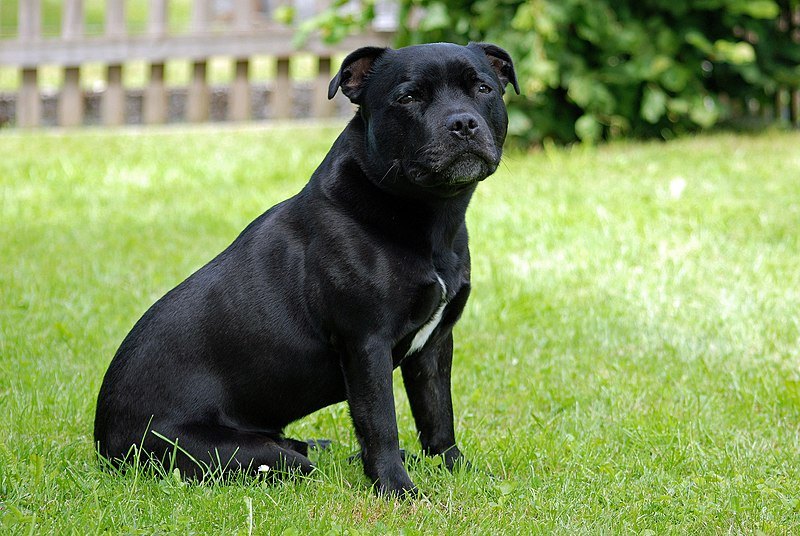
The Staffordshire Bull Terrier is a medium-sized terrier breed with a short stature and muscular physique. These courageous pups may have a history of fighting, but through years of quality breeding practices, they have become beloved and affectionate family pets.
Though they are a fairly healthy breed, they are not exempt from certain health conditions including increased incidence of allergies, patellar luxation, hip and elbow dysplasia, cataracts, and Cushing’s disease.
What Is Cushing’s Disease?
Cushing's disease, or hyperadrenocorticism, occurs when the adrenal glands secrete too much cortisol, which is a stress hormone. Excessive amounts of cortisol can cause other serious health conditions including diabetes, chronic urinary infections, high blood pressure, and kidney problems. Some of the associated conditions can be life-threatening, so it is important to understand and treat the condition under the care of a licensed veterinarian.
Clinical Signs
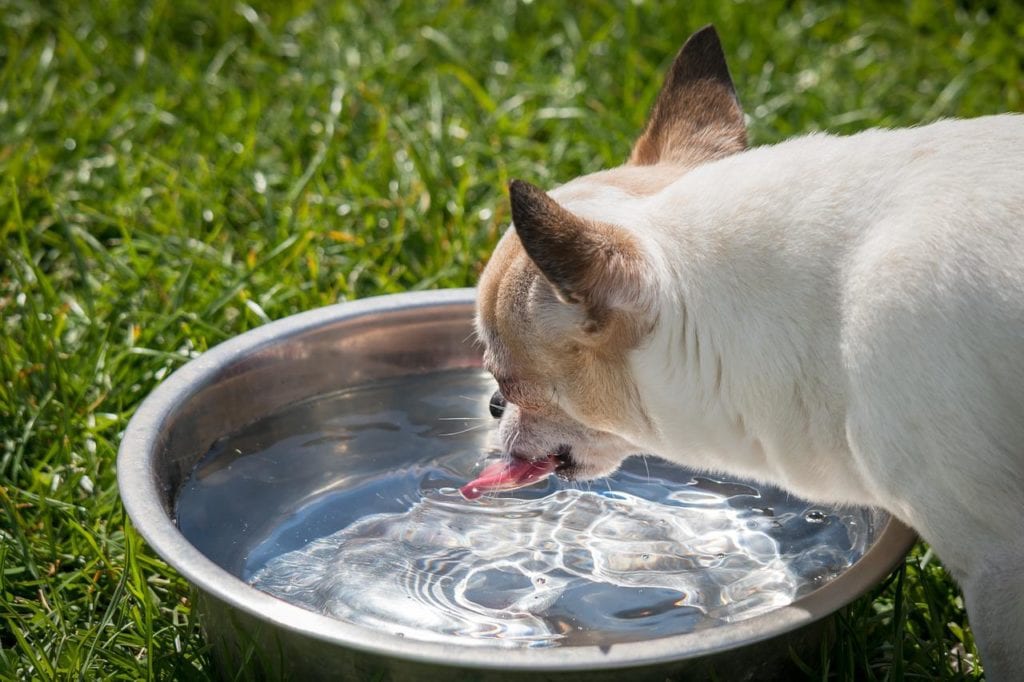
It is important to keep a close eye on your dog for any unusual physical or behavioral signs that could indicate a potential health condition. There are numerous clinical signs that a dog with Cushing’s disease may exhibit, including:
Causes
The cause of Cushing’s can vary but is related to a problem within either the pituitary gland and/or the adrenal glands. The pituitary gland is a pea-sized gland at the base of the brain that produces many hormones, including the adrenocorticotropic hormone.
This adrenocorticotropic hormone stimulates the adrenal glands to produce cortisol. Cushing’s disease can be categorized into three different types, all of which have different root causes.
Pituitary-Dependent Cushing’s Disease
Pituitary-dependent Cushing’s disease occurs when a tumor of the pituitary gland causes the secretion of too much of the hormone that stimulates the production of cortisol. Pituitary tumors are often small and benign but neurological signs may develop as it grows. The pituitary-dependent cases of Cushing’s disease are responsible for 80 to 85 percent of cases in dogs.
Adrenal Dependent Cushing’s Disease
Adrenal-dependent Cushing’s disease accounts for approximately 15 to 20 percent of cases in dogs. This type of Cushing’s occurs when there is a tumor on one or both of the adrenal glands, resulting in the production of excess cortisol. Adrenal gland tumors may either be benign or malignant, which will be determined during diagnostic testing.
Iatrogenic Cushing’s Disease
The adrenals produce two forms of corticosteroids: glucocorticoids and mineralocorticoids. Cortisol is one of the glucocorticoids and is in control of the metabolism of carbohydrates, fats, and protein and reduces inflammation.
Use of corticosteroids as prescription medication can cause both short-term and long-term side effects, including Iatrogenic Cushing’s disease. This is considered a long-term side effect associated with the long-term use of corticosteroids as a treatment for another underlying health condition. This is most often observed in smaller breeds but can occur in dogs of any size.

Diagnosis
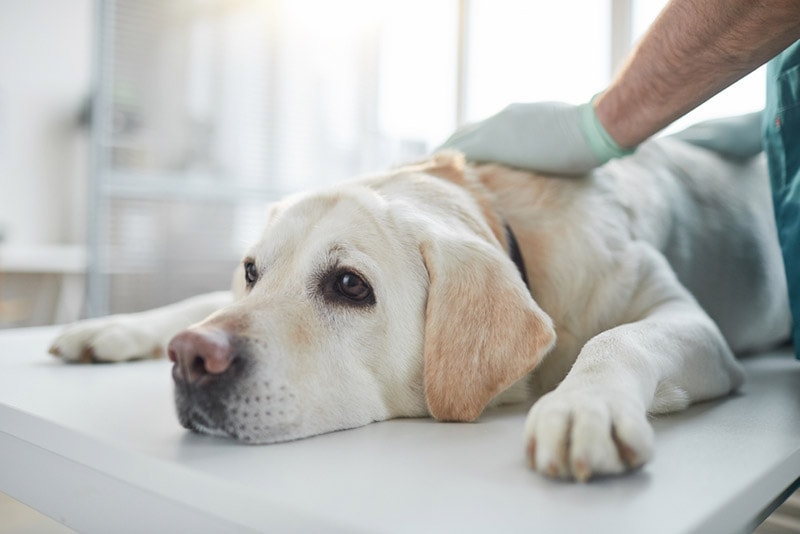
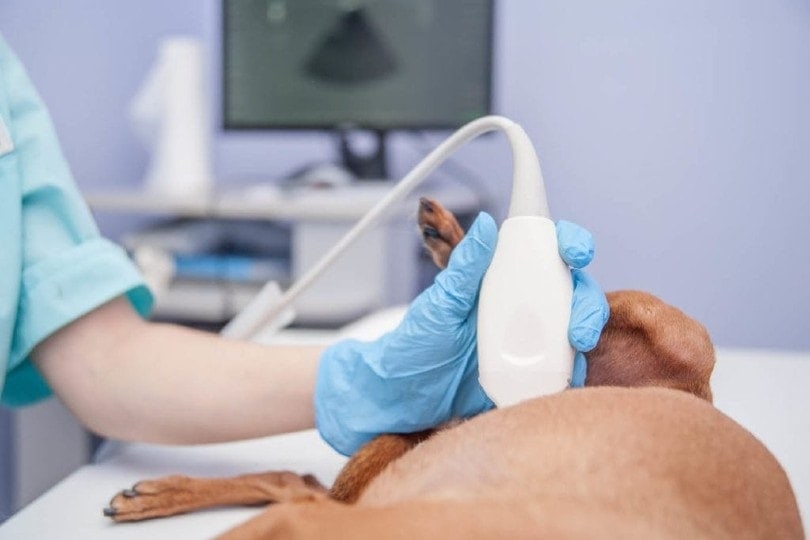
Any dog exhibiting unusual physical signs or behaviors should be examined by a licensed veterinarian as soon as possible. Veterinarians will often perform blood tests to diagnose Cushing's disease. Ultrasound, CT scan, and MRI are highly effective in detecting tumors on the pituitary gland and adrenal glands and are useful in ruling out any other diseases that could be causing similar signs.
Treatment
Cushing’s disease treatment will depend on the root cause. Options include surgery, medication, and radiation. In the rare cases where the condition was caused by excessive steroid use, the dosage of steroids would either be reduced or discontinued altogether under the supervision of the veterinarian.
If the adrenal or pituitary tumor is benign, surgical removal of the tumor can cure the disease. If medication is the recommended route for treatment, the drugs trilostane or mitotane may be prescribed and closely monitored by your veterinarian under a specific treatment plan.
If there is a malignant tumor related to Cushing’s disease, the veterinarian will discuss the best course of treatment with the owner based on the individual patient.

Conclusion
Six dog breeds have a higher predisposition to Cushing’s disease, and they include Poodles, Boxers, Dachshunds, Boston Terriers, Yorkshire Terriers, and Staffordshire Bull Terriers. These aren’t the only breeds that can suffer from the condition, however. Cushing’s disease is related to hormone production and there is currently no definitive answer as to why these six breeds are more likely to suffer from it than others.
See Also:
Featured Image Credit: SeventyFour, Shutterstock
Get Hepper In Your Inbox


Pet care tips from our vets and experts, straight to your inbox.
You may opt-out at any time. View our Privacy Policy for more information.
Lindsay is a wife, mother, nature enthusiast, animal lover, and business major. She was born and raised in the United States and now lives in Tulsa, Oklahoma. She shares her home with a German Shepherd, several snakes, tarantulas, and a couple of rescue cats.
Lindsay and her husband enjoy traveling the US with their children and photographing wildlife. Lindsey is passionate about proper animal care and education around it!
Join the conversation
Ask a question, share your story, or send private feedback.