Hepper is reader-supported. When you buy via links on our site, we may earn an affiliate commission at no cost to you. Learn more.
Dog Hit by a Car? Our Vet Explains What to Do

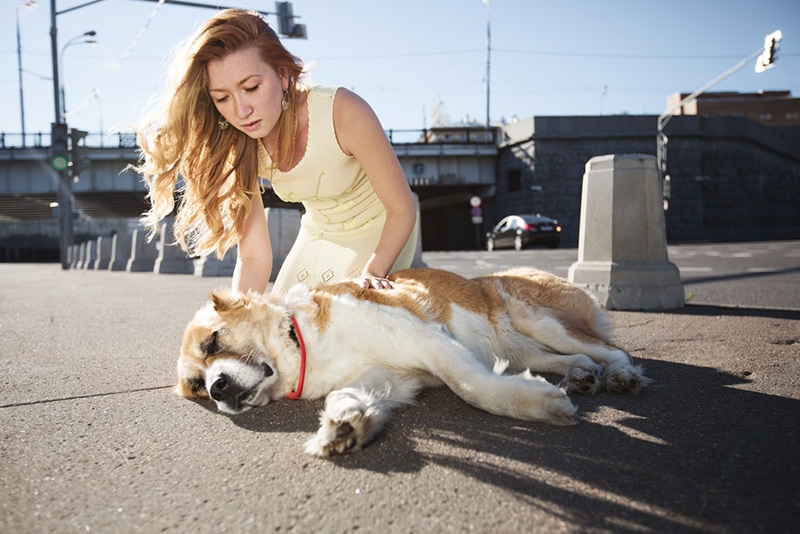
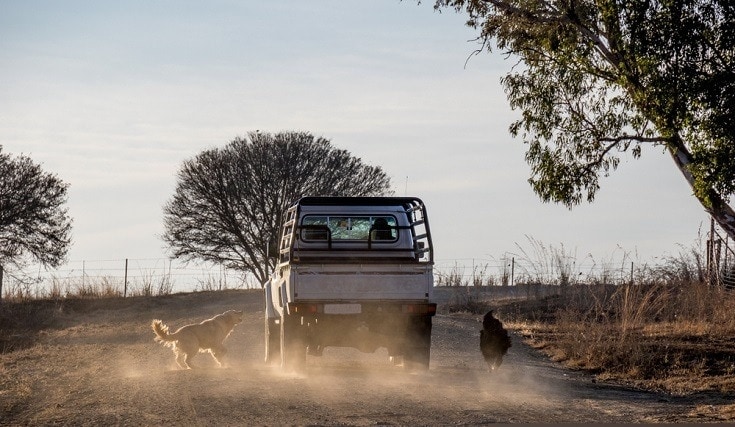
Unfortunately, dogs are hit by cars every day. While no one wants to experience this, it is very important to know what to do if this happens. Taking appropriate actions will minimize any suffering and give your dog the best chance of a fast recovery.
Follow this simple five-step guide for dealing with a dog after a road traffic accident.

The 5 Things to Do When Your Dog Gets Hit by a Car
1. Stay Calm
This is, of course, easier said than done. Seeing your dog hit by a car is frightening and can be emotionally overwhelming. However, the importance of staying calm cannot be overstated. Try to think practically, and don’t stress over how the event happened. Avoid displaying anger or blame towards the driver of the car, as they too may be in shock, and this will not help the situation.
Lastly, dogs are intelligent and perceptive, meaning they are likely to pick up on your panic and become more stressed.
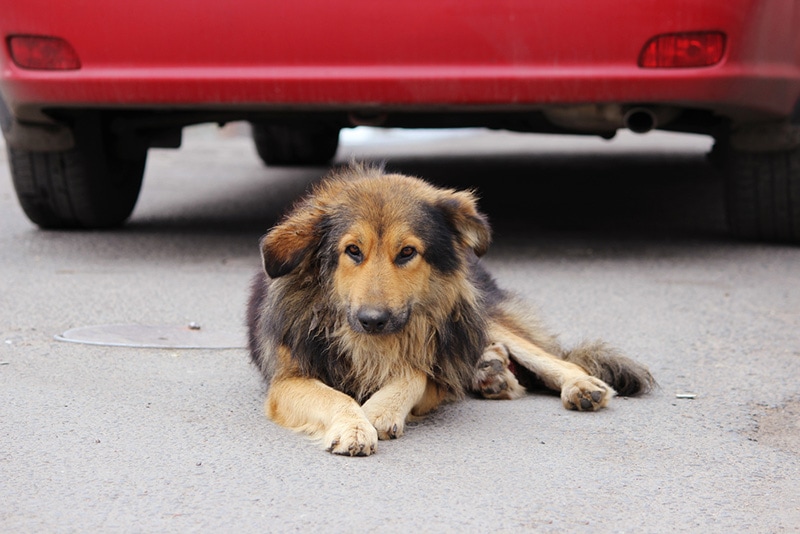
2. Contact a Veterinarian
The next thing you must do is contact a veterinarian. Who you contact depends on where you are, and possibly the time of day. During the day, you should be able to contact your regular or local veterinary clinic to arrange an urgent visit. If this is not possible, or if you live somewhere with a 24/7 emergency clinic, this may be a better option. In some parts of the world, there will be an after-hours “on-call” veterinarian to contact.
Vets, vet nurses, and receptionists will be able to provide you with some guidance over the phone.
3. Handling Your Dog
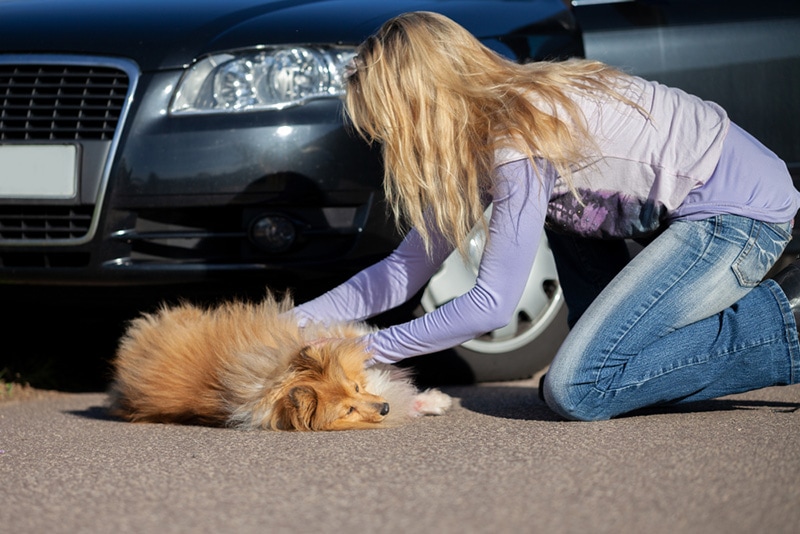
We’ve touched on the importance of staying calm, and this extends to the way you handle your dog. Be gentle, use quiet words, and reassure them. Always approach with caution; even the loveliest dogs, who have never displayed any aggression, can be unpredictable after a car accident due to pain and stress. If necessary, place a muzzle on the dog or gently restrain the head with a towel.
Small dogs may be wrapped in a blanket to minimize their stress. Large breed dogs may require the assistance of a second or even third person to lift them into the car. While it is natural to be concerned about lifting your pet if they are injured, time is of the essence, and we do not recommend delaying this—the chance of causing additional injuries while lifting or maneuvering your dog is relatively small.
4. Minimize Movement
Once you have your dog in a car, try not to handle them or move them around much. Your dog will most likely adopt the position that feels most comfortable for them. Excessive movement could cause them stress or unnecessary pain.
If possible, sit with them and hold them, and consider using a seatbelt for extra restraint.
5. Communication
Communication with your dog should be supportive and soothing. However, communication with the driver of the car (if you are not the driver) is also very important. They may be stressed and will be trying to get to the vet clinic as fast as possible. Discuss with the driver how the dog is doing, and ensure they are not speeding or driving dangerously.
Lastly, communicate with the vet clinic. We recommend calling shortly before arrival so that the vet team can be prepared and assist you in getting your dog into the building to be assessed and treated.
My Dog Was Hit by a Car but Seems Completely Fine. What Should I Do?
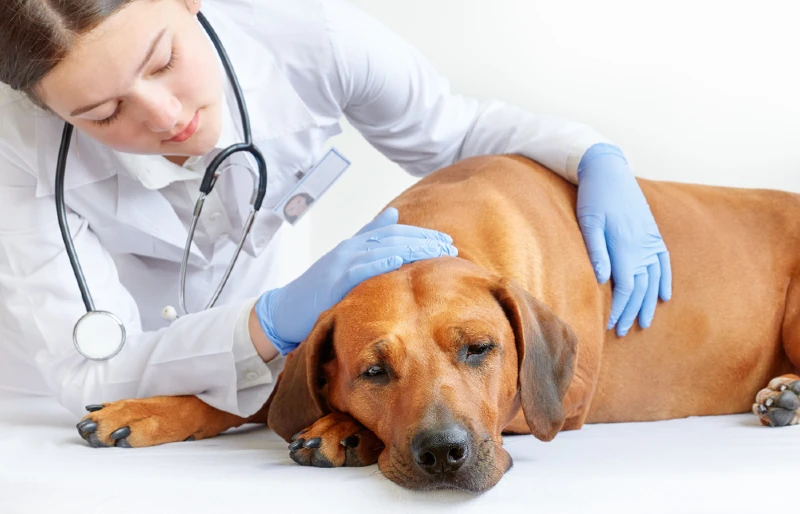
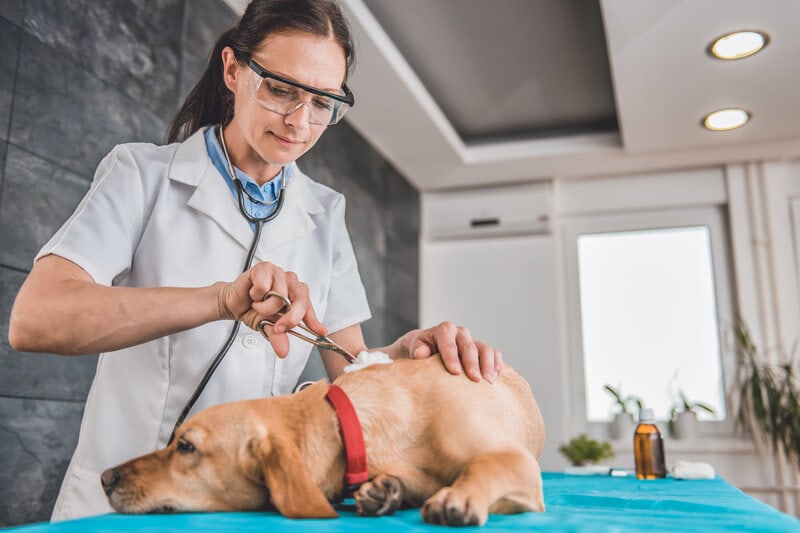
If your dog appears unharmed after being hit by a car, it’s certainly still worth getting them to the veterinarian for a check-over and some pain relief. Dogs are stoic, and it can be hard to notice signs of pain. Additionally, some injuries won’t be visible to the naked eye. Lung contusions, bruising, tooth injuries, and torn nails can be hard to identify without veterinary attention.
What Injuries Occur to Dogs Hit by Cars?
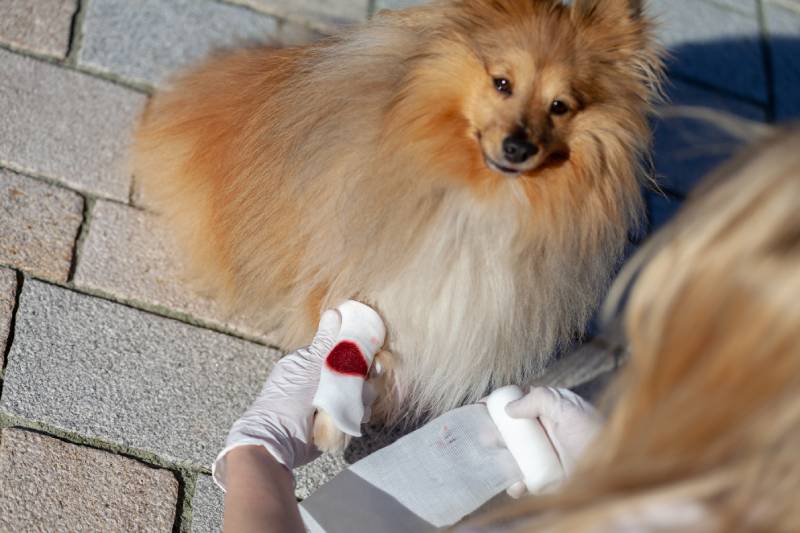
There is a wide spectrum of outcomes. In some cases, bones such as those of the limbs, jaws, or hips are fractured. Internal injuries such as lung contusions, diaphragmatic hernias, and ruptured bladders are also possible. Scuffed or detached nails and skin injuries are common.
In some lucky patients, no injuries are sustained at all. In the worst-case scenario, dogs have died either at the time of impact or before arriving at the vet.

Final Thoughts
While we hope you never have to experience it, a dog hit by a car should always be considered an emergency. There are a number of possible outcomes, ranging from mild injuries to life-threatening ones. Firstly, remain calm and contact a vet clinic straight away. Handle your dog with care and minimize unnecessary movement.
And always maintain communication with your dog, your driver, and your vet clinic.
Sources
Featured Image Credit By: Kazantseva Olga, Shutterstock
Get Hepper In Your Inbox


Pet care tips from our vets and experts, straight to your inbox.
You may opt-out at any time. View our Privacy Policy for more information.
Joe is a veterinarian from Sydney, Australia and has two beautiful Golden Retrievers who love the ocean as much as he does. Joe completed his Bachelor of Veterinary Biology and Doctor of Veterinary Medicine at the University of Sydney in 2020, and his areas of particular interest include internal medicine, wound management and oncology. His passion for veterinary medicine comes not only from helping pets, but also from helping their owners and working with wonderful teams of people. When he's not working, you can find Joe exercising, cooking, and exploring Australia’s wilderness. He has worked for 2 years at a busy mixed practice on New South Wales’ mid-north coast, treating animals of all sizes.
Joe is a veterinarian from Sydney, Australia. He has two beautiful Golden Retrievers who love the ocean as much as he does. When he's not working, he can be found exercising, cooking, and exploring Australia’s wilderness.
Education
Joe received a Bachelor of Veterinary Biology and Doctor of Veterinary Medicine from the University of Sydney in 2020.
Experience and Interests
Joe has worked for 2 years at a busy mixed practice on New South Wales’ mid-north coast, treating animals of all sizes. The areas of particular interest to Joe include internal medicine, wound management, and oncology. His love for the profession comes not only from helping pets but also from helping their owners and working with wonderful teams of people.
Join the conversation
Ask a question, share your story, or send private feedback.