Hepper is reader-supported. When you buy via links on our site, we may earn an affiliate commission at no cost to you. Learn more.
Dog Snow Nose: What Is It? (And What to Do About It)
In this article
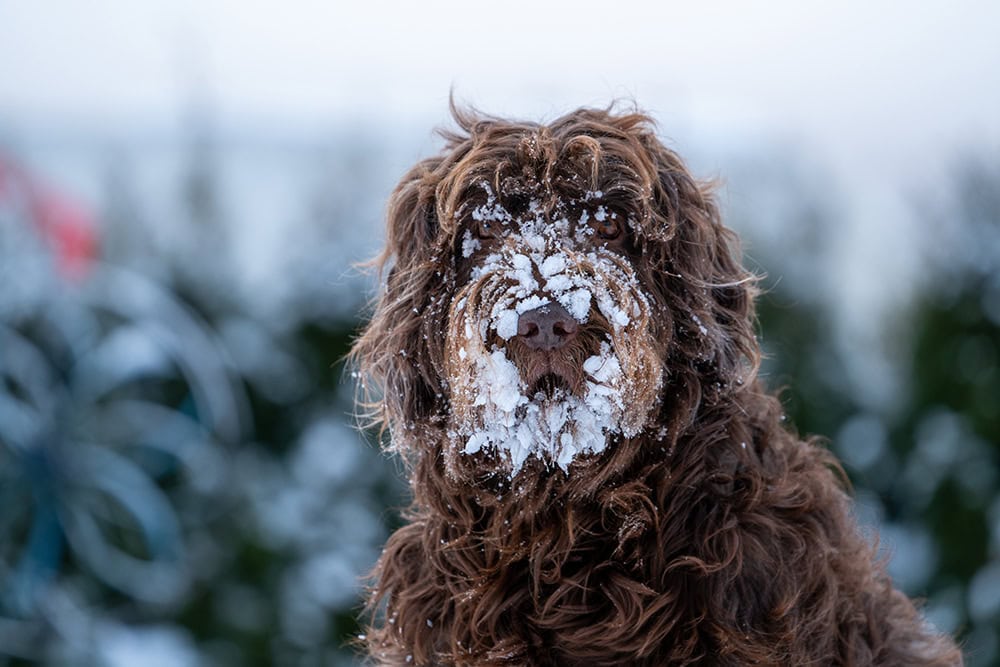
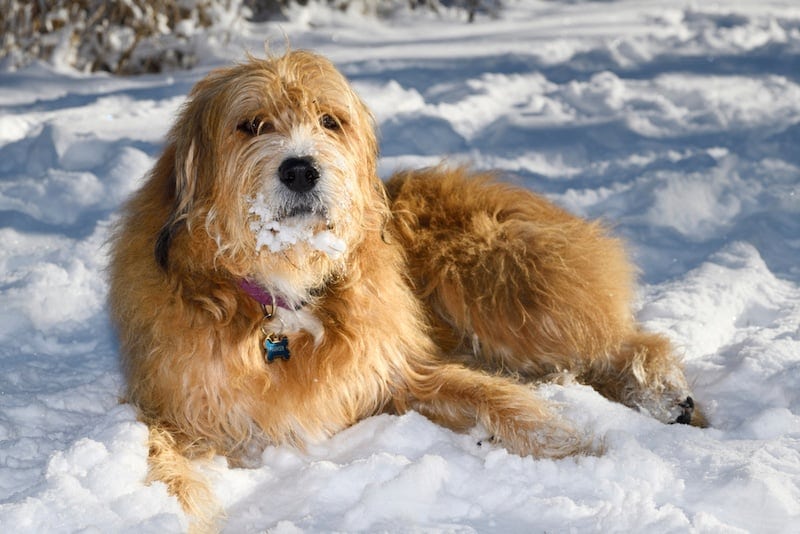
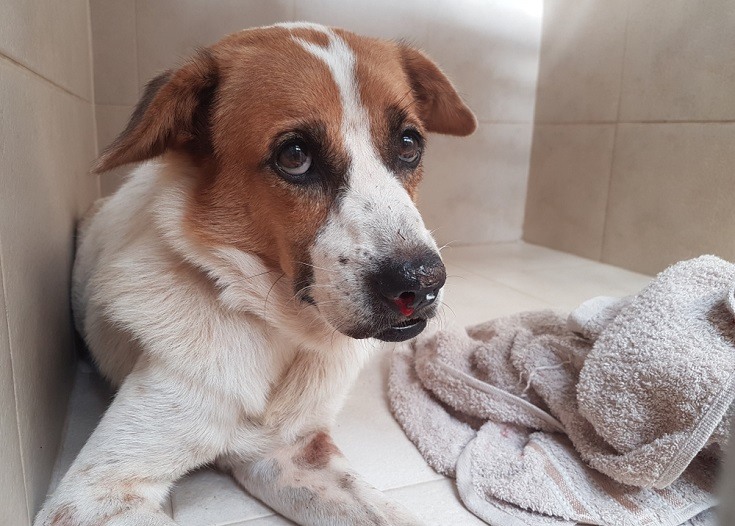
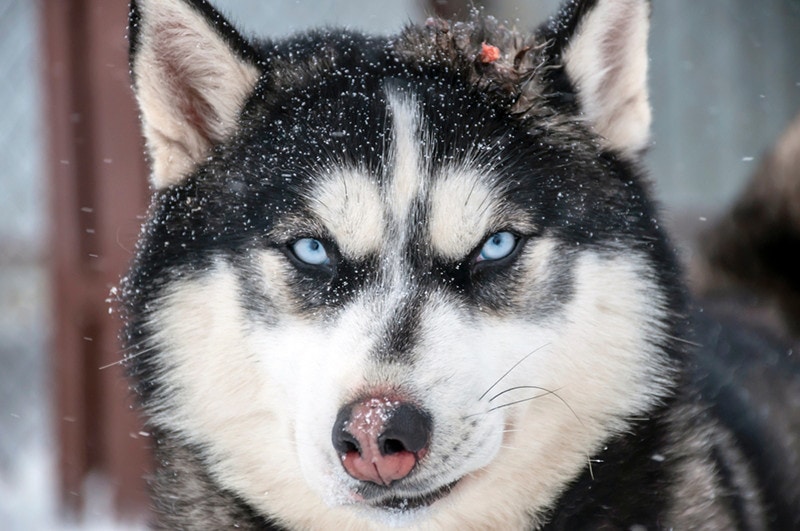
Winter brings all sorts of changes. The temperature drops and snow often begins to cover the ground. People dress warmer, and your dog's coat will thicken and become fuller. One thing you may not have anticipated, though, is the color change on your dog's nose. If you've noticed your dog's black/brown nose change to a lighter brown or pink, they may have snow nose. As strange as this change might be, it isn't harmful to your dog, and it is usually a temporary condition that doesn't come with any other symptoms.
We know how valuable your dog is to you, and any unusual change in their behavior or appearance can cause you to worry about them, so we're going to discuss what this condition is, what causes it, and address a few questions you may have about it, so keep reading!

What Is Dog Snow Nose?
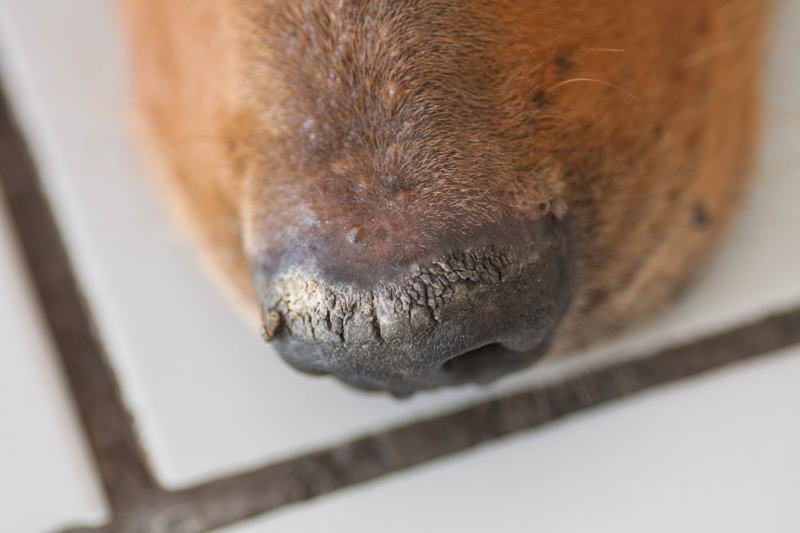
Dog snow nose is also commonly referred to as "winter nose," but medically, it is called "hypopigmentation." It is a condition where a dog's nose, which is usually dark in color, loses pigment and turns pale. In some cases, the whole nose will become pale, but it will usually look like a pale strip down the middle of the dog's nose, or it could appear spotty.
Dog snow nose is a cosmetic condition that isn't suggestive of an underlying health condition or something to be concerned about, so you can relax knowing that although your dog's nose may look different, they are fine.
This condition usually isn't permanent, and your dog's nose will likely regain its original color once the weather becomes warmer. However, if there are other symptoms with the change of color on your dog's nose, such as texture or moisture changes, that might be a sign that something isn't right, and you should take your dog to be examined by a vet.
What Are the Signs of Dog Snow Nose?
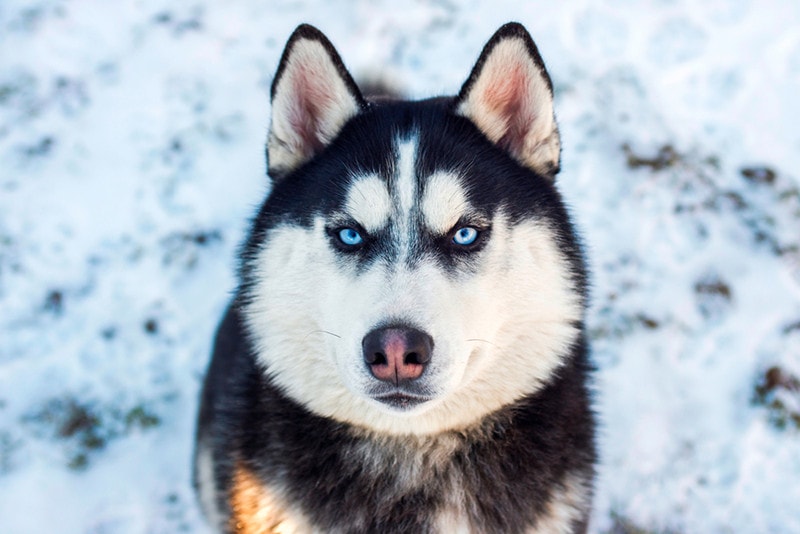
Other than your dog's nose fading in color and changing to light brown or pink, there are no other signs of this condition. If there are other symptoms, your dog probably doesn't have dog snow nose but a different health condition entirely, or they may have dog snow nose in conjunction with another health issue. Any changes to your dog's nose other than a pigment change are enough of an indication that they need to be seen and diagnosed by a vet.
Your dog could be one of those that experience dog snow nose every year, as the weather gets colder and the days become shorter, or they may be one of those that never regain their dark-colored nose again. Either outcome is harmless.
What Are the Causes of Dog Snow Nose?
Unfortunately, there is no definitive cause of dog snow nose. Little research has been done to pinpoint an exact cause due to the condition being cosmetic and not harmful to the dogs that are affected by it. It doesn't impact the quality of a dog's life, and the only party who may have a problem with it is the owner.
Dog snow nose usually affects dogs in winter seasons when the temperatures are low and the days are short, and then darkens once more when the days are longer, and the temperatures are warmer. Because of this, it was believed that the drop in temperature was to blame for the condition, hence the name "dog snow nose" or "winter nose." However, this condition can also affect dogs during summer and in warmer climates, so the temperature and length of daylight cannot be the only contributing factors.
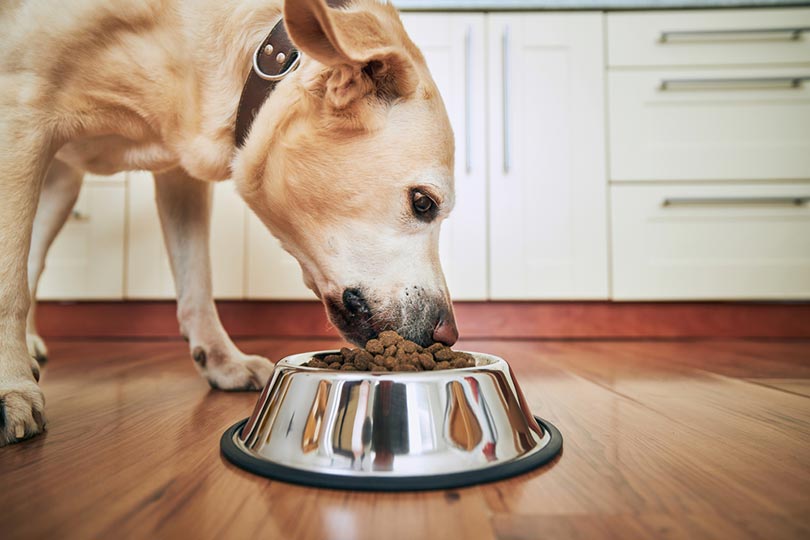
Another theory is that this condition is caused by the enzyme "tyrosinase," being temperature sensitive, but why the condition only presents itself in certain dogs is unknown. Others believe that the pigment change could be a result of a chemical reaction from eating out of a plastic bowl, and dogs with the condition may regain their dark nose once their plastic bowls are swapped for ceramic or stainless-steel options.
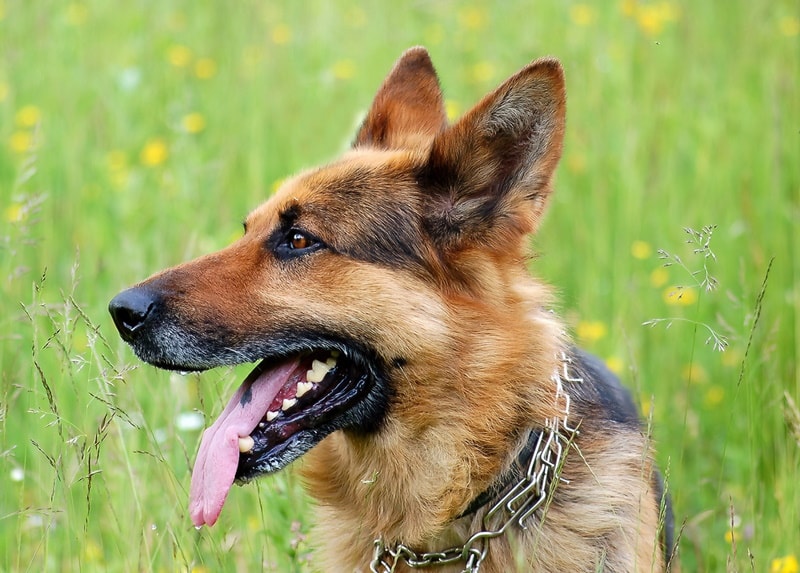
Although dog snow nose can affect any dog breed, there are a few breeds that seem to get it more than others. Labrador Retrievers, Golden Retrievers, Bernese Mountain Dogs, and Siberian Huskies are among the breeds that are commonly affected.
There are several theories flying around about what causes dog snow nose in our canine friends, but at the end of the day, no one knows the exact cause and probably won't until more research is done on the condition.

Can Other Conditions Present as Dog Snow Nose?
We know that dog snow nose isn't harmful to dogs, and their dark pigmentation should return. However, if your dog's nose changes in color, texture, or moisture, it could be an indication of an underlying health condition that has nothing to do with dog snow nose.
Vitiligo isn't very common, but it can cause pigment loss in your dog's nose. However, their nose won't be the only affected area as they may develop white patches over their body and fur. Thankfully, this condition also isn't painful or harmful to dogs and is often hereditary, although it may also be the result of an autoimmune disease.
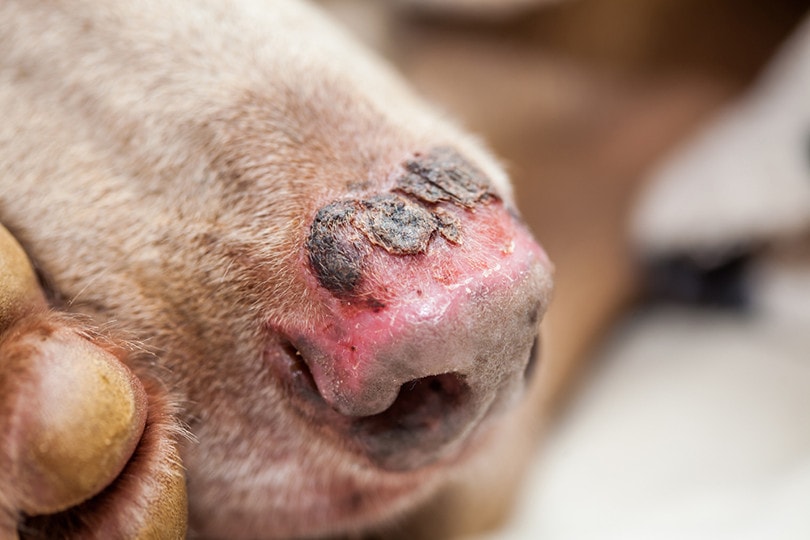
The loss of pigment in a dog's nose can also be caused by Discoid lupus erythematosus, which is an autoimmune disease. However, the change in nose color won't be the only sign of this disease, as scabbing and crusting will develop on the dog's skin and nose area too.
Another autoimmune disease that affects the skin and nose is Pemphigus, which can be caused by chronic skin allergies and even cancer. This disease can cause hair loss, open sores, and scabs around a dog's body, including their nose. In more severe cases, fluid-filled blisters will develop.
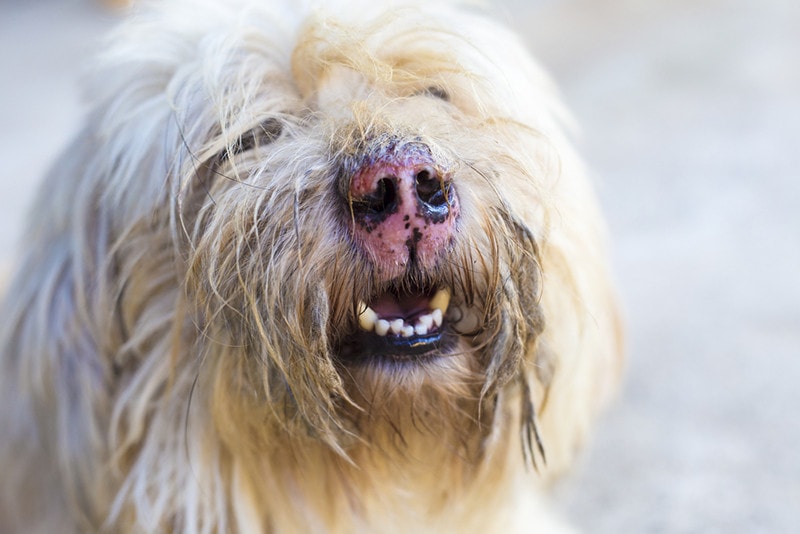
If your dog's nose has lost pigmentation, don't assume that it is dog snow nose without first ruling out other possibilities. Instead, look for other symptoms, as you don't want to miss signs of something more serious. Don't hesitate to take your dog to a vet if you also notice that the texture on their nose has become smooth, their nose has become dry, cracked, or raw, has open sores, is bleeding, or has become crusty.

Frequently Asked Questions
How Do I Care for a Dog with Snow Nose?
If your dog has snow nose and you're sure that they don't have any other symptoms, they don't need to be treated by a vet because the condition isn't harmful, and there is nothing that can be done to restore the pigment loss to your dog's nose. However, the loss of pigment will make your dog's nose more vulnerable to the sun and the damage it can cause, even in the winter months. You can protect your dog's pale nose by applying dog-friendly sunscreen to it daily.
Can It Be Prevented?
There is no known cause for dog snow nose and, therefore, there are no treatment or prevention options available. You may just need to accept the cosmetic change in your dog and continue to care for them the same way you would without the condition. Changing your dog's plastic bowl to a stainless steel one is a way to possibly prevent the condition, but there is no hard evidence that it will make a difference.
Is Snow Nose Permanent?
Snow nose usually isn't permanent, but it can be for some dogs. For others, the pigment may come back when the weather warms up in the summer and fade again as the temperature drops once more for winter. The process may repeat itself every year, but there is no way of predicting how it will affect your dog.
Conclusion
Dog snow nose is a harmless condition that affects many dogs. It was believed to be caused by cold temperatures, but dogs in warmer climates can be affected by this condition too. There are differing theories as to what causes dog snow nose, but due to the little research that has been done, there is no known cause. What is certain is that it is harmless and doesn't come with any other symptoms. If your dog has a loss of pigment in their nose as well as other symptoms, you need to take them to the vet as it could be an indication of an underlying health condition.
Sources
https://www.petmd.com/dog/general-health/vitiligo-dogs-and-cats-everything-you-need-know
https://www.petmd.com/dog/wellness/what-dog-snow-nose-and-what-can-you-do-about-it
https://www.dailypaws.com/dogs-puppies/health-care/dog-conditions/dog-snow-nose
https://www.whole-dog-journal.com/health/snow-nose-on-dogs-is-real/
https://www.hillspet.com/dog-care/behavior-appearance/dog-snow-nose?lightboxfired=true#
https://www.akc.org/expert-advice/health/loss-of-pigmentation-in-dogs/
Featured Image Credit: Kyliki, Shutterstock
Get Hepper In Your Inbox


Pet care tips from our vets and experts, straight to your inbox.
You may opt-out at any time. View our Privacy Policy for more information.

Keri-Beth is from South Africa and is a freelance writer who specializes in the pet niche. She has grown up with a range of pets, volunteered at countless pet shelters, and is highly passionate about pet care. Currently, Keri-Beth is raising two dogs - Benji, the Golden Cocker Spaniel, and Gracie, the Boerboel. With so much information out there, Keri-Beth has made it her mission to make pet care as easy and straightforward as possible.
In her spare time, Keri-Beth enjoys camping, photography, and spending time with her husband, who is a professional drummer. She not only has a heart for pets but people too.
Join the conversation
Ask a question, share your story, or send private feedback.