Hepper is reader-supported. When you buy via links on our site, we may earn an affiliate commission at no cost to you. Learn more.
Dog’s Nose Changing Color: Should I Worry? Vet-Approved Advice


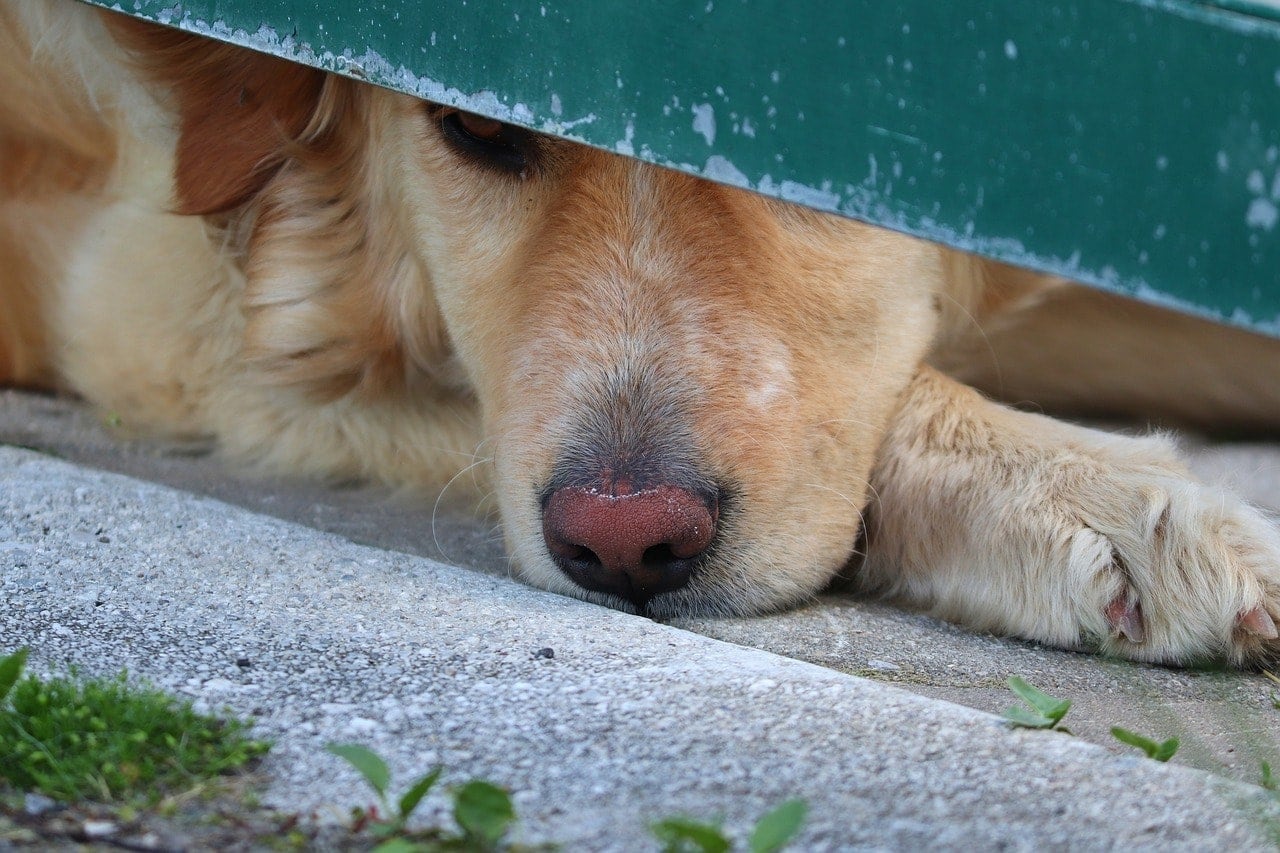
As loving dog owners, it’s very easy to get caught up in small changes to your dog’s appearance. Each little change could possibly mean there’s an underlying concern that you should know about. But some changes are perfectly normal and are not cause for concern at all. The problem is, how do you know which is which?
If you’ve noticed your dog’s nose has changed colors, you might be feeling some concern. Whether it’s gone from black to pink, pink to black, or any other color changes, it could be caused by one of several different conditions.
More than likely, it’s not a major problem as there are normal reasons why your dog’s nose could change colors. Still, there are some underlying reasons for a change in nose color that could require veterinary attention. So, it’s best to cover all of your bases and at least understand the causes of dog noses changing color.

The 10 Reasons Your Dog’s Nose Is Changing Color:
There are many reasons that your dog’s nose could change color. Some of them occur naturally in lots of dogs and they are not cause for concern. However, some conditions that can cause your dog’s nose to change colors could be detrimental to your dog’s health, and you’ll want to know as early as possible so you can get veterinary attention for your canine and prevent health concerns from becoming full-blown medical emergencies.
1. Old Age
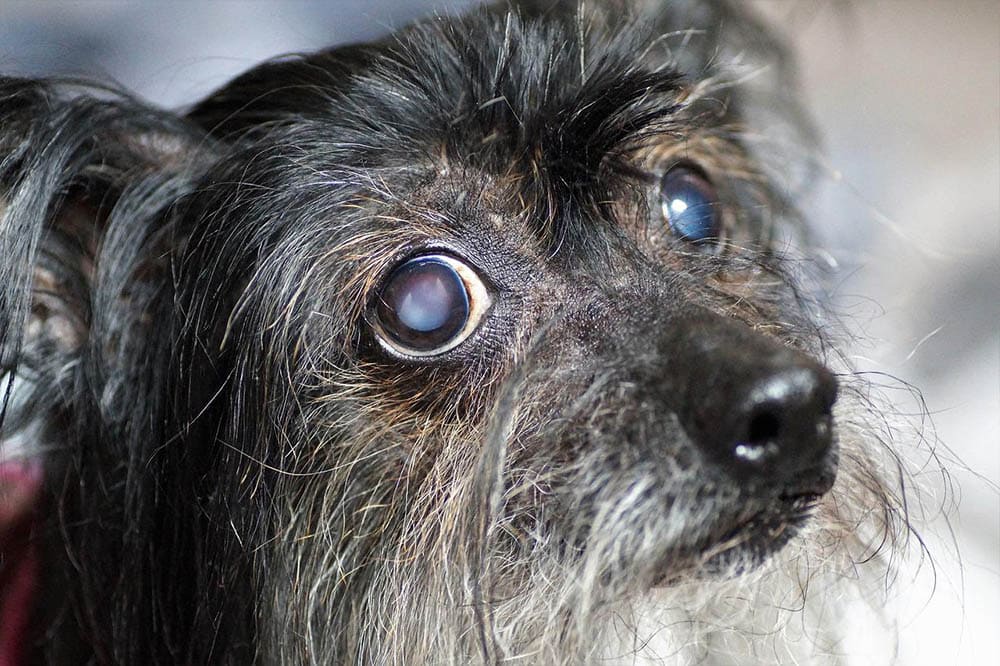
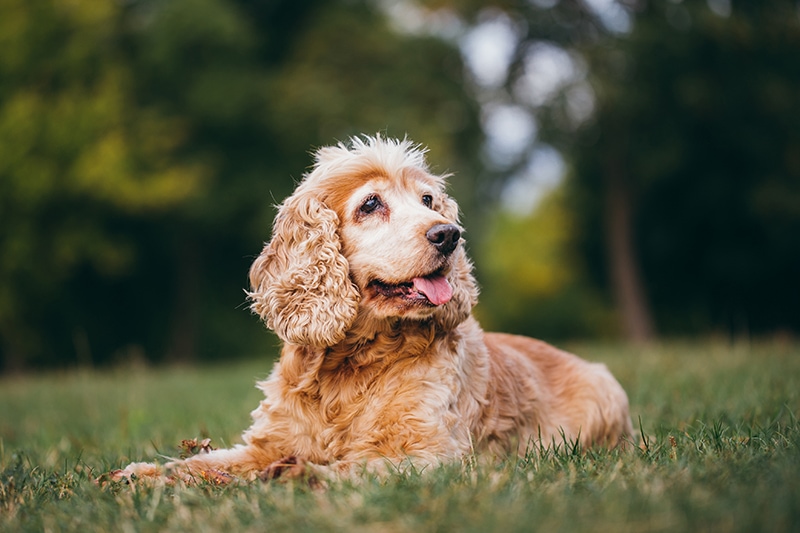
One of the most common reasons for a dog’s nose to change colors is that it's aging. The pigment in your dog’s nose is likely to change as it ages, which can either cause a dark nose to turn to a lighter color or vice versa. This can happen in dogs as young as 3–4 years old, though it often sets in during the more senior years.
2. Injury
Injuries to the outside of the nose such as cuts and abrasions can cause the nose to turn pink while it heals, though the original color should return once the injury is fully healed.
3. Weather (Snow Nose)
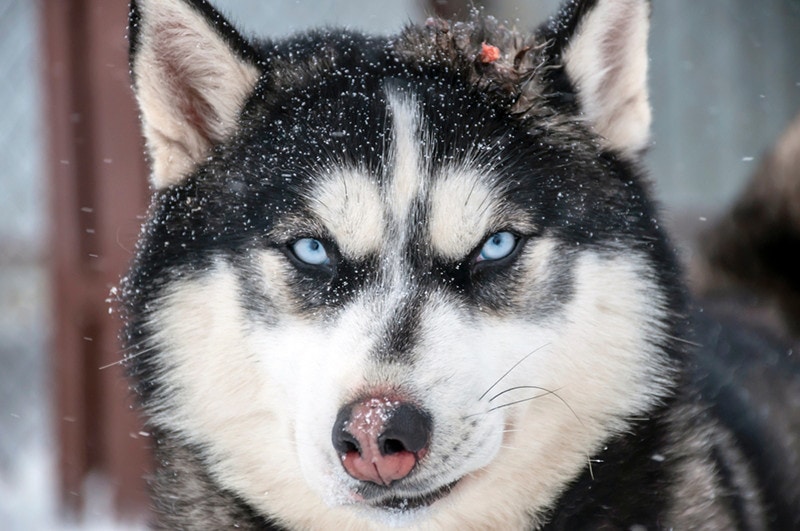
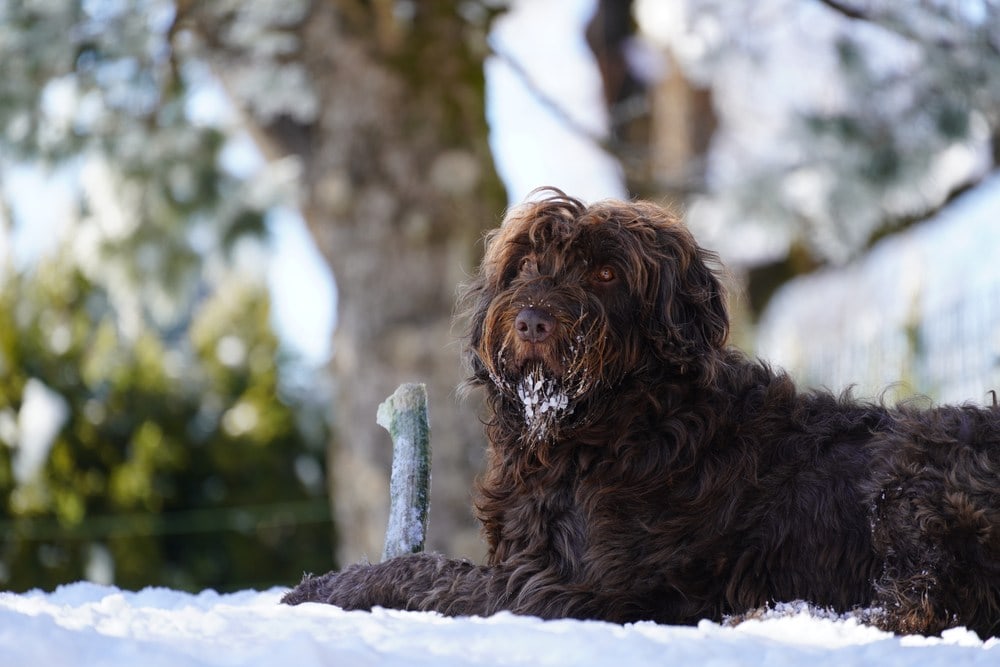
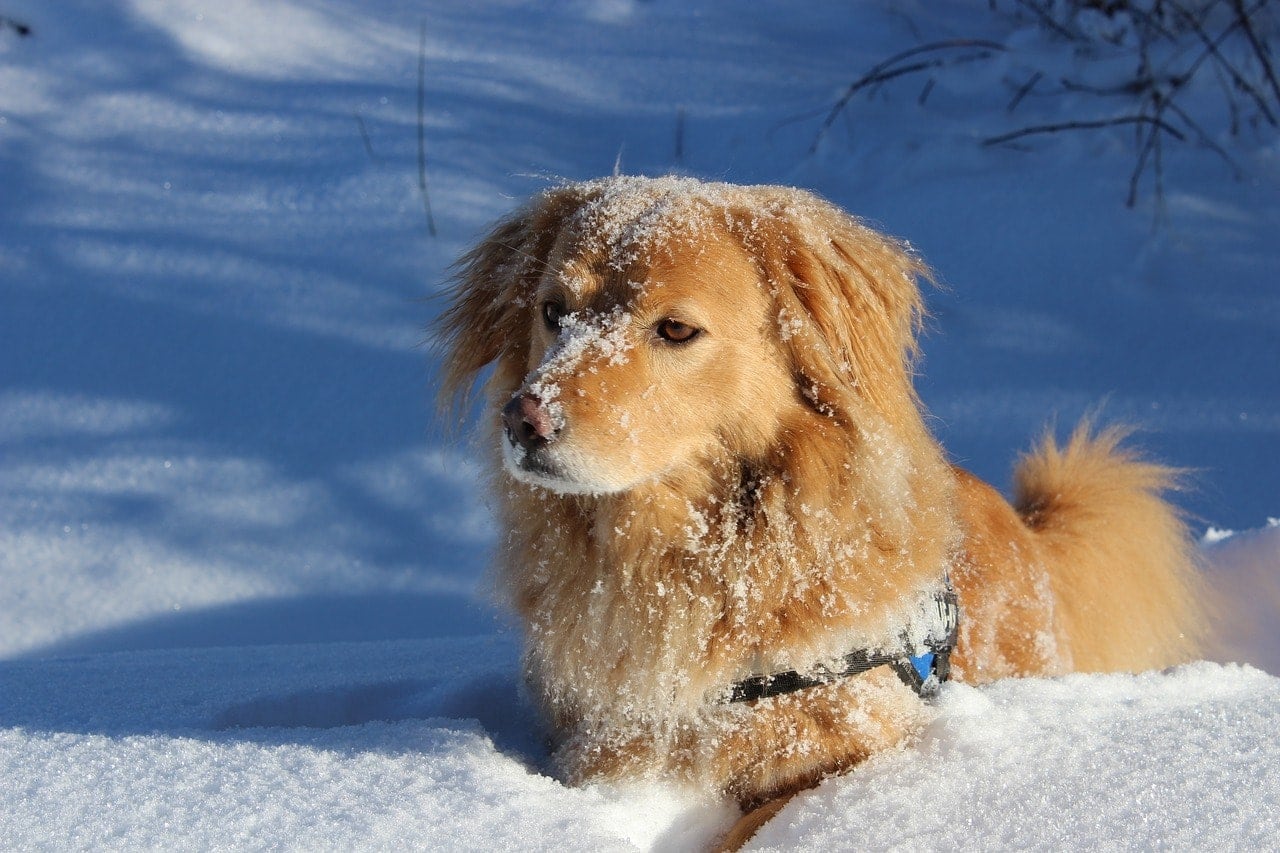
If you notice that your dog’s nose changes from a dark color to a lighter one when the temperature drops, then it’s something known as a snow nose. It’s not really a condition, as it happens naturally to many dogs in cold climates. Particular breeds are more susceptible to snow nose, including Golden Retrievers, Labrador Retrievers, Huskies, and Shepherds.
4. Contact Dermatitis
If a dog’s nose comes into contact with something irritating or something that the dog is allergic to, the result can be a change in color. Usually, this will be accompanied by some other clues, such as a swollen or crusty nose. As this may be itchy, your dog might also resort to licking its nose more often.
This can even be caused by your dog’s food bowl sometimes as some dogs are allergic to certain kinds of plastic and rubber. In such cases, switching to a bowl made of stainless steel, ceramic, or silicone may help your dog.
5. Nasal De-pigmentation (Dudley Nose)
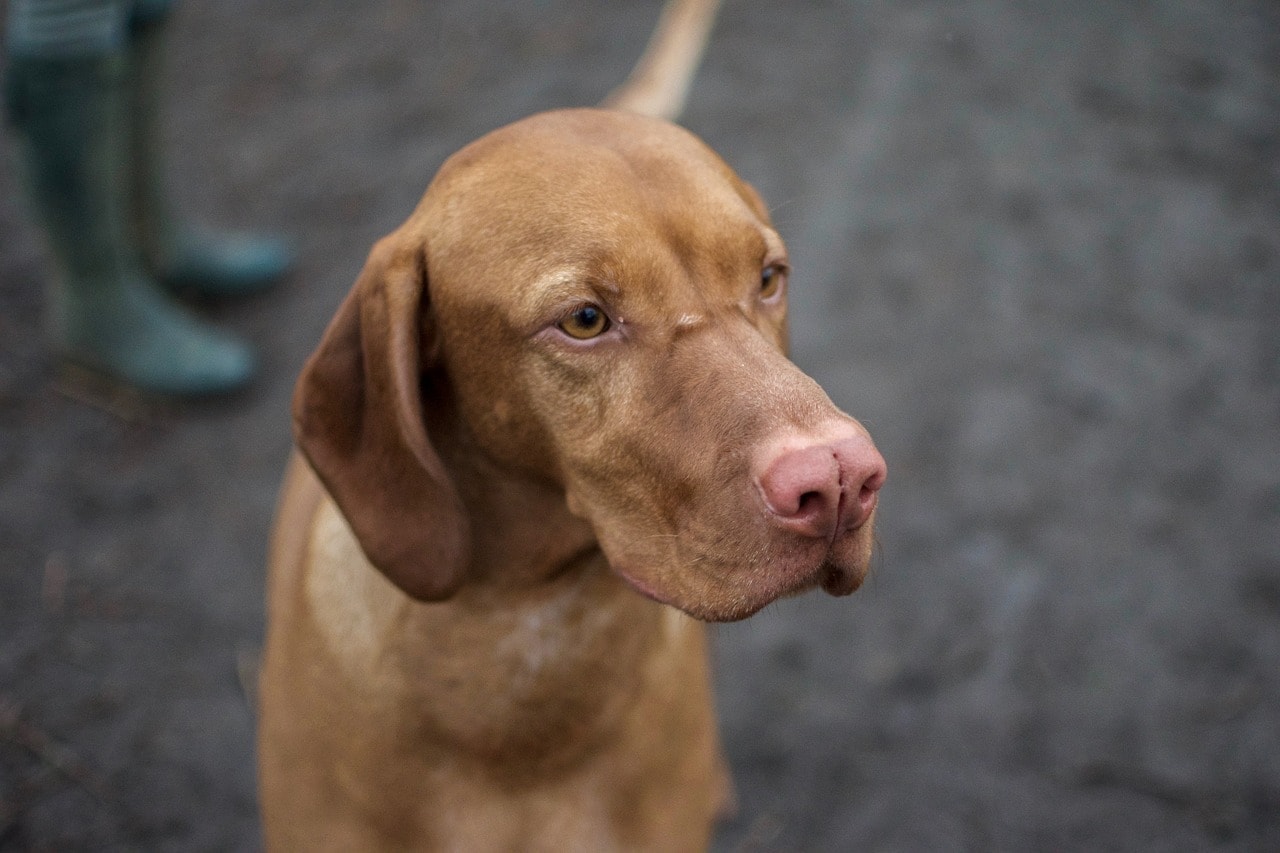
Sometimes, a dog’s nose appears pink and doesn’t match the rest of the dog’s coat. This is a condition referred to as Dudley nose, Rose nose, or Butterfly nose, though the proper term is nasal de-pigmentation. This happens due to a genetic defect that affects the pigmentation of a dog’s nose. The nose may appear partially or completely white or pink. Breeds most likely to experience Dudley nose include Irish Setters, Pointers, Poodles, Doberman Pinschers, Afghan Hounds, Golden Retrievers, Samoyeds, and White German Shepherds. Unlike Snow Nose, this condition isn’t reversible, as the defect is genetic.
Because a Dudley nose lacks pigmentation, dogs with such a nose are at greater risk of skin cancers associated with prolonged exposure to the sun. If your dog has a Dudley nose, you should avoid excessive sunlight exposure and use sunscreen on your dog to minimize this risk. Owners of dogs intended for show purposes should note that some breeds can be disqualified from shows if they have a Dudley nose.
6. Flu
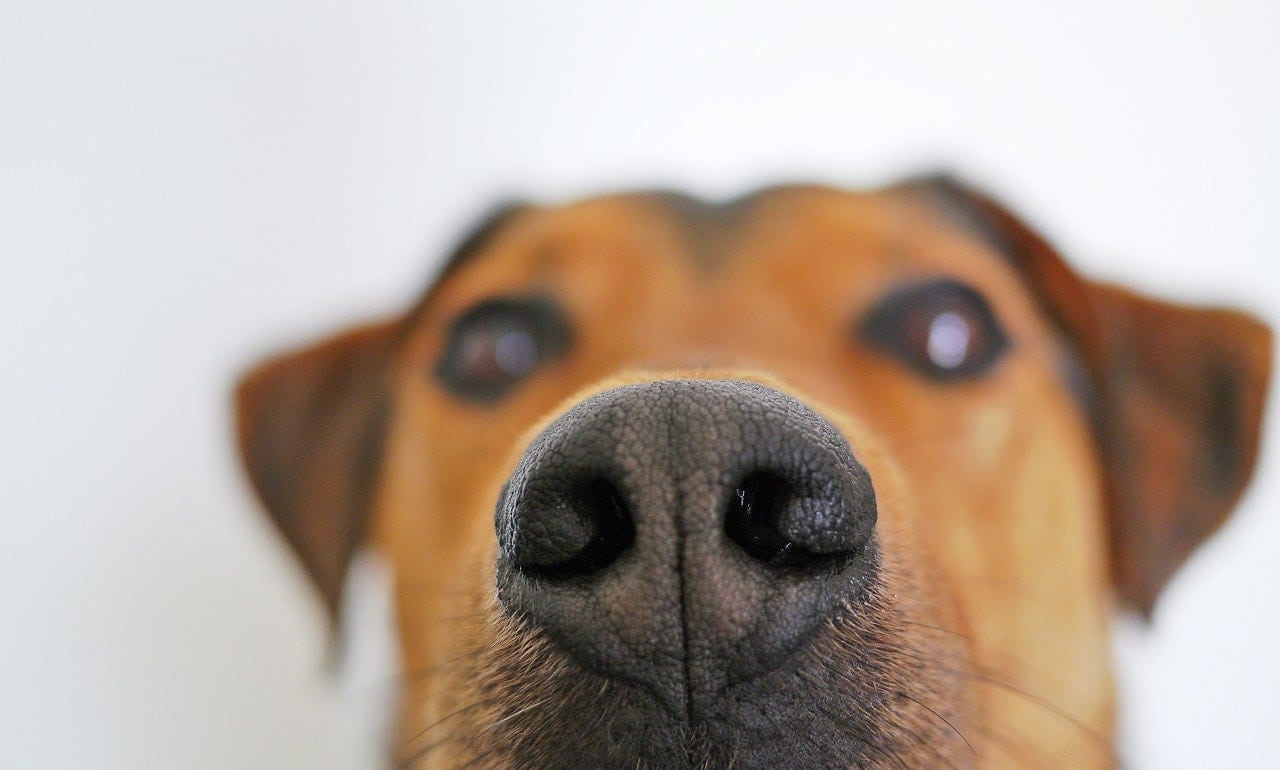
When your dog has the flu, it may cause a change in his or her nose color. This is usually because of the inflammation that happens around the nose with the flu. You’ll probably notice that your dog’s nose looks swollen, crusty, sore, and in a generally unhealthy condition. There may also be a clear or mucus-like discharge from one or both of your dog’s nostrils.
If you notice these signs and think an infection might be to blame, you should contact your veterinarian for further assistance. Under normal circumstances, the nose returns to its normal color and appearance once the flu resolves.
7. Pemphigus
This is an immune-related skin disorder in which your dog’s immune system attacks its own skin. As such, the nose may be affected as well, resulting in a nose that appears different in appearance. As this is an auto-immune disorder, treatment is often long-term and involves using medication to suppress the immune system of the dog. Depending on the type of pemphigus, the signs of the disorder may reverse. The prognosis for this disorder is given by your vet and varies from one dog to another.
8. Vitiligo
Vitiligo is a condition where the skin gradually loses pigmentation. This condition can also occur in humans. It can affect your dog’s entire body, not just the nose. Once a dog’s skin starts turning white from vitiligo, the condition isn’t reversible. However, a dog with vitiligo is still perfectly healthy; this condition only affects its appearance. It may have several causes but happens when the pigment-producing cells of the skin, called melanocytes, are destroyed. Dachshunds, Doberman Pinschers, Rottweilers, Labrador Retrievers, and German Shepherds are some of the breeds most susceptible to vitiligo.
9. Discoid Lupus
Similar to pemphigus, discoid lupus is an immune-related skin disorder that causes sores to appear on and around your dog’s nose. However, unlike pemphigus, Discoid Lupus often begins at or around a dog’s nose. Discoid Lupus tends to worsen with exposure to sunlight and cigarette smoke and may also have a hereditary component. Like pemphigus, it is often managed medically with medicines that suppress the immune system and sometimes with topical medications as well.
10. Cancer
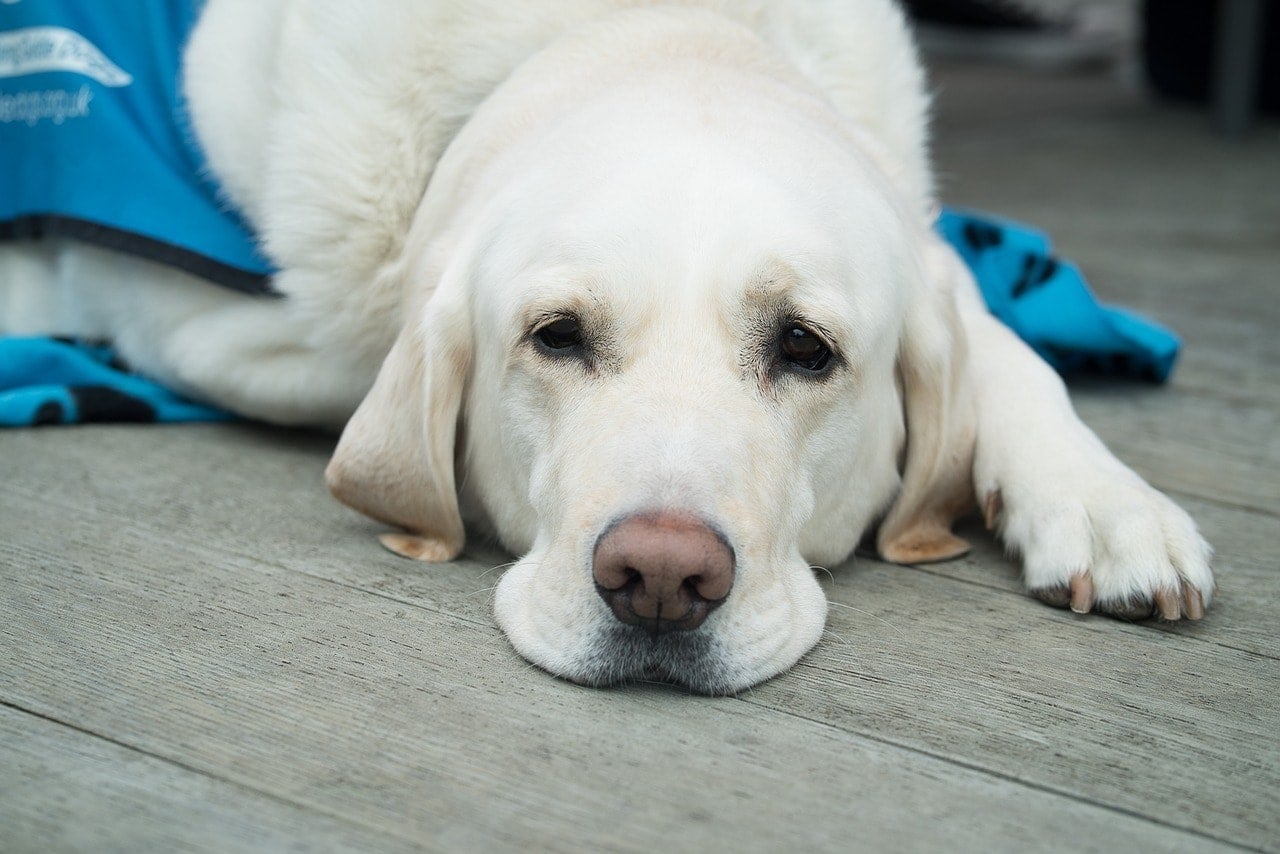
Nose or skin cancers that involve a dog’s nose or spread to it can cause also cause color changes. Dogs with light noses (pink or white) or depigmented noses, such as Dudleys, are vulnerable to sunburn and skin cancer. Take care to apply sunscreen to light-colored noses to prevent such issues and avoid excessive sunlight exposure. It is often best to walk these dogs at times when sunlight isn’t strong, such as around dawn and dusk.
The diagnosis, treatment, and prognosis of cancers in dogs depend on a multitude of factors, including your dog’s age, the type of cancer, whether or not it has spread to other parts of the body, and the chemotherapy and surgical options available for your dog. Such cases are handled on an individual basis. In most cases, cancers that are detected earlier can be managed better than those that are detected late.
Conclusion
If you're wondering why your dog's nose is changing color, we hope you've found an answer! Just because your dog’s nose has changed colors doesn’t necessarily mean you need to be worried. Generally speaking, the most likely reasons for the change are the weather and old age. These are harmless causes of changing nose colors that many dogs go through. At other times, dogs are born with unusually-colored noses.
However, this change in color could also be because of health complications, such as vitiligo, lupus, flu, or cancers. If you feel that your dog might have one of these underlying conditions, it is best to contact your veterinarian and get a professional opinion right away.
Featured Image Credit: Pixabay
Get Hepper In Your Inbox


Pet care tips from our vets and experts, straight to your inbox.
You may opt-out at any time. View our Privacy Policy for more information.
A true Renaissance man, Dean Eby has worked a variety of hands-on careers, including home building and remodeling, personal training, and now shares his experiences and understanding as a writer. An avid outdoorsman, Dean spends much of his time adventuring through the diverse terrain of the southwest United States with his closest companion, his dog, Gohan.
For Dean, few passions lie closer to his heart than learning. An apt researcher and reader, he loves to investigate interesting topics such as history, economics, relationships, pets, politics, and more.
Join the conversation
Ask a question, share your story, or send private feedback.