Hepper is reader-supported. When you buy via links on our site, we may earn an affiliate commission at no cost to you. Learn more.
Dog is Barking at Another Dogs While Walking? Here's What to Do


In this article
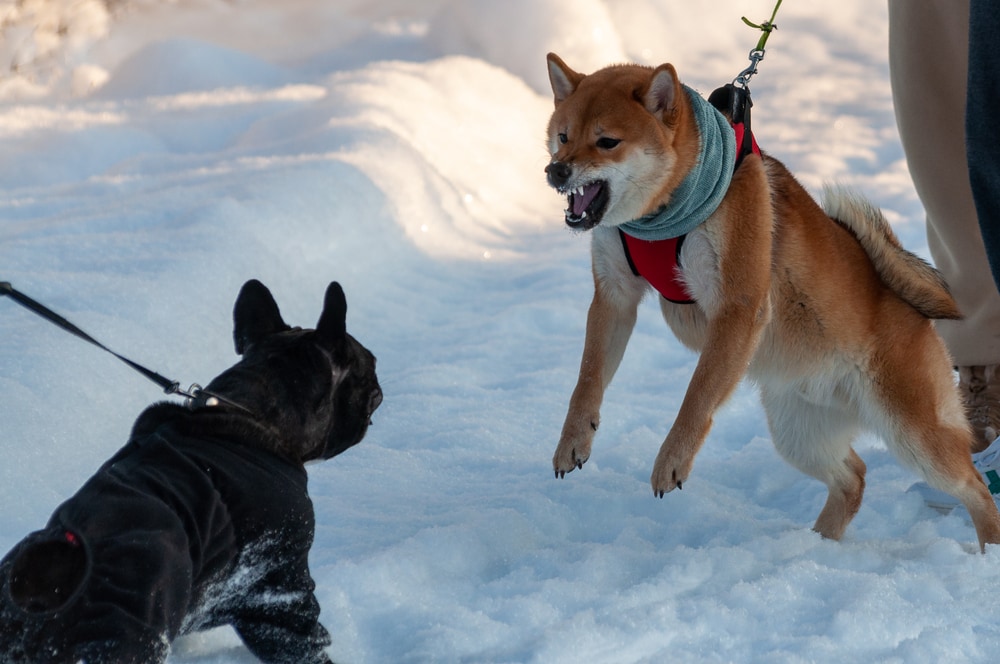
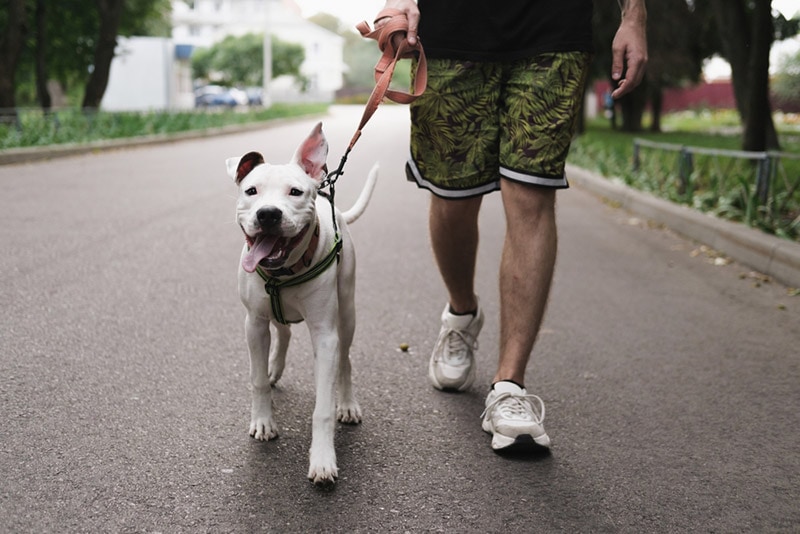
Having a dog that barks or lunges at other dogs can leave some pet owners feeling embarrassed and frustrated. We often don’t understand why our dogs have these meltdowns, nor do we know ways to fix the reactive behavior. Instead of punishing our dogs by refusing to take them for walks, there are methods for understanding why the behavior is happening and training them to correct it.

What is Dog Reactivity?
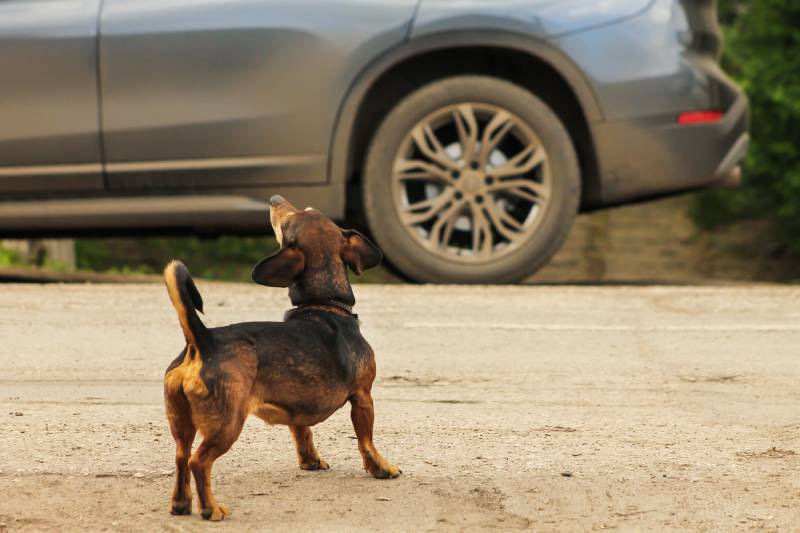
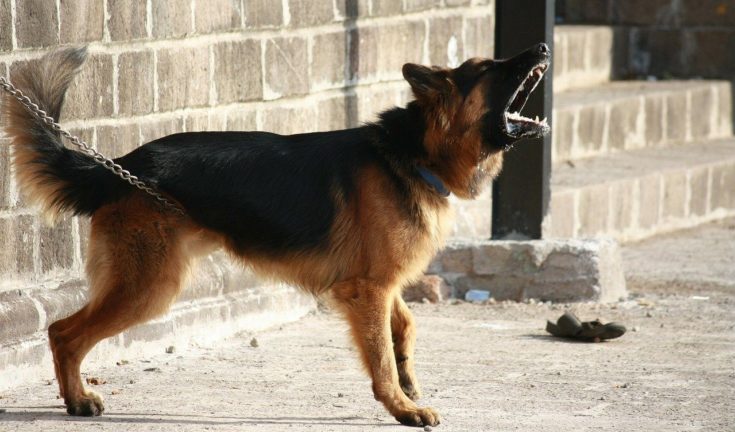
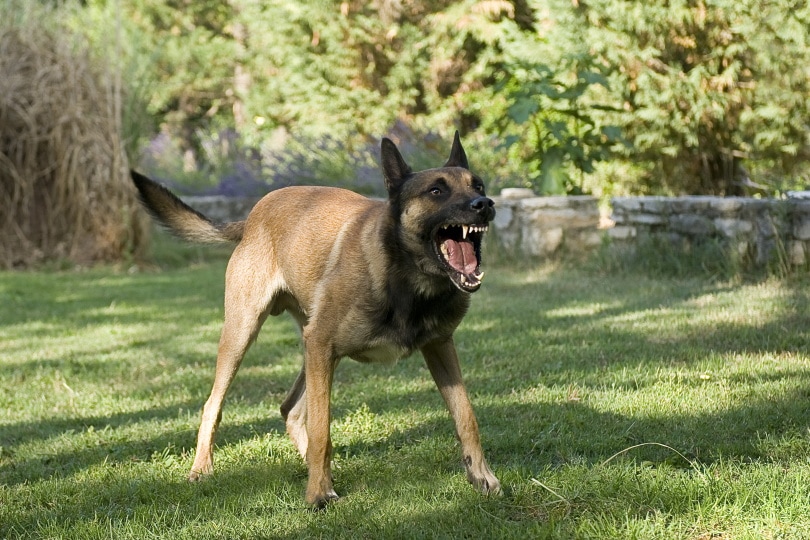
Professional dog trainers often use “reactivity” to describe any dog that overreacts to everyday situations. For example, your dog might be barking, growling, or lunging at other dogs, people, squirrels, cyclists, or vehicles. Take it as a sign that your dog is experiencing some intense emotions, and this is the only way that they know how to cope with them. Barking at other dogs could have given them what they wanted in the past, thus enforcing the behavior for the future.
If you need help training your dog, we suggest speaking with a vet.
Why Are Dogs Reactive?
Reactivity typically develops during adolescence. As dogs mature, they might grow bigger and stronger but also have a lot of new hormones and emotions that they’re dealing with. In the end, their behavior is stemming from one of two things:
1. Fear
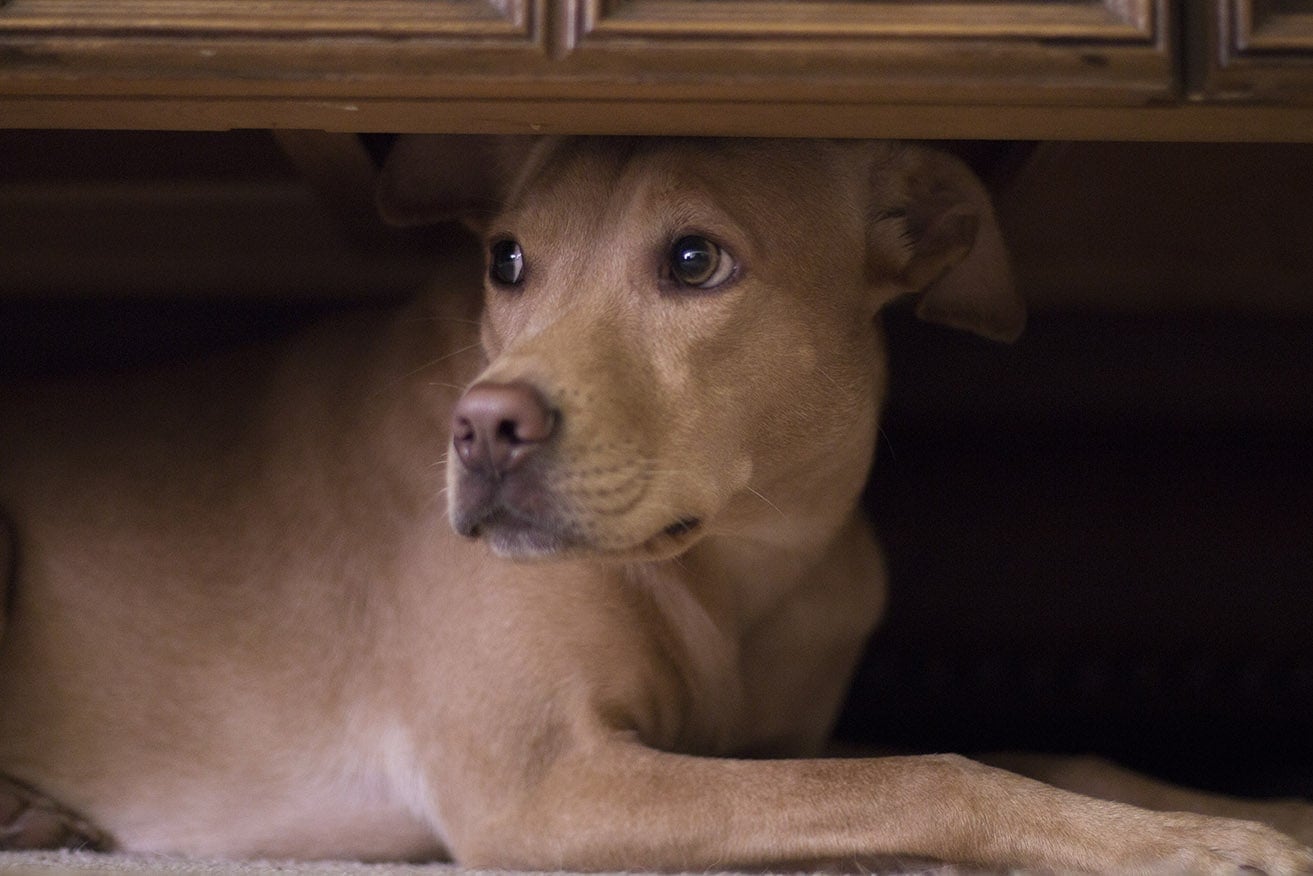
Your dog might be barking at other dogs while out on their walk because they fear them. If they’ve had limited socialization from a young age, then interacting with other dogs might be a negative experience for them. Barking at them is their best way of making the other dogs leave.
2. Frustration
Some dogs have had more than enough socialization but still bark at other dogs while out for a walk. This might be because your dog is used to meeting friends, and all they want to do now is go up and greet them. While it’s nice to think that your dog is only excited and trying to be friendly, it doesn’t mean we should allow them to bark and pull on their leash.
There are also situations where their behavior could be a combination of both fear and frustration. These mixed feelings can make your dog feel confused and could create further conflict.

The 4 Ways to Train a Dog to Stop Barking At Other Dogs
Do your best to avoid any training methods that punish your dog or make them uncomfortable. Many times, these training methods will only make the behavior worse.
1. Reduce Stress
One simple way to keep your dog from barking at other dogs is to reduce the stress they’re feeling. It’s unlikely that socializing your dog with a lot more dogs won’t help. Instead, take your dog for a walk at quieter times or in less high-traffic areas to avoid meeting any other dogs up close. Whenever you see another dog while out on a walk, try to move out of view of them or create as much distance between them as possible.
It is not wise to take your reactive dog to areas where they have a lot of high-intensity exercise, such as the dog park. You can’t know for sure how your dog will react to others in a confined area, but the vigorous activity also releases adrenaline and might make it harder for your pup to feel relaxed.

2. Management
One of the most important aspects of understanding your dog's behavior is to figure out what their triggers are and manage them when you can. What does your dog react to? How close are they to the trigger when they act out? Is there a specific breed, size, or sex that they act more intensely toward? These questions will help you better understand the behavior and avoid putting them in those triggering situations.
3. Ongoing Training
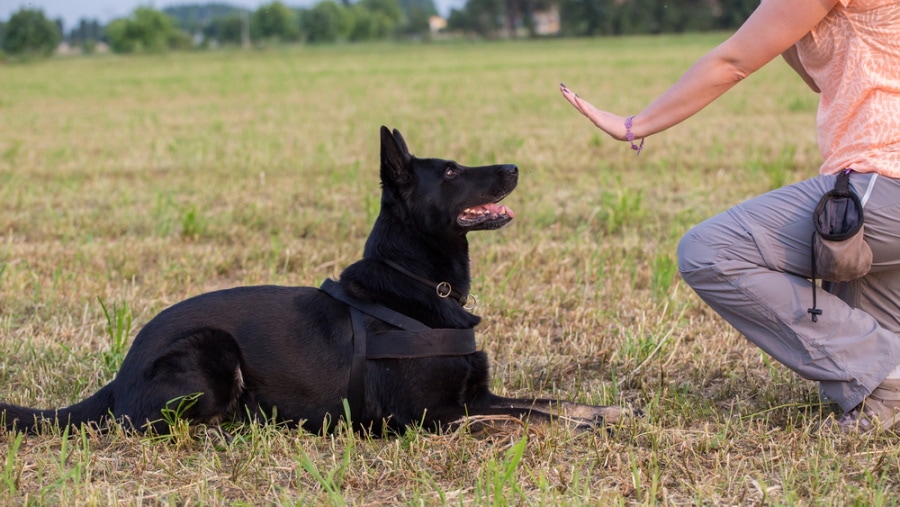
While some dog owners think that training stops after a certain point, we believe that no harm comes from continuous training. Take your dog out for a walk and keep a couple of their favorite treats in your pockets. When another dog starts to approach, get their attention and the treat before they start to bark and continue to do this as long as the dog is in view. If your dog starts barking, then the other dog might be too close, and you know for next time that you need to try the training from further away. It might not teach them not to bark, but it could teach them that it is rewarding to see other dogs.

4. Practicing Enrichment
Your dog’s behavior has a direct correlation to the kind of enrichment they get both physically and mentally. The more physical and mental stimulation you provide, the likelier it is that your dog remains calm in around other dogs. Anything that encourages chewing or licking is ideal for soothing your dog.

Final Thoughts
We know that changing your dog’s leash behavior is easier said than done. It takes a lot of time and persistence to fully grasp the situation and have effective results. Even though it isn’t ideal to have your dog bark at other dogs every time you go for a walk, try to understand that they are behaving this way for a reason and there is still hope for correcting it.
Featured Image Credit: cynoclub, Shutterstock
Get Hepper In Your Inbox


Pet care tips from our vets and experts, straight to your inbox.
You may opt-out at any time. View our Privacy Policy for more information.
Hallie has been a proud nature and animal enthusiast since she was a little girl. She attributes her passion for the environment and all its creatures to her childhood when she was showing horses on weekends and spending her weeknights devoting her attention to her pets. Hallie is happiest when she is playing with her two rescue cats, Chewbacca and Lena, and her dog, Clayton. When Hallie isn’t writing about animals, you can probably find her curled up on the couch read a good books or watching a documentary.
Join the conversation
Ask a question, share your story, or send private feedback.