Hepper is reader-supported. When you buy via links on our site, we may earn an affiliate commission at no cost to you. Learn more.
How Long Do Great Danes Live? Average Lifespan, Data & Care Guide
In this article
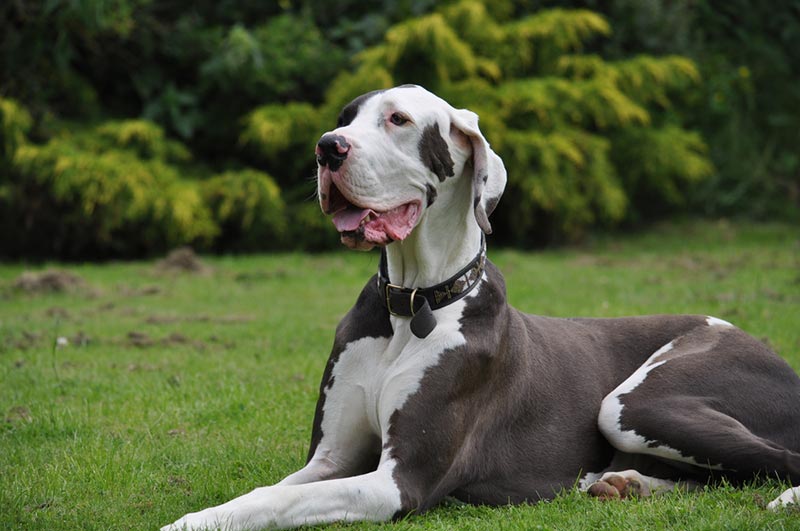
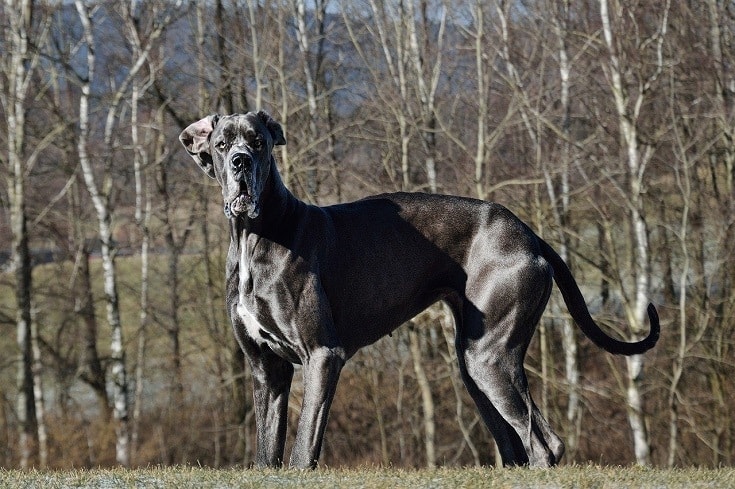
The moment that you see this dog, there’s no doubt that you’re looking at a Great Dane. They are instantly recognizable purely due to their size! These beautiful dogs might be intimidating to look at, but they are the epitome of a “gentle giant.”
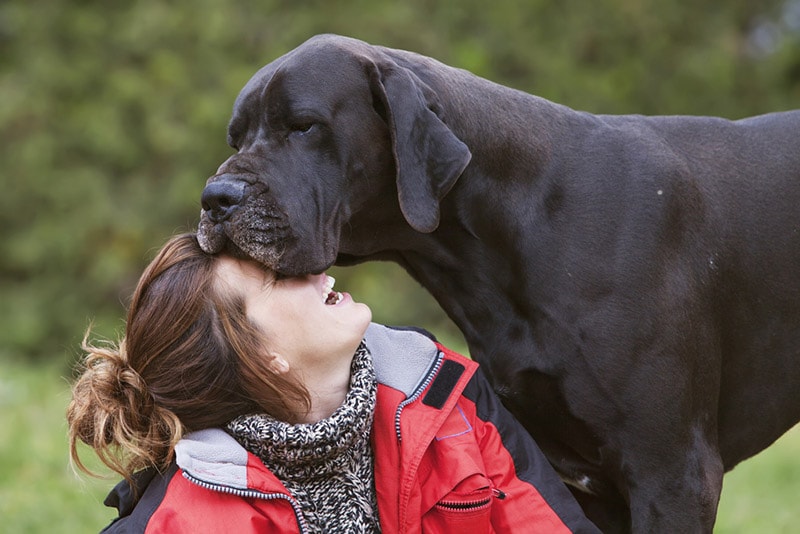
Most Great Danes must wish that they were smaller, as they won’t hesitate to try to sleep on your lap. But if you’ve been considering bringing this breed home, beyond the big budget that you’ll need to feed these large dogs, it’s helpful to know Great Danes live between 7 and 10 years. Keep reading to learn what affects their lifespan and what you can do to keep them healthy.

What’s the Average Lifespan of a Great Dane?
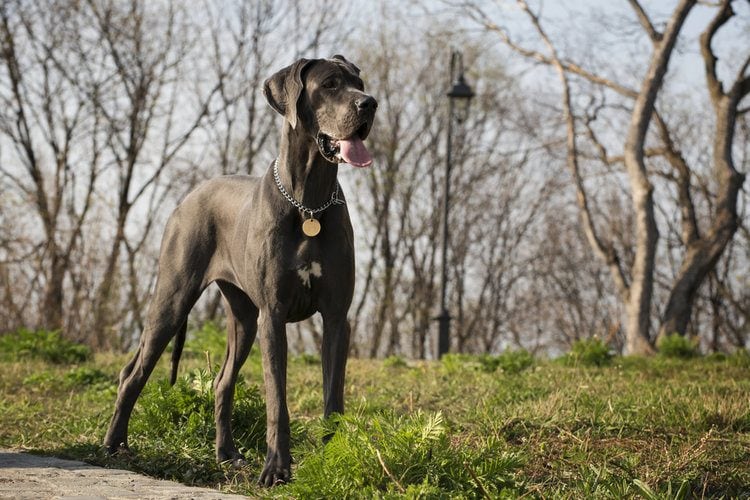
Unfortunately, the rule of thumb is that the larger the dog, the shorter the lifespan. The average lifespan of Great Danes is only between 7 and 10 years.
However, while the average Great Dane might only live to be about 7 or 8, a few have lived beyond this limit. Examples are Pirate from the UK¹, living to age 12, and Maggie Mae from Florida¹ made it to 13!
Why Do Some Great Danes Live Longer Than Others?
How you take care of a Great Dane can impact their lifespan, like with any pet. There are also specific health issues that giant breeds are prone to that can affect their lifespan, along with several other factors.
1. Nutrition
Feeding your dog high-quality food can make a difference in their lifespan. It starts by finding a dog food that has been formulated for your Great Dane’s current age and activity level.
The right food is even more crucial for giant breeds, as they need the right kind of nutrition to prevent them from growing too quickly, which can put stress on their bones and joints.
Obesity can also lead to health problems, so it’s ideal to find food that is low in fat and to feed them small amounts at mealtimes that are spread out over the course of the day.
2. Environment and Conditions
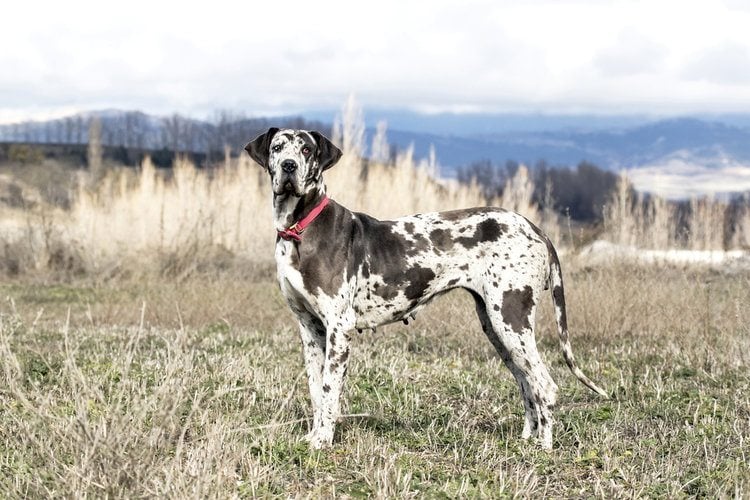
The environment for a Great Dane includes having enough space so they don’t injure themselves or damage property. They aren’t that active but will still need to go for walks several times a day and have enough running room for the occasional playtime session.
3. Living Quarters
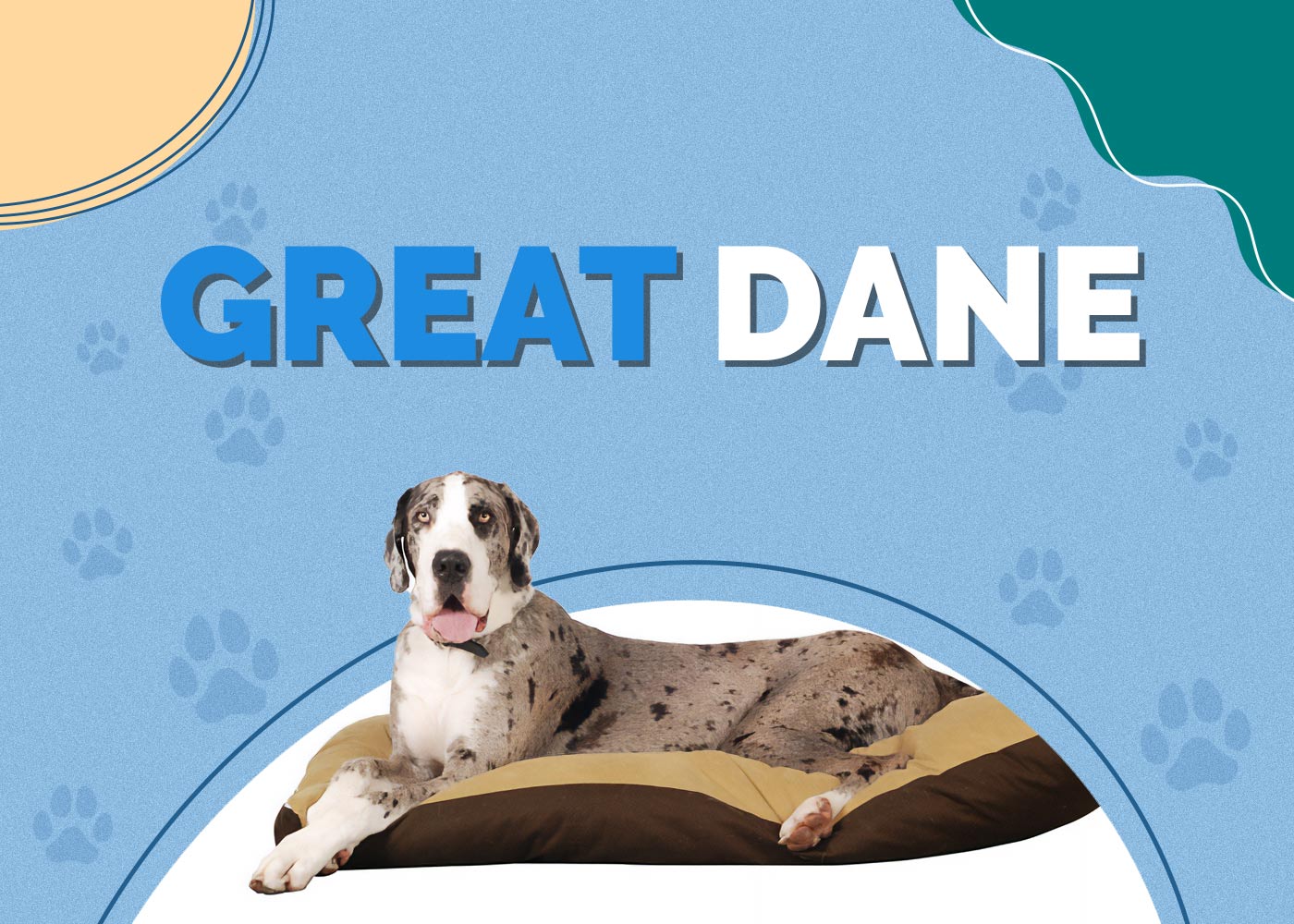
They are definitely not the best fit for living in apartments and condos. They will need their own space, such as a large cozy dog bed made up in an area where you spend much of your time, like the living room.
They also aren’t the kind of dogs that will do well outside for long periods, so they need enough space indoors to accommodate their size.
4. Size
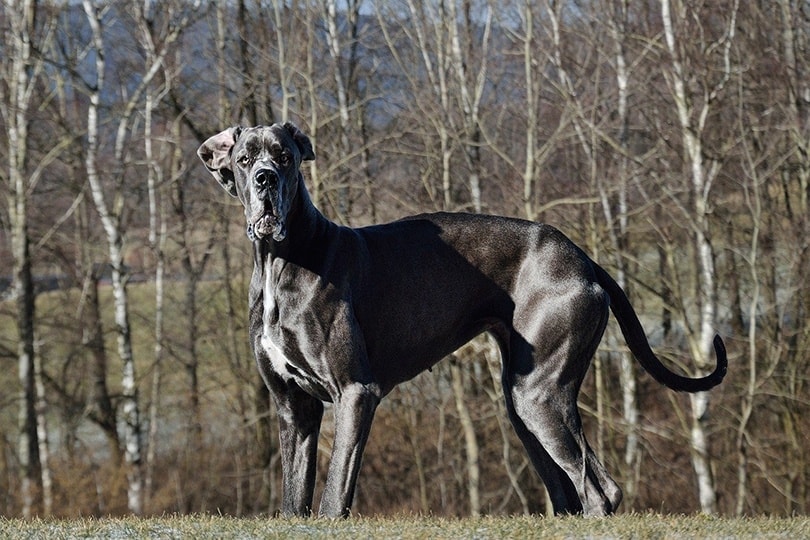
The size of the Great Dane is part of the problem. When they are puppies, they should be exercised but not too strenuously in order to avoid damaging their growing bones and joints. This also helps prevent joint issues in the future.
Focus on low-impact exercises, such as swimming and walking, and avoid high-impact activities like jumping and running.
5. Sex
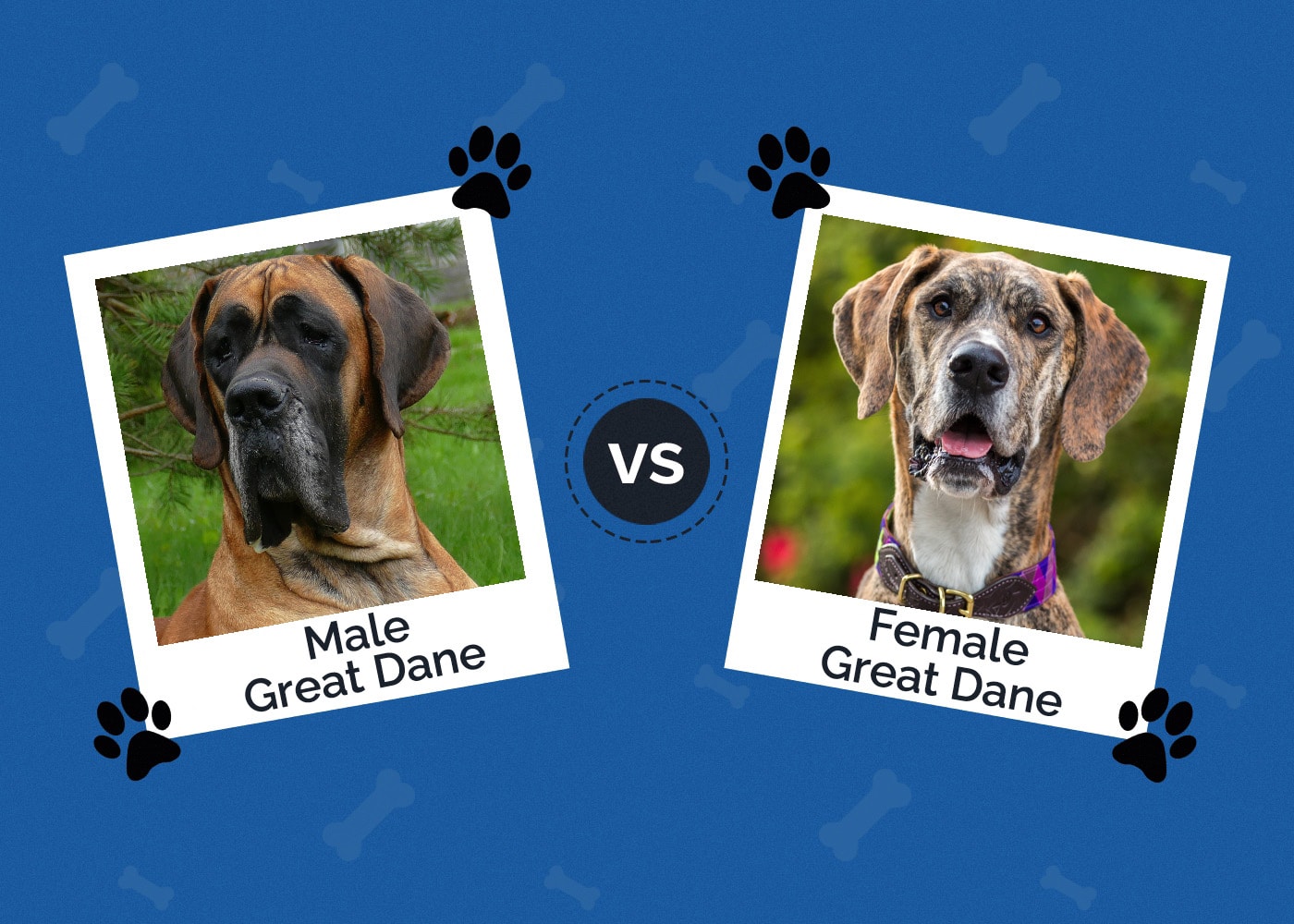
The sex of your Great Dane doesn’t make a huge difference in how long they live. But it’s important to note that having your dog spayed or neutered can help prevent medical problems in the future.
It’ll also help stop your Dane from unwanted behaviors and running off, which could lead to potential injury.
6. Genes
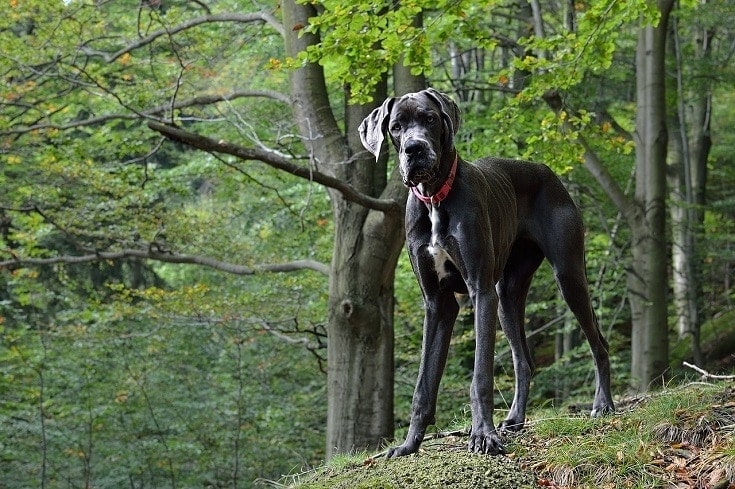
The size of a Great Dane can give them a shorter lifespan. Danes are also purebred dogs, which are more likely to inherit genetic conditions, such as hip dysplasia.
Bringing home a Dane puppy means ensuring that you find a responsible breeder who will screen for these genetic conditions. This can give your dog a better chance at a longer life.
7. Breeding History
We always stress the importance of adopting rescue dogs from a shelter or rescue organization. However, the issue with this is that you won’t have any history or knowledge of your Dane’s background.
Getting your dog from a breeder will give you a better handle on their genetic history. A reputable breeder will provide all the necessary information to the new owner.
8. Healthcare
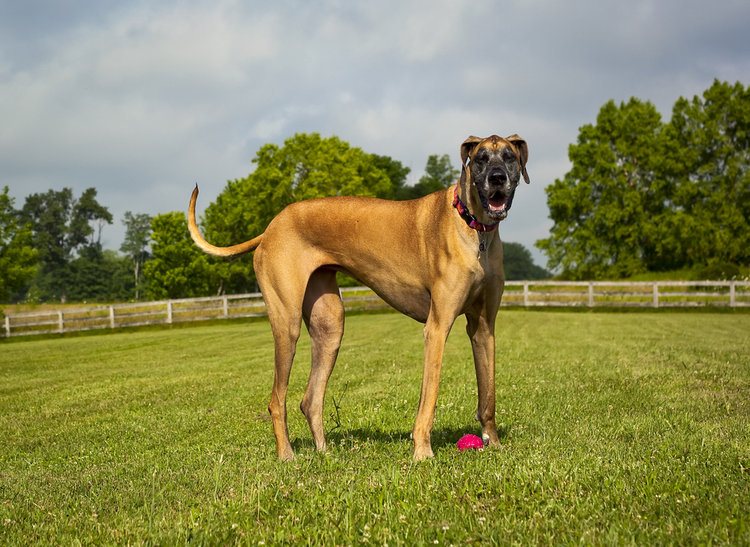
All dogs are susceptible to becoming ill or suffering from a medical disorder, but there are a few specific conditions that the Great Dane can suffer from.
Bloat
Bloat¹ is a serious condition that large breed dogs are most likely to develop. It can become fatal if it’s not treated immediately.
The stomach expands and can cause breathing issues, but the stomach can also twist, which is called gastric dilatation-volvulus syndrome¹, which is an immediate life-threatening emergency.
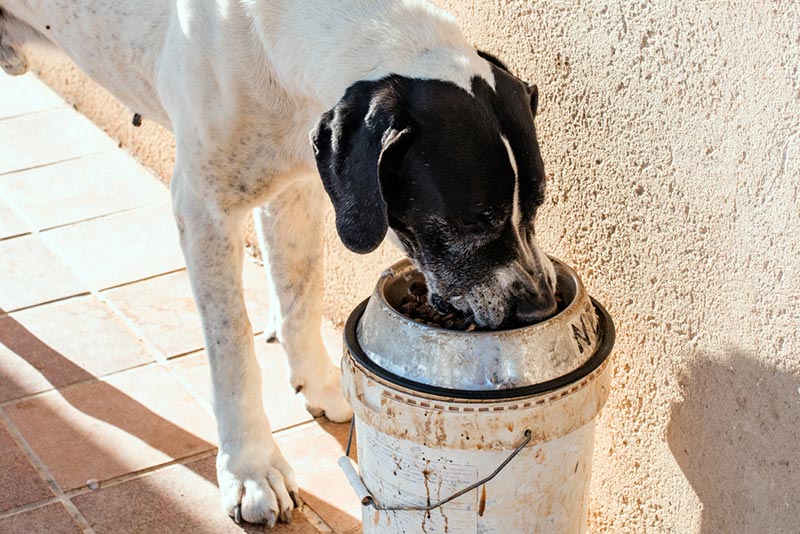
It’s due to this condition that it’s essential that you feed a Great Dane multiple small meals throughout the day. Some dog owners use slow-feeder bowls¹, which can slow down a dog’s eating. Great Danes also shouldn’t engage in strenuous activity too soon after eating or drinking.
The first signs of bloat include the dog pacing, panting, drooling, or gagging without vomiting. You might also notice them looking anxious and having a distended abdomen. The symptoms come on quickly, and your dog should be seen by a vet immediately.
Dilated Cardiomyopathy (DCM)
Great Danes are also genetically susceptible to DCM, or an enlarged heart¹, which is when the ventricles of the heart's lower chambers become enlarged. If left untreated, the heart will be overwhelmed by fluid, resulting in congestive heart failure.
The symptoms include:
Bone and Joint Disease
Joint and bone issues are common in Great Danes. While they aren’t as serious as bloat and cardiomyopathy, they can still cause considerable pain. Common problems that can plague Danes are hip dysplasia¹ and osteoarthritis¹.
Treatment options, such as an appropriate diet and avoiding high-impact activities, can prevent excess stress on the joints. There are also supplements that come in the form of treats¹ that can help.

The Four Life Stages of a Great Dane
Knowing what to expect at each life stage of your Great Dane can help you plan your care for them at these different ages.
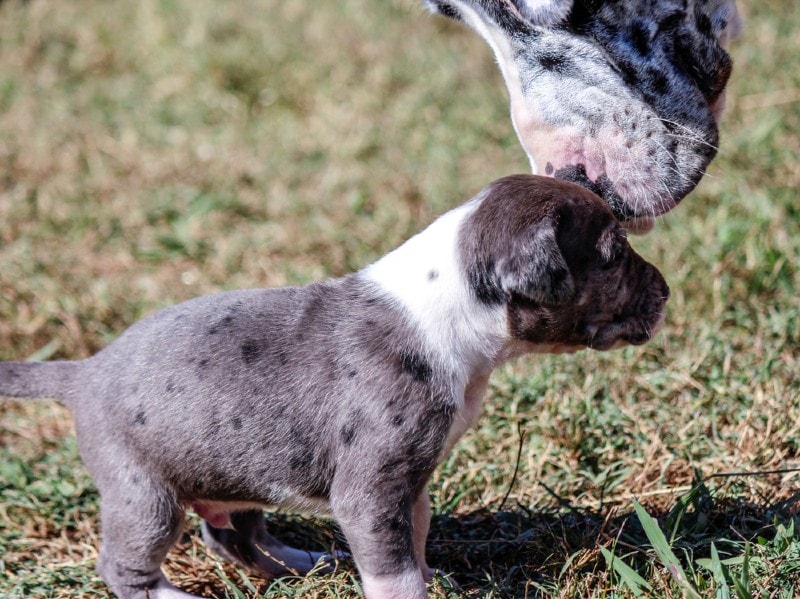
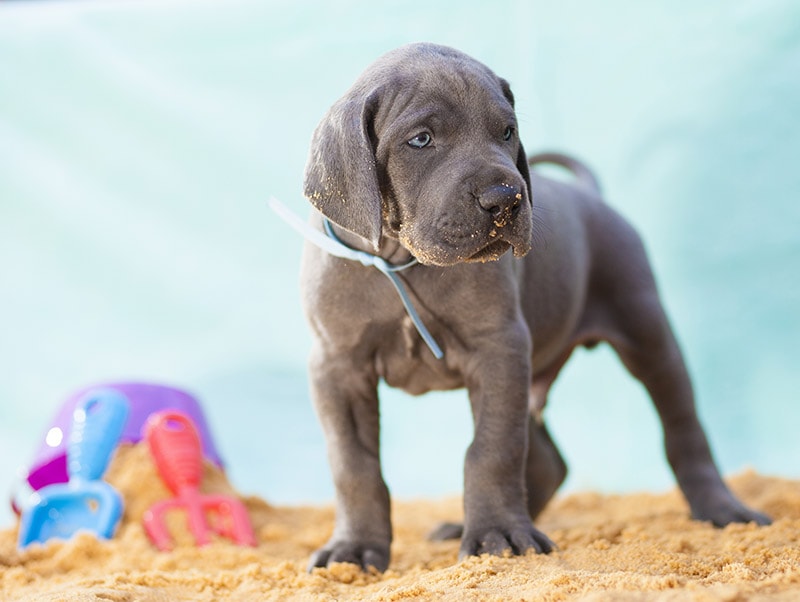
1. Puppy
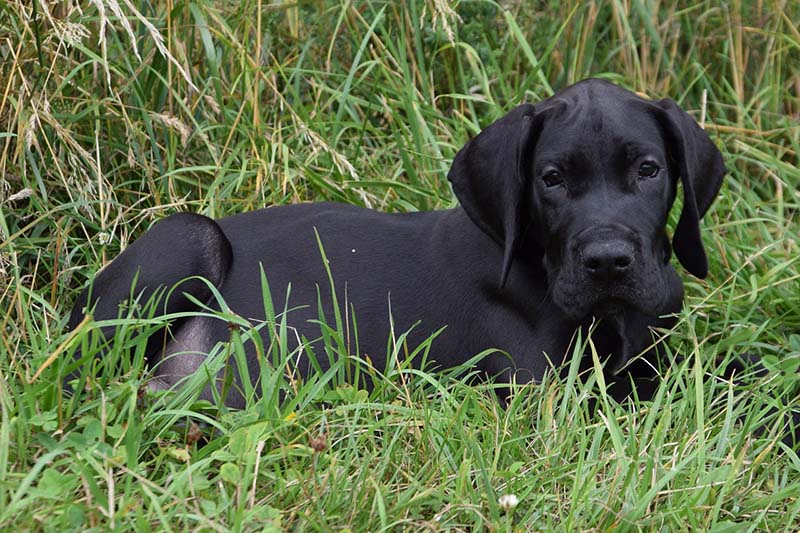
Proper nutrition is crucial for Dane puppies. If they grow too quickly, this can set them up for joint issues in the future. Great Danes reach their full height typically by age 1 to 1½. It’s important to note that giant breeds take longer to mature than small breeds.
2. Young Adult
Danes might not reach full maturity until the age of 2. At this time, you should be changing their diet to reflect their age, and remember to go easy on the exercise.
3. Mature Adult
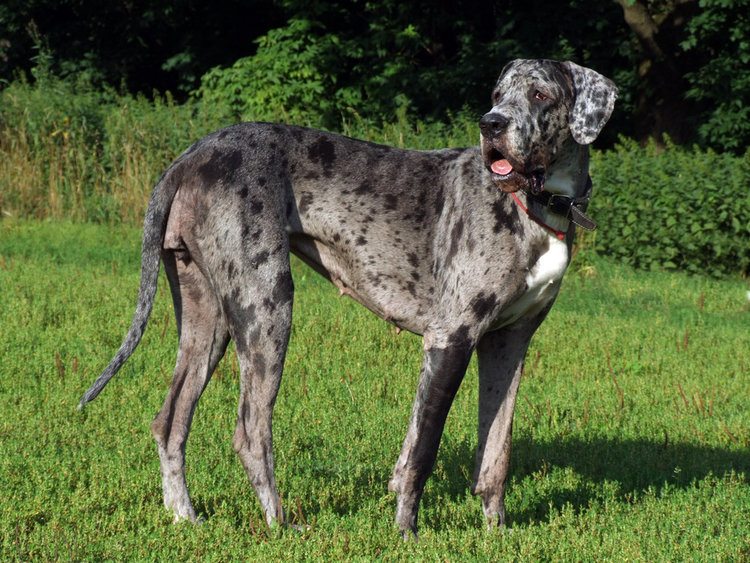
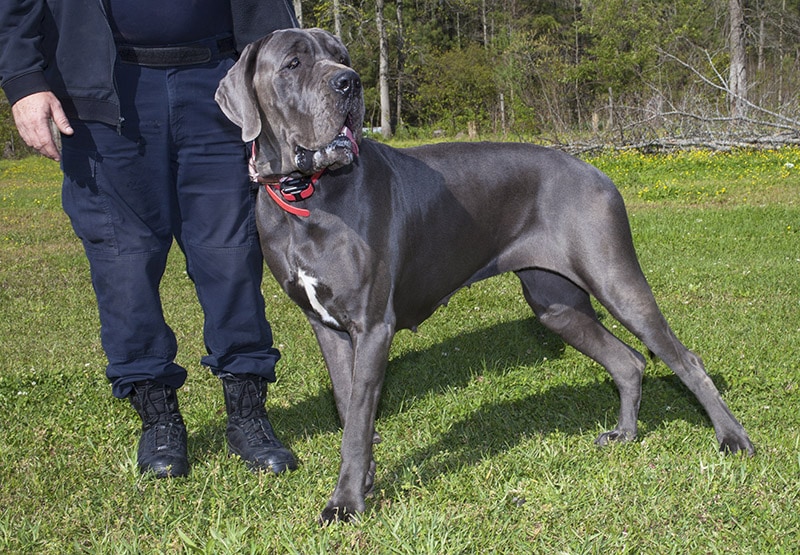
Fully grown Great Danes can stand 28 to 32 inches and weigh 110 to 175 pounds. Some Danes can be smaller than this range, and others are much larger. It’s all in the genetics.
4. Senior
Great Danes generally don’t live too long as seniors, but it can happen. Many health conditions are more likely to affect a senior Dane.

How to Tell Your Great Dane’s Age
If you adopt a Dane without knowing their history, there are a few physical signs that can help determine their age.
- Eyes: Dogs with cataracts or other age-related eye issues can give you an idea of their age.
- Fur: This is one of the easiest ways to figure out a dog’s age if they are edging into becoming a senior. You’ll notice extra gray fur on their face, particularly around the muzzle and eyes.
- Teeth: They lose their baby teeth by about 6 months of age, though the wear and tear of the teeth can suggest an older dog.
- Vet: Your vet can run a profile on your dog’s blood, which can help determine their age.

Conclusion
Sometimes, despite our diligence, there’s no way to prolong a Great Dane’s life. It’s best to be prepared for the fact that these incredible dogs might only be with us for a short time.
But adding a Great Dane to your family is an honor, and you’ll certainly be lucky to be loved by one of these beautiful dogs!
See also:
Featured Image Credit: velora, Shutterstock
Get Hepper In Your Inbox


Pet care tips from our vets and experts, straight to your inbox.
You may opt-out at any time. View our Privacy Policy for more information.

Kathryn was a librarian in a previous lifetime and is currently a writer about all things animals. When she was a child, she hoped to work in zoos or with wildlife in some way, thanks to her strong love for animals. Unfortunately, she's not strong in the sciences, so she fills her days with researching and writing about all kinds of animals and spends time playing with her adorable but terribly mischievous tabby cat, Bella. Kathryn is hoping to add to her family in the near future – maybe another cat and a dog.
Join the conversation
Ask a question, share your story, or send private feedback.