Hepper is reader-supported. When you buy via links on our site, we may earn an affiliate commission at no cost to you. Learn more.
How To Tell the Difference Between a Cat Cough & Hairball
In this article
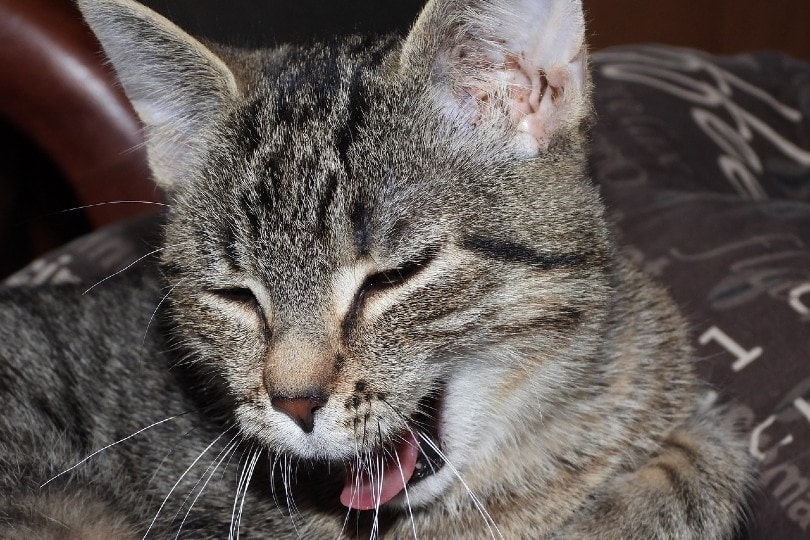
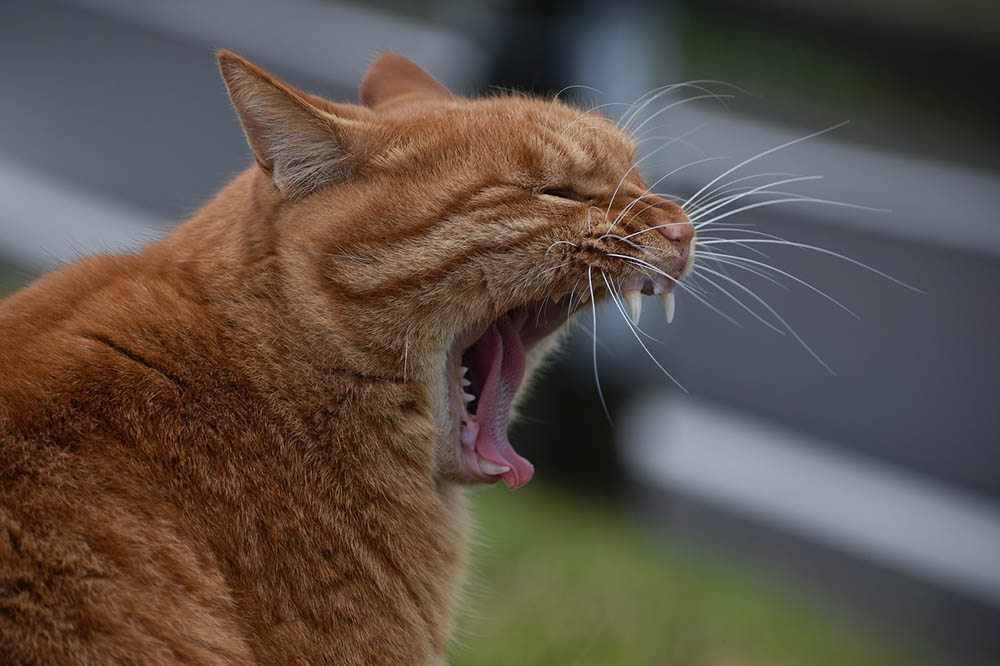
Almost all feline owners will witness coughing at a certain stage of their kittie’s life. Although it’s a usual occurrence in many cats, coughing can sometimes indicate health issues, while at other times, it might be caused by a hairball.
If you have a cat, it’s vital to learn how to differentiate these types of coughs. Hairballs typically won’t harm your feline, but you might need to visit a vet if there’s another reason behind the cough.
Keep reading to learn more about hairballs and cat cough to determine if your cat is healthy or if it might need medical treatment.

Cat Cough vs Hairballs: How to Tell the Difference
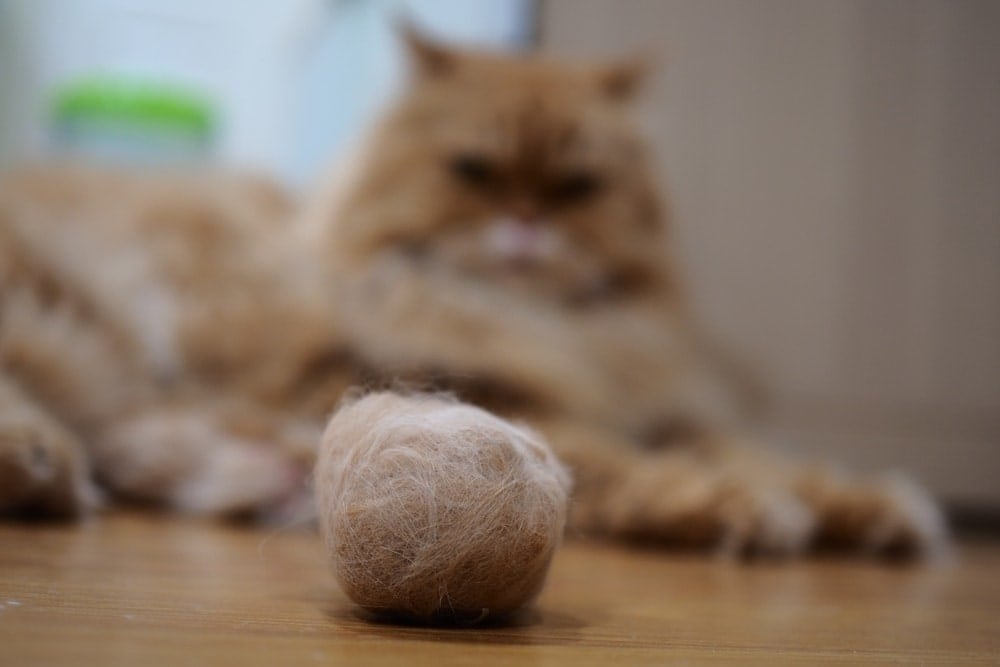
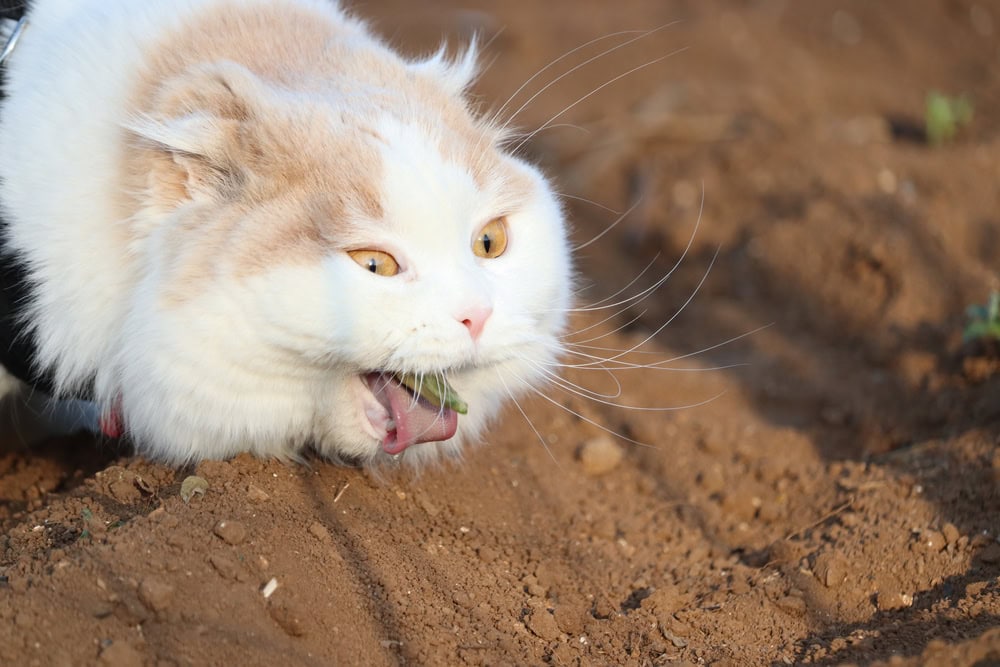
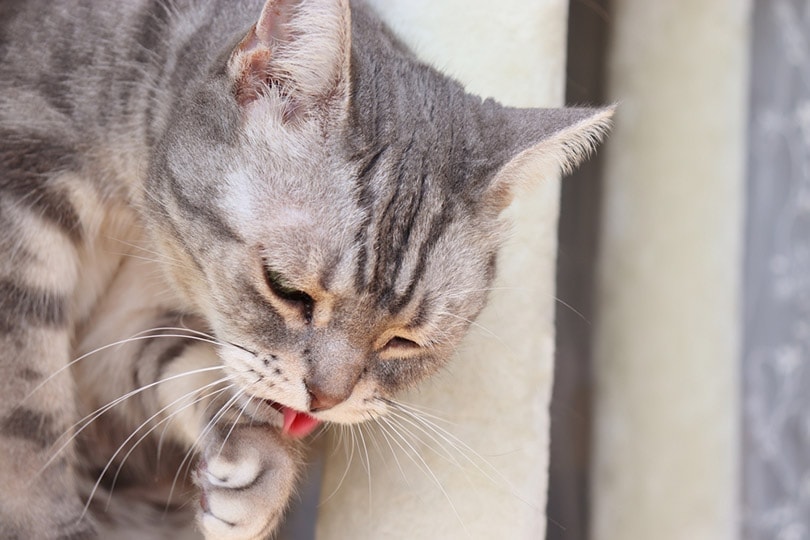
Hairballs are quite common in cats, as they occur when the feline accidentally ingests its hair during grooming. If the cat eats the hair, some of it might not digest, creating a hairball inside the digestive tract. As there’s no other way to get the hairball out of its organism, the cat will likely cough until the hairball gets it out.
That way, cough is directly linked to hairballs as it’s one of the many symptoms, although there can be various reasons behind the coughing. Typically, if hairballs occur every now and then, and there’s limited coughing, there’s nothing to worry about. Still, even hairballs can cause issues if they’re frequent and followed by other symptoms such as:
However, if the coughing is persistent, your feline might be having health issues you’re unaware of. While coughing is a symptom of a hairball, not all coughing is hairball coughing. Although less common, a serious problem that can cause cat cough is asthma, which can be severe if you don’t treat it on time.
If you notice frequent coughs without hairballs, that could be an indicator of asthma in your cat. Both conditions could have potential issues, although asthma is more dangerous. One of the most significant differences between the two is that they don’t affect the same organs; hairballs affect the stomach, gastrointestinal tract, and esophagus, while asthma affects your feline’s breathing.
Still, most of their symptoms are similar, making it hard for you to recognize what’s wrong with your cat. There are a few indicators you can look for that should help you in determining which condition is bothering your kitty.

Signs of Asthma
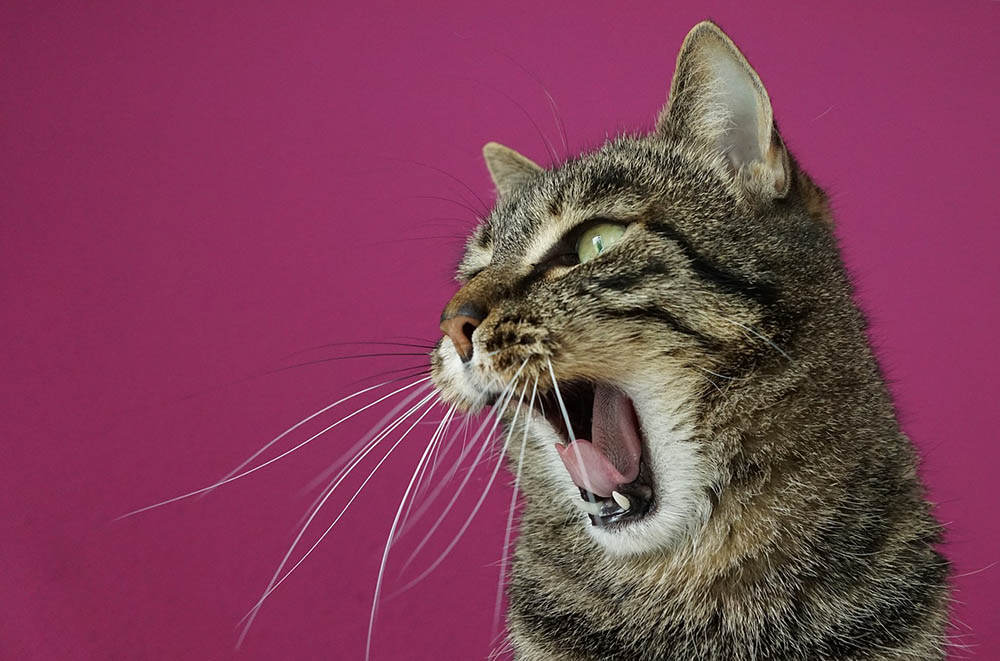
If your cat is frequently coughing, but there are no hairballs, it can be an indicator it’s suffering from asthma. Asthma is also connected with your feline’s posture, so if you notice your cat extending its neck and hunching its body towards the floor, it’s likely experiencing an asthma attack. Other signs include:
If you notice any of these symptoms, take your cat to a vet for further testing.
Signs of Hairballs
Hairballs in felines are widespread, followed by symptoms such as:
Typically, if this doesn’t happen frequently, your cat will be okay and won’t suffer from any other problems. However, if this keeps happening and the hairballs become more frequent, you could notice other signs that can be alarming:
You shouldn't take any of these symptoms lightly and immediately take your kitten to a vet.
Hairball Treatment and Prevention
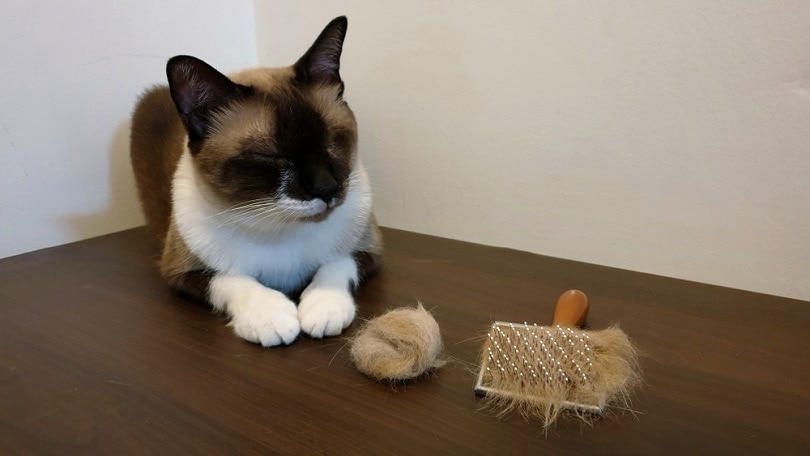
Although there’s no way to prevent hairballs completely, regular brushing should lower the chances of your cat developing a hairball. If your feline is long-haired, you might need to brush it more frequently than owners of short-haired cats.
It’s also helpful to provide your feline with a lot of water during the day, and you could try out food recipes with anti-hairball properties. When a cat experiences hairballs but cannot cough them out, a vet will prescribe medication to help the feline pass the hairball.
Asthma Treatment and Prevention
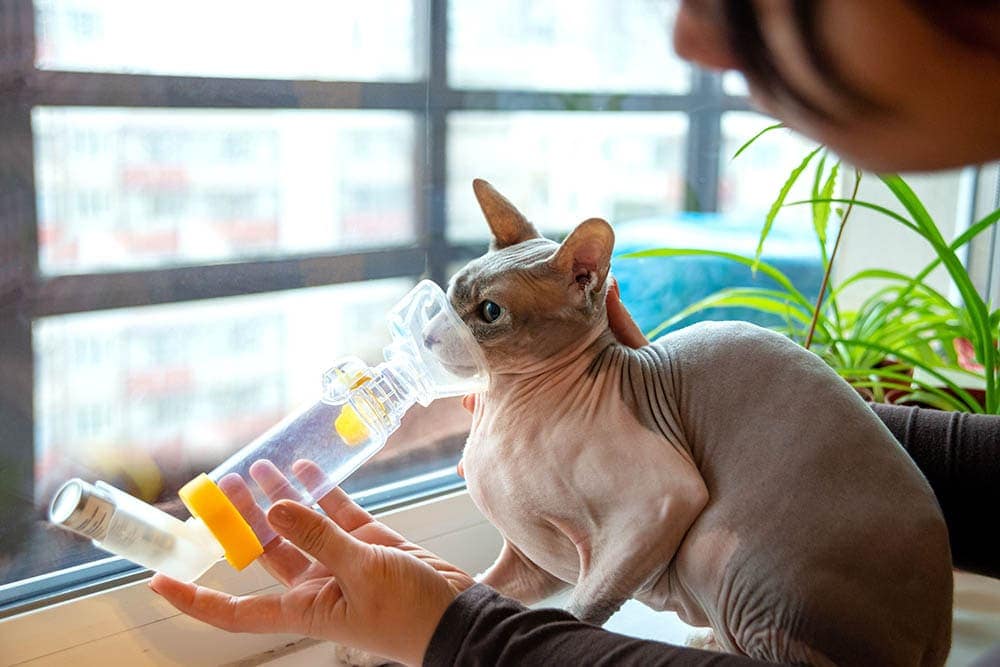
There’s no way to cure asthma, but there are certain things you can do to ease the symptoms for your feline. Your vet might prescribe specific medication that will lower the chances of asthma attacks.
You should also try to create the environment around your cat as asthma-friendly as possible to decrease triggers. That means reducing exposure to pollen, dust, and mold. Of course, you should always discuss everything with your vet, who will give you exact pointers and advice to keep your kitty as healthy as possible.
Other Conditions You Can Mistake For Hairballs
Hairballs and asthma are the two most common causes of cough in felines, but there are several other conditions that could lead to a coughing issue. If your kitty is not coughing hairballs and doesn’t have asthma, it might suffer from one of the following issues.
1. Allergies
Common allergens that affect humans could also act as cough triggers for cats. Here is a list of allergens that might be the reason for coughing in your kitty:
Occasionally, your feline might ingest other foreign bodies that can cause a stubborn cough that won’t go away. In such a situation, a vet will examine your kitty to see if there's a need for medication or surgery.
2. Feline Heartworm Disease
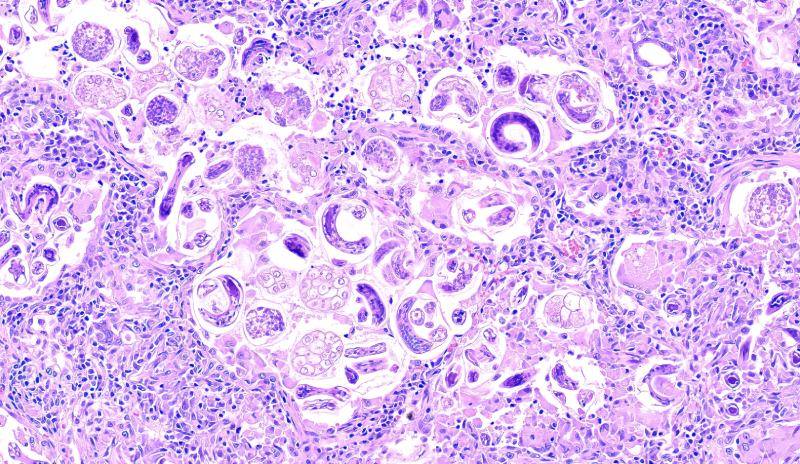
Heartworms represent an issue for many cats, and the disease can be severe if you don’t treat it. It develops when an infected mosquito bites your feline and releases heartworms into its organism. Although there are various symptoms of heartworm disease, one of the most common is coughing, followed by vomiting.
If your cat has heartworms, its lungs are in danger, so you should immediately go to a vet to get the needed medication and start the treatment process.
3. Respiratory Tract Diseases
Besides asthma, other respiratory tract diseases can cause coughing in your cat. Typically, coughing is a symptom of lung tumors, respiratory infections, and pneumonia.
4. Chemical Irritants
Another common cause of coughing in felines are chemical irritants we use in our daily life, such as cleaning products, flea sprays, powders, and cosmetics. If your cat inhales one of those irritants, it might develop a coughing episode.
5. Congestive Heart Failure
Some kitties can suffer from congestive heart failure, with coughing as a symptom. This condition affects your feline’s cardiovascular system, and coughing is frequently followed by a lack of appetite.
6. Parasitic Conditions
There are parasitic conditions other than heartworms that can make your cat cough. It’s typically a symptom of gastrointestinal parasites, and coughing is frequently followed by vomiting and appetite loss.
Should I Be Concerned if My Cat Is Coughing Too Much but There Are No Hairballs?
If your cat is coughing, but there are no hairballs, you should try to observe the feline and verify if there are other symptoms other than coughing. Either way, you should take your cat to the vet to ensure everything is okay.
Take your cat to the vet if you notice:
These signs are extremely dangerous, so you’ll need to react rapidly to ensure your feline gets proper treatment as soon as possible.
Conclusion
Coughing in cats is not uncommon, and sometimes, hairballs are the reason behind the cough. However, if your feline is frequently coughing, but you're not noticing any hairballs, it could indicate other health issues, so you should take your cat for a checkup to ensure everything is okay.
Sources
Featured Image Credit: Germanova Antonina, Shutterstock
Get Hepper In Your Inbox


Pet care tips from our vets and experts, straight to your inbox.
You may opt-out at any time. View our Privacy Policy for more information.

Visnja is a content writer that covers various topics such as DIY, pets, home improvement, travel, gardening, and more.
She is a young mom and a college student, who didn’t have enough time to balance her personal and work life, so after multiple years of working a regular 9 to 5 job, she decided to pursue her passion and make a living out of it. She has been writing for a couple of years, helping people find valuable and interesting information online.
Join the conversation
Ask a question, share your story, or send private feedback.