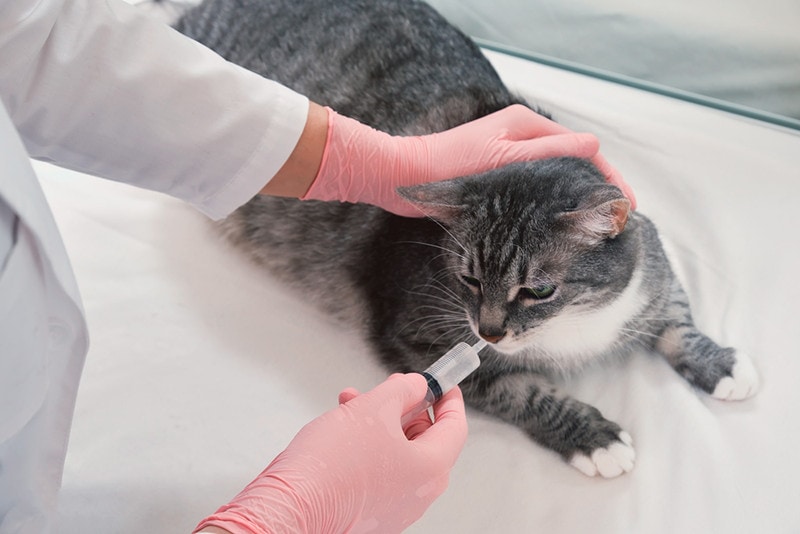
Hepper is reader-supported. When you buy via links on our site, we may earn an affiliate commission at no cost to you. Learn more.
Can I Get Worms From a Cat Sleeping in the Bed? Facts & FAQ



In this article
Cats, like many other animals, can be infected with different types of worms. This is something that many cat owners will have to deal with at some point during their lives. If your cat has a worm infestation and sleeps in your bed, you may be wondering if you can get worms from them.
First, your cat has to be infected with worms for this to be possible. If your cat does not have any parasites¹, internal or external, sleeping in your bed will not transmit any parasites to you. If your cat has a parasite—and this can happen even if they don’t go outside—you may get it from them. Your vet will check, treat, and provide preventative treatment for your cat at their regular checkups, and there are other signs to watch for.
However, if your cat does have worms, there is a possibility that they can be transferred to you in your bed. This is rare but it can happen. In this article, we explore how the transmission occurs and what types of worms your cat can have.

How Do Cats Get Worms?
Cats can get worms by ingesting worm eggs and larvae. They may also eat prey that is infected, getting the infection themselves. Cats are curious and will investigate anything, especially if they have access to the outdoors.
If they walk through contaminated feces and then lick their paws, that’s all it takes to swallow a worm egg and become infected. Fleas may also transfer worms to your cat when they ingest an infected flea during grooming, so keeping your cat parasite-free year-round is important.
How Can You Tell if a Cat Has Worms?
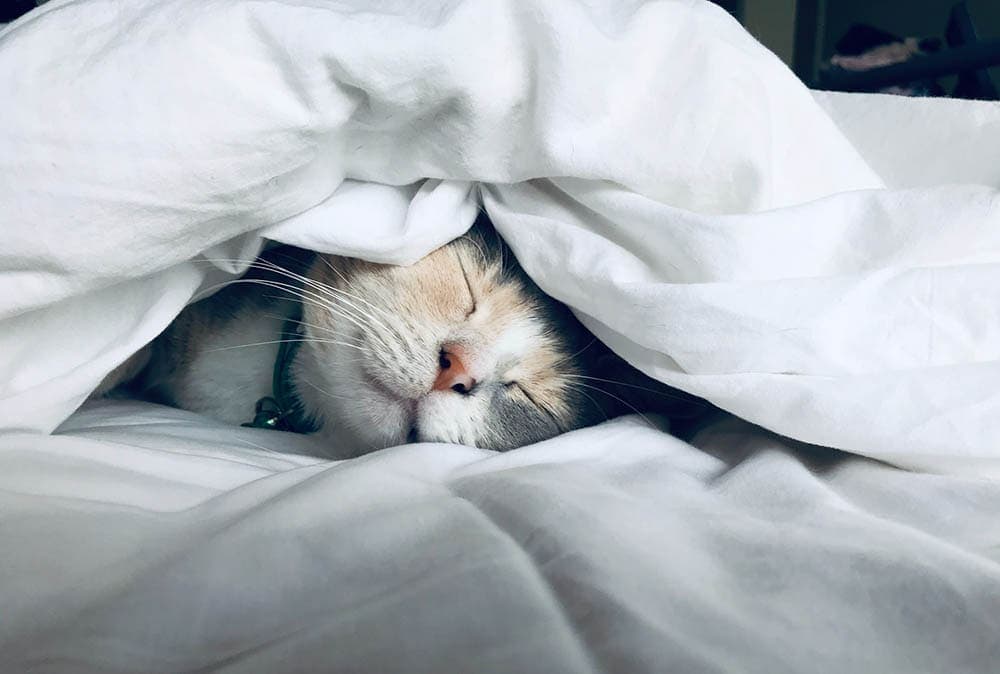
Your vet may notice intestinal worms in a fecal exam during your cat’s regular health visit. Other signs include a few obvious ones, like seeing worms or worm pieces in a cat’s feces. If you notice long worms that resemble spaghetti or small worm fragments that look like sesame seeds in your cat’s litter box, your cat needs prompt treatment. However, not all types of cat worms are visible to the naked eye in your cat’s feces.
Weight loss, soft feces, vomiting, poor coat condition, perianal itching, and excessive eating or drinking are other signs of a worm infestation. The worms feed on your cat’s intestine or on the food that your cat eats, robbing them of the nutrients that they need. Your cat will not be able to eat enough food to feel satisfied and will lose weight even while continuing to eat more and more.
In some cases, your cat won’t have an appetite at all and lose alarming amounts of weight.
How Could I Get Worms From My Cat?
Humans get worms the same way that cats do: by coming in contact with worm eggs and ingesting them. This may seem like a rare thing to happen because you don’t groom your cat with your tongue or ingest their feces. But the truth is, it can happen. However, not all types of intestinal worms pose the same risk to humans.
Roundworms and hookworms are the most common types of worms that humans can get from cats, but the method of transmission for the two is different. Roundworm eggs can accidentally get to your face or mouth if, after touching your cat or any contaminated bedding, you touch yourself. This can happen if the eggs fall from the cat onto your pillowcase or bedding. The easiest way to avoid this is by washing your hands after cleaning the litter box or having contact with contaminated materials, or if you pet your cat’s fur and then absent-mindedly rub your mouth,
Hookworms usually penetrate your skin when you’re touching contaminated material. The tiny larvae can burrow into human skin and cause a disease called cutaneous larva migrans, or “ground itch.”
Lastly, the one type of intestinal parasite that you don’t get directly from your cat is tapeworms. You would have to eat the vector (flea) directly, and this is, fortunately, not very common.
What Kinds of Worms Can Cats Get?
Tapeworms can infect cats and are typically transmitted by fleas or by eating infected rodents.
Hookworms are thin, short worms that are commonly transmitted by pets eating contaminated soil. These worms can also be transmitted to humans in the same way, so it's possible to get hookworms without your cat being the culprit. Walking across soil infested with hookworm larvae can cause them to burrow into the skin.
Roundworms commonly affect puppies and kittens. Deworming treatments are necessary for all young dogs and cats because they can be infected with roundworms as infants or be born with worms. Roundworm eggs can survive in the soil for years, and people can accidentally ingest them just by walking through the grass and picking up the eggs on their bodies. Eating vegetables grown in a garden is another avenue of transmission. Always make sure your food is properly washed before eating it.
How to Prevent Getting Worms From Your Cat
Children are more likely to get worms from a cat that has worms because of their behavior, but everyone can get infected. It's important to take extra care around cats if you know that they have worms. This is especially important in young, old, pregnant, or immunocompromised family members.
Until your cat is cleared of worms, wash your hands thoroughly every time you touch any part of their body. It’s especially important to wash your hands after you clean their litter box. You may want to wear gloves for this activity. Regularly disinfect the floor around the litter box.
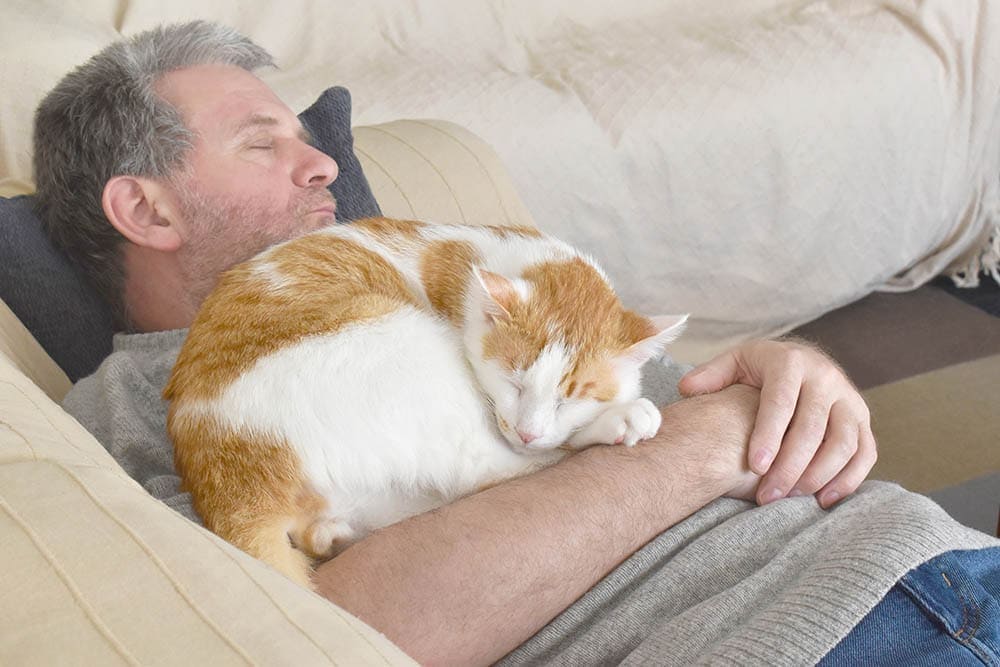
It’s best to avoid close contact as much as possible when your cat has worms. Unfortunately, this may mean different sleeping arrangements. Avoid letting your cat in your bed until the infection is cleared. If your cat is on any shared furniture throughout the house, vacuum and clean it daily to prevent the spread of worms to others.
This doesn’t mean you can’t pet or play with your cat during this time, and you still should. Your cat still needs attention and support while they’re dealing with this situation. Just take care to clean all the toys and your hands afterward.
Always take your cat for their regular vet visits to check for parasites, especially if your cat has outdoor access, they hunt, or they eat raw food. If you notice any worms in your cat, take them to the vet right away for treatment. This will likely include medication to kill the worms, with multiple doses by you at home. Always use external and internal parasite prevention for your cat, even if they only live indoors.
Final Thoughts
If your cat has worms, it is possible for you to get them if they’re sleeping in your bed. If your cat has an active worm infection, the best thing to do is keep them out of your bed while you treat them until the worms are gone. Accidentally ingesting a worm egg or larvae will create an infestation in you too.
After petting and playing with your cat, be sure to wash your hands. Wear gloves to clean their litter box, and keep the area around the box disinfected regularly. Worms are treatable in cats, and you can keep everyone in the house parasite-free until your cat has made a full recovery.
Featured Image Credit: Marina mrs_brooke, Shutterstock
Get Hepper In Your Inbox


Pet care tips from our vets and experts, straight to your inbox.
You may opt-out at any time. View our Privacy Policy for more information.
A lifelong resident of Chicago, Jessica has shared her home with furry, feathered, and scaly pets for over 30 years. Her passion for animals began at a young age and led to her eventually owning and operating a pet care company. She is now a full-time writer and spends her days writing about all types of animals. Jessica and her husband Dominic enjoy city life and have turned their backyard into an oasis for the neighborhood birds and squirrels.
Join the conversation
Ask a question, share your story, or send private feedback.