Hepper is reader-supported. When you buy via links on our site, we may earn an affiliate commission at no cost to you. Learn more.
How to Help a Cat With Separation Anxiety: 11 Vet-Approved Tips


In this article
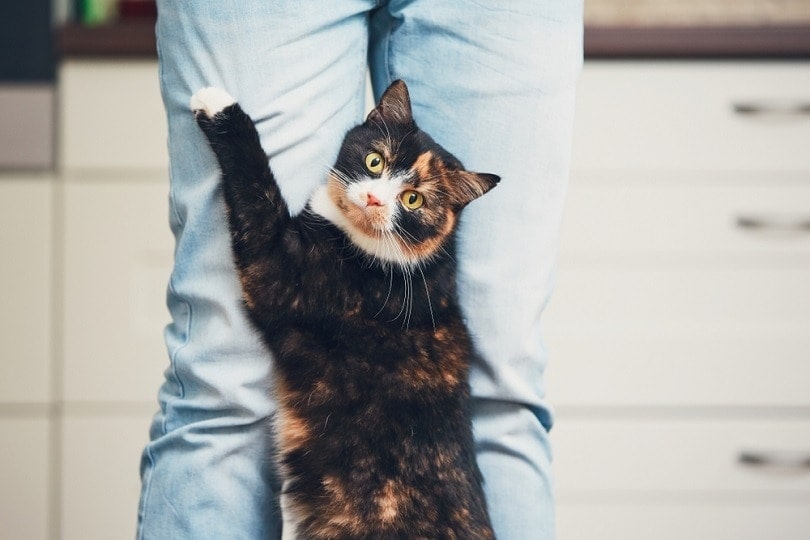
Leaving your beloved fur baby behind as you go to work or away for the weekend can be difficult. It is even more challenging if your pet suffers from separation anxiety. The last thing you want to do is put your kitty in distress for hours (or worse, days) at a time. So, if you know that your pet has separation anxiety, you need to do all you can to help alleviate some of the associated signs of this condition.
Separation anxiety in cats isn't as rare as you might initially think. One study found that 13% of cats display at least one separation anxiety-related behavior.1 If your kitty is clearly stressed and anxious when you leave and come home, we can help.
Come along with us as we look at 11 tips for helping your cat navigate these distressing anxiety symptoms.

What Are the Signs of Separation Anxiety in Cats?
Before we share tips on helping your kitty deal with its separation anxiety, let's look at some of the most common signs of this condition.
- Refusal to eat when the owner is away
- Eliminating outside of the litter box
- Vomiting
- Destructive behavior
- Excessive meowing
- Overexcitement when you return
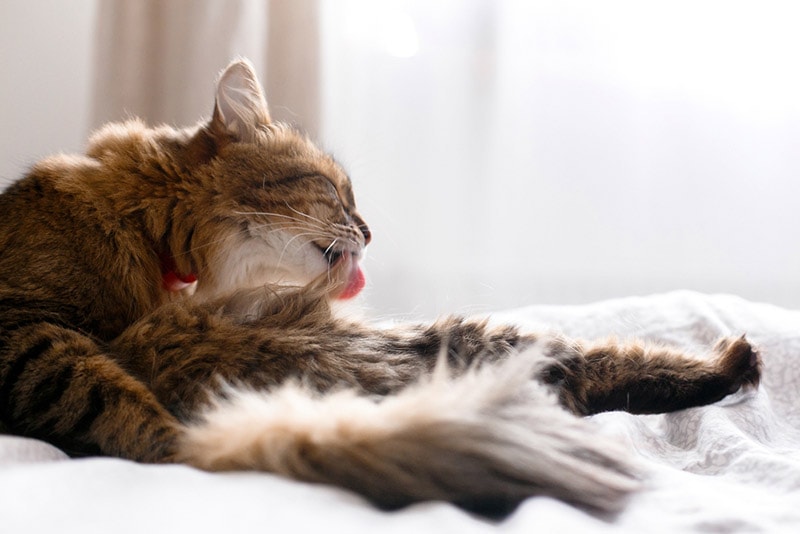
- Excessive grooming
- Hyper-attachment to their caregiver
- Bald patches of fur
What Causes Separation Anxiety?
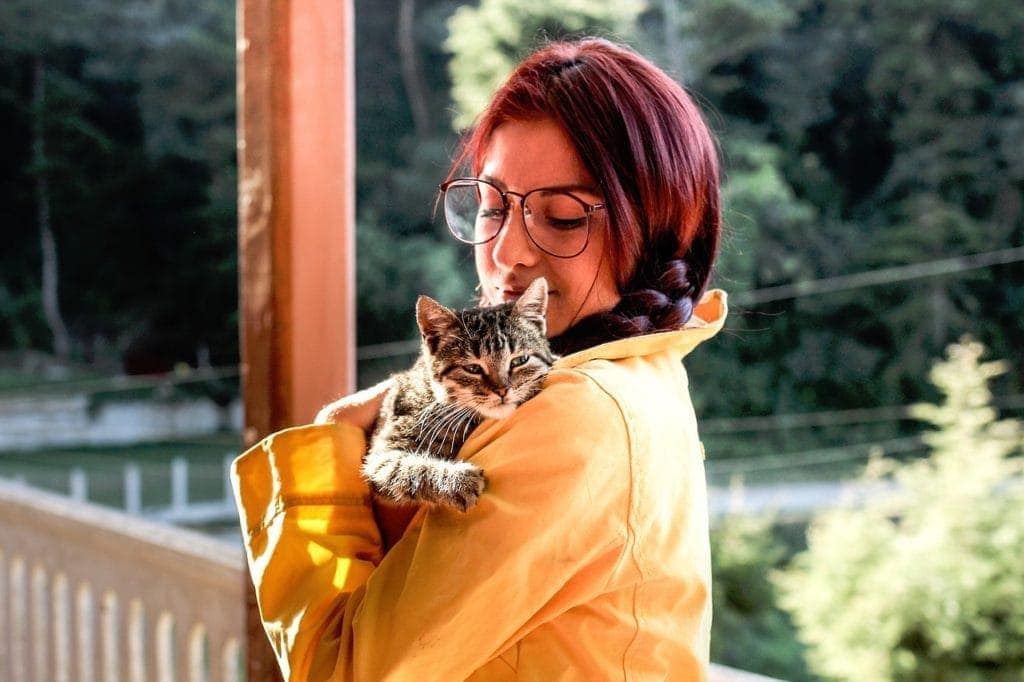
Several factors could predispose your pet to develop separation anxiety, while other causes may be purely environmental. Some of the most common risk factors for this condition include:
- Being female
- Living indoors only
- Being orphaned or weaned early
- Being an only pet
- Experiencing changes in routine (e.g., moving, caregiver schedule changes)

The 11 Tips for Helping Your Cat With Separation Anxiety
Now that you know what causes this condition and its signs, you probably have a better idea if your pet is suffering from separation anxiety. Let's look at some ways you can make your kitty's life a little easier.
1. Provide Plenty of Opportunities for Enrichment
Your cat needs things in its environment to distract itself when it starts feeling the uncomfortable side effects of separation anxiety. Thankfully, there are countless options for enrichment activities you can provide your kitty with, so you just need to find what works best for your pet's personality.
Some owners find that leaving the TV on when they leave the house is a great distraction tool. There may be a trial-and-error period while finding a video your cat enjoys. There are many options on YouTube, such as this 8-hour bird video:
Puzzle feeders are another great distraction tool to try. Fill up the feeder with your cat's favorite treat before you get ready to leave so they aren't worrying about what you're doing.
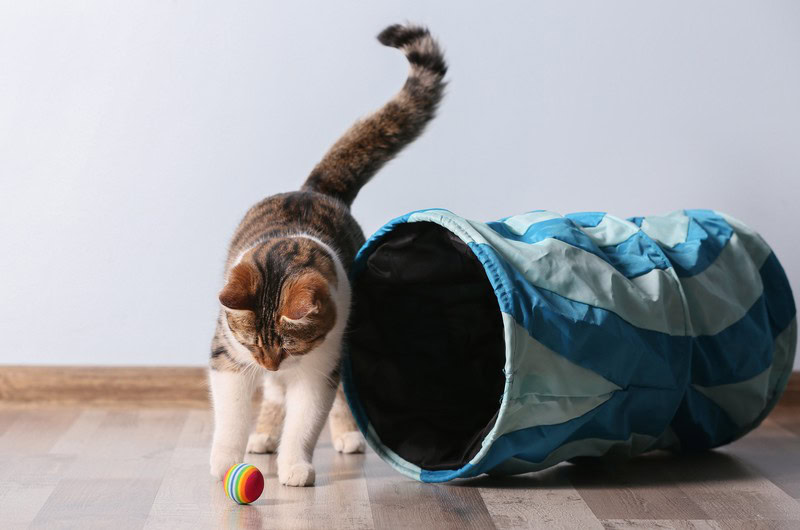
Invest in plenty of toys that you know your cat will like. Things like perches and cat trees that look outside can also provide the enrichment your kitty needs while you're away.
2. Don't Make a Big Deal About Leaving
Avoid making a big announcement of your arrivals and exits. Keep it low-key. If you quietly leave the house when it's time to go to work without making a fuss, your kitty will likely see that there's nothing to make a fuss about. Likewise, leave quietly when your pet is distracted and avoid the urge to pick it up for goodbye hugs and kisses before you exit.
The same applies when you come home. Don't make a grand entrance full of kisses and snuggles. Instead, use a calm voice to acknowledge your pet and continue about your day.
3. Buy a Wi-Fi Camera
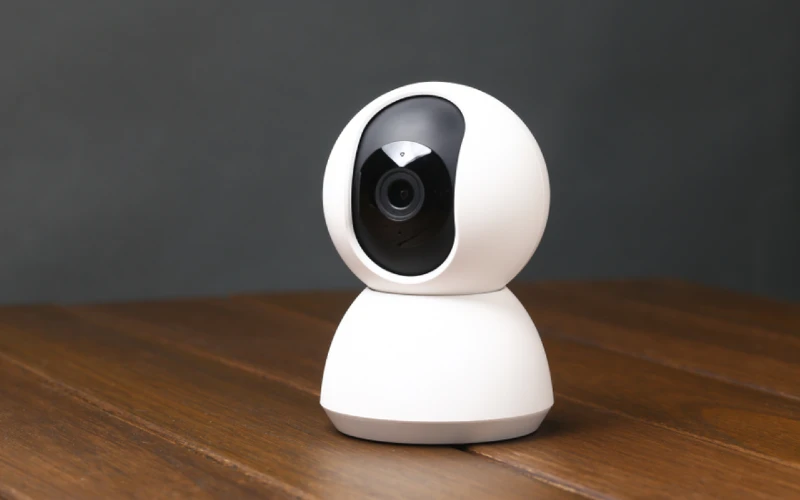
Invest in a Wi-Fi-enabled pet camera you can watch your pet through during your time apart. The best cameras have microphones and speakers so you can talk to your cat in a calming voice to let it know you're nearby. Some better cameras even allow you to toss treats to your pet when you're away.
4. Leave Your Scent
Some cats find comfort in their human scents. If this rings true for your fur baby, leave an article of your clothing on your bed or near your kitty's favorite resting spot.
5. Don't Let Your Kitty Always Rely on You
You don't always have to drop everything you're doing to give your kitty the attention it's asking for. This can cause clinginess and neediness. Instead, direct its attention to a toy it can play with on its own, so it's not always relying on you to provide entertainment. Encourage independence as much as you can. Your kitty should be able to spend a good part of its day alone without feeling stressed or anxious.
6. Consider Pheromone Sprays & Diffusers
Pheromone sprays or diffusers, like Feliway, can help relax your pet and provide reassurance when it's anxious. These can be found at local pet stores, your vet's office, or online vendors like Chewy. We personally like the diffuser version as it provides 30 days' worth of synthetic pheromones to help your cat feel less stressed.
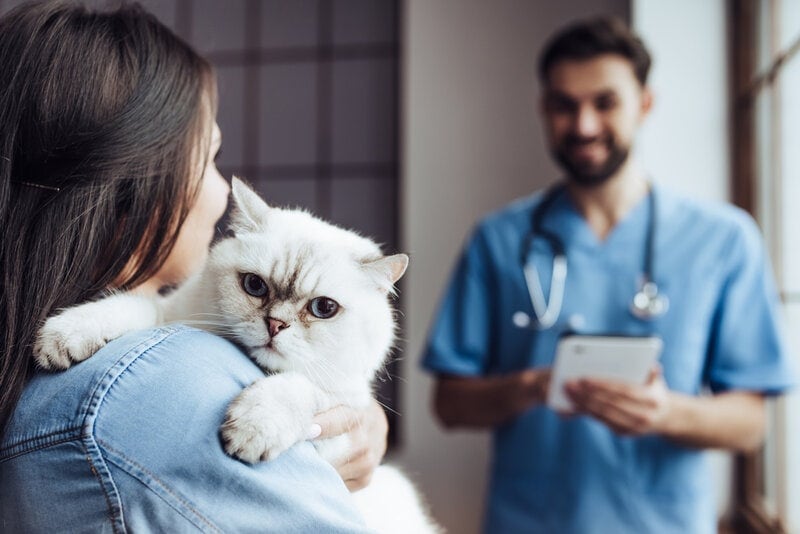
7. Talk to Your Vet
If your pet's separation is so bad that it's affecting its quality of life, you may need to talk to your vet about medical intervention. There are several types of anxiety medications and supplements your vet might recommend to help reduce your pet's anxiety. According to PetMD, supplements typically yield a 25% improvement in signs of stress, while medication can provide as much as a 50% improvement.
8. Address the Cues
When your kitty has separation anxiety, it will always be aware of the subtle clues you're about to leave. Certain actions, such as picking up your keys or putting on your jacket, will signify to your kitty that it's time to start panicking because you're leaving. Minimizing these cues may help your cat feel more relaxed when it sees you grabbing your keys.
You can minimize the power of the cues by sometimes picking up your keys or putting on your coat, only to put them back down again. This will eventually teach your kitty that sometimes when you grab your coat or keys, you're not actually going anywhere.
You can also try teaching your pet that coming and going is a normal part of the day for you. This can be done by leaving the house and returning a minute later. By leaving and returning quickly, you're showing your cat that you will not be gone forever.
9. Consider a Pet Sitter
If your cat's anxiety is severe or you work long hours, you might consider hiring a pet sitter to pop into your house once or twice a day while you're away. This might not be a feasible option for every pet owner, but if you have space in your budget, a pet sitter can help your anxious kitty. They will maintain a presence in the house and keep your cat's routine in check to prevent them from feeling lonely.
10. Avoid Attention-Seeking Behaviors
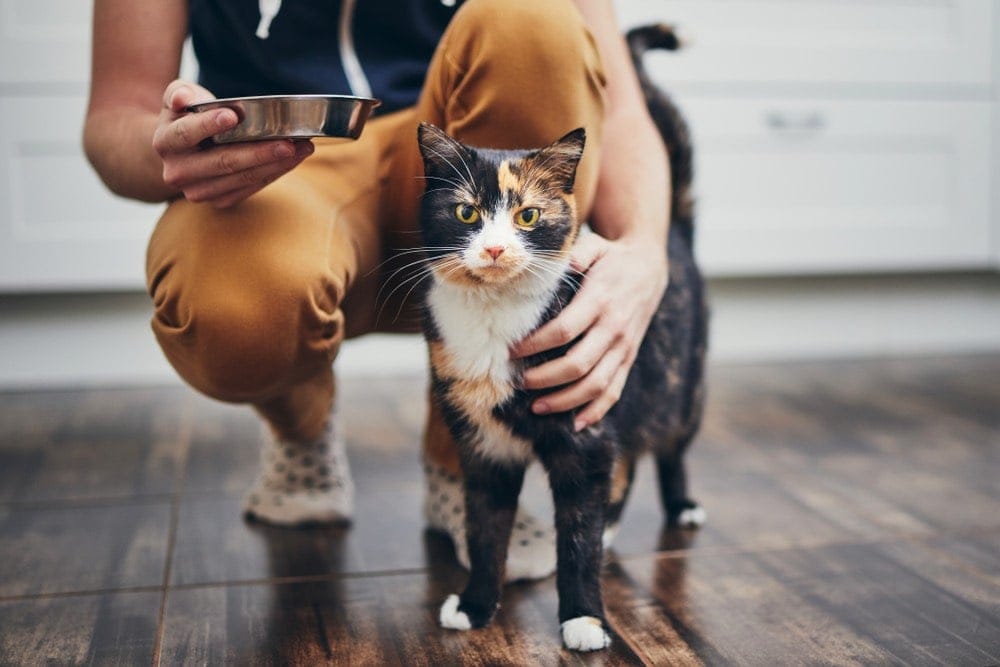
Use all your willpower to avoid rewarding any attention-seeking behaviors your kitty partakes in when you come home. Instead, provide rewards when your pet is calm. For example, give a lot of verbal praise and a tasty treat once your kitty is resting in another room or when it stops meowing to get your attention. Do not give it a treat the moment you walk in the door.
11. Dole Out Tasks to Other Housemates
If you live with your family or have roommates, have them take a more active role in looking after your cat. For example, have your spouse feed the kitty while your child plays with it. This will hopefully reduce how deeply your pet depends on you to meet its needs.
Conclusion
Separation anxiety can be debilitating for cats and distressful for owners. Thankfully, you can do plenty of things to help your kitty deal with its anxiety symptoms.
We hope our 11 tips above have helped you map out a plan to ease your pet's stress and anxiety. However, please allow yourself some time to implement the strategies above, as it can take several weeks to start seeing improvements in your kitty's behavior.
Sources
Featured Image Credit: Jaromir Chalabala, Shutterstock
Get Hepper In Your Inbox


Pet care tips from our vets and experts, straight to your inbox.
You may opt-out at any time. View our Privacy Policy for more information.
Chantelle's life revolves around two passions: writing and animals. Raised on the prairies of Canada amidst a menagerie of pets, she now lives with five cats, two guinea pigs, and a bearded dragon. Together with her husband and child, Chantelle delights in being an exemplary animal parent, going as far as installing wall-mounted cat shelves to give their cats an indoor playground. When she's not cozying up with her cats or snapping their amusing antics, she enjoys venturing into the Rocky Mountains, binge-watching her favorite Netflix shows, and indulging in spontaneous reading adventures.
Join the conversation
Ask a question, share your story, or send private feedback.