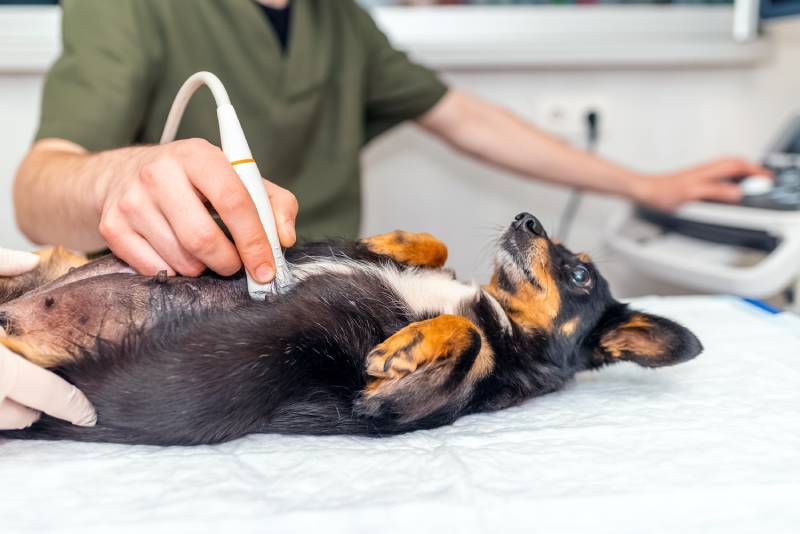
Hepper is reader-supported. When you buy via links on our site, we may earn an affiliate commission at no cost to you. Learn more.
How Long Does It Take a Dog to Recover From Being Neutered? Vet-Reviewed Facts & Care Tips

In this article
A neuter is a common surgical procedure you may be considering for your dog. But what do you need to know before your dog undergoes surgery, and how long will they take to recover?
Thankfully, most dogs will return to their normal spunky selves within a day or two of their procedure and make a full recovery within 10–14 days.
The following article will discuss neutering in further detail, including its timing and benefits, all you need to know about the day of the procedure, and the details of your dog’s recovery. This information will help you to make fact-based decisions regarding your dog’s neuter and allow you to provide the best care to your companion, making their recovery as smooth and stress-free as possible.

What Is Neutering?
Neutering, also known as castration, refers to the surgical removal of a male dog’s testicles. This irreversible procedure will make a dog unable to reproduce and will either reduce or eliminate male behaviors associated with breeding.

Why Is Neutering Recommended?
The American Animal Hospital Association (AAHA) and the American College of Theriogenologists (ACT) generally recommend that male canines not intended for breeding be neutered. The advantages of castration are diverse and include the following:
- Effective population control by reducing unwanted litters
- Decreased aggression
- Decreased wandering or roaming behaviors
- Lowered risk of being hit by a car
- Decreased risk of testicular cancer
Canine castration will also reduce the risk of benign prostatic hyperplasia (BPH). BPH is the most common condition affecting the prostate (a small gland located near the bladder) and is caused by male hormones. This condition is found frequently in dogs greater than 6 years of age, with symptoms that may include straining to defecate, blood in the urine, or discharge from the prepuce.

When Should I Have My Dog Neutered?
The specific timing of neutering in dogs is a complex topic. Risks of certain cancers may be either increased or decreased, depending on a dog’s age at the time of sterilization.
Based on the current literature, AAHA makes the following recommendations regarding the timing of canine neuters:
- For dogs expected to be less than 45 pounds when full grown, neutering should occur between 5–6 months of age.
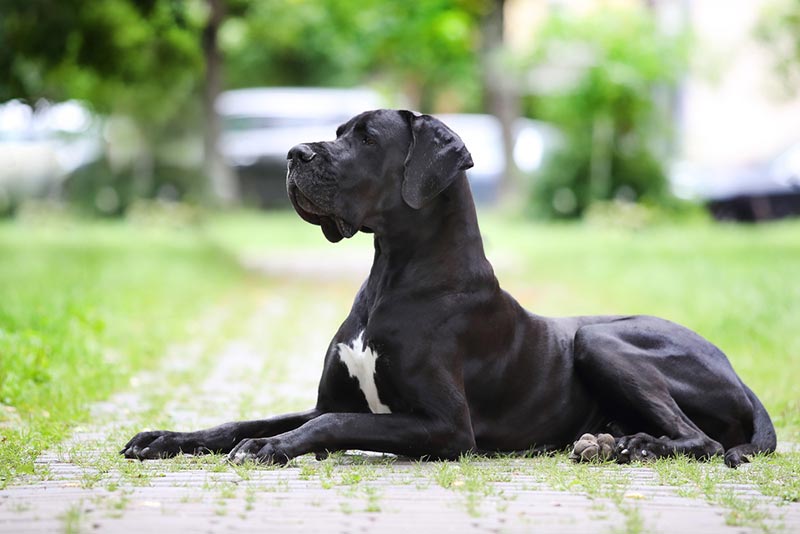
- For dogs expected to be greater than 45 pounds when full-grown, neutering should occur once growth is complete—typically between 9–15 months of age, although sterilization can be considered even later for this population. The recommendation for large and giant breed dogs to undergo castration at an older age is based on possible orthopedic concerns, as well as the risk of certain cancers affecting some breeds.
If you have questions about when to neuter your dog, a discussion with your veterinarian regarding the risks and benefits specific to your pet is recommended.

What Can I Expect on the Day of My Dog’s Procedure?
Following your veterinarian’s specific preoperative instructions will help ensure the day of your dog’s neuter proceeds smoothly. Your veterinarian may ask you to withhold food starting the night before your dog’s procedure, as sedative medications and general anesthesia can sometimes cause nausea and vomiting in dogs. Vomiting in sedated canines is a concern because it can lead to aspiration pneumonia, a life-threatening condition.
After your dog arrives at the veterinary clinic, it will be examined by your veterinarian before surgery. Your veterinarian may recommend that preanesthetic blood work be performed to help identify any medication conditions, which may put your pet at a higher risk of anesthetic or surgical complications.
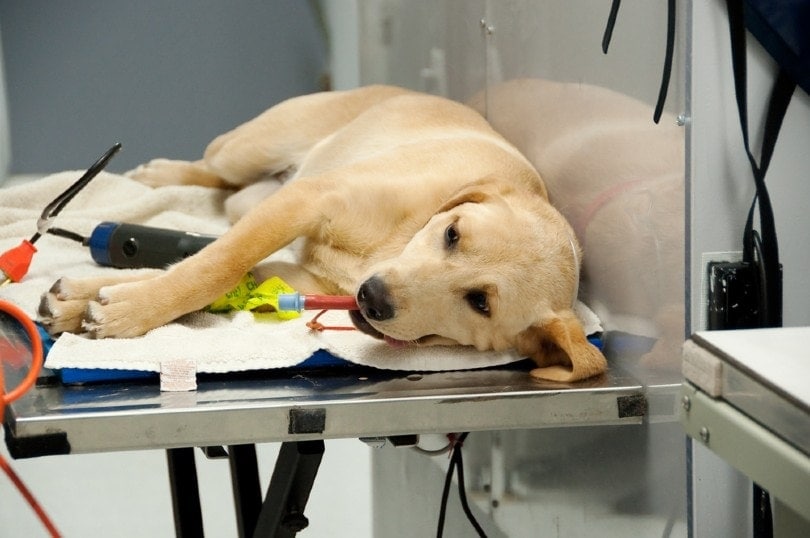
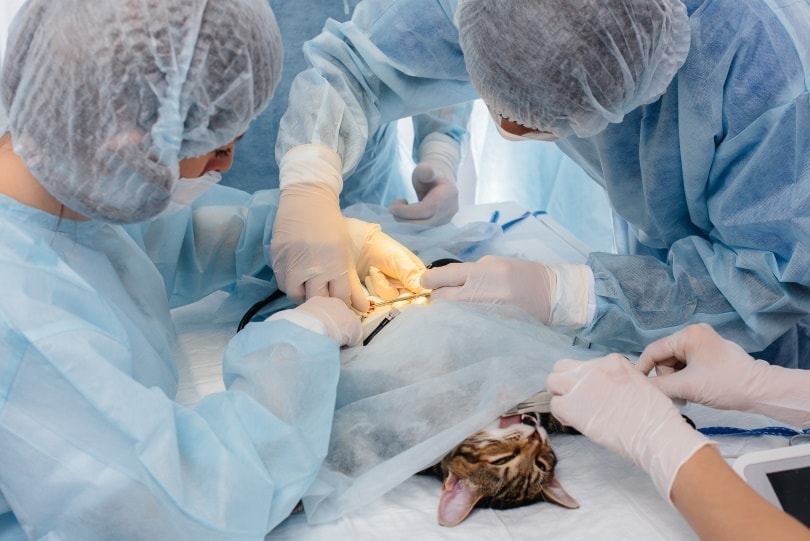
Once your veterinarian has given the go-ahead for surgery, your pet will be placed under general anesthesia, and the neuter procedure will be completed within approximately 5–20 minutes.
Veterinary staff will monitor your pet throughout their recovery, and they will most likely be able to go home the afternoon or evening of their procedure.

What Is the Recovery Period Following a Neuter, and How Can I Care for My Dog During This Time?
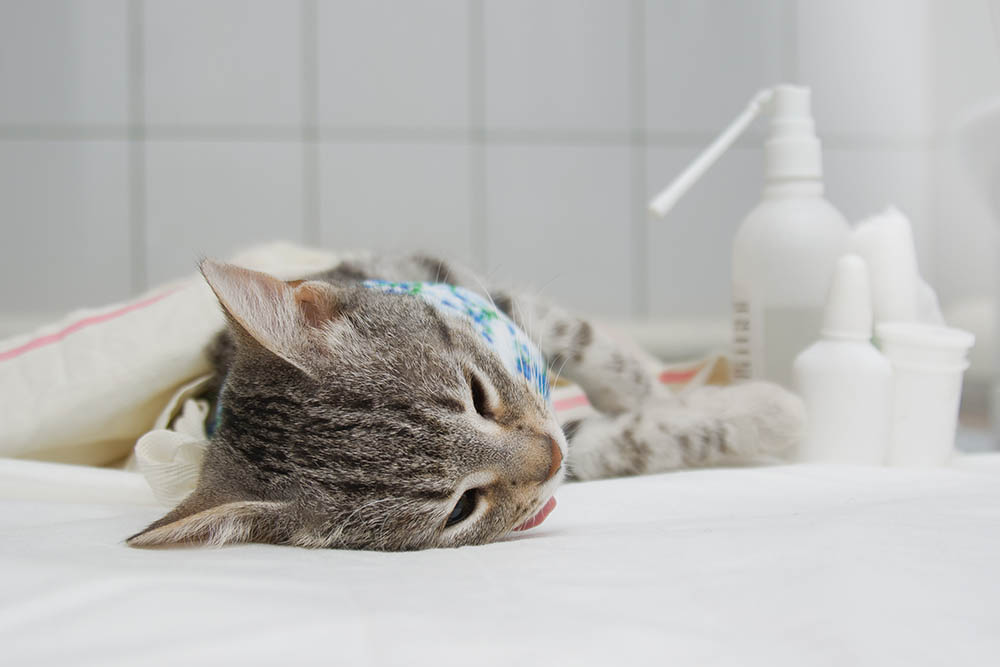
For the first 12 hours after surgery, your dog may seem a bit “off” compared to their normal self. This may manifest as mild grogginess, increased vocalization or whining, or a temporary decrease in appetite. These signs are common and within the range of normal postoperative behavior, as your dog is recovering from a major surgical procedure performed under general anesthesia.
Spending the evening at home with your dog after their surgery is recommended so that you can monitor them for any of the following concerning signs:
- Pale or white gums
- Depressed attitude, unable to stand or walk
- Difficulty breathing
- Continuous bleeding from their incision, or an incision that appears open
- Multiple episodes of vomiting
- Straining to urinate, or lack of urination within 12–24 hours after surgery
If any of the above signs are noted, your dog should be evaluated promptly by a veterinarian. Thankfully, within a day or two of surgery, your dog will likely seem back to their normal self! Despite this seemingly quick recovery, modifications to their normal routine are needed for 10–14 days after surgery to keep them safe and ensure that they continue to heal uneventfull.
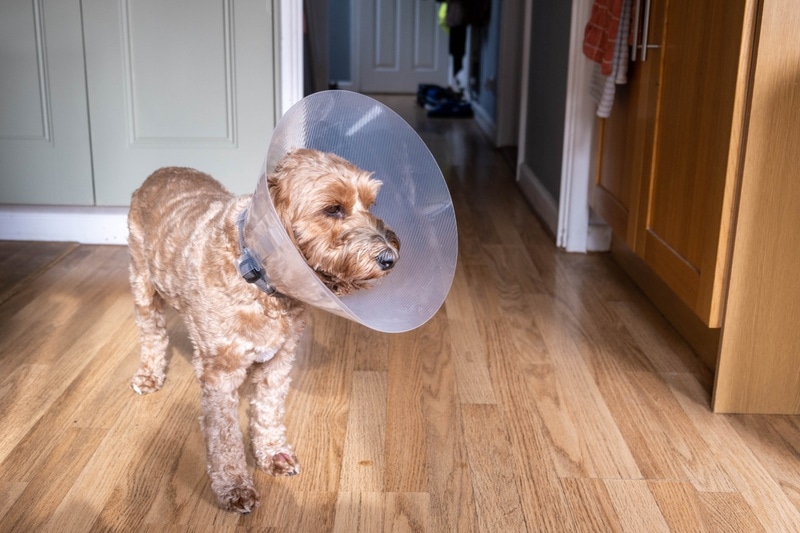
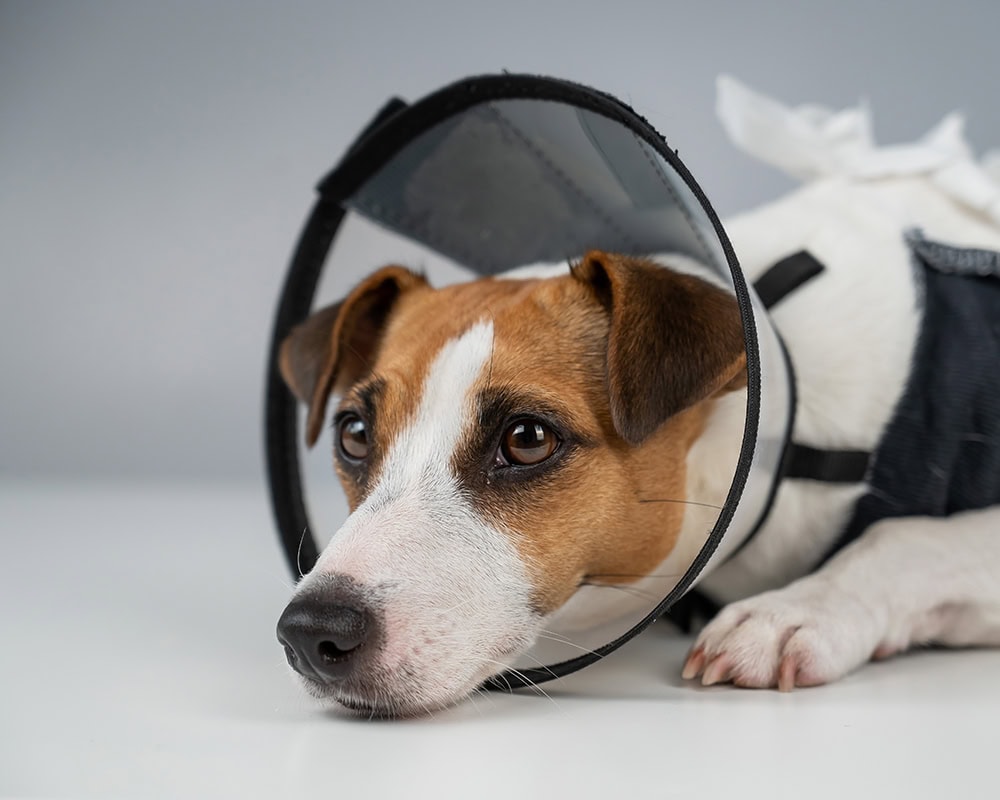
- Elizabethan collar: Your veterinarian will likely recommend that your dog wear an Elizabethan collar (also known as a cone, or E-collar). E-collars are essential as excessive licking at their surgical incision can lead to infection.
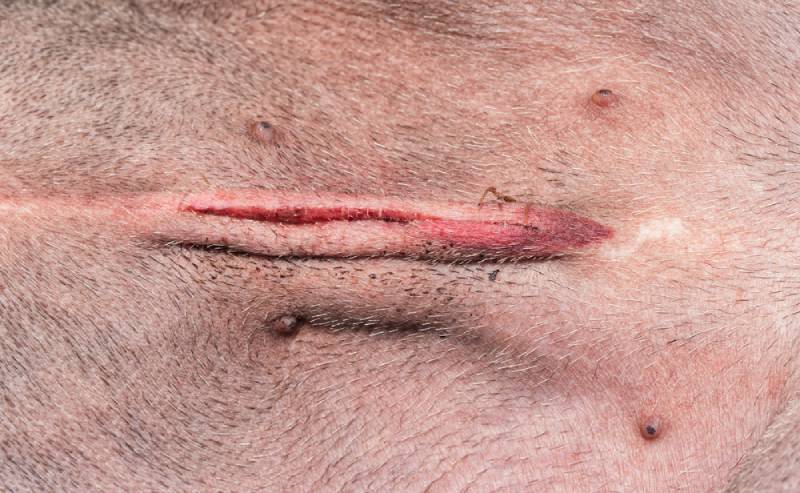
- Incision care: Your dog will likely have a small incision either on its scrotum, or between the prepuce and scrotum. Monitor your pet’s incision daily, and make sure to keep the area clean and dry at all times—your pet should not go swimming or have a bath during this postoperative period. Mild swelling of the incision can be normal and should improve over time. Significant swelling, redness, discharge from the incision, or an incision that appears to be opening up all require further evaluation by your veterinarian.
- Medication administration: Your veterinarian will send your dog home with pain medication following their neuter to help keep them comfortable and minimize inflammation. Rimadyl (carprofen) is a common medication used for this purpose. It is important to give any medication according to instruction and not to administer any over-the-counter medications or supplements without the recommendation of your veterinarian.
- Decreased activity level: Running, jumping, and boisterous play are not recommended during your dog’s recovery period. These activities may impede the healing of their incision, and could potentially lead to the incision opening up and requiring repair by your veterinarian. If you are having difficulty managing your dog’s activity level, keeping them in a smaller area of your house, such as a bathroom or laundry room, may be appropriate. Additionally, a discussion with your veterinarian regarding sedative medications may be considered.
Your veterinarian may recommend a recheck appointment after 10–14 days to ensure that your pet’s incision has healed appropriately. If your dog has any skin stitches from their surgery these will also be removed during this visit. As long as your veterinarian does not have any concerns, your dog should be able to return to its normal routine at this time!
What Are the Potential Complications Following a Neuter?
Along with spaying, neutering is one of the most common surgical procedures veterinarians perform. However, it is important to note that while it is routine, neutering is still considered a major surgical procedure and there may be some level of risk associated with anesthesia or the surgery itself.
Potential complications noted following neuters are bleeding, swelling, bruising, self-trauma, or opening up of the neuter incision. Thankfully most complications following neutering tend to be minor, and the overall risk of complications is quite low.

Conclusion
In conclusion, neutering is an important surgical procedure to consider for your canine companion. Following your veterinarian’s instructions regarding postoperative care will help your furry friend to stay safe during their recovery period, and will allow them to get back to normal as soon as possible!
See also:
Sources
Spaying and neutering | American Veterinary Medical Association (avma.org)
Preventing and managing spay neuter complications (Proceedings) (dvm360.com)
SFT/ACT Position Statements - American College of Theriogenologists (theriogenology.org)
Reproductive Disorders of Male Dogs - Dog Owners - Merck Veterinary Manual (merckvetmanual.com)
Ask a Vet: All You Need to Know About Spay/Neuter Surgery • MSPCA-Angell
Featured Image Credit: Hryshchyshen Serhii, Shutterstock
Get Hepper In Your Inbox


Pet care tips from our vets and experts, straight to your inbox.
You may opt-out at any time. View our Privacy Policy for more information.
Nicole is a lover of animals of all sizes but is especially fascinated with the feline variety. She’s the proud mom of Baby, a Burmese, and works every day so he can relax in the sunshine or by the fire. She’s always had a cat in her home and has spent countless days with others, observing behaviors and softening up even the grouchiest of the lot. Nicole wants to share her kitty expertise with you so you and your cat can live happy, healthy, and care-free.
Join the conversation
Ask a question, share your story, or send private feedback.